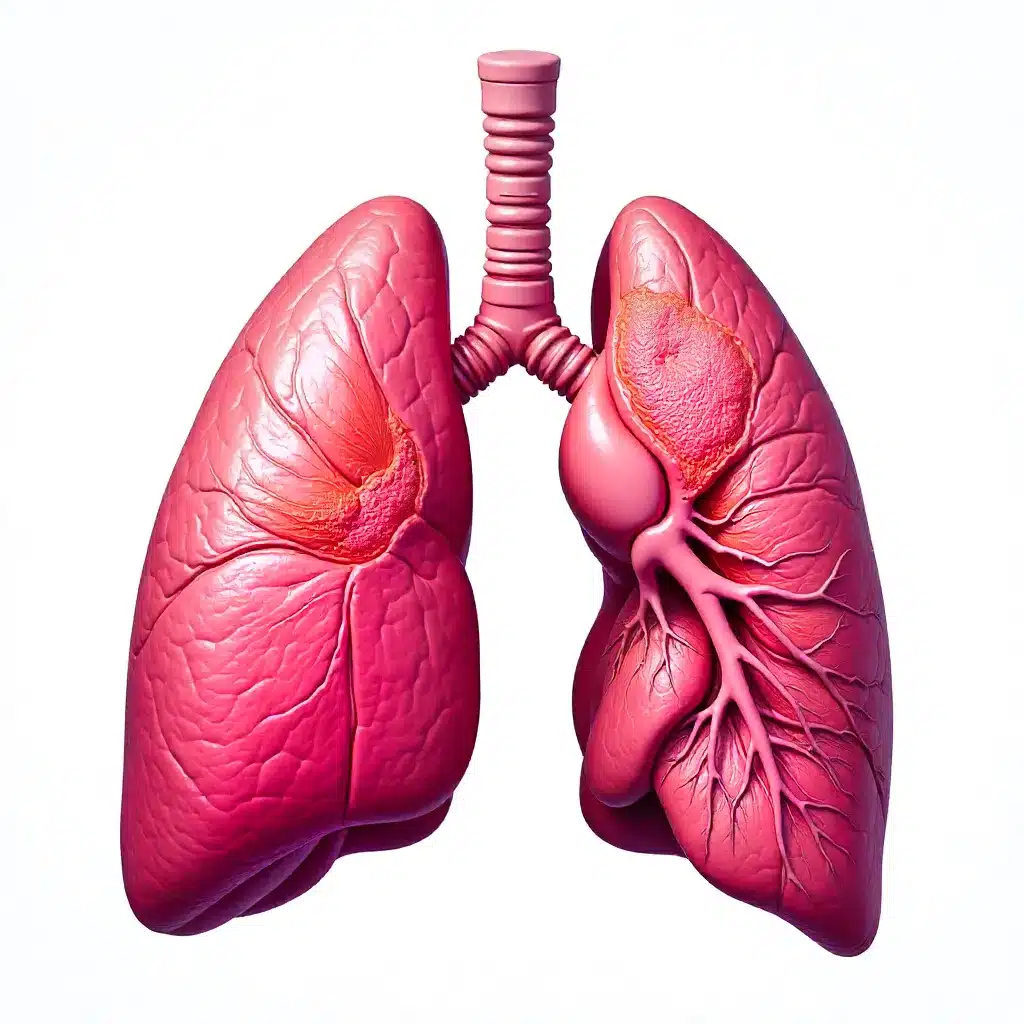
We are talking about a serious zoonotic threat called glanders, or Flanders’ disease. This infection is very contagious and can be deadly. It’s caused by the bacterium Burkholderia mallei. Mostly, it hits horses, mules, and donkeys. But, it can also spread to humans by touching infected animals or dirty surfaces.
Understanding Flanders’ disease is crucial because it spreads rapidly and can be fatal. As a top healthcare team, we see how vital it is to be aware and act quickly. At livhospital.com, we treat glanders with great care and the latest medical methods.
Key Takeaways
- Glanders, or Flanders’ disease, is a zoonotic infection caused by Burkholderia mallei.
- It mainly affects horses and other equine animals but can also spread to humans.
- The main way it spreads is through direct contact with infected animals or dirty surfaces.
- This disease is known for how quickly it can spread and how deadly it can be.
- Getting the right diagnosis and treatment needs advanced medical care and awareness.
The Nature and History of Flanders’ Disease
Exploring the history of glanders is a journey through medical discovery and our growing understanding of zoonotic diseases. Known as Flanders’ Disease, it has long been a major health concern for animals and humans alike.
Historical Context and Discovery
Glanders has been known for centuries, with ancient Greeks and Romans first describing it. It was first found in horses and other equines, causing a lot of sickness and death. The fight against glanders has always brought together veterinarians and doctors.
The disease is caused by Burkholderia mallei, spread mainly by touching infected animals. For more info, check out the. They offer detailed info on the disease and how to stop it.
Evolution of Medical Understanding
Our understanding of glanders has grown a lot over time. From the first descriptions to knowing its cause and how it spreads, we’ve made big strides. Thanks to advances in science and vet medicine, we now have ways to diagnose and treat glanders.
The signs of Flanders’ Disease differ in animals and humans. Animals, like horses, can get skin problems or breathing issues. Humans can get skin, lung, or blood infections, depending on how they get it.
|
Disease Form |
Symptoms |
Transmission Route |
|---|---|---|
|
Cutaneous |
Skin lesions, ulcers |
Direct contact with infected animals |
|
Pulmonary |
Respiratory distress, pneumonia |
Inhalation of aerosolized bacteria |
|
Septicemic |
Systemic infection, fever, sepsis |
Direct entry into bloodstream |
Knowing the history and how our medical knowledge has grown is key to tackling glanders today. By understanding how it spreads and its symptoms, we can fight it better.
Flanders’ Disease: Medical Definition and Classification
The medical world needs a clear definition and classification of Flanders’ Disease to create effective treatments. It’s a zoonotic infection caused by Burkholderia mallei. Knowing its medical details is key to managing and controlling it.
Defining Characteristics of the Disease
Flanders’ Disease, or glanders, mainly affects animals but can also spread to humans. It comes in different forms, like skin, lung, and blood infections. It’s known for causing granulomatous lesions and abscesses in tissues, leading to serious health issues if not treated.
The disease’s symptoms can vary, making it hard to diagnose without lab tests. The bacterium Burkholderia mallei is a non-motile, Gram-negative rod. It’s very harmful and can stay alive in the environment for a long time.
Relationship to Other Zoonotic Infections
Flanders’ Disease is grouped with other zoonotic infections that are dangerous to animals and humans. Diseases like brucellosis and anthrax are similar to glanders in their severity and the need for strict control. It’s important to understand these connections to create effective public health plans.
Classifying Flanders’ Disease as a zoonotic disease shows the need for a team effort in its management. This includes both human and animal health experts. Working together is vital to reduce the risks of glanders and similar diseases.
Burkholderia mallei: The Bacterial Cause
The bacterium Burkholderia mallei causes glanders, a disease with big health impacts. Glanders, also known as Flanders’ disease, affects animals and humans. It’s a zoonotic infection with complex causes and severe effects.
Microbiology and Structure
Burkholderia mallei is a Gram-negative, non-motile bacterium in the Burkholderia genus. It has a complex cell envelope and virulence factors that make it harmful. The bacterium is rod-shaped and can be found through culture and PCR tests, key for glanders diagnosis.
- The bacterium can live inside host cells, making it hard to get rid of.
- Its cell envelope has an inner membrane, a peptidoglycan layer, and an outer membrane with lipopolysaccharides.
Survival and Virulence Factors
Burkholderia mallei survives and harms thanks to several factors. It can live inside host cells and avoid the immune system. For more on Burkholderia mallei, check.
Key virulence factors include:
- Lipopolysaccharides help it cause disease and survive.
- Type III secretion systems help it invade host cells.
- Proteins and enzymes help it survive and grow inside the host.
Knowing these factors helps in finding better ways to diagnose and treat glanders.
Epidemiology and Global Distribution
Understanding glanders is key to good public health. The disease, caused by Burkholderia mallei, has long been a worry. It affects areas today just as it did in the past.
Historical Outbreaks and Patterns
Glanders has mainly hit horses and other equine animals. It caused big problems in wars and among cavalry units. For example, in World War I, it led to many horse deaths.
“Glanders was a major problem in the horse-drawn cavalry during World War I, highlighting the need for strict animal health measures.”
Historical Veterinary Records
Current Endemic Regions
Now, glanders is mainly found in Asia, Africa, and the Middle East. It stays in these areas because of economic and environmental reasons. Places with weak animal health systems and poor control measures struggle more with the disease.
|
Region |
Countries Affected |
Status |
|---|---|---|
|
Asia |
India, Pakistan, Mongolia |
Endemic |
|
Africa |
Egypt, Ethiopia |
Endemic |
|
Middle East |
Iran, Turkey |
Endemic/Sporadic |
Factors Influencing Geographic Spread
Many things help glanders spread, like moving sick animals and the right weather for Burkholderia mallei. Humans can also spread it by accident. Climate change and more travel around the world might bring glanders to new places.
- Movement of infected animals
- Environmental conditions
- Human activities
- Climate change
- Global connectivity
Transmission Pathways of Flanders’ Disease
It’s important to know how Flanders’ Disease spreads to stop it. This disease, caused by Burkholderia mallei, affects animals and humans. Knowing how it spreads helps us fight it better.
Animal-to-Animal Transmission
Flanders’ Disease mainly spreads among animals through direct contact. This happens when animals touch each other, share food and water, or live close together. Animals, like horses, can pass the disease to each other easily.
Zoonotic Transmission to Humans
Humans can get Flanders’ Disease from animals or things they touch. The main ways people get it include:
- Touching infected animals, which can hurt their skin.
- Breathing in bacteria that are in the air.
- Touching things that have the bacteria, like lab equipment.
People who work with animals, like vets and handlers, are more likely to get the disease.
Environmental Persistence and Indirect Transmission
The bacteria that cause Flanders’ Disease can live outside of animals for a long time. This makes it possible for the disease to spread in other ways. Things that help the bacteria survive include:
- Moist places: The bacteria last longer in wet areas.
- Cool temperatures: It does better in cooler weather.
- Dirty places: It can stay alive in soil and water with dirt in it.
People can get the disease by touching things that have the bacteria, like dirty soil or water.
Learning how Flanders’ Disease spreads is key to controlling it. By knowing how it spreads, we can make plans to stop it. This helps keep both animals and people safe from the disease.
Clinical Manifestations in Animals
Glanders, or Flanders’ disease, is a zoonotic infection that affects different animal species. It mainly hits equines like horses, donkeys, and mules. But it can also show up in other animals.
Acute Form in Equines
The acute form of glanders in equines is very severe. Symptoms include high fever, nasal discharge, and skin and mucous membrane nodules and ulcers. These symptoms can quickly lead to septicemia and death if not treated.
A study on horses with the acute form of glanders showed symptoms appear fast. The disease can be deadly, making quick vet care essential.
Chronic Form and Carrier State
The chronic form of glanders lasts for months or years. Equines with this form may have mild or occasional symptoms, making it hard to diagnose. These animals can carry the disease, infecting others and humans.
|
Characteristics |
Acute Form |
Chronic Form |
|---|---|---|
|
Duration |
Short, often fatal |
Prolonged, months to years |
|
Symptoms |
Severe, rapid onset |
Mild, intermittent |
|
Carrier State |
Less likely |
Common |
Manifestations in Other Animal Species
Glanders can also affect other animals, like dogs and cats. They get infected by touching contaminated tissues or fluids. The symptoms in these species can vary, often showing as localized infections or systemic disease.
“Glanders is a significant zoonotic disease that requires careful consideration in both veterinary and public health practices.”
— World Health Organization
Knowing how glanders shows up in different animals is key to managing and preventing the disease. This knowledge helps in creating plans to stop outbreaks and keep both animals and humans safe.
Human Forms of Flanders’ Disease
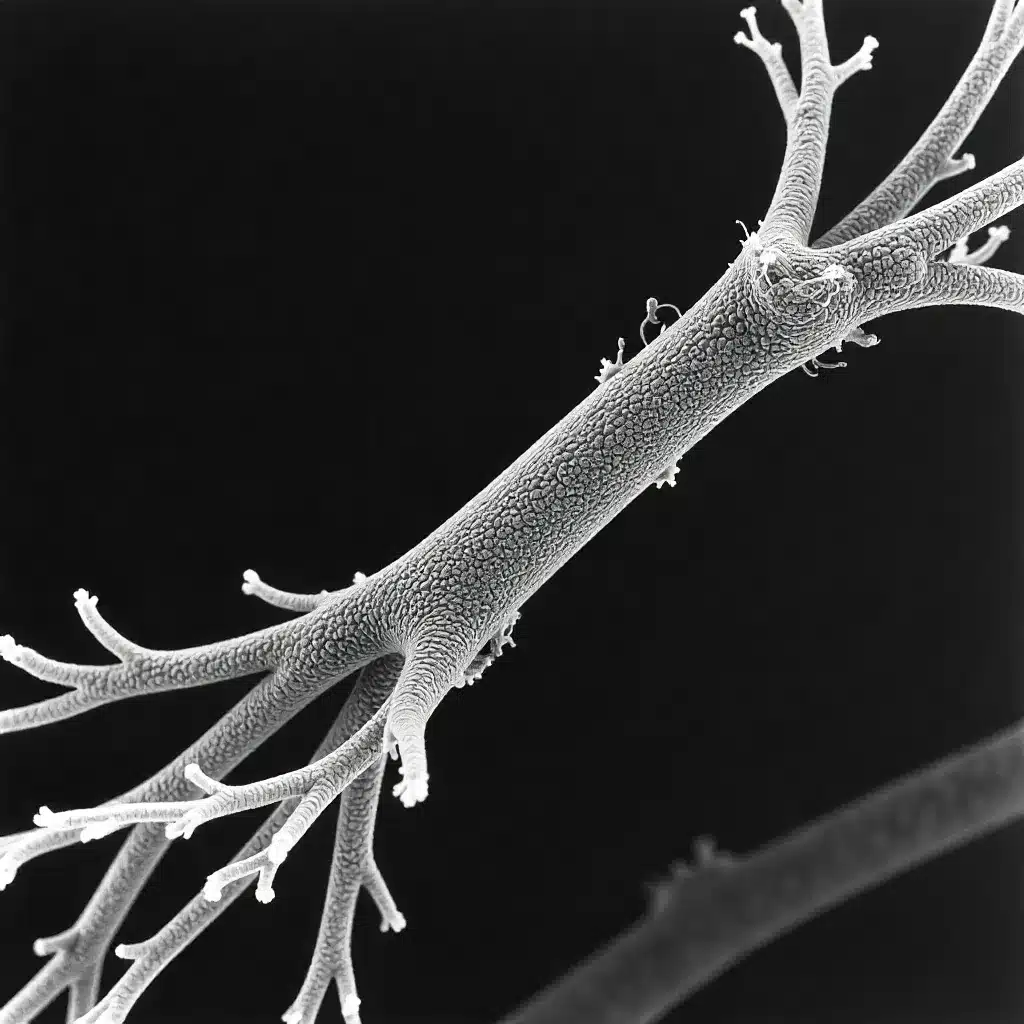
Flanders’ Disease is caused by Burkholderia mallei and affects humans in different ways. Each form has its own symptoms and challenges. Knowing these is key for the right diagnosis and treatment.
Cutaneous (Skin) Form
The cutaneous form shows up as skin lesions where the bacteria enter. These can grow into ulcers, often with swollen lymph nodes nearby. It happens when you touch infected animals or contaminated things.
Symptoms to watch for include:
- Skin nodules or ulcers
- Regional lymph node swelling
- Possible secondary bacterial infections
Pulmonary (Lung) Form
The pulmonary form happens when you breathe in the bacteria, causing a serious lung infection. It can feel like pneumonia, with coughing, chest pain, and trouble breathing. This form is very dangerous and needs quick medical help.
“Inhalation glanders can present with severe pneumonia, which may lead to sepsis and multi-organ failure if not promptly treated.”
Nasal Form
The nasal form infects the nasal mucosa, causing discharge, ulcers, and severe nosebleeds. It can come from touching the nose with infected material or spreading through the blood.
|
Form |
Primary Symptoms |
Mode of Infection |
|---|---|---|
|
Cutaneous |
Skin lesions, lymphadenopathy |
Direct contact with infected animals or materials |
|
Pulmonary |
Cough, chest pain, difficulty breathing |
Inhalation of bacteria |
|
Nasal |
Nasal discharge, ulceration, nosebleeds |
Direct inoculation or hematogenous spread |
Septicemic Form and Systemic Spread
The septicemic form is a blood infection that can harm many organs. It’s the most serious form and can be deadly if not treated fast.
Key indicators of septicemic glanders include:
- High fever
- Multiple organ dysfunction
- Shock
Quick diagnosis and treatment are vital for glanders, no matter the form. We stress the need for healthcare providers to be ready to handle this serious condition.
Symptoms and Clinical Presentation
Knowing the symptoms of Flanders’ Disease is key for early diagnosis and treatment. The symptoms can change based on the disease form and the person’s health.
Early Warning Signs and Symptoms
The first signs of glanders can be hard to spot. Early symptoms include fever, chills, and tiredness. Muscle aches and headaches might also occur. Sometimes, the first sign is a skin lesion or abscess where the infection started.
As the disease gets worse, more symptoms can appear. These include:
- Skin lesions or abscesses
- Nasal discharge or ulcers
- Cough and trouble breathing
- Swollen lymph nodes
Progressive Disease Manifestations
If glanders is not treated, it can get much worse. It can affect different parts of the body. The disease can show up in several ways, like on the skin, in the lungs, in the nose, or in the blood.
Here’s a detailed look at how the disease can progress:
|
Disease Form |
Primary Symptoms |
Complications |
|---|---|---|
|
Cutaneous |
Skin lesions, abscesses |
Secondary infections, scarring |
|
Pulmonary |
Cough, difficulty breathing |
Pneumonia, respiratory failure |
|
Nasal |
Nasal discharge, ulcers |
Nasal septum destruction, chronic sinusitis |
|
Septicemic |
Fever, chills, sepsis |
Multi-organ failure, shock |
Life-Threatening Complications
Glanders can cause serious problems if not treated quickly. The septicemic form is very dangerous. It can lead to failure of many organs and septic shock.
“Prompt recognition and treatment of glanders are critical to preventing severe outcomes.”
— World Health Organization
Knowing about the dangers of glanders shows why early diagnosis and treatment are so important. This includes using the right antibiotics and supportive care.
Diagnostic Approaches and Challenges
Diagnosing Flanders’ Disease needs a detailed plan. This includes checking the patient’s health, taking their medical history, and running specific tests. We will discuss how to diagnose this complex condition and the challenges that come with it.
Clinical Assessment and History
The first step is a thorough clinical assessment and history taking. We look at the patient’s symptoms, like skin problems or breathing issues. We also check if they’ve been around sick animals.
Working with animals, like in veterinary medicine, is another important factor. A detailed check-up helps spot the disease’s signs. For example, skin lesions or breathing trouble can point to Flanders’ Disease. We also look at the patient’s overall health and past illnesses.
Laboratory Testing and Confirmation
Lab tests are key to confirming Flanders’ Disease. We use several tests, including:
- Culture: Finding Burkholderia mallei in samples.
- PCR (Polymerase Chain Reaction): Looking for the bacteria’s genetic material.
- Serological tests: Checking for antibodies against Burkholderia mallei.
Each test has its own strengths and weaknesses. For instance, culture is very specific but takes time. PCR is quick but needs special equipment. We choose the test based on the symptoms, available tools, and lab skills.
Differential Diagnosis Considerations
It’s important to rule out other diseases because Flanders’ Disease symptoms can be similar. We look at diseases like:
- Other zoonotic infections (e.g., Brucellosis or Q fever).
- Respiratory problems (like pneumonia or tuberculosis).
- Skin issues (such as abscesses or ulcers from other causes).
Getting the right diagnosis is key to treating patients correctly. We analyze symptoms, lab results, and exposure history to tell Flanders’ Disease apart from other conditions.
Treatment Protocols and Management
Managing Flanders’ Disease needs a mix of treatments. This includes antibiotics and supportive care. Early diagnosis and a tailored plan are key to success.
Antibiotic Therapy Regimens
Antibiotics are the main treatment for Flanders’ Disease. We suggest using ceftazidime or a carbapenem like imipenem. These work well against Burkholderia mallei.
The right antibiotic and how long to use it depend on the patient’s response. Also, on test results and any complications.
- First, patients get antibiotics through an IV.
- Then, antibiotics might change based on test results.
- Treatment can last a long time to get rid of all bacteria.
Supportive Care Measures
Supportive care helps manage symptoms and prevent problems. It includes:
- Drinking enough fluids to avoid dehydration.
- Eating well to keep the patient strong.
- Watching for signs of serious issues like septic shock.
- Helping with breathing if needed.
Management of Complications
Complications from Flanders’ Disease can be serious. Handling these complications is critical. It involves:
- Quickly spotting signs of sepsis or organ problems.
- Aggressive care to keep the patient stable.
- Changing antibiotics based on test results.
- Surgery for abscesses or other infections.
With a full treatment plan, we can help patients with Flanders’ Disease get better.
Prevention and Control Strategies
To fight Flanders’ Disease, we need to use many strategies. These include keeping animals healthy, protecting people, and watching the disease worldwide. It’s important to tackle glanders from all angles.
Animal Health Management Practices
Keeping animals healthy is key to stopping Flanders’ Disease. Here’s how:
- Regularly check animal health, mainly in areas where the disease is common.
- Use strict safety rules in farms and vet clinics.
- Quickly find and keep apart sick animals.
- Teach animal caretakers and vets about the disease and how it spreads.
The World Organisation for Animal Health (OIE) says, “Watching and monitoring animals are vital for controlling glanders.”
“The OIE is important for better animal health worldwide. It helps set standards for finding, watching, and controlling animal diseases, like glanders.”
|
Practice |
Description |
Benefit |
|---|---|---|
|
Surveillance |
Regularly check animal health |
Finds outbreaks early |
|
Biosecurity |
Steps to stop disease spread |
Less risk of spreading |
|
Isolation |
Keep sick animals apart |
Stops more spread |
Human Protective Measures
To keep humans safe from Flanders’ Disease, we need to take several steps:
- Teach people who work with animals or in labs about risks and how to prevent them.
- Wear protective gear when dealing with possibly sick animals or their parts.
- Follow safe lab practices to avoid accidental exposure.
Personal Protective Equipment (PPE) is very important in stopping glanders from spreading to people. This includes gloves, masks, and protective clothes.
International Surveillance and Control Programs
Working together globally is key to controlling Flanders’ Disease. This means:
- Sharing news on outbreaks and health data.
- Working together on research and making better tests and vaccines.
- Creating the same rules for diagnosing and reporting.
The World Health Organization (WHO) and OIE team up to improve watching and controlling zoonotic diseases like glanders. Working together is essential to stop infectious diseases from crossing borders.
Public Health Implications and Reporting Requirements
It’s important to know how glanders affects public health. This disease, caused by Burkholderia mallei, is a big worry for both animals and humans. It has been a problem for a long time and is a risk today.
Glanders mainly hits horses and other animals but can spread to people. This can lead to serious illness. Because of its danger, it’s seen as a threat by health experts worldwide.
International Notification Systems
Glanders must be reported to global health groups. The World Health Organization (WHO) and the World Organisation for Animal Health (OIE) help fight outbreaks. Countries must tell these groups about outbreaks quickly.
The offer help and rules for dealing with glanders. Good reporting systems are key to stopping outbreaks fast.
Public Health Response to Outbreaks
When glanders breaks out, acting fast is key. This means quick tests, keeping sick animals apart, and strict safety rules. Health teams also need to teach doctors and the public about the disease.
Steps to handle outbreaks include:
- Watching for more cases
- Keeping sick animals in quarantine
- Telling people about the dangers and how to avoid them
- Helping people get the right medical care
Handling glanders outbreaks well needs teamwork. Animal and human health teams, along with others, must work together. With good plans and systems, we can handle this disease better.
Conclusion
We’ve looked into Flanders’ disease, a serious infection caused by Burkholderia mallei. Knowing how it spreads is key to stopping it. This disease has a long history and knowing its medical details is important for treating it.
Flanders’ disease can affect many animals and people. It spreads from animals to people and vice versa. We need strong plans to control it.
There are ways to diagnose and treat Flanders’ disease. But, we must act fast for these methods to work.
To fight Flanders’ disease, we must take care of animals and protect people. Programs around the world help track and stop outbreaks. By working together, we can tackle this disease.
In short, Flanders’ disease is a big health issue that needs our attention. By sharing what we know, we aim to help fight this disease. This will make the world a healthier place.
FAQ
What is Flanders’ disease, and what is its other name?
Flanders’ disease is also called glanders. It’s a zoonotic infection caused by the bacterium *Burkholderia mallei*.
What are the primary hosts of glanders?
The main hosts of glanders are equines. This includes horses, donkeys, and mules.
How is glanders transmitted to humans?
Humans get glanders from infected animals. This usually happens through cuts or by breathing in the bacteria.
What are the different forms of glanders in humans?
Humans can get glanders in several forms. These include skin, lung, nasal, and septicemic forms. The septicemic form can spread throughout the body.
What are the symptoms of glanders?
Symptoms of glanders vary. They can be skin lesions or severe lung infections. Symptoms include fever, cough, and trouble breathing.
How is glanders diagnosed?
Doctors diagnose glanders by looking at symptoms and doing tests. They use culture and PCR tests and check if the patient was exposed to infected animals.
What is the treatment for glanders?
Treatment for glanders includes antibiotics. Doctors often use a mix of antibiotics like ceftazidime and ciprofloxacin. They also provide supportive care.
Can glanders be prevented?
Yes, glanders can be prevented. This is done by managing animal health and using protective gear. It also involves international surveillance and control programs.
What are the public health implications of glanders?
Glanders is a big public health concern. It requires international notification and a coordinated response to outbreaks to stop its spread.
How is glanders controlled?
Controlling glanders involves managing animal health and protecting humans. It also requires international cooperation to monitor and control the disease.
What is the significance of *Burkholderia mallei* in glanders?
*Burkholderia mallei* causes glanders. Knowing about its microbiology and how it works is key to finding treatments and prevention methods.
References
- WebMD. (n.d.). What is glanders? Retrieved from https://www.webmd.com/a-to-z-guides/what-is-glanders