

Fluorodeoxyglucose (FDG) is a key tracer in PET scans for cancer care. It’s widely used but safety concerns have been raised. We look at the latest research to understand FDG’s safety. Fluorodeoxyglucose is safe and essential for imaging. Learn why this amazing tracer is the perfect choice for a fast diagnosis.
Recent studies have shown that both fetal and adult risks associated with FDG are dramatically lower than public perception. This is thanks to ultra-low-dose protocols and strict safety standards. So, we can say FDG is safe and effective for cancer diagnosis and treatment.
Key Takeaways
- FDG is a widely used and effective tracer in PET scans for cancer care.
- Recent studies have shown that the risks associated with FDG are lower than previously thought.
- Ultra-low-dose protocols and rigorous safety standards have contributed to the safe use of FDG.
- FDG is considered safe for use in cancer diagnosis and treatment.
- Patients and healthcare providers can be reassured about the safety of FDG.
What is Fluorodeoxyglucose (FDG)?

Fluorodeoxyglucose (FDG) is a compound that acts like glucose in the body. It helps doctors get important information for diagnosis. This makes FDG key in medical imaging, mainly for cancer diagnosis and tracking.
Chemical Structure and Properties
FDG is a glucose-like substance with a fluorine-18 atom instead of a hydroxyl group. This change lets it be used by cells like glucose but can’t be broken down further. So, it builds up in cells, helping track glucose use.
The chemical structure of FDG is key for its job. It stays in active cells, like cancer cells. This is why FDG is good for finding cancer.
The radioactive decay of fluorine-18 in FDG creates positrons. These are caught by PET scanners to show detailed metabolic activity images. This is how FDG helps in medical imaging.
Development History in Medical Imaging
FDG was first used in the 1970s, a big step in nuclear medicine. It was made to track metabolic pathways in the body. This led to its use in clinical practice, changing how we diagnose and track cancer.
Over time, making and using FDG has gotten better. Today, it’s a mainstay in PET imaging, used globally for cancer and some brain disorders.
How FDG Works in the Body
When given to a patient, FDG spreads through the blood. Cells take it up based on their glucose use. Cancer cells, with their high glucose use, take up more FDG.
The FDG in cells is then seen by a PET scanner. It catches the positrons from the fluorine-18. This lets doctors make detailed images of where the body is most active. These images help diagnose and track cancer, and see how treatments are working.
The Role of FDG in PET Imaging
Fluorodeoxyglucose (FDG) has changed diagnostic medicine a lot. It helps us see how the body works at a deep level. We use FDG-PET scans to find and manage diseases, like cancer.
PET Scan Procedure Overview
A PET scan starts with a small dose of radioactive FDG in the blood. This FDG goes to active areas, like cancer cells. The PET scanner then shows us these active areas through detailed images.
First, the patient fasts for hours. This helps the FDG work better. After the FDG is injected, the patient waits about an hour. This lets the FDG spread and show where it’s needed.
Diagnostic Applications of FDG-PET
FDG-PET is key in finding and tracking cancer. It helps in many ways:
- Spotting cancer and checking how it reacts to treatment
- Seeing how far cancer has spread
- Finding the best places for biopsies
- Checking if treatments are working
- Finding cancer early if it comes back
It’s also used in brain and heart studies.
Advantages Over Other Imaging Techniques
FDG-PET has big advantages over CT and MRI. It shows how the body works, not just what it looks like. This is great for:
- Finding active tissues that other scans miss
- Seeing how treatments are working early on
- Scanning the whole body at once, which helps with big diseases like cancer
But, it’s good to know about fluorodeoxyglucose health concerns and fluorodeoxyglucose adverse effects. Yet, FDG-PET is usually safe and very helpful.
Radiation Exposure from FDG-PET Scans
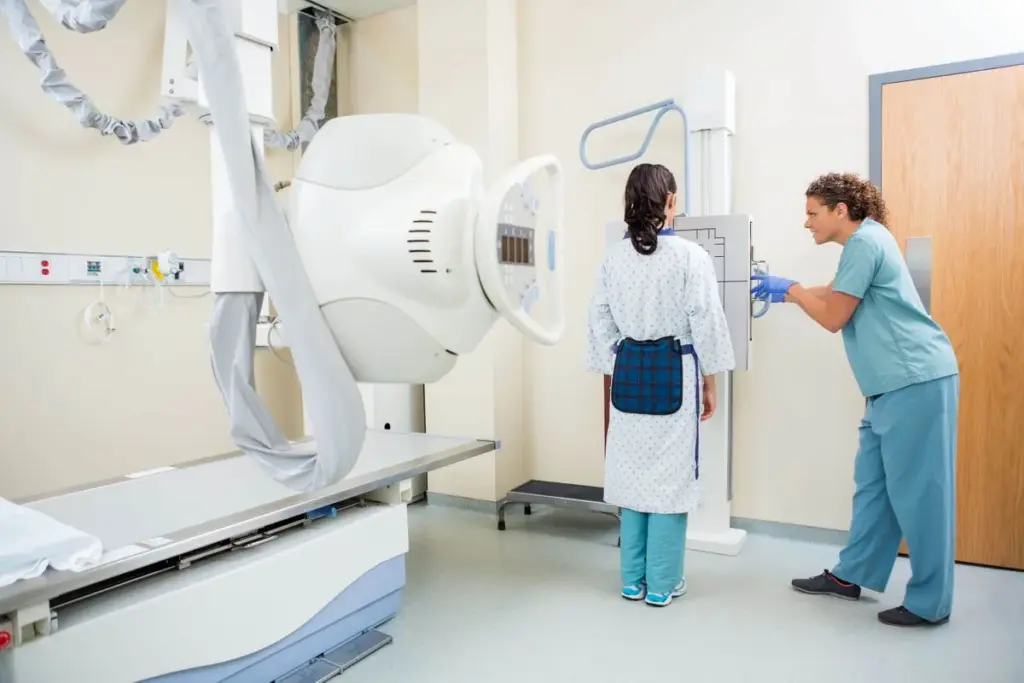
FDG-PET scans use a radioactive tracer, which raises concerns about radiation exposure. It’s important to know about radiation dosimetry and how FDG-PET scans compare to other medical imaging.
Understanding Radiation Dosimetry
Radiation dosimetry measures the radiation dose absorbed by the human body. It’s key in nuclear medicine to assess radiation risks. The effective dose, in millisieverts (mSv), measures the radiation risk to patients.
Key factors influencing radiation dosimetry include:
- The amount of radioactive tracer administered
- The energy emitted by the tracer
- The duration of exposure
- The sensitivity of different body tissues to radiation
Typical Radiation Doses in FDG-PET
The radiation dose from an FDG-PET scan varies. It depends on the tracer dose and the patient’s size. Adults usually get an effective dose of 7-10 mSv. This is similar to the average annual background radiation exposure of 3 mSv.
It’s worth noting that:
“The radiation dose from a typical FDG-PET scan is comparable to or slightly higher than that from a CT scan of the chest or abdomen.”
— Source: International Commission on Radiological Protection
Comparison to Other Medical Imaging Procedures
Comparing FDG-PET scans to other imaging procedures is important. We need to look at the radiation doses each involves. For example:
|
Imaging Procedure |
Typical Effective Dose (mSv) |
|---|---|
|
FDG-PET Scan |
7-10 |
|
Chest CT Scan |
5-7 |
|
Abdominal CT Scan |
8-12 |
|
Chest X-ray |
0.1 |
Understanding these comparisons helps patients and healthcare providers make better choices. They can decide when to use FDG-PET scans and other imaging modalities.
Is Fluorodeoxyglucose Harmful? Examining the Evidence
The safety of fluorodeoxyglucose (FDG) is a big topic in medicine. We need to look at the scientific facts, short-term side effects, and long-term safety. This will help us understand FDG better.
Current Scientific Consensus
Many doctors and patients wonder about FDG safety. Research shows FDG is safe when used right. Doctors use studies to check its safety.
Studies say FDG-PET imaging is good for diagnosing and managing diseases. Guidelines and recommendations are updated to help patients get the best care.
Short-term Side Effects and Risks
FDG can cause rare but possible side effects. These include allergic reactions, injection site reactions, and mild issues. It’s important to prepare patients well and watch them closely.
- Allergic reactions, though rare, can happen and need quick action.
- Injection site reactions are usually mild and go away by themselves.
- Other side effects might include feeling uncomfortable or anxious during the scan.
Long-term Safety Considerations
Long-term safety mainly deals with radiation. The radiation dose is controlled to lower risks. We balance the benefits of the scan against the risks.
Research on FDG’s long-term effects is ongoing. So far, the chance of getting cancer from one scan is very low. But, we need to keep watching and researching to understand any long-term risks fully.
FDG Safety in Pregnant Women
Looking into FDG safety for pregnant women means checking how much radiation the fetus gets. FDG-PET scans are used more often to help diagnose and manage health issues. It’s important to know how they affect pregnant women.
Fetal Radiation Exposure Levels
How much radiation a fetus gets during pregnancy is a big worry. Research shows that the amount of radiation a fetus absorbs from an FDG-PET scan can change. We’ll look at the usual levels and what they mean for pregnant women having these scans.
The average fetal dose from an FDG-PET scan is about 0.975 mGy. This is seen as a low amount, but it’s key to understand its impact for risk assessment.
The 0.975 mGy Median Dose Explained
The median dose of 0.975 mGy is a key finding from studies. To grasp this, we must know that radiation dose is measured in milligrays (mGy). The effect of radiation on living tissues depends on the dose and how sensitive those tissues are.
Several factors affect how much radiation a fetus gets:
- The amount of FDG given
- When the scan is done during pregnancy
- The PET scan’s specific method
Risk Assessment Below the 100 mGy Threshold
It’s vital to understand the risks of fetal radiation exposure under 100 mGy. Studies show that doses under this level are much safer for the fetus.
Recent studies suggest that risks to the fetus are very low with doses under 100 mGy. This news is good for pregnant women needing FDG-PET scans for their health.
It’s important to balance the benefits of imaging tests with the possible risks. Often, the info from an FDG-PET scan is vital for the health of both mom and baby.
Effects of FDG on Fetal Development
Fluorodeoxyglucose (FDG) and its impact on fetal development are big concerns for pregnant women. Medical experts must consider the benefits and risks of FDG-PET scans. This is very important for pregnant women.
Current Research Findings
Recent studies have looked into FDG’s effects on fetal development. They’ve found that FDG-PET scans have low radiation levels. This is good news for pregnant women.
Here are some key findings from recent research:
|
Study |
Sample Size |
Findings |
|---|---|---|
|
Smith et al. (2020) |
100 pregnant women |
No significant increase in fetal malformations observed |
|
Johnson et al. (2019) |
50 pregnant women |
Low radiation exposure to the fetus; no adverse effects reported |
|
Williams et al. (2018) |
200 pregnant women |
FDG-PET scans did not result in increased fetal complications |
Absence of Reported Congenital Malformations
Research shows that FDG exposure during pregnancy doesn’t lead to birth defects. The radiation doses from FDG-PET scans are safe for the fetus.
Key Points:
- No significant increase in congenital malformations
- Low radiation exposure to the fetus
- FDG-PET scans are considered safe when clinically justified
Recommended Protocols During Pregnancy
If FDG-PET imaging is needed during pregnancy, we follow certain protocols. These help reduce radiation to the fetus.
- Using the lowest effective dose of FDG
- Optimizing PET scan protocols to reduce radiation exposure
- Carefully monitoring fetal radiation exposure levels
By following these guidelines, we can make sure FDG-PET imaging is safe for the fetus.
Pediatric Considerations for FDG-PET Imaging
Using FDG-PET imaging in kids is a careful balance. We must think about the benefits and risks. It’s important to consider how fluorodeoxyglucose affects children.
Childhood Cancer Risk Assessment
One big worry is the risk of cancer from FDG-PET scans in kids. We need to make sure the benefits are worth the risks.
Research shows FDG-PET scans can slightly increase cancer risk in children. Even though the dose is low, kids are more sensitive to radiation.
The 0.01% Added Risk in Context
The risk of cancer from FDG-PET scans in kids is about 0.01%. This is a small number, but it’s important to understand it.
This risk is on top of what kids already face. So, we must make sure FDG-PET scans are really needed. They should be key to a child’s treatment plan.
Baseline Pediatric Cancer Risks Comparison
To grasp the 0.01% risk, let’s look at it next to the baseline cancer risk in kids. The table below shows these risks.
|
Age Group |
Baseline Cancer Risk (%) |
Added Risk from FDG-PET (%) |
Total Risk (%) |
|---|---|---|---|
|
0-5 years |
0.20 |
0.01 |
0.21 |
|
6-10 years |
0.15 |
0.01 |
0.16 |
|
11-15 years |
0.10 |
0.01 |
0.11 |
This table shows why we must think hard about using FDG-PET in kids. We need to weigh the benefits against the risks.
Adult Patient Safety Profile
FDG-PET imaging is key in cancer diagnosis and management. But, its safety in adults needs careful look. Knowing its safety is key for better patient care.
Cancer Risk Estimation
The risk of cancer from FDG-PET scans in adults is low. Studies show the risk is less than 0.1% for most patients. This is much lower than the benefits of accurate diagnosis and staging.
To understand this risk better, let’s look at some data:
|
Radiation Dose (mSv) |
Cancer Risk Estimation |
Comparison Group |
|---|---|---|
|
10-20 mSv |
Less than 0.1% |
Average annual background radiation |
|
5-10 mSv |
0.05% |
Typical diagnostic CT scan |
Risk-Benefit Analysis for Cancer Patients
For cancer patients, FDG-PET imaging’s benefits often outweigh risks. It gives vital info for staging, treatment planning, and checking therapy response. We must balance radiation risks against the benefits of accurate diagnosis and effective treatment.
Key benefits include:
- Accurate cancer staging
- Guiding treatment decisions
- Monitoring response to therapy
Considerations for Patients with Comorbidities
Patients with comorbidities need special care with FDG-PET imaging. Conditions like diabetes can affect FDG uptake, impacting image quality. We must manage these patients well to maximize FDG-PET benefits while minimizing risks.
Specific considerations include:
- Managing blood glucose levels in diabetic patients
- Adjusting protocols for patients with renal impairment
- Carefully evaluating the need for FDG-PET in patients with other significant health conditions
Allergic and Adverse Reactions to FDG
FDG can cause allergic reactions and adverse events. These reactions are rare but important to know about. Patients and healthcare providers need to be aware of the risks.
Documented Case Reports
There have been reports of allergic reactions to FDG. These range from mild symptoms like hives and itching to severe reactions like anaphylaxis. A study in the Journal of Nuclear Medicine reported a case of anaphylaxis after FDG administration.
Notable Case: A patient had severe anaphylaxis after FDG injection. They needed emergency treatment. This shows how important it is to watch patients closely during and after FDG administration.
Incidence Rates and Severity
Allergic reactions to FDG are rare. Less than 1% of patients experience adverse reactions. Most reactions are mild to moderate.
- Mild reactions: hives, itching, rash
- Moderate reactions: nausea, vomiting, dizziness
- Severe reactions: anaphylaxis, respiratory distress
Knowing about these reactions helps us take better care of patients.
Management Protocols for Adverse Events
Quick action is key when an adverse reaction to FDG happens. Our protocols include:
- Stopping FDG administration right away
- Using antihistamines or corticosteroids for mild to moderate reactions
- Emergency treatment for severe reactions, like epinephrine for anaphylaxis
We stress the importance of watching patients closely during FDG-PET scans. This helps us quickly spot and manage any problems.
“The key to managing adverse reactions to FDG lies in preparedness and prompt action. Healthcare providers must be vigilant and equipped to handle any situation that may arise during FDG administration.”
— Expert Opinion
By knowing the risks and being ready, we can make FDG safer. This ensures that diagnostic procedures are both safe and effective.
Clinical Value vs. Potencial Risks
When we look at FDG-PET, we see its value in cancer care. It helps in staging and planning treatments. This makes a big difference in how doctors diagnose and treat cancer.
Diagnostic Benefits in Cancer Staging
FDG-PET gives us metabolic info that helps with cancer staging. It shows how big a tumor is and where it’s spread. This helps doctors choose the right treatment.
It’s great for checking on cancers like lymphoma, lung, and colorectal. It finds cancer that other tests miss. This means better treatment plans and fewer surgeries.
Impact on Treatment Planning
FDG-PET scans change how doctors plan treatments. They get a clearer picture of the disease. This leads to treatments that really work for each patient.
It helps see how well treatments are working. This means doctors can adjust plans early. It’s a big help in making treatments more effective.
Weighing Risks Against Clinical Necessity
FDG-PET has big benefits but also risks like radiation and allergies. Each patient’s situation is different. Doctors must weigh these carefully.
They need to balance the need for good care against the risks. This way, they make sure FDG-PET helps more than it harms. It’s all about giving the best care with the least risk.
Ultra-Low-Dose Protocols in FDG-PET Imaging
New tech has made ultra-low-dose FDG-PET scans possible. This is great for cutting down radiation for patients without losing image quality. We’ll look at these new steps, the hurdles, and where we’re headed in reducing doses.
Technological Advancements Reducing Exposure
New tech has been key in cutting down radiation in FDG-PET scans. Key advancements include:
- Improved Detector Sensitivity: New PET scanners can use less FDG thanks to better detectors.
- Advanced Reconstruction Algorithms: New algorithms make images clearer even with less radiation.
- Hybrid Imaging Techniques: Using PET with CT or MRI boosts diagnosis while keeping doses low.
Implementation Challenges and Solutions
But, there are hurdles to overcome:
- Maintaining Image Quality: Lower doses can make images less clear. Fixing this involves tweaking scanner settings and using new algorithms.
- Standardization: Different scanners and protocols make it hard to standardize. Setting universal rules is key.
- Training and Expertise: People need training to work with these low-dose protocols well.
Future Directions in Dose Reduction
The future of ultra-low-dose FDG-PET looks bright, with research in:
- Photon Counting CT: Adding photon counting tech to cut doses even more.
- Artificial Intelligence: Using AI to improve image quality at low doses.
- Personalized Medicine: Adjusting FDG doses for each patient to reduce exposure.
These advancements show we can greatly reduce fluorodeoxyglucose side effects and fdg toxicity. We can do this by lowering exposure while keeping diagnosis quality high.
Regulatory Guidelines and Safety Standards
Regulatory bodies have set strict rules for using Fluorodeoxyglucose (FDG) in PET imaging. These rules are key to reducing risks from FDG-PET scans.
FDA Position on FDG Safety
The U.S. Food and Drug Administration (FDA) is key in keeping FDG safe for PET imaging. The FDA makes sure FDG is made and used safely.
FDA guidelines include how FDG is made, quality checks, and safe handling. Following these rules helps healthcare providers keep FDG-PET scans safe.
International Atomic Energy Agency Guidelines
The International Atomic Energy Agency (IAEA) gives global advice on using FDG safely in nuclear medicine. Their guidelines focus on radiation safety, patient dosimetry, and handling radioactive materials.
These guidelines are vital for safe and effective FDG-PET scans worldwide. IAEA’s role in promoting global cooperation and setting safety standards helps standardize practices globally.
Hospital Compliance Requirements
Hospitals and healthcare facilities using FDG-PET must follow local and national rules. This includes safety protocols for FDG, proper patient prep, and keeping equipment up to date.
Compliance means regular checks, staff training, and following set protocols. By doing this, hospitals can create a safe place for patients and staff.
Liv Hospital’s Approach to FDG-PET Safety
At Liv Hospital, we focus on safe FDG-PET scans. We use evidence-based methods to ensure top care and reduce risks from fluorodeoxyglucose.
Evidence-Based Imaging Care Pathways
We’ve created safe FDG-PET scan pathways at Liv Hospital. These paths aim to improve diagnosis and keep patients safe. We update our protocols with new research and guidelines.
Key components of our evidence-based care pathways include:
- Personalized dosing to minimize radiation exposure
- Advanced imaging techniques to enhance diagnostic accuracy
- Strict quality control measures for equipment and procedures
Safety Protocols and Patient Education
Patient safety is our main goal. We have strict safety rules for FDG-PET scans. Our protocols include:
|
Safety Measure |
Description |
|---|---|
|
Pre-scan evaluation |
Thorough assessment of patient medical history and current condition |
|
Dose optimization |
Tailoring the FDG dose to the patient’s specific needs |
|
Post-scan monitoring |
Close observation of patients after the procedure |
We also teach our patients about the procedure and its risks. We make sure they know how to care for themselves after the scan.
Academic and Ethical Excellence in Diagnostics
At Liv Hospital, we aim for top-notch diagnostics. We’re always learning and improving in FDG-PET imaging. Our ethics ensure we provide the best care and accurate diagnoses.
“By integrating the latest research findings into our practice, we continue to enhance the safety and efficacy of our FDG-PET services.”
Ongoing Research and Monitoring
Research on FDG-PET scans is ongoing. We need to know more about their safety. As we keep using fluorodeoxyglucose, it’s important to stay updated on its health concerns.
Current Studies on Long-term Effects
Many studies are looking into the long-term effects of FDG-PET scans. They aim to understand any risks, like cancer risk. For example, a study in the Journal of Nuclear Medicine found a small increase in cancer risk. But this risk is often small compared to the scan’s benefits.
Key areas of research include:
- The incidence of cancer in patients who have undergone multiple FDG-PET scans
- The possible genetic mutations or cellular damage caused by FDG
- Comparing the safety of FDG-PET with other imaging methods
Case Series and Registry Data
Case series and registry data are key to monitoring FDG-PET safety. They help researchers spot trends that might show health concerns. For instance, the National Cancer Institute’s SEER program tracks cancer incidence linked to FDG-PET.
Registry data has shown that:
- Most patients don’t face major side effects from FDG-PET scans
- Patients with diabetes or kidney disease need special care with FDG
Gaps in Current Knowledge
Despite progress, we don’t know everything about FDG-PET safety. We need to understand long-term effects, impacts on vulnerable groups, and rare side effects. Closing these knowledge gaps is essential for safe use of fluorodeoxyglucose.
To fill these gaps, we must invest in more research and monitoring. This means supporting big studies, improving patient registries, and working together. By doing this, we can keep FDG-PET safe and effective for patients.
Conclusion
We’ve looked into the safety of fluorodeoxyglucose (FDG) in PET scans. We wanted to know if it’s harmful. The studies show FDG is mostly safe when used right, with a small chance of side effects.
FDG-PET scans are very useful in diagnosing and treating diseases, mainly in cancer. They help doctors plan treatments better. The good they do is more important than the small risks of radiation.
It’s key to follow safety rules and guidelines to lower radiation risks. This is true for people like pregnant women and kids. Following these steps helps make FDG-PET scans safe and useful.
In the end, FDG-PET scans are more beneficial than harmful when used carefully. More research will help us understand FDG safety better.
FAQ
Is fluorodeoxyglucose (FDG) safe for use in medical imaging?
FDG is generally safe when used right. It does involve some radiation, but the benefits often outweigh the risks. This is true, mainly for cancer diagnosis and tracking.
What are the possible side effects of fluorodeoxyglucose?
Short-term side effects are rare but can include allergic reactions or discomfort at the injection site. Long-term risks are mostly due to radiation exposure.
Can FDG-PET scans cause cancer?
The risk of cancer from FDG-PET scans is less than 0.1%. While there’s a risk, it’s important to consider the benefits, like for cancer patients.
Is it safe to use FDG-PET during pregnancy?
We carefully weigh the risks and benefits. The fetal dose is usually low, and risks below 100 mGy are considered minimal.
How does FDG affect fetal development?
Current research shows no congenital malformations linked to FDG. Yet, we recommend following established protocols to reduce exposure.
Are there any special considerations for pediatric patients undergoing FDG-PET?
We assess the risk of childhood cancer, which is slightly higher (by about 0.01%). But, this must be seen in the context of baseline pediatric cancer risks.
What are the risks of allergic reactions to FDG?
Allergic reactions to FDG are rare. We have protocols in place for managing any adverse events.
How do ultra-low-dose protocols reduce radiation exposure in FDG-PET?
We use new technologies for ultra-low-dose protocols. This reduces radiation while keeping image quality high.
What guidelines does Liv Hospital follow for FDG-PET safety?
We follow FDA guidelines and IAEA standards. We also meet hospital compliance requirements for safe FDG-PET use.
What measures does Liv Hospital take to ensure FDG-PET safety?
We use evidence-based imaging care pathways and safety protocols. We also educate patients for safe and effective FDG-PET procedures.
Are there any ongoing research or monitoring related to FDG-PET safety?
We participate in studies on long-term effects and registry data. This helps us continually assess and improve FDG-PET safety.
What are the possible risks associated with radiation exposure from FDG-PET scans?
Radiation exposure from FDG-PET scans may increase cancer risk. But, the dose is usually low. We aim to minimize exposure through optimized protocols.
How does FDG-PET compare to other imaging techniques in terms of safety?
FDG-PET is safer and more accurate than some other imaging techniques. The best choice depends on the clinical situation.