
Folate is a key B vitamin that helps with DNA synthesis and repair, cellular division, and growth. At Liv Hospital, we stress the need to know about folate intake, supplements, and foods. This knowledge is vital for good health and growth.
Folate is important for many body functions. It’s key to have enough folate to avoid health problems.
Key Takeaways
- Understand the importance of folate in DNA synthesis and repair.
- Recognize the role of folate in cellular division and overall growth.
- Learn about the recommended daily intake of folate.
- Discover the benefits and risks associated with folate supplements.
- Explore natural food sources rich in folate.
The Essential Nature of Folate for Human Health
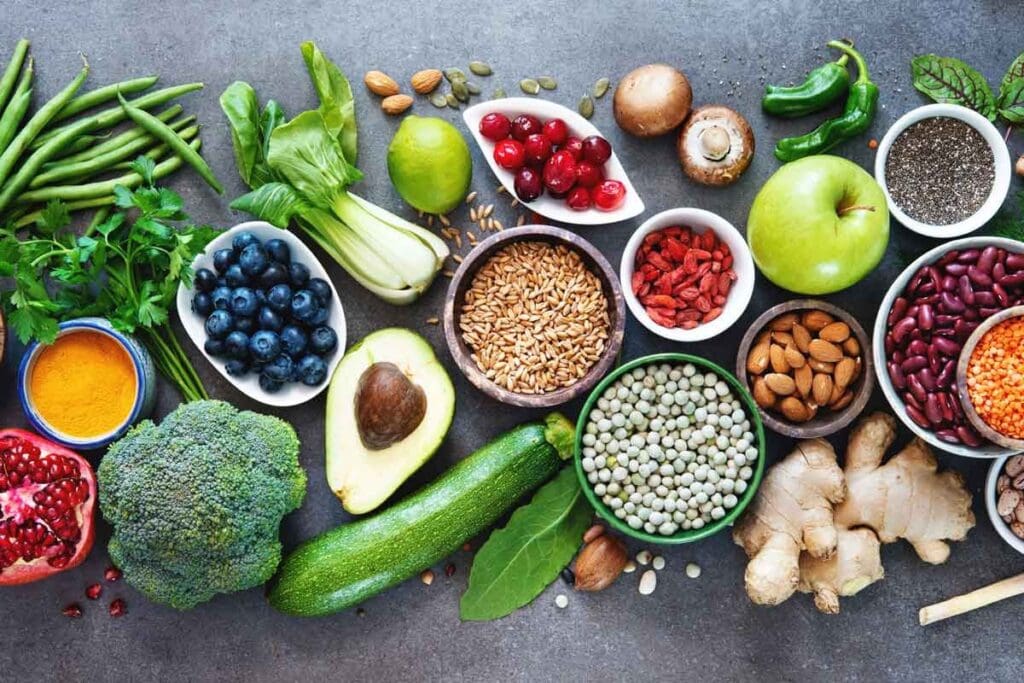
Folate is a key nutrient that supports many bodily functions. It’s vital for our health. We’ll look into its role, its natural and synthetic forms, and why it’s so important.
What Is Folate and Its Biological Role
Folate, or vitamin B9, is a water-soluble vitamin. It’s essential for DNA synthesis, repair, and methylation. It also helps in amino acid synthesis and metabolism. Folate supports growth, development, and keeps cells healthy.
The Generic Name of Folic Acid in Supplements
Folic acid is the synthetic form of folate found in supplements and fortified foods. It’s more stable and lasts longer than natural folate. Folic acid is often called folate, but technically, it’s the synthetic version.
Distinguishing Between Natural Folate and Synthetic Folic Acid
Natural folate is in foods like leafy greens, legumes, and fruits. Folic acid is in supplements and fortified foods. Both are good, but the body handles them differently. Knowing the difference helps in choosing the right diet and supplements.
| Characteristics | Natural Folate | Synthetic Folic Acid |
| Source | Leafy greens, legumes, fruits | Supplements, fortified foods |
| Stability | Less stable | More stable |
| Body Processing | Processed naturally | Converted to natural folate in the body |
The daily folate needs vary. Adults need 400 mcg, pregnant women 600 mcg, and breastfeeding women 500 mcg. Getting enough folate is key for health and avoiding deficiencies.
Critical Functions of Folate in the Body

Folate is key for many body functions, making it vital for health. It helps with DNA making, cell growth, and avoiding anemia.
DNA Synthesis and Cell Division Processes
Folate is needed for DNA making, which is key for cell growth and passing on genetic info. Without enough folate, cells can’t divide right, causing health problems.
Folate helps turn homocysteine into methionine, important for DNA making and fixing. This keeps cells healthy and stops disease-causing mutations.
Supporting Growth and Development
Folate is vital for growth, more so during fast cell division times like pregnancy and babyhood. It helps the fetus grow and makes red blood cells.
Prevention of Neural Tube Defects
Folate is famous for stopping neural tube defects (NTDs) in babies. NTDs happen when the brain and spinal cord tube doesn’t close right. Eating enough folate before and during pregnancy lowers NTD risk.
Blood Cell Formation and Anemia Prevention
Folate is key for making red blood cells, stopping anemia. Not enough folate can cause big, bad red blood cells.
| Function | Description | Health Impact |
| DNA Synthesis | Critical for cell division and genetic transmission | Prevents mutations and supports healthy cell growth |
| Prevention of Neural Tube Defects | Essential for fetal development during pregnancy | Reduces the risk of NTDs in newborns |
| Blood Cell Formation | Necessary for the production of red blood cells | Prevents anemia and supports overall health |
While folate is vital, too much (over 1000 mcg for adults) can hide vitamin B12 deficiency and cause nerve harm. So, it’s important to get folate right, through food and supplements if needed.
Recommended Daily Intake of Folate for Different Groups
Knowing how much folate you need is key to staying healthy. Folate is a vital nutrient. It helps avoid health problems caused by not getting enough.
Standard Requirements for Adults
Adults need 400 micrograms (mcg) of folate every day. This amount helps keep you healthy and prevents folate deficiency. The Centers for Disease Control and Prevention (CDC) says adults should get 400 mcg DFE of folic acid daily.
Increased Needs During Pregnancy
Pregnant women need more folate because it’s important for the baby’s growth. They should get 600 mcg DFE of folate daily. This helps prevent birth defects and keeps both mom and baby healthy.
Requirements for Breastfeeding Women
Breastfeeding moms need 500 mcg DFE of folate each day. This supports their health and helps the baby grow. Getting enough folate is important for the mom’s health and the baby’s nutrition through breast milk.
Age-Specific Folate Daily Requirements
How much folate you need changes as you get older. Kids and teens have different needs based on their age and growth stage. It’s important to make sure they get enough folate for their health and growth.
Here’s a list of the daily folate needs for different ages:
- Infants 0-6 months: 65 mcg DFE
- Infants 7-12 months: 80 mcg DFE
- Children 1-3 years: 150 mcg DFE
- Children 4-8 years: 200 mcg DFE
- Adults: 400 mcg DFE
- Pregnant women: 600 mcg DFE
- Breastfeeding women: 500 mcg DFE
Knowing these amounts helps make sure you get enough folate. This prevents health problems.
Understanding Folate Values and Dietary Reference Intakes
To get the right amount of folate, we must know how it’s measured and how much we should eat. Folate is key for our body’s functions like DNA making and cell growth. It also helps prevent serious birth defects.
How Folate Content Is Measured in Foods
Folate in foods is measured in micrograms (mcg) of dietary folate equivalents (DFEs). This way, we can compare folate from different sources. Foods like leafy greens have natural folate, while supplements and fortified foods have synthetic folic acid.
Dietary Folate Equivalents (DFEs) help standardize folate measurement. They consider both natural folate in foods and synthetic folic acid in supplements.
Dietary Folate Equivalents (DFEs) Explained
DFEs are key to meeting our folate needs. They account for how our body absorbs folate from natural and synthetic sources. For example, synthetic folic acid is easier for our body to absorb than natural folate.
“The use of dietary folate equivalents (DFEs) helps to more accurately estimate an individual’s folate intake, taking into account the different bioavailability of natural and synthetic folate.”
DRI Standards for Folate Across Life Stages
The Dietary Reference Intake (DRI) for folate changes with age. Adults need 400 mcg DFE daily. Pregnant women should get 600 mcg DFE, and breastfeeding women need 500 mcg DFE.
| Life Stage | Recommended Folate Intake (mcg DFE) |
| Adults | 400 |
| Pregnant Women | 600 |
| Breastfeeding Women | 500 |
Monitoring Your Folate Intake Effectively
To track folate intake, know the folate in your food and supplements. A food diary or nutrition app can help. Also, talking to a healthcare provider or dietitian can offer tailored advice.
By knowing about folate values and following dietary guidelines, we can meet our folate needs. This supports our health and well-being.
Health Risks Associated with Folate Imbalance
Keeping folate levels balanced is key for health. Too little or too much folate can cause problems. It helps with DNA, cell growth, and preventing anemia. But, too much or too little can harm us.
Signs and Consequences of Folate Deficiency
Folate deficiency shows up as fatigue, weakness, and brain issues. A big risk is megaloblastic anemia, where red blood cells are too big. Pregnant women are at high risk, as it can cause birth defects.
Common signs of folate deficiency include:
- Fatigue and weakness
- Pale skin
- Shortness of breath
- Numbness or tingling in the hands and feet
The Upper Limit (UL) for Folate
The safe daily limit for folate is 1000 mcg for adults. This is the highest amount that’s safe. Remember, this limit is for synthetic folic acid, not natural folate in food.
Dangers of Exceeding the UL for Folate
Taking too much folate can cause problems. High doses of folic acid can hide a vitamin B12 deficiency. This can lead to serious nerve damage. Also, too much folate can make some medicines less effective.
How Excess Folate Can Mask Vitamin B12 Deficiency
Folate and vitamin B12 work together for red blood cells and nerves. Too much folate can fix anemia from B12 deficiency but won’t fix nerve damage. This can delay finding and treating B12 deficiency, leading to permanent nerve damage.
In summary, folate is important but its imbalance can be harmful. Knowing the signs of deficiency, the safe limit, and dangers of too much is key. This helps keep folate levels right and supports health.
Folate Supplementation: Dosage and Guidelines
Many people need folate supplements to get enough folate, as food alone might not be enough. Supplements come in doses from 400 to 800 mcg.
Common Folate Supplement Doses (400-800 mcg)
Adults usually take 400 to 800 mcg of folate supplements. This is to keep folate levels up or to fix a deficiency. The right dose depends on age, if you’re pregnant, and your health.
When Supplementation Becomes Necessary
You might need folate supplements if you’re pregnant, breastfeeding, have a health issue, or a folate deficiency. Always talk to a doctor to see if you need supplements and how much.
Prenatal Folate Supplementation Protocols
It’s key to take folate supplements during pregnancy to prevent birth defects. The dose is about 600 mcg. Doctors suggest starting supplements a month before you plan to get pregnant.
Choosing Between Different Forms of Folate Supplements
Folate supplements come in folic acid, L-methylfolate, and folinic acid. Each type works differently in the body. L-methylfolate is good for people with certain genetic issues.
| Form of Folate | Bioavailability | Primary Use |
| Folic Acid | High | Prevention of Neural Tube Defects |
| L-Methylfolate | High | Addressing Folate Deficiency, specially for those with certain genetic variations |
| Folinic Acid | Moderate | Used in specific medical treatments, such as rescue therapy after high-dose methotrexate |
Some foods, like enriched bread and pasta, have folic acid added. Eating these foods, along with natural folate sources, helps meet daily needs.
Foods High in Folate: A Complete List
Eating a balanced diet with folate-rich foods can greatly improve your health. Folate, a key B vitamin, is found in many natural foods. These foods are not only good for you but also tasty and versatile.
Leafy Green Vegetables
Leafy green veggies are packed with folate. Spinach, kale, and arugula are not just folate sources but also full of vitamins and minerals. Adding these greens to salads, smoothies, or sautéed dishes can increase your folate intake.
Legumes and Beans
Legumes and beans are also great for folate. Lentils, chickpeas, and black beans are folate-rich and can be used in many dishes. They’re also high in fiber and protein, making them a healthy choice for any meal.
Fruits Rich in Folate
While not as high in folate as some other foods, some fruits are good sources. Avocados, oranges, and strawberries have folate. Eating these fruits as part of a balanced diet can support your health and folate needs.
Nuts, Seeds, and Other Natural Folate Sources
Nuts and seeds, like almonds and sunflower seeds, have folate, but in smaller amounts. They’re valuable in a diverse diet. Also, fortified cereals and whole grains can add to your folate intake, which is important for those needing more of this vitamin.
On the other hand, foods low in folate include refined grains and processed snacks. Cutting down on these can help keep your diet balanced and support your nutritional goals.
Foods Low in Folate and Strategic Diet Planning
Finding out which foods have little folate is key to a good diet plan. Folate is vital, and not getting enough can cause health problems. This includes anemia and issues with the brain in newborns. Knowing which foods lack folate helps make better food choices.
Common Foods with Minimal Folate Content
Many everyday foods have little folate. These include:
- Dairy products like milk and cheese
- Certain types of meat, such as pork and chicken, if not organ meats
- Processed foods, which often have minimal nutritional value
It’s important to remember that some of these foods might have folic acid added. This is the man-made version of folate.
Refined Grains and Processed Foods
Refined grains and processed foods usually have little folate. Making grains refined often takes away nutrients, leaving mostly empty calories. Examples include:
- White bread
- Refined pasta
- Processed snacks
Even though these foods don’t have much folate, some are made healthier with folic acid. This is part of food enrichment programs.
List of Foods Containing Added Folic Acid
Many foods are made healthier by adding folic acid. Common examples include:
- Fortified cereals
- Enriched bread and pasta
- Some energy bars and nutritional supplements
These foods can help a lot with folate intake. This is important for people who might not get enough folate.
Balancing Your Diet for Optimal Folate Intake
To get enough folate, mix natural folate-rich foods with fortified ones. Here are some tips:
- Eat a variety of folate-rich foods like leafy greens, legumes, and citrus fruits.
- Choose fortified cereals and enriched grains.
- Pay attention to your diet to make sure you get enough folate.
Knowing about folate in different foods helps make better choices. This way, you can keep your folate levels right and stay healthy.
Conclusion: Practical Steps for Optimizing Your Folate Intake
Knowing about folate forms and how well our body uses them is key. It helps us make better choices about folate. Eating right and sometimes taking supplements can greatly improve our health.
Folate is vital for our body’s functions like making DNA and preventing birth defects. To get enough folate, eat foods like leafy greens, beans, and fruits. Pregnant women might need supplements too.
The amount of folate we need varies by country. For example, the U.K. suggests 300 µg/day for pregnant women, while Mexico recommends 750 µg/day. Always talk to a doctor to find out what’s best for you.
By following these steps and knowing about folate’s benefits, we can keep our folate levels right. For more details, check out the study on the National Center for Biotechnology Information.
FAQ
What is the recommended daily intake of folate for adults?
Adults need 400 mcg of folate every day. This is key for health and avoiding deficiency.
How much folate do pregnant women need?
Pregnant women should get 600 mcg of folate daily. Folate is vital to prevent birth defects.
What is the difference between natural folate and synthetic folic acid?
Natural folate is in foods like greens and legumes. Synthetic folic acid is in supplements and fortified foods. We talk about their differences and uses.
What are the signs of folate deficiency?
Signs include fatigue, weakness, and neurological issues. We explain the signs and why it’s important to address it.
Can exceeding the upper limit for folate intake be harmful?
Yes, too much folate, over 1000 mcg, can be harmful. It might hide vitamin B12 deficiency. We discuss the risks of too much folate.
What foods are high in folate?
Foods rich in folate include leafy greens, legumes, avocados, oranges, and nuts. We list many natural folate sources.
How is folate content measured in foods?
Folate in foods is measured in Dietary Folate Equivalents (DFEs). DFEs consider natural and synthetic folate’s bioavailability. We explain DFEs and their importance.
When is folate supplementation necessary?
Supplementation is needed for those at high risk, like pregnant women, and those with certain health issues. We cover common dosages and guidelines.
What are the benefits of folate for overall health?
Folate aids in DNA synthesis, cell growth, and prevents anemia and birth defects. We discuss folate’s role in health.
How can I balance my diet to achieve optimal folate intake?
Eat a variety of folate-rich foods and avoid low-folate ones. Consider supplements when needed. We offer tips for a balanced diet.
References:
- NHS. (2025). Vitamin B12 or folate deficiency anaemia – Treatment. Retrieved from
https://www.nhs.uk/conditions/vitamin-b12-or-folate-deficiency-anaemia/treatment