Getting a follicular thyroid cancer diagnosis can be scary. But, patients have many effective treatment options and caring doctors. At Liv Hospital, top specialists provide the latest and most personalized follicular cancer treatment. They help guide patients every step of the way.
The path to beating thyroid cancer often includes surgery, radioactive iodine, hormone therapy, and targeted treatments. It’s key for patients to know about these treatment choices. This knowledge helps them make the best decisions for their health.
Key Takeaways
- Personalized care for follicular thyroid cancer patients
- Cutting-edge treatment options, including surgery and targeted therapy
- Internationally recognized specialists guiding patients through treatment
- Combination therapy approaches for optimal outcomes
- Importance of understanding treatment options for informed decision-making
Understanding Follicular Thyroid Cancer
To understand follicular thyroid cancer, we need to know where it comes from, its risk factors, and its symptoms. This cancer starts in the thyroid gland’s follicular cells. These cells help make thyroid hormones.
What is Follicular Thyroid Carcinoma?
Follicular thyroid carcinoma begins in the thyroid gland’s follicular cells. These cells are key in making thyroid hormones. It’s different from other thyroid cancers, like papillary thyroid carcinoma. It can spread through the blood to other parts of the body.
Key characteristics of follicular thyroid carcinoma include:
- Origin in follicular cells
- Potential for vascular invasion
- Distant metastasis
Risk Factors and Prevalence
There are several risk factors for follicular thyroid cancer. These include radiation exposure, mainly in childhood, and a family history of thyroid cancer. Women are also more likely to get this cancer than men.
| Risk Factor | Description |
| Radiation Exposure | Exposure to ionizing radiation, mainly in childhood, raises the risk. |
| Family History | A family history of thyroid cancer increases an individual’s risk. |
| Gender | Women are more likely to develop follicular thyroid cancer than men. |
Signs and Symptoms
The signs of follicular thyroid cancer can be hard to spot early. They might include a lump in the neck, hoarseness, trouble swallowing, and neck pain.
Common signs and symptoms include:
- A noticeable lump or nodule in the neck
- Hoarseness or changes in voice
- Difficulty swallowing
- Neck or throat pain
Diagnosis and Staging of Follicular Thyroid Cancer
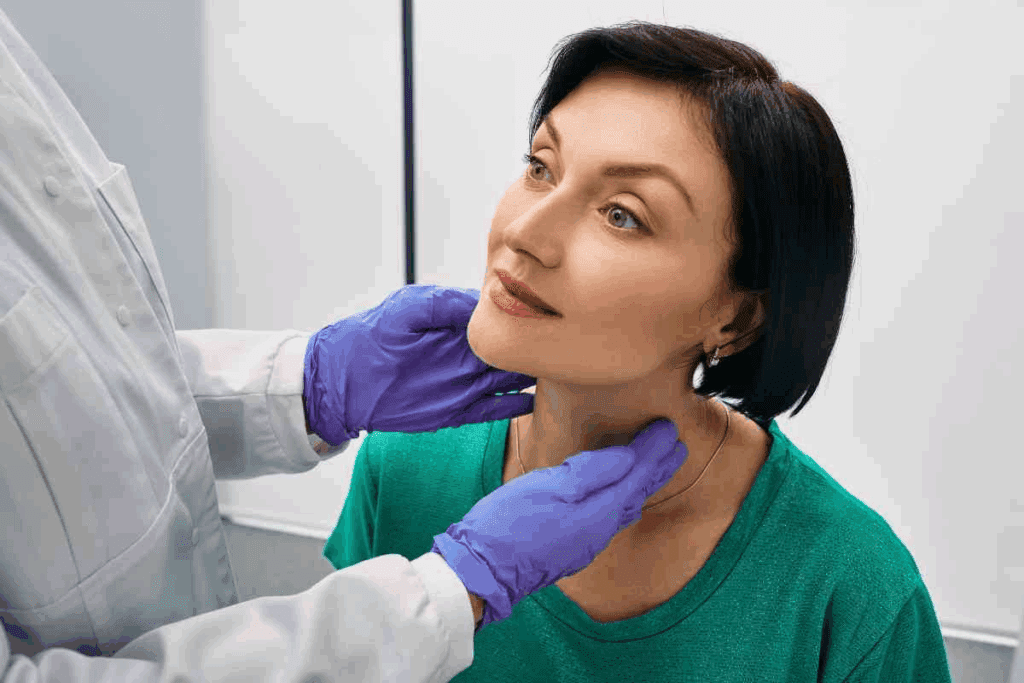
To diagnose follicular thyroid cancer, doctors use physical exams, imaging tests, and biopsies. These steps are key to finding out if you have the disease and how far it has spread.
Diagnostic Procedures
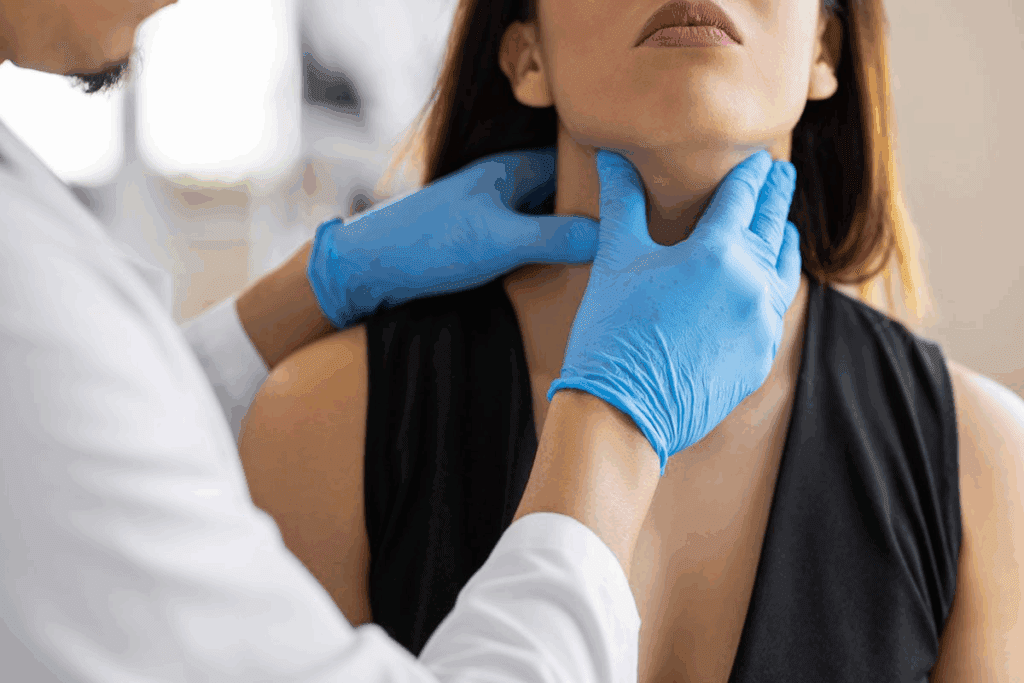
First, a doctor will do a physical exam to look for any thyroid gland issues. Imaging tests like ultrasound are then used to check the thyroid gland. They help find any nodules or tumors.
Next, a fine-needle aspiration biopsy (FNAB) is done. This involves using a thin needle to take a sample of cells from the nodule. The cells are then checked under a microscope for cancer.
Follicular Neoplasm Assessment
Checking if a neoplasm is follicular is a big part of diagnosing follicular thyroid cancer. During the FNAB, cells are looked at to see if they are cancerous. But, it’s hard to tell if a follicular adenoma is benign or cancerous just by looking at cells.
If the FNAB results are not clear, more tests might be needed. This could include genetic tests to find specific mutations linked to follicular thyroid cancer.
Staging System and Prognosis
After diagnosing follicular thyroid cancer, the disease is staged. This depends on the tumor size, if it has spread to lymph nodes, and if it has gone to distant parts of the body. The stage helps predict how well you’ll do and what treatment you’ll need.
The outlook for follicular thyroid cancer is usually good, thanks to early detection and treatment. Most people have a high chance of survival with the right care.
Surgical Intervention: The Primary Follicular Cancer Treatment
The treatment of follicular thyroid cancer often starts with surgery. This is a key step that can greatly affect patient outcomes. Surgery is the main treatment for follicular thyroid cancer. It offers various options based on the patient’s condition.
Total Thyroidectomy vs. Lobectomy
The choice between total thyroidectomy and lobectomy depends on the cancer’s extent and the patient’s health. Total thyroidectomy removes the whole thyroid gland. It’s often chosen for larger tumors or cancer in both lobes.
Lobectomy removes only the affected lobe. It’s for patients with smaller tumors in one lobe and no cancer in lymph nodes.
“The decision between total thyroidectomy and lobectomy should be made based on the individual patient’s risk factors and the characteristics of the tumor.”
Lymph Node Dissection
In cases of cancer spread to lymph nodes, lymph node dissection may be needed. This involves removing affected lymph nodes to stop cancer spread.
- Lymph node dissection is usually done during the first surgery.
- The extent of dissection depends on cancer spread.
Recovery and Possible Complications
Surgery is generally safe, but there are risks. These include hypothyroidism, hypoparathyroidism, and nerve injury. Proper care and follow-up are key to reduce these risks.
Experts say, “Knowing about possible complications and recovery is vital for patients having surgery for follicular thyroid cancer.”
Radioactive Iodine (RAI) Therapy
After surgery, radioactive iodine therapy is used to kill any leftover thyroid tissue or cancer cells. This treatment is key for patients with follicular thyroid cancer. It lowers the chance of cancer coming back or spreading.
How RAI Works Against Follicular Carcinoma
RAI therapy uses radioactive iodine (I-131). This iodine is taken up by thyroid cells, including cancer cells. The iodine then emits beta radiation, killing the thyroid tissue and cancer cells.
Patient Preparation and Procedure
To make RAI therapy work best, patients eat a low-iodine diet before treatment. This diet helps the iodine find and destroy thyroid tissue or cancer cells. Patients also might stop taking some medicines that could mess with the treatment.
The treatment is given orally, as a capsule or liquid. The amount of radioactive iodine given depends on the patient’s health and how far the disease has spread.
Side Effects and Precautions
RAI therapy is usually safe but can cause side effects. These include neck tenderness, dry mouth, and changes in taste. Rarely, it might cause serious problems like inflammation of the salivary glands or bone marrow suppression.
| Side Effects | Precautions |
| Neck tenderness | Stay hydrated to help flush out radioactive iodine |
| Dry mouth | Use saliva substitutes or sugar-free gum |
| Changes in taste | Avoid strong-smelling or tasting foods |
It’s important for patients to follow their healthcare team’s post-treatment advice. This helps avoid side effects and makes sure the treatment works well.
Thyroid Hormone Therapy
Thyroid hormone therapy is key in treating follicular thyroid cancer. It helps replace and suppress hormones. After removing the thyroid, the body can’t make these hormones anymore. So, patients need hormone therapy for life.
TSH Suppression Therapy
The main goal of thyroid hormone therapy is to lower TSH production. TSH suppression is vital because TSH can make cancer cells grow. By giving thyroid hormones, like levothyroxine (T4), the risk of cancer coming back is lessened.
Hormone Replacement After Thyroidectomy
Thyroid hormone therapy also replaces the hormones the thyroid gland makes. After removing the thyroid, patients can’t make these hormones. So, they need supplements to keep their metabolism normal. The right dose depends on the surgery, any leftover thyroid tissue, and the patient’s health.
Monitoring and Adjusting Medication
Keeping an eye on thyroid hormone therapy is important. Regular blood tests check TSH and FT4 levels. This lets doctors adjust the medication to keep it effective and safe.
Targeted Therapies for Advanced Follicular Thyroid Cancer
For those with advanced follicular thyroid cancer, targeted therapies offer hope. They are great for patients whose cancer doesn’t respond to radioactive iodine (RAI) or has grown too much.
Tyrosine Kinase Inhibitors (Lenvatinib and Sorafenib)
Tyrosine kinase inhibitors (TKIs) are a new hope for treating advanced follicular thyroid cancer. Lenvatinib and sorafenib are two TKIs approved for certain thyroid cancers.
Lenvatinib has been shown to help patients with advanced RAI-refractory differentiated thyroid cancer live longer without their cancer getting worse. Sorafenib also helps slow down cancer growth.
Mechanism of Action
TKIs block tyrosine kinases, enzymes key to cell growth and survival. In cancer, these pathways are often broken. By stopping tyrosine kinases, TKIs slow or stop cancer cell growth.
Eligibility Criteria and Expected Outcomes
TKI therapy is for patients with advanced or spread-out follicular thyroid cancer that doesn’t respond to RAI. The results can vary based on the patient and the TKI used.
| TKI | Primary Outcome | Common Side Effects |
| Lenvatinib | Improved progression-free survival | Hypertension, fatigue, diarrhea |
| Sorafenib | Slowed disease progression | Rash, hand-foot syndrome, fatigue |
Knowing the good and bad of TKIs helps patients choose the best treatment for them.
Emerging Immunotherapies and Clinical Trials
New treatments like checkpoint inhibitors are being tested for follicular thyroid cancer. Immunotherapy is a promising area in cancer research. It offers hope for better treatment options, even for advanced cases.
Checkpoint Inhibitors
Checkpoint inhibitors help the immune system fight cancer better. They are being studied in clinical trials for follicular thyroid cancer. This is to see how well they work and if they are safe.
Key benefits of checkpoint inhibitors include:
- Potential for durable responses
- Ability to target advanced or metastatic disease
- Ongoing research into combination regimens
Combination Therapies
Researchers are looking into combining different treatments for better results. For follicular thyroid cancer, mixing checkpoint inhibitors with other therapies might work better together.
| Therapy Combination | Potential Benefits |
| Checkpoint Inhibitors + Targeted Therapies | Enhanced anti-tumor activity |
| Immunotherapy + Radioactive Iodine | Increased effectiveness against thyroid cancer cells |
Accessing Clinical Trials
Patients with advanced follicular thyroid cancer might find new treatments in clinical trials. It’s important to talk to a doctor about if you qualify and what benefits you might get.
Clinical trials are key to improving treatments for follicular thyroid cancer.
Non-Surgical Approaches for Small Tumors
For those with small follicular thyroid tumors, non-surgical treatments are now options. These methods aim to manage the tumor without surgery. They offer patients other ways to handle their condition.
Active Surveillance Protocols
Active surveillance means watching the tumor closely for any changes. It’s good for small, low-risk tumors. Ultrasound and biopsies help track the tumor’s size and type.
Key components of active surveillance include:
- Regular monitoring with ultrasound
- Periodic fine-needle aspiration biopsies
- Assessment of tumor characteristics
Active surveillance can help avoid or delay surgery. This reduces surgery risks.
Thermal Ablation Techniques
Thermal ablation, like radiofrequency ablation (RFA), is a new treatment for small thyroid tumors. It uses heat to kill cancer cells.
How thermal ablation works:
- Insertion of a thin needle into the tumor under ultrasound guidance
- Application of heat to destroy cancer cells
- Minimally invasive procedure with fewer side effects compared to surgery
Curing Thyroid Cancer Without Surgery: Possibilities and Limitations
Non-surgical treatments are promising but depend on the tumor’s size, location, and type. A detailed evaluation is needed to choose the best treatment.
| Treatment Approach | Advantages | Limitations |
| Active Surveillance | Avoids immediate surgery, reduces risk of complications | Requires regular monitoring, tumor could grow |
| Thermal Ablation | Minimally invasive, fewer side effects | Limited to small tumors, might not kill all cells |
It’s important to know the pros and cons of these non-surgical methods. This helps in making informed decisions about thyroid cancer treatment.
Management of Stage 1 Thyroid Cancer
Managing Stage 1 thyroid cancer involves several steps. These include surgery and sometimes radioactive iodine therapy. It’s important for patients to know about these treatments to make good choices.
Treatment Protocols for Early-Stage Disease
Surgery is usually the main treatment for Stage 1 thyroid cancer. Doctors might choose to remove the whole thyroid gland or just the affected part. Radioactive iodine (RAI) therapy might be used after surgery to get rid of any leftover cancer cells.
Deciding between removing the whole thyroid or just one part depends on the tumor’s size and location. It also depends on if cancer has spread to lymph nodes. A total thyroidectomy means removing the whole gland. A lobectomy means removing just the affected lobe.
Survival Rates and Outcomes
The outlook for Stage 1 thyroid cancer is very good. The American Cancer Society says the 5-year survival rate is over 98% for localized disease. Survival rates can be affected by the patient’s age, the cancer’s type, and how well the treatment works.
Follow-Up Care
Follow-up care is key after treatment. It helps catch any signs of cancer coming back and deals with treatment side effects. This includes regular doctor visits, thyroid function tests, and sometimes ultrasound scans.
Following up as recommended is important for long-term health. It helps patients with Stage 1 thyroid cancer stay well.
Personalized Treatment Strategies
The way we treat follicular thyroid cancer has changed a lot. Now, we tailor treatments to each patient’s needs. This makes care more effective.
Risk Stratification Approaches
Risk stratification is key in picking the right treatment for follicular thyroid cancer. Doctors look at tumor size, patient age, and if cancer has spread. This helps sort patients into risk groups.
Doctors then choose how aggressive the treatment should be. Low-risk patients might get less treatment, while high-risk ones need more.
Key factors in risk stratification include:
- Tumor size and characteristics
- Patient’s age and overall health
- Presence of lymph node metastasis
- Genetic mutations such as RAS and BRAF
Molecular Testing and Targeted Treatment
Molecular testing is vital in finding genetic changes in follicular thyroid cancer. Next-generation sequencing can spot mutations for targeted therapies. For example, tyrosine kinase inhibitors work well on cancers with specific genetic profiles.
Multidisciplinary Team Approach
A team of experts is needed for personalized treatment of follicular thyroid cancer. This team includes endocrinologists, surgeons, oncologists, and more. They work together to create a treatment plan that covers all aspects of the patient’s care.
The benefits of a team approach are:
- Coordinated care across different specialties
- Improved decision-making through collective expertise
- Enhanced patient outcomes due to tailored treatment plans
Managing Treatment Side Effects and Quality of Life
It’s key to manage side effects from follicular thyroid cancer treatment. This helps patients keep up with daily life and feel good. Follicular thyroid cancer treatment can cause side effects like hypothyroidism, voice changes, and emotional issues.
Common Side Effects and Their Management
Patients with follicular thyroid cancer may face many side effects. Hypothyroidism, where the thyroid doesn’t make enough hormone, is common. It’s often treated with hormone replacement.
Other issues include voice changes from surgery and emotional problems like anxiety or depression. Managing these side effects is vital for a good quality of life.
| Side Effect | Management Strategy |
| Hypothyroidism | Thyroid hormone replacement therapy |
| Voice Changes | Voice therapy, avoiding loud talking |
| Emotional Distress | Counseling, support groups |
Nutritional Considerations
Eating right is important for patients with follicular thyroid cancer. A balanced diet can lessen side effects. They should eat lots of fruits, veggies, and whole grains.
Drinking plenty of water and watching iodine intake are also key. Nutritional counseling offers personalized diet advice based on the patient’s needs.
Psychological Support During Treatment
The mental impact of follicular thyroid cancer treatment is significant. Patients can benefit from psychological support like counseling and support groups. These help deal with emotional challenges.
Seeing mental health experts who know about cancer can help. Family support is also vital for recovery and well-being.
Conclusion: The Future of Follicular Thyroid Cancer Treatment
The treatment for follicular thyroid cancer is changing fast. This is thanks to new surgery methods, radioactive iodine therapy, and targeted and immunotherapies.
New ways to treat follicular thyroid carcinoma are being found. These new methods aim to improve patient outcomes and quality of life.
Research is showing promise for follicular thyroid cancer treatment. Studies are looking into new therapies and how to mix them. Molecular testing and personalized medicine are becoming more common. This means treatments can be more tailored to each patient.
The medical field is ready to make big improvements in treating follicular thyroid cancer. This will lead to better care and outcomes for patients. The future looks bright with more effective treatments coming.
FAQ
What is the primary treatment for follicular thyroid cancer?
Surgery is often the first step for follicular thyroid cancer. The choice between total thyroidectomy and lobectomy depends on the cancer’s extent and the patient’s health.
What is Radioactive Iodine (RAI) therapy, and how is it used in follicular thyroid cancer treatment?
RAI therapy is key in treating follicular thyroid cancer. It uses radioactive iodine to destroy thyroid tissue, including cancer cells.
What is the role of thyroid hormone therapy in managing follicular thyroid cancer?
Thyroid hormone therapy is vital for patients after thyroidectomy. It replaces thyroid hormones and helps control TSH, which can grow cancer cells.
Are there non-surgical approaches for treating small follicular thyroid tumors?
Yes, small, low-risk follicular thyroid tumors can be treated without surgery. Options include active surveillance and thermal ablation techniques.
What are targeted therapies, and how are they used in advanced follicular thyroid cancer?
Targeted therapies block cancer cell growth and survival pathways. They are a promising option for advanced follicular thyroid cancer.
How is stage 1 thyroid cancer typically treated, and what are the survival rates?
Stage 1 thyroid cancer is often treatable with surgery. Understanding treatment, survival rates, and follow-up care is important for patients.
What is personalized treatment strategy in managing follicular thyroid cancer?
Personalized treatment involves risk stratification and molecular testing. It helps identify patients for targeted therapy.
How can patients manage the side effects of follicular thyroid cancer treatment?
Managing treatment side effects and quality of life is key. Understanding side effects, nutrition, and psychological support helps patients cope.
What is the future of follicular thyroid cancer treatment?
Follicular thyroid cancer treatment is improving. Ongoing research offers hope for better outcomes and quality of life.
Can follicular thyroid cancer be cured without surgery?
Non-surgical approaches may work for small, low-risk tumors. But surgery is the main treatment for most follicular thyroid cancer.
What is the management of follicular neoplasm of the thyroid?
Management includes diagnostic procedures like fine-needle aspiration biopsy. Treatment is based on the diagnosis and staging.
What are the treatments available for carcinoma thyroid?
Treatments include surgery, radioactive iodine therapy, hormone therapy, and targeted therapies. The choice depends on the cancer type and stage.
References
- Jairath, A., & Kaur, M. (2021). Management of Anal Fistula: A Review of Advances and Surgical Techniques. International Journal of Surgery, 87, 105932. https://www.sciencedirect.com/science/article/abs/pii/S1743919121002933
- Garg, P. (2018). Anal Fistula: What Do We Know? World Journal of Gastroenterology, 24(46), 5201-5212. https://www.ncbi.nlm.nih.gov/pmc/articles/PMC6289547/