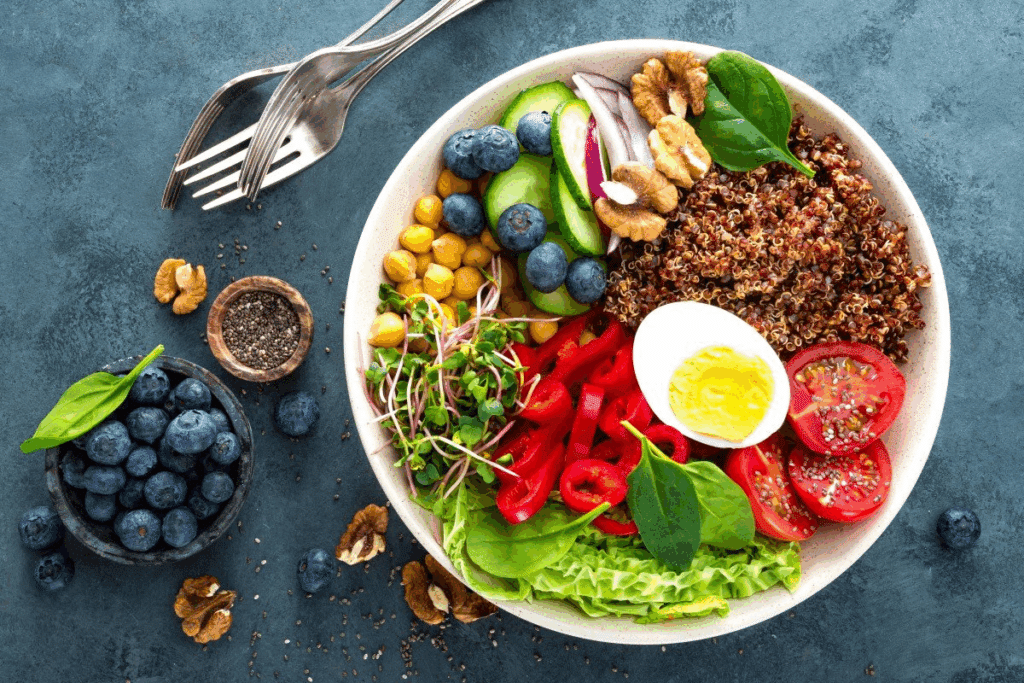
Recent studies show that diet is key to mental wellness. It’s a powerful tool against depression and anxiety. At Liv Hospital, we see how important good nutrition is for mental health.
Research shows that the right foods can really help with depression. This highlights the role of diet in managing mental health. Learn the link between ‘food and depression.’ Our simple guide reveals 7 of the best, most powerful, and amazing foods to boost your mood.
We’re on the verge of a big discovery in fighting depression and anxiety with food. By choosing the right foods, people can take charge of their mental health. This guide will show you the best foods to fight depression and anxiety. It’s a great resource for improving mental wellness through what you eat.
Key Takeaways
- Diet plays a significant role in managing depression and anxiety.
- Nutritional interventions can meaningfully improve depressive symptoms.
- Strategic nutrition choices are key for mental health management.
- Certain foods can help combat depression and anxiety.
- A proactive approach to mental health can be achieved through dietary changes.
The Link Between Food and Depression: What Science Reveals

Research in nutritional psychiatry is uncovering how our food choices affect our mental health. It shows that diet is key in fighting and managing depression. This opens up new ways to treat it.
How Dietary Patterns Affect Mental Health
Our diet greatly impacts our mental health. Eating healthy, like the Mediterranean diet, can lower depression risk. These diets are full of fruits, veggies, whole grains, and healthy fats. They’re good for our brain health.
The main parts of these diets are:
- High fruits and veggies
- Whole grains for carbs
- Lean proteins and healthy fats
- Less processed and sugary foods
Eating this way can help lower depression risk and boost our mental health.
The Gut-Brain Axis: Your Second Brain
The gut-brain axis connects our gut and brain. It’s shown that our gut microbiome makes neurotransmitters like serotonin and dopamine. These control our mood and emotions.
“The gut is often called our ‘second brain’ because it makes many neurotransmitters. It affects our mood, appetite, and mental health.”
A healthy gut is vital for a balanced mind. Diet, stress, and lifestyle can change our gut microbiome. This shows why eating well is key for mental health.
To keep our gut-brain axis healthy, we need to eat foods rich in fiber and nutrients. Foods like fermented veggies, whole grains, and fruits are great for our gut.
Fatty Fish: Omega-3 Powerhouses for Brain Health

Fatty fish are known for their omega-3 fatty acids. These acids are key for brain health. They help reduce depression and anxiety symptoms.
How Omega-3s Combat Depression and Anxiety
Omega-3 fatty acids help the brain by reducing inflammation. They also support brain cell structure and function. Studies show omega-3s can lessen depression and anxiety symptoms.
Omega-3s have anti-inflammatory properties. This is good because inflammation is linked to mental health issues. Eating foods rich in omega-3s can help prevent these problems.
Best Fish Sources: Salmon, Mackerel, and Sardines
Some fish are better than others for omega-3s. Salmon, mackerel, and sardines are top picks. They’re full of EPA and DHA and also have vitamin D.
- Salmon: Rich in vitamin D and omega-3s, salmon is a versatile choice for both grilled and baked dishes.
- Mackerel: With its high omega-3 content, mackerel is an excellent option for those looking to diversify their fish intake.
- Sardines: These small, oily fish are packed with nutrients and can be easily added to salads or eaten straight from the can.
Recommended Intake for Mental Health Benefits
To get mental health benefits from fatty fish, eat them often. It’s recommended to have at least two servings a week. A serving is about 3.5 ounces or 100 grams.
Eating different types of fatty fish ensures you get all the omega-3s and nutrients. If you don’t eat enough, supplements can help. But, always talk to a doctor before starting supplements.
Dark Leafy Greens: Folate-Rich Mood Boosters
Dark leafy greens are not just good for you; they also help improve your mood. This is because they are full of folate, a B vitamin. Folate is key for mental health, and not having enough can make you feel sad.
Folate Deficiency and Depression Link
Studies have found a strong connection between not having enough folate and feeling depressed. Folate helps make serotonin, which is important for feeling good. If you don’t have enough folate, you might not have enough serotonin, which can make you feel worse.
Key Statistics:
- Folate deficiency is common among individuals with depression.
- Supplementation with folate has been shown to improve depressive symptoms in some patients.
- Dietary sources of folate, such as dark leafy greens, are key for keeping folate levels up.
Top Greens for Mental Wellness
Spinach, kale, and Swiss chard are some of the best dark leafy greens for your mental health. They are not only full of folate but also other nutrients that are good for your mind.
Adding these greens to your meals can be easy and tasty. Here are some ideas:
- Add spinach to your morning smoothie.
- Use kale in salads or sauté it as a side dish.
- Incorporate Swiss chard into soups or stews.
Simple Ways to Incorporate More Greens
Adding dark leafy greens to your diet for depression is easy. Just start by adding a serving of greens to your meals every day. You can also try new recipes to keep things interesting.
Meal Ideas:
- Spinach and feta omelette for breakfast.
- Kale and quinoa salad for lunch.
- Swiss chard and vegetable stir-fry for dinner.
By making these small changes, you can enjoy the mood-boosting effects of dark leafy greens. This can help support your mental health.
Fermented Foods: Probiotic Support for Your Gut and Mind
Probiotics in fermented foods are key for managing depression and anxiety. They help produce serotonin, a brain chemical that controls mood.
The Microbiome-Depression Connection
Research links the gut microbiome to mental health. The gut-brain axis connects our brain to our gut. Probiotics are vital for this connection.
People with depression often have an unbalanced gut microbiota. Eating probiotic-rich foods can help balance it and ease depression symptoms.
Yogurt, Kefir, Kimchi, and Sauerkraut Benefits
Foods like yogurt, kefir, kimchi, and sauerkraut are full of probiotics. They boost gut health and strengthen our immune system. They might also improve our mental health.
- Yogurt: It has live cultures that improve gut health and may reduce depression symptoms.
- Kefir: A fermented milk product with more beneficial bacteria than yogurt, it offers better probiotic benefits.
- Kimchi: A Korean dish rich in vitamins, minerals, and probiotics, it can lower inflammation.
- Sauerkraut: Fermented cabbage high in probiotics, vitamins, and minerals, it supports gut and mental health.
Building a Probiotic-Rich Diet
Adding fermented foods to your diet is easy and tasty. Try yogurt or kefir for breakfast, or kimchi as a side dish. Sauerkraut is great on salads or as a side.
Eating a variety of fermented foods regularly is key. It boosts gut health and mental wellbeing.
Understanding the link between fermented foods and mental health helps us manage depression and anxiety through diet.
Nuts and Seeds: Brain-Boosting Healthy Fats
Eating nuts and seeds can be tasty and good for your brain. They are full of healthy fats, magnesium, and other nutrients. These help keep your mind healthy and can help with depression.
Walnuts, Flaxseeds, and Chia Seeds for Omega-3s
Walnuts, flaxseeds, and chia seeds are great because they have lots of omega-3s. Omega-3s are good for your brain and can help with depression. Walnuts, for example, have a lot of alpha-linolenic acid (ALA), an omega-3.
Flaxseeds and chia seeds are also full of ALA. You can add ground flaxseed to your cereal or chia seeds to smoothies. It’s easy to get these into your diet.
Magnesium-Rich Options for Anxiety Relief
Magnesium is important for your brain and mood. Many people don’t get enough magnesium, which can make anxiety and depression worse. Almonds, cashews, and pumpkin seeds are all good sources of magnesium.
Almonds are not only full of magnesium but also healthy fats and protein. They make a great snack. Cashews are another good choice for magnesium and can be eaten as a snack or used in cooking.
Smart Snacking for Mood Stability
Eating nuts and seeds can help keep your mood stable. They have healthy fats, protein, and fiber. This keeps you full and stops blood sugar spikes that can mess with your mood.
Choose unsalted and unsweetened nuts and seeds for the best benefits. Here’s a simple table to help you get started with some of the best options:
Nut/Seed | Key Nutrient | Benefit |
Walnuts | Omega-3s | Brain Health |
Almonds | Magnesium | Anxiety Relief |
Chia Seeds | Omega-3s, Fiber | Mood Stability |
Pumpkin Seeds | Magnesium, Zinc | Mood Support |
Adding different nuts and seeds to your diet can be very beneficial for your mental health. You can snack on them or add them to your meals. They are both tasty and nutritious.
Whole Grains: Steady Energy for Emotional Balance
Whole grains are key for emotional health. They give us steady energy and support our brain. They are packed with complex carbs, fiber, and nutrients that help keep our emotions balanced.
Complex Carbohydrates and Serotonin Production
Complex carbs in whole grains help make serotonin, a mood regulator. When we eat these carbs, they turn into glucose. This glucose fuels our brain to make serotonin. More serotonin can ease depression and anxiety symptoms.
Grains like brown rice, quinoa, and whole wheat bread are full of complex carbs. They keep our blood sugar stable, which is vital for emotional health. Eating a variety of whole grains can boost mental health by keeping serotonin levels steady.
Best Grain Choices for Mental Health
Not all whole grains are the same for mental health. Here are some top picks:
- Oats: High in fiber, they help stabilize mood.
- Quinoa: It’s a complete protein that’s good for brain health.
- Brown Rice: It’s rich in manganese, which helps with mood.
- Whole Wheat: It has folate, which supports mood.
Grain | Nutritional Benefits | Mental Health Benefits |
Oats | High in Fiber | Mood Stabilization |
Quinoa | Complete Protein | Overall Brain Health |
Brown Rice | Rich in Manganese | Mood Regulation |
Whole Wheat | High in Folate | Mood Support |
Avoiding the Blood Sugar Roller Coaster
Whole grains help keep blood sugar stable. Refined grains can cause blood sugar spikes and crashes. Choosing whole grains over refined ones can prevent these mood swings and energy crashes, helping emotional balance and mental health.
Adding a variety of whole grains to your diet supports mental health and emotional well-being. The goal is a balanced diet with whole grains and other nutrient-rich foods.
Berries and Colorful Fruits: Antioxidant Protection
Berries and fruits are full of antioxidants. They help protect our mental health by fighting oxidative stress in the brain. Oxidative stress happens when free radicals outnumber antioxidants, causing cell damage. This imbalance is linked to mental health issues, including depression.
Fighting Oxidative Stress in the Brain
Oxidative stress in the brain can harm how our brain cells work and grow. Antioxidant-rich foods like berries and colorful fruits can help by fighting off free radicals. They also boost the brain’s defense.
Studies show that blueberries can improve brain function and help with depression in teens. Their high antioxidant levels are key to their benefits.
Top Antioxidant-Rich Fruits for Depression
Eating a variety of antioxidant-rich fruits can support mental health. Here are some top fruits for depression:
- Blueberries: Full of anthocyanins, which help fight depression.
- Strawberries: Rich in vitamin C and flavonoids for brain health.
- Oranges: High in vitamin C, vital for making neurotransmitters.
- Other colorful fruits like pomegranates, acai berries, and goji berries also offer significant antioxidant benefits.
Seasonal Strategies for Maximum Benefits
To get the most from berries and colorful fruits, eat them when they’re in season. Seasonal produce is fresher and more nutritious. Here’s how to add seasonal fruits to your diet:
- Spring: Enjoy strawberries and citrus fruits like oranges and grapefruits.
- Summer: Take advantage of the abundance of blueberries, raspberries, and blackberries.
- Autumn: Incorporate apples and pears into your diet.
- Winter: Citrus fruits like oranges and grapefruits are in season and can brighten up your winter meals.
By following these seasonal tips and eating a variety of berries and colorful fruits, you can use their antioxidant power. This supports your mental health and overall well-being.
Foods to Avoid: What Worsens Depression and Anxiety
Some foods can help with depression and anxiety, but others can make it worse. It’s important to know which foods to avoid. Our diet greatly affects our mental health, so it’s key to limit or avoid certain foods.
Ultra-Processed Foods and Mental Health
Ultra-processed foods are bad for mental health. They are full of unhealthy fats, sugars, and sodium. These foods lack nutrients and can upset our gut bacteria, harming our mental state.
- Common ultra-processed foods to limit:
- Packaged snacks
- Sugary cereals
- Ready-to-eat meals
- Processed meats
Studies show that eating too much of these foods can make depression and anxiety worse. Eating whole, nutrient-rich foods is better for our mental health.
Sugar’s Impact on Brain Function
Too much sugar is bad for our mental health. It can cause blood sugar levels to drop, leading to energy crashes and mood swings. This can make anxiety and depression symptoms worse.
Key points to consider:
- High sugar intake is associated with increased risk of depression.
- Sugar consumption can lead to energy crashes and mood swings.
- Reducing sugar intake can help stabilize mood and energy levels.
Alcohol and Caffeine Considerations
Alcohol and caffeine can also affect our mental health. Too much caffeine can cause anxiety and disrupt sleep. Alcohol, being a depressant, can make depression and anxiety symptoms worse.
Guidelines for consumption:
- Limit caffeine intake to moderate levels (200-300 mg per day, about 1-2 cups of coffee).
- Avoid alcohol or consume it in moderation (up to one drink per day for women, up to two drinks per day for men).
Making smart food choices is key to managing depression and anxiety. Knowing how certain foods and substances affect our mental health helps us improve our well-being.
Conclusion: Building Your Anti-Depression Meal Plan
We’ve seen how diet affects mental health, showing foods that help with depression and anxiety. Eating right can help manage these conditions. Adding the right foods to your diet can improve your mental health.
A diet like the Mediterranean diet can help with depression. It focuses on whole, nutrient-rich foods. Include fatty fish, dark leafy greens, and fermented foods in your meals. Also, add nuts, seeds, whole grains, and colorful fruits for a balanced diet.
Choosing a diet full of essential nutrients can help fight depression. It’s also good for your mental health. Talk to a healthcare expert to make a meal plan that’s right for you.
FAQ
What is the role of diet in managing depression and anxiety?
Eating well is key to managing depression and anxiety. It gives your body the nutrients it needs for good mental health. Eating right can make you feel better and improve your overall well-being.
How do dietary patterns affect mental health?
What you eat can really affect your mental health. Eating foods like fruits, veggies, and healthy fats can help. But, eating too much processed food and sugar can make things worse.
What is the gut-brain axis, and how does it relate to depression?
The gut-brain axis is a connection between your gut and brain. Studies show that an imbalance in gut bacteria can lead to depression and anxiety.
How can omega-3 fatty acids help combat depression and anxiety?
Omega-3 fatty acids, like EPA and DHA, are good for your brain. They have anti-inflammatory effects and can help reduce symptoms of depression and anxiety.
What are some good sources of omega-3 fatty acids?
You can find omega-3s in fatty fish like salmon and mackerel. Nuts and seeds, such as walnuts and flaxseeds, are also good sources.
How can I incorporate more dark leafy greens into my diet?
Add dark leafy greens like spinach and kale to salads and smoothies. You can also sauté them or use them in soups.
What are the benefits of fermented foods for mental health?
Fermented foods, like yogurt and kimchi, have probiotics. These can help your gut health and reduce symptoms of depression and anxiety.
How can I build a probiotic-rich diet?
Eat fermented foods, take probiotic supplements, or drink probiotic-rich beverages like kefir. You can also try fermented tea or probiotic-rich yogurt.
What are some healthy snacking options for mood stability?
Snack on nuts and seeds like almonds and pumpkin seeds. They’re full of healthy fats and magnesium, which can help your mood.
How can whole grains support emotional balance?
Whole grains, such as brown rice and quinoa, have complex carbs. These can help your body make serotonin and support emotional balance.
What foods should I avoid to reduce symptoms of depression and anxiety?
Avoid ultra-processed foods, sugary drinks, and too much caffeine and alcohol. These can make depression and anxiety symptoms worse.
Can a specific diet cure depression and anxiety?
No specific diet can cure depression and anxiety. But, eating a balanced diet with whole foods can help symptoms and support mental health.
How can I create an anti-depression meal plan?
For an anti-depression meal plan, focus on whole foods, fruits, veggies, and healthy fats. Avoid processed foods, sugar, and too much caffeine and alcohol. Get help from a healthcare professional or registered dietitian for a personalized plan.
References
National Center for Biotechnology Information. Evidence-Based Medical Guidance. Retrieved from https://www.ncbi.nlm.nih.gov/pmc/articles/PMC4997400/