

Keeping your bowel healthy is key to feeling good overall. What you eat plays a big part in colon health. A healthy colon helps you have regular bowel movements. Eating the right foods can make a big difference.
Eating for colon health means choosing the best foods. Include high-fiber fruits, veggies, legumes, nuts, and probiotic-rich dairy in your meals. Also, add whole grains, poultry, and fish to your diet. These foods are packed with nutrients that help your foods good for colon stay healthy.
Key Takeaways
- Incorporate high-fiber foods into your diet to support colon health.
- Probiotic-rich dairy can aid in maintaining a healthy bowel.
- A balanced diet including whole grains, poultry, and fish supports overall colon health.
- Legumes and nuts are beneficial for digestive health.
- A healthy bowel diet is key to reducing disease risk.
The Critical Connection Between Diet and Colon Health
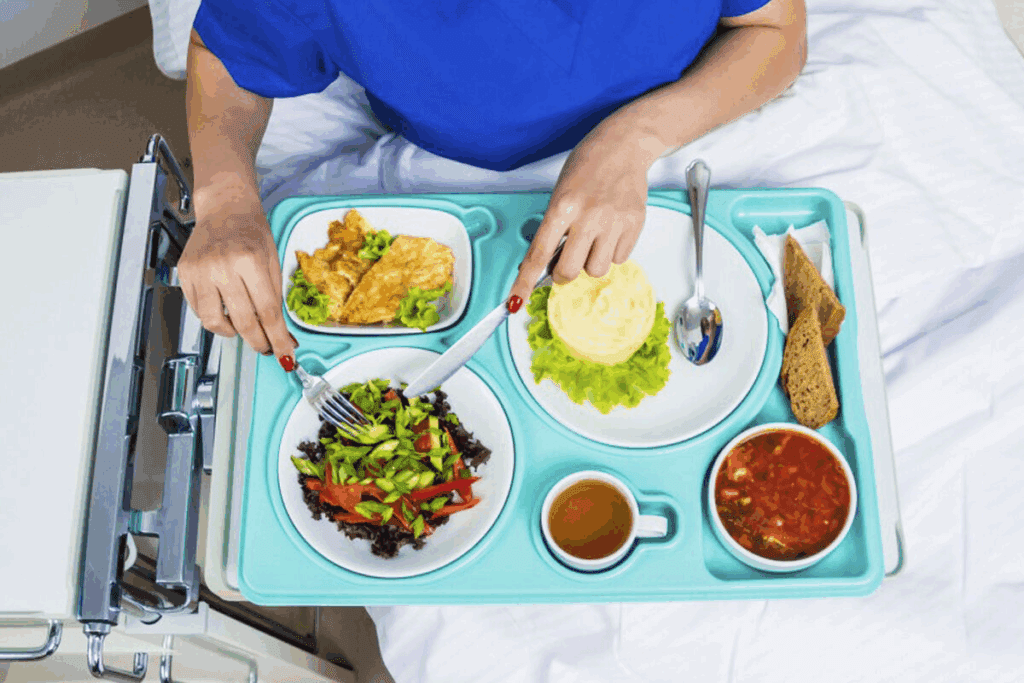
What we eat greatly affects our colon’s health. Eating the right foods helps keep our digestive system healthy. On the other hand, a bad diet can cause colon problems.
How What You Eat Affects Your Digestive System
Studies show our gut’s bacteria can change overnight with our diet. Foods high in fiber are great for our gut and bowel health. Eating colon-friendly foods like veggies, berries, apples, and whole grains boosts colon health.
A healthy colon diet focuses on whole, nutrient-rich foods. These foods give us vital nutrients and help good gut bacteria grow. This is key for a healthy colon.
The Rising Concerns of Colon-Related Health Issues
Colon health problems are becoming more common, and diet is a big factor. With more cases of colon cancer and digestive issues, knowing how diet affects our colon is vital.
By choosing the right foods, we can help keep our colon healthy. It’s important to know the best foods for your colon and eat them regularly.
Understanding Why Certain Foods Good for Colon Matter
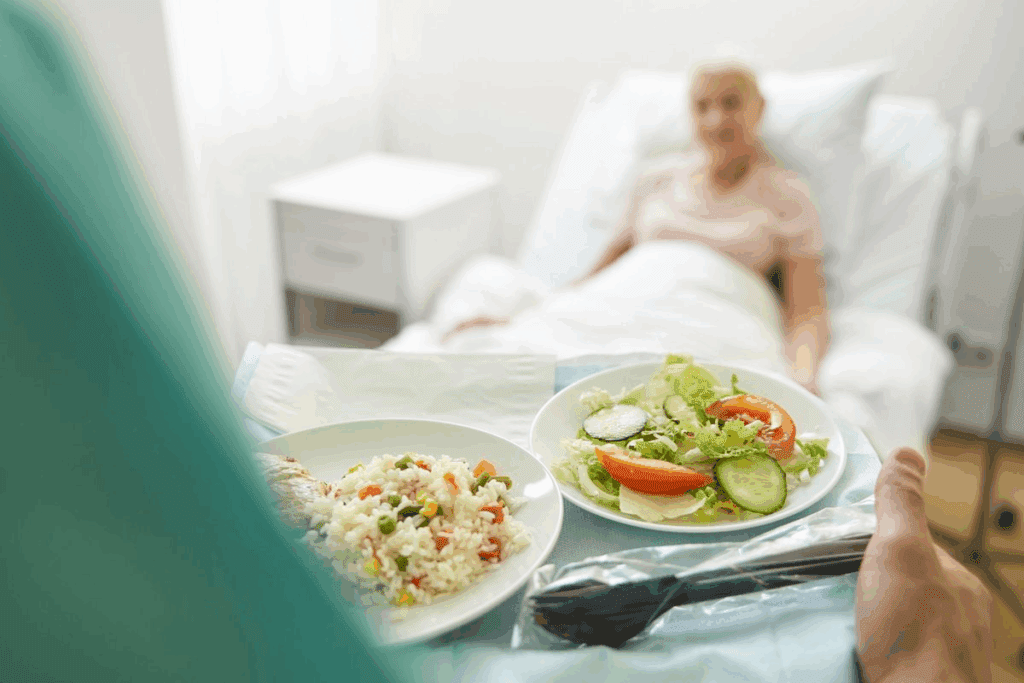
A healthy colon is key for our overall health. What we eat greatly affects our digestive system. It can help or harm our colon health.
The Science of Fiber and Colon Function
Fiber is vital for a healthy colon. It helps us have regular bowel movements and avoids constipation. This can lower the chance of colon polyps and cancer. Diets rich in fiber also support good gut bacteria, which is important for a healthy colon.
Fiber works in many ways. Soluble fiber turns into a gel that softens stool, making it easier to pass. Insoluble fiber adds bulk, helping food move through the digestive system and preventing constipation.
How Diet Reduces Colon Cancer Risk by Up to 33%
Eating healthy foods for colon can lower colon cancer risk. High-fiber diets can cut colon polyp development by up to 33%. Experts suggest eating 20-35 grams of fiber daily for colon health.
Diets rich in plant-based foods and low in red and processed meats also help. Foods good for your colon include fruits, vegetables, whole grains, and legumes. These are full of fiber, vitamins, and minerals.
| Food Group | Examples | Benefits for Colon Health |
| Fruits | Berries, Apples | High in fiber and antioxidants |
| Vegetables | Leafy Greens, Cruciferous Vegetables | Rich in fiber, vitamins, and minerals |
| Whole Grains | Oats, Brown Rice, Quinoa | Good source of fiber and nutrients |
Eating healthy food for colon is a smart move for colon health. Knowing how diet affects our colon and making good choices can lower our risk of colon problems.
Fiber-Rich Fruits That Promote Colon Health
Eating fiber-rich fruits is key to a healthy colon. A healthy colon is vital for good digestion. Some fruits are great at helping your colon stay healthy.
1. Berries: Antioxidant and Fiber Powerhouses
Berries are top picks for colon health. They’re full of antioxidants and fiber. This makes them great for your digestive health. Blueberries, strawberries, and raspberries stand out for their fiber and antioxidants.
The fiber in berries helps your bowels move smoothly. This prevents constipation and lowers colon disease risks. Berries’ antioxidants also fight inflammation in your digestive tract, boosting colon health.
2. Apples: The Perfect Colon-Cleansing Fruit
Apples are great for your colon too. They have pectin, a fiber that keeps your bowels regular. Eating an apple a day is a simple way to boost your digestive system.
Apples’ fiber feeds the good bacteria in your gut. This supports a healthy gut microbiome. It strengthens your immune system and improves your health overall.
Adding these fiber-rich fruits to your diet helps your colon health. Eating berries and apples can prevent colon problems and improve digestion.
Vegetables That Support Optimal Digestive Function
Vegetables are key to a healthy diet, helping your digestive system work well. A good digestive system is vital for your health. Some vegetables are great for keeping your colon healthy.
Leafy Greens: Essential Nutrients for Colon Health
Leafy greens like spinach, kale, and collard greens are full of nutrients good for your colon. They have lots of fiber, which helps your digestive system and prevents constipation. They also have antioxidants and vitamins and minerals that help your overall health.
Adding leafy greens to your meals is easy. Try spinach in your smoothie, sautéed kale with garlic, or collard greens in soups. These veggies are great in many dishes.
Cruciferous Vegetables: Cancer-Fighting Properties
Cruciferous veggies like broccoli, cauliflower, and Brussels sprouts fight cancer. They have compounds that lower colon cancer risk. These veggies are also high in fiber, which helps digestion and bowel health.
Eating cruciferous veggies often is best. Roasting or steaming them makes them taste better and easier to digest. Eating different types of these veggies helps keep your colon and digestive system healthy.
Whole Grains: Essential Components of a Colon Health Diet
Whole grains are key for colon health because of their nutritional value. They are full of fiber, which helps keep bowel movements regular and prevents constipation. Eating a variety of whole grains can lower the risk of colon problems.
Oats: Soluble Fiber Champions
Oats are packed with soluble fiber, which slows digestion and boosts good gut bacteria. Adding oats to your diet helps control bowel movements and supports colon health. Try oatmeal or oat-based cereals for a healthy breakfast.
Brown Rice: Complete Nutrition for Your Digestive System
Brown rice is great for colon health. It keeps its bran and germ, so it’s full of fiber, vitamins, and minerals. Switching to brown rice can greatly improve your digestive health.
Quinoa: The Protein-Rich Grain Alternative
Quinoa is special because it’s not just high in fiber but also a complete protein. Its high nutritional value supports overall health, including colon health. You can add it to salads, serve it as a side, or make it a main dish.
Adding whole grains like oats, brown rice, and quinoa to your diet is good for your colon. These grains are not just good for your digestive system but also for your overall health.
Legumes and Pulses for Digestive Wellness
Legumes and pulses are key for a healthy bowel diet. They are packed with fiber and protein. These foods help keep your colon healthy by supporting regular bowel movements and providing important nutrients.
Beans, lentils, and peas are full of soluble and insoluble fiber. Soluble fiber makes stool softer and helps good gut bacteria grow. Insoluble fiber adds bulk to stool, helping it move through your system. This helps your digestive health a lot.
8. Black Beans: The Fiber and Protein Combination
Black beans are great for your colon. One cup of cooked black beans has about 15 grams of fiber and 15 grams of protein. This mix is great for your digestive health and keeps you full.
The fiber in black beans helps control bowel movements. It prevents constipation and diarrhea. Black beans also have antioxidants that may lower inflammation in your digestive tract, helping your colon.
9. Lentils: Small Legumes with Big Colon Benefits
Lentils are small but pack a big punch for your digestive health. They are full of fiber, protein, and minerals. Lentils are also easy to digest, making them good for people with sensitive stomachs.
Lentils have a lot of fiber, which helps good bacteria in your gut grow. This improves your immune system and colon health. Adding lentils to your meals is a simple way to support your healthy bowel diet.
In summary, legumes and pulses like black beans and lentils are vital for a healthy colon. Their fiber and protein help with digestive wellness and lower the risk of colon problems.
Nuts and Seeds That Benefit Your Colon
Certain nuts and seeds are great for a healthy colon. They are full of fiber, healthy fats, and antioxidants. These nutrients help keep your digestive system in top shape.
Flaxseeds: Omega-3 and Fiber Powerhouse
Flaxseeds are packed with omega-3 fatty acids and dietary fiber. Omega-3s fight inflammation in your digestive tract. Fiber helps with regular bowel movements and prevents constipation. You can easily add flaxseeds to your breakfast cereal or yogurt.
Nutritional Highlights of Flaxseeds:
| Nutrient | Amount per 1 tablespoon |
| Omega-3 Fatty Acids | 1.8 grams |
| Dietary Fiber | 3 grams |
| Protein | 1.3 grams |
Walnuts: Healthy Fats for Digestive Health
Walnuts are good for your colon, thanks to their healthy fats. These fats keep your gut lining strong and support good gut bacteria. Walnuts also have antioxidants that reduce digestive stress.
Benefits of Walnuts for Colon Health:
- Rich in healthy fats that support gut health
- Good source of antioxidants
- May help reduce the risk of colon cancer
It’s easy to add walnuts to your diet. Enjoy them as a snack, add them to salads, or use them as a topping for oatmeal or yogurt.
Probiotic-Rich Foods for Gut Microbiome Support
A healthy gut microbiome is key for our well-being. Probiotic-rich foods help keep it balanced. They offer health benefits and support a strong immune system and good digestion.
Yogurt: Dairy Probiotics for Beneficial Bacteria
Yogurt is famous for its probiotics, like Lactobacillus acidophilus and Bifidobacterium bifidum. These help keep good bacteria in the gut. Eating yogurt regularly can improve digestion and boost the immune system.
Key benefits of yogurt include:
- Improved digestion
- Enhanced immune function
- Potential reduction in symptoms of irritable bowel syndrome (IBS)
Fermented Foods: Kimchi, Sauerkraut, and Kombucha
Fermented foods like kimchi, sauerkraut, and kombucha are full of probiotics. They are also packed with vitamins, minerals, and antioxidants. These foods help populate the gut with healthy microbes.
Benefits of fermented foods:
- Kimchi: Rich in vitamins A, C, and K, and contains compounds that may help reduce inflammation.
- Sauerkraut: High in vitamin C and contains probiotics that can aid in digestion and immune system support.
- Kombucha: Contains a variety of probiotic bacteria and may help in detoxification and improving gut health.
Adding probiotic-rich foods to your diet is easy. Try yogurt for breakfast or sauerkraut as a snack. For something new, try kimchi or kombucha tea to boost your probiotic intake.
Lean Proteins That Support Colon Health
Lean proteins are key for a healthy colon. They offer important nutrients without the bad fats found in other proteins. This is good for your digestive health.
Fatty Fish: Omega-3 Rich Options
Fatty fish are great for lean protein and omega-3s. These nutrients help your heart and may ease colon health by reducing inflammation. Here are some top fatty fish for colon health:
- Salmon: It’s full of omega-3s and has anti-inflammatory effects.
- Sardines: They’re rich in omega-3s and have low mercury levels.
- Mackerel: This fish is also packed with omega-3 fatty acids.
Omega-3 fatty acids are good for many health issues, including colon cancer risk. A study in the Journal of Nutrition found they might lower colon cancer risk. This shows why fatty fish are good for your colon.
Skinless Poultry: A Healthier Meat Alternative
Skinless poultry, like chicken and turkey, is also good for your colon. Without skin, it has less fat, making it better than processed or red meats.
Choosing skinless poultry has many benefits:
- It has less saturated fat.
- It’s high in protein for overall health.
- It’s versatile in cooking.
“A diet rich in lean proteins like skinless poultry can contribute to a reduced risk of colon-related health issues.” –
A gastrointestinal health specialist
Adding lean proteins like fatty fish and skinless poultry to your diet helps your colon health. Making smart food choices is a simple way to keep your digestive system healthy.
Creating Your Complete Colon-Friendly Meal Plan
To keep your bowel healthy, you need a meal plan with colon-friendly foods. A good meal plan meets your nutritional needs and supports your digestive health.
Planning your meals for colon health is important. By choosing colon-friendly foods, you can make meals that are good for you and taste great.
Daily Fiber Goals: How to Reach 20-35 Grams
Getting 20-35 grams of fiber a day is key for a healthy colon. To hit this goal, eat a variety of fiber-rich foods.
- Eat different fruits like berries and apples.
- Add leafy greens and cruciferous veggies to your meals.
- Choose whole grains like oats, brown rice, and quinoa.
- Include legumes and pulses, such as black beans and lentils, in your meal plan.
By making these foods a part of your diet, you can meet your fiber goals and keep your colon healthy.
Sample Meal Plans for Optimal Digestive Health
Having a sample meal plan can show you how to add colon-friendly foods to your day. Here’s an example of what your meals could look like:
| Meal | Food | Fiber Content (grams) |
| Breakfast | Oatmeal with berries and nuts | 8 |
| Lunch | Grilled chicken with quinoa and steamed broccoli | 10 |
| Dinner | Baked salmon with brown rice and sautéed spinach | 8 |
| Snack | Apple slices with almond butter | 4 |
This meal plan gives you about 30 grams of fiber, which is what you need daily. You can adjust the portions and foods to fit your personal needs and goals for colon health.
Conclusion: Maintaining Long-Term Colon Health Through Dietary Choices
Eating a diet rich in fiber and low in processed foods is key for a healthy colon. Adding the best foods for your colon to your meals can lower the risk of colon problems.
Good colon health comes from eating fiber-rich fruits, veggies, whole grains, legumes, and lean proteins. These foods help your digestive system work well and keep your colon healthy.
Choosing the right foods and following a colon health diet helps keep your digestive system in top shape. It also lowers the risk of colon cancer. Focus on eating whole, nutrient-rich foods to support your health and keep your colon healthy for the long term.
FAQ
What are colon-friendly foods?
Colon-friendly foods help keep your digestive system healthy. They include fruits, vegetables, whole grains, legumes, and foods with probiotics.
How does diet affect colon health?
Your diet is key to a healthy colon. Some foods can prevent colon problems like cancer. They provide important nutrients and fiber.
What is the recommended daily fiber intake for colon health?
You should eat 20-35 grams of fiber daily. This can come from fruits, veggies, whole grains, and legumes.
Are there specific foods that can help reduce colon cancer risk?
Yes, foods like cruciferous veggies, berries, and whole grains can fight cancer. They may lower colon cancer risk by up to 33%.
Can probiotic-rich foods support gut microbiome health?
Yes, foods like yogurt and fermented items support gut health. They add good bacteria that help your digestive system.
How can I create a colon-friendly meal plan?
For a colon-friendly diet, eat lots of fiber, lean proteins, and probiotics. Try to hit your daily fiber goal.
What are some examples of lean proteins that support colon health?
Good lean proteins include fatty fish like salmon. Also, skinless chicken and turkey are good choices.
Are there any specific nuts and seeds that benefit colon health?
Yes, flaxseeds and walnuts are great. They’re full of omega-3s and fiber, which is good for your colon.
Can a diet rich in whole grains support colon health?
Yes, whole grains like oats, brown rice, and quinoa are full of fiber. They’re great for your colon health.
How do legumes and pulses support digestive wellness?
Legumes and pulses, like black beans and lentils, are packed with fiber and protein. They’re good for your digestion and colon health.
References
- Vallis, J. (2022). The role of diet and lifestyle in colorectal cancer prevention. Nutrition and Cancer, 74(5), 1197–1205. https://www.ncbi.nlm.nih.gov/books/NBK585999/



 Departments
 Related Videos
 Our Doctors
 News
News