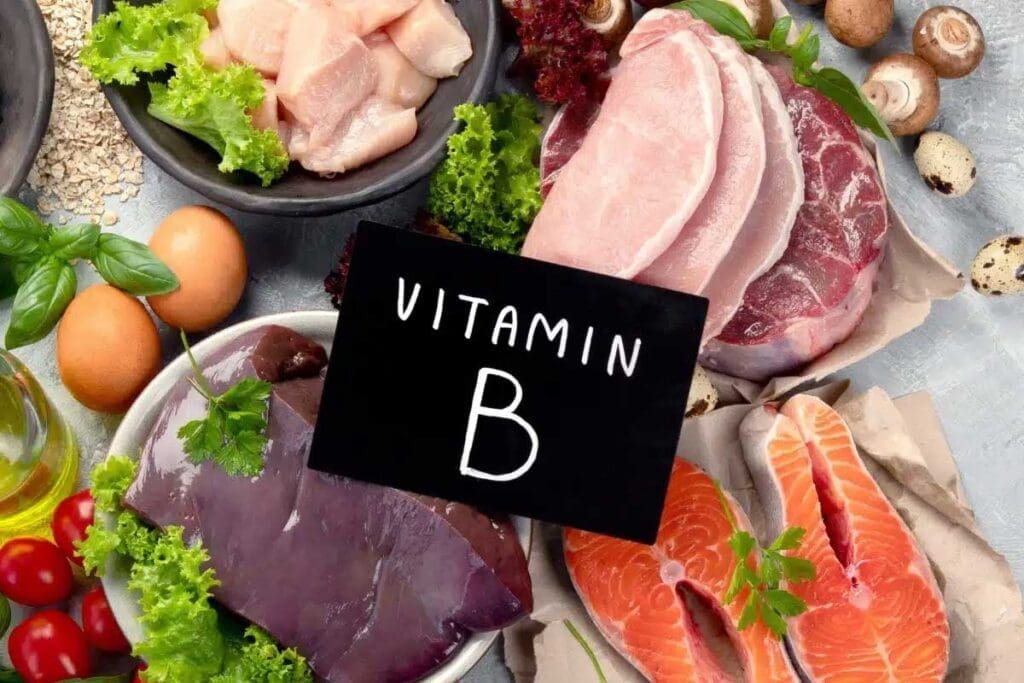
At Liv Hospital, we know how vital B vitamins are for maintaining good health. These nutrients play a key role in energy production, nerve function, and heart health. Among them, vitamins B12, B6, and folic acid are especially important because they help form red blood cells and support a healthy nervous system.
You can easily boost your vitamin intake by eating foods high in B vitamins. Animal-based options like fish, meat, poultry, eggs, and dairy products are excellent sources. For those following a plant-based diet, fortified cereals, leafy greens, legumes, and nuts are great alternatives.
Including a variety of foods high in B vitamins in your daily meals helps maintain energy levels, supports brain function, and promotes overall well-being.
Key Takeaways
- B vitamins are key for energy and nerve health.
- Vitamins B12, B6, and folic acid are very important for health.
- You can find these vitamins in many foods, both animal and plant-based.
- Eating foods rich in B vitamins helps your heart and overall health.
- Adding B vitamin-rich foods to your diet can prevent deficiencies.
The Essential Role of B Vitamins in Your Health

B vitamins are key to our health, playing a big role in many body functions. They are a group of eight vitamins that work together. They help with energy, nerve health, and more.
The Eight B Vitamins and Their Functions
B vitamins are eight unique vitamins that support our health. They include:
- B1 (Thiamin): Essential for energy production and nerve function.
- B2 (Riboflavin): Important for energy production and can help reduce the risk of cataracts.
- B3 (Niacin): Crucial for energy metabolism and maintaining healthy skin.
- B5 (Pantothenic acid): Necessary for synthesizing coenzyme-A (CoA), a vital enzyme in energy production.
- B6 (Pyridoxine): Involved in many processes, including energy metabolism, nerve function, and immune system support.
- B7 (Biotin): Essential for energy production, nerve function, and the metabolism of fats, carbohydrates, and amino acids.
- B9 (Folic acid): Critical for cell growth, DNA synthesis, and preventing birth defects of the brain and spine.
- B12 (Cobalamin): Vital for the production of red blood cells, nerve function, and DNA synthesis.
Health Benefits of B Vitamins
B vitamins offer many health benefits. They support our body’s functions and may lower the risk of certain diseases. Some key benefits include:
| Health Benefit | Description |
| Energy Production | B vitamins, like B1, B2, B3, B5, B6, B7, and B12, help turn food into energy. |
| Nerve Function | B vitamins, such as B6, B9, and B12, are key for healthy nerve cells and the nervous system. |
| Heart Health | B vitamins, like B6, B9, and B12, help lower homocysteine levels, which may reduce heart disease risk. |
| Brain Function | B vitamins help make neurotransmitters and keep our brain working well. |
Knowing how B vitamins work and eating foods rich in them can boost our health and well-being.
Understanding B12, B6, and Folic Acid
Knowing how important vitamins B12, B6, and folic acid are can really help our health. These B vitamins are key for many body functions. They help with nerve health, metabolism, and cell growth.
Vitamin B12 (Cobalamin): Nerve Health and Red Blood Cell Production
Vitamin B12 is vital for keeping nerves healthy and making red blood cells. It helps make myelin, a fatty substance that protects nerve fibers. Without enough B12, you might feel numbness or tingling in your hands and feet.
B12 also helps make red blood cells. It works with folic acid to ensure red blood cells are made right. Without enough B12, the body might make big, bad red blood cells, leading to anemia.
Key benefits of Vitamin B12:
- Supports nerve health
- Aids in red blood cell production
- Contributes to DNA synthesis
Vitamin B6 (Pyridoxine): Metabolism and Brain Function
Vitamin B6 is important for many body processes, like metabolism and brain function. It helps turn food into energy by releasing glucose from glycogen. B6 also helps make neurotransmitters like serotonin and dopamine, which control mood and brain functions.
Also, B6 is key for a healthy immune system. It helps make white blood cells, which fight off infections.
Key benefits of Vitamin B6:
- Supports metabolic processes
- Aids in brain function and neurotransmitter production
- Contributes to immune system health
Folic Acid (Vitamin B9): Cell Growth and Pregnancy Support
Folic acid is vital for cell growth and development. It’s needed for making DNA and RNA, which are key for cell division and growth. Folic acid also helps make red blood cells, along with vitamin B12.
During pregnancy, folic acid is even more important. It helps prevent birth defects of the brain and spine. Pregnant women should take a folic acid supplement to get enough of this important nutrient.
Key benefits of Folic Acid:
- Supports cell growth and development
- Aids in preventing birth defects during pregnancy
- Contributes to red blood cell production
Top Foods High in B Vitamins: Animal Sources
Animal sources are rich in B vitamins, key for our body’s functions. These foods give a high dose of B vitamins and other nutrients like proteins and minerals.
Liver and Organ Meats: Nature’s B Vitamin Powerhouse
Liver and organ meats are packed with B vitamins. They are top in Vitamin B12, vital for nerve health and making red blood cells. A beef liver serving can give you many times the daily B12 you need.
These meats also have folate and B6. For example, a 3-ounce cooked lamb’s liver has about 85 mcg of folate. That’s about 21% of what we need daily.
| Organ Meat | B12 Content (mcg) | Folate Content (mcg) | B6 Content (mg) |
| Beef Liver | 83.1 | 290 | 1.1 |
| Chicken Liver | 16.6 | 578 | 0.5 |
Salmon and Fatty Fish: Omega-3s and B Vitamins
Salmon and fatty fish are great for omega-3s and B vitamins. Salmon stands out for its Vitamin B12 and B6. It’s perfect for boosting B vitamin levels.
A 3-ounce cooked salmon has about 4.9 mcg of Vitamin B12. That’s over 80% of what we should eat daily. It also has B6, helping our brain and metabolism.
Eggs: Complete Protein with B12 and B6
Eggs are a versatile animal product rich in B vitamins. They’re a great source of Vitamin B12 and a good source of B6. One large egg has about 0.6 mcg of B12 and 0.1 mg of B6.
Eggs are a complete protein because they have all nine essential amino acids. They’re perfect for those wanting more protein and B vitamins.
Dairy Products Rich in B Vitamins
Dairy products like milk, yogurt, and cheese are full of B vitamins. They give us important nutrients like calcium. They also help us get the B vitamins we need every day.
Milk and Yogurt: Calcium and B12 Sources
Milk and yogurt are great for vitamin B12. This vitamin is key for our nerves and making red blood cells. A cup of milk or yogurt can give us a lot of B12 we need.
They are also full of calcium, which is good for our bones. A study in the Journal of Nutrition found that dairy helps us get enough B vitamins, like B12 (1). This is good for people who don’t get B12 from other foods, like vegetarians and vegans.
Cheese: Concentrated B12 and Protein
Cheese is also packed with B vitamins, like B12. It’s a good source of protein too. The B12 in cheese can vary, but harder cheeses like cheddar and parmesan have more.
Here’s a comparison of B12 in different dairy products:
| Dairy Product | B12 Content per Serving |
| Milk (1 cup) | 1.2 mcg |
| Yogurt (1 cup) | 1.4 mcg |
| Cheddar Cheese (1 oz) | 0.9 mcg |
Dairy products are a great way to get B vitamins. Eating a variety of these foods helps us meet our daily nutritional needs.
“Dairy products are not only a good source of calcium but also provide essential B vitamins, making them a valuable component of a healthy diet.”
Meat and Poultry B Vitamin Sources
Meat and poultry are key sources of B vitamins. They offer proteins and essential B vitamins. These vitamins help our bodies function well.
6. Beef: Iron and B Vitamin Combination
Beef is packed with Vitamin B12, B6, and niacin (B3). A 3-ounce serving of lean beef meets a lot of our daily vitamin needs. It also has iron, which is vital for healthy red blood cells.
| Meat/Poultry | B Vitamins Provided | Serving Size |
| Beef | B12, B6, Niacin | 3 oz |
| Chicken | Niacin, B6, B12 | 3 oz |
| Turkey | B6, Niacin, B12 | 3 oz |
7. Chicken and Turkey: Lean Protein with B6
Chicken and turkey are lean proteins rich in B vitamins. They have Vitamin B6 and niacin. These vitamins are important for energy and healthy skin and nerves. A 3-ounce serving of cooked chicken or turkey breast gives us a lot of these B vitamins.
Eating beef, chicken, and turkey helps us get all the B vitamins we need. This is important for our health.
Plant-Based Foods High in B Vitamins
A well-planned plant-based diet can give you all the B vitamins you need for good health. While some B vitamins are found more in animal products, many plant-based foods are also rich in these nutrients.
8. Leafy Greens: Folate-Rich Spinach and Kale
Leafy greens are some of the healthiest foods you can eat. They are packed with folate, a B vitamin important for cell growth. Spinach and kale are great for salads, smoothies, and cooked meals.
- One cup of cooked spinach has about 263 mcg of folate.
- Kale gives you about 100 mcg of folate per cup when cooked.
9. Legumes: Chickpeas, Lentils, and Black Beans
Legumes are not just high in protein but also in B vitamins. Chickpeas, lentils, and black beans are full of folate, B6, and other B vitamins.
- A cup of cooked lentils has about 358 mcg of folate.
- Chickpeas are a good source of B6, with about 0.43 mg per cup.
10. Nutritional Yeast: Vegan B12 Alternative
Nutritional yeast is a favorite vegan ingredient. It’s rich in B vitamins, including a B12 alternative. It’s easy to add to your meals by sprinkling it on food or blending it into smoothies.
- Fortified nutritional yeast can give up to 10 mcg of B12 per serving.
- It’s also a good source of folate and other B vitamins.
Nuts, Seeds, and Grains with B Vitamins
Eating nuts, seeds, and whole grains can give you lots of B vitamins. These foods are not just good for B vitamins. They also have other nutrients that are great for your health.
11. Sunflower Seeds and Almonds: B6 and Folate Sources
Sunflower seeds and almonds are packed with B vitamins like B6 and folate. Vitamin B6 is key for your brain and making red blood cells. Folate helps cells grow and develop. You can easily add these to your diet by snacking on them or mixing them into your meals.
12. Whole Grains: B Vitamin Complex
Whole grains are also full of B vitamins, with a mix of them. Foods like brown rice, quinoa, and whole-wheat bread have thiamin, riboflavin, niacin, and folate. Whole grains give you lasting energy and help your heart. We suggest making whole grains a main part of your diet for their health benefits.
Fruits and Vegetables Containing B Vitamins
Animal products are known for their B vitamins. But, some fruits and vegetables also have these essential nutrients. Adding these plant-based foods to your diet can help you get a wide range of B vitamins.
Bananas and Potatoes: Everyday B6 Sources
Bananas and potatoes are foods you might eat every day. They are good sources of Vitamin B6. Vitamin B6, or pyridoxine, is key for brain health and function. It helps make serotonin and norepinephrine, which affect mood and stress. A medium banana or potato can give you a lot of Vitamin B6 you need each day.
Here is a comparison of the Vitamin B6 content in bananas and potatoes:
| Food | Serving Size | Vitamin B6 Content |
| Banana | 1 medium | 0.5 mg |
| Potato | 1 medium | 0.7 mg |
Avocados and Citrus Fruits: Folate-Rich Options
Avocados and citrus fruits are great for folate. Folate is key for cell division and making red blood cells. It’s very important for pregnant women to get enough folate to prevent birth defects.
“Folate is vital during rapid growth and cell division. It’s essential for pregnant women and those with certain health conditions.”
Avocados are not just folate-rich but also full of healthy fats. Citrus fruits like oranges and grapefruits are a tasty way to boost folate.
In short, eating a variety of fruits and vegetables can greatly help with B vitamin intake. Bananas and potatoes are everyday sources of Vitamin B6. Avocados and citrus fruits are full of folate.
Fortified Foods as B Vitamin Sources
Fortified foods are key in getting essential B vitamins. They are vital for those on vegan or vegetarian diets. These foods fill the nutritional gap.
15. Fortified Cereals and Plant Milks: B12 for All Diets
Fortified cereals and plant milks are great for B vitamins, like Vitamin B12. Many breakfast cereals are fortified with B12. This makes them a good start to the day. Plant milks like almond, soy, and oat milk are also fortified with B12. They offer a dairy-free option for those who need it.
The importance of fortified foods cannot be overstated. A nutrition expert says, “Fortified foods are a simple and effective way to ensure you’re getting all the necessary vitamins and minerals, even for those at risk of deficiency.” Fortified cereals and plant milks are easy to add to your meals. They are convenient and versatile.
When picking fortified foods, always check the labels. Look for the B vitamins they contain. Some products have B12, B6, and folic acid. By choosing a variety of fortified foods, you can meet your daily B vitamin needs.
“The fortification of foods is a public health strategy that has been successful in reducing the prevalence of nutritional deficiencies in many countries.” – Nutrition Expert
Recommended Daily Intake and Deficiency Signs
Knowing how much B vitamins we need is key to staying healthy. B vitamins like B12, B6, and folic acid help our bodies make energy, keep nerves working, and support the heart. Getting the right amount each day helps avoid health problems.
How Much B12, B6, and Folic Acid Do You Need Daily?
The amount of B vitamins we should take varies. For adults, we need 2.4 mcg of vitamin B12, 1.3 mg of vitamin B6, and 400 mcg of folic acid. These amounts can change based on age, if you’re pregnant, and your health.
| B Vitamin | Recommended Daily Intake for Adults |
| Vitamin B12 | 2.4 mcg |
| Vitamin B6 | 1.3 mg |
| Folic Acid | 400 mcg |
It’s smart to talk to a doctor for advice on B vitamins. This is true for pregnant women, vegetarians, and people with certain health issues.
Recognizing B Vitamin Deficiency Symptoms
B vitamin shortages can show up in different ways. Signs include feeling very tired, weak, and changes in how nerves work. In serious cases, it can lead to megaloblastic anemia.
“Vitamin B12 deficiency can cause neurological symptoms, including numbness and tingling in the hands and feet, difficulty walking, and cognitive changes.”
Nutrition and Metabolism Insights
Spotting these signs early is important. It can help fix B vitamin levels through diet or supplements. This prevents serious health problems later on.
Potential Risks of Excessive B Vitamin Consumption
B vitamins are key for our health, but too much can harm us. We need to know the risks of taking too many B vitamins.
Understanding Upper Limits
Upper limits are important when talking about vitamins. They show the highest safe amount of vitamins we can take. Each B vitamin has its own upper limit.
Vitamin B6 should not exceed 100 mg a day for adults. Too much can cause numbness and nerve damage. Folic Acid should not go over 1,000 mcg (1 mg) a day. Too much can hide a B12 deficiency, causing nerve damage.
Side Effects of B Vitamin Supplements
B vitamin supplements can have side effects, mainly when taken in large amounts. Common issues include nausea, diarrhea, and stomach pain. Some people might also have allergic reactions to certain supplements.
- Nausea and Vomiting: High doses of B vitamins, like B6 and B9, can upset your stomach.
- Diarrhea: Too much of some B vitamins can upset your stomach.
- Allergic Reactions: Some people might have allergies to B vitamin supplements, causing rashes or itching.
Always talk to a doctor before starting B vitamin supplements, even if you’re thinking of taking high doses. They can guide you on the right amount and watch for any side effects.
Conclusion: Creating a B Vitamin-Rich Diet
It’s key to have a diet full of B vitamins for good health. We’ve looked at foods rich in B12, B6, and folic acid. These include animal products, plant-based foods, and fortified foods.
Eating a variety of these foods helps you get enough B vitamins. For example, eating lean meats like chicken and turkey, fatty fish like salmon, and leafy greens like spinach is good. These foods help meet your daily B vitamin needs.
It’s also important to think about supplements. While they can help, always talk to a healthcare professional first. They can help figure out what’s best for you.
By choosing the right foods and knowing your nutritional needs, you can make a diet rich in B vitamins. This diet helps keep your energy up, supports your brain, and helps your metabolism stay healthy.
FAQ
What are the main functions of B vitamins in the body?
B vitamins are key for energy, nerve health, and heart well-being. They help break down nutrients, keep skin and hair healthy, and support brain function. They also help make red blood cells.
What are the best food sources of vitamin B12?
Animal products like liver, salmon, eggs, and dairy are high in vitamin B12. For vegans, fortified plant milks and cereals are good options.
Can I get enough B vitamins from a plant-based diet?
Getting B12 from plants is harder, but not impossible. Fortified foods and nutritional yeast can help. Legumes, leafy greens, and whole grains also offer various B vitamins.
How much vitamin B12 should I take daily?
Adults need about 2.4 micrograms of vitamin B12 daily. Pregnant and breastfeeding women need a bit more.
What are the signs of a B vitamin deficiency?
Deficiency symptoms vary by B vitamin. They can include fatigue, weakness, and anemia. Vitamin B12 deficiency may also cause numbness or tingling.
Can you have too much vitamin B?
Yes, too much B vitamins can be harmful. High doses can cause neurological issues, skin problems, or interact with medications.
Are there any risks associated with taking B vitamin supplements?
While safe in moderation, high doses of B vitamins can have side effects. Always talk to a healthcare professional before starting supplements.
What are some good sources of folic acid?
Folic acid is in leafy greens, legumes, and citrus fruits. Fortified cereals are also a good choice.
Is it possible to get too much folic acid?
Yes, too much folic acid can hide a vitamin B12 deficiency. This can lead to neurological damage. It’s important to stick to recommended amounts.
How can I ensure I’m getting enough B vitamins in my diet?
Eating a variety of foods from all groups helps meet B vitamin needs. For specific advice, consider talking to a healthcare provider or dietitian.
Reference
- National Institutes of Health Office of Dietary Supplements – Vitamin B6 Fact Sheet
https://ods.od.nih.gov/factsheets/VitaminB6-HealthProfessional