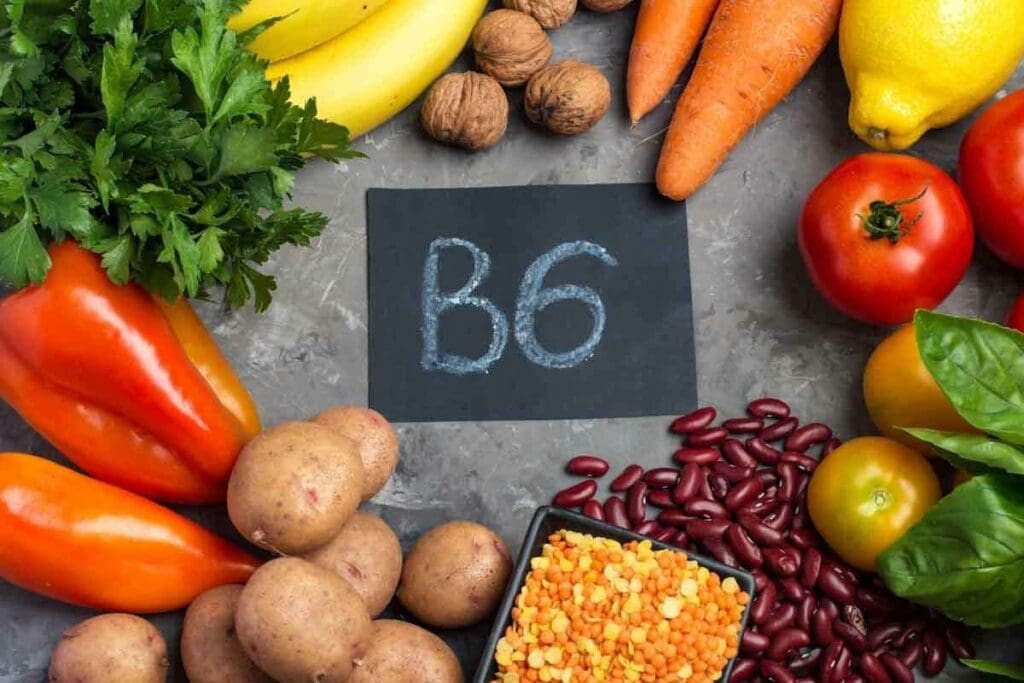
Vitamin B is key for our health, helping with energy and brain function. At LivHospital, we know how important it is to keep Vitamin B levels up. Our bodies need Vitamin B to turn carbs into glucose, helping us stay healthy and fight off sickness. But, many people don’t get enough Vitamin B from their food.
We often forget how important Vitamin B is for our health. But, adding Vitamin B-rich foods to our meals can really help us feel better. In this article, we’ll look at 16 food sources high in Vitamin B. This will help you make better choices for a healthier life.
Key Takeaways
- Vitamin B is a complex of eight distinct vitamins, each playing a unique role in health.
- Adequate Vitamin B intake is vital for energy and brain health.
- Eating foods rich in Vitamin B can boost your overall health.
- LivHospital helps you make smart food choices.
- 16 specific foods can increase your Vitamin B levels.
The Essential Role of B Vitamins in Your Health

B vitamins are key for many body functions, like energy and brain health. They help keep us healthy and support our well-being.
The Eight B Vitamins and Their Unique Functions
There are eight B vitamins, each with its own role in health. These vitamins are:
- Thiamine (B1): important for energy and nerve health.
- Riboflavin (B2): helps with energy and may prevent cataracts.
- Niacin (B3): key for energy and healthy skin.
- Pantothenic acid (B5): needed for energy production.
- Vitamin B6: involved in energy and making neurotransmitters.
- Biotin: important for energy and healthy hair, skin, and nails.
- Folate (B9): vital for fetal growth and preventing anemia.
- Vitamin B12: needed for red blood cells and the nervous system.
How B Vitamins Support Metabolism and Energy Production
B vitamins help turn carbs into glucose for energy. This is key for our metabolic health. Thiamine, riboflavin, niacin, pantothenic acid, and vitamin B6 are essential for energy use.
B vitamins also help make ATP, the energy source for cells. Without enough B vitamins, we feel tired and have metabolic problems.
B Vitamins for Brain Health and Immune Function
B vitamins are also vital for brain health and the immune system. Vitamin B6, B9, and B12 are important for brain health, helping with neurotransmitters and the nervous system.
Also, B vitamins boost our immune system. They help make white blood cells, which fight infections. Having enough B vitamins keeps our immune system strong, protecting us from sickness.
Foods Rich in Vitamin B: Animal-Based Powerhouses
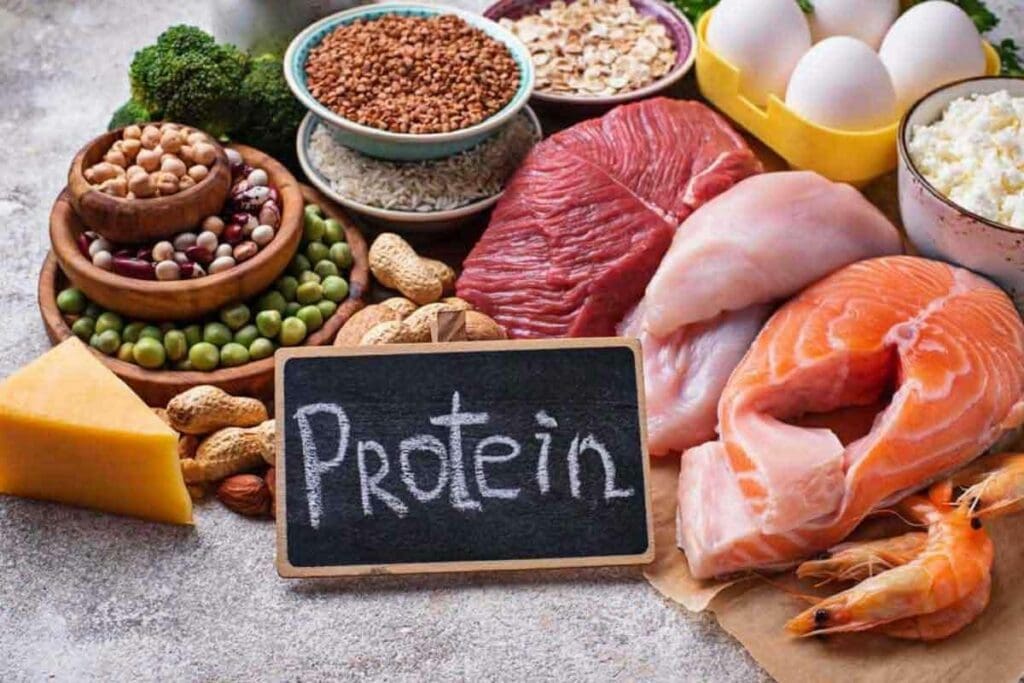
Animal-based foods are some of the best sources of Vitamin B. They offer essential B vitamins for energy, nerve health, and overall well-being. Let’s look at the top animal-based foods rich in Vitamin B and how to add them to your diet.
Liver: The Ultimate B Vitamin Superfood
Liver, like beef liver, is packed with B vitamins. It’s a top source of B12, folate, and riboflavin (B2). A small amount can meet a lot of your daily B vitamin needs. Experts say, “Organ meats like liver are unmatched in nutrition, making them great for a balanced diet.”
Eggs: Complete Packages of Multiple B Vitamins
Eggs are also a great source of B vitamins. They have B2, B12, and folate. These vitamins help with energy and heart health. Eggs are easy to add to meals, making them a simple way to get more B vitamins.
“Eggs are a nutritional powerhouse, providing high-quality protein and a range of essential vitamins and minerals.”
Dairy Products: Reliable Sources of B2 and B12
Dairy like milk, cheese, and yogurt is good for riboflavin (B2) and B12. These vitamins are key for energy and making red blood cells. Fortified dairy products can help increase your B vitamin intake.
Adding these animal-based foods to your diet ensures you get all the B vitamins you need for good health.
Seafood Superstars for B Vitamin Nutrition
Seafood is a top choice for B vitamins. It has many B vitamin-rich options. This makes it easy to get the nutrients we need every day.
Seafood is not only tasty but also full of important nutrients. Some seafood types have more B vitamins than others.
Oysters, Clams, and Mussels: B12 Champions
Oysters, clams, and mussels are full of Vitamin B12. These shellfish are not just tasty but also very nutritious. Adding them to your meals can help you get enough B12.
Salmon: Rich in Niacin and B12
Salmon is a seafood superstar, packed with niacin and B12. It’s a fish you can cook in many ways. This makes it easy to add to your diet. Grilled, baked, or smoked, salmon boosts your B vitamins.
Tuna: An Accessible Source of Multiple B Vitamins
Tuna is easy to find and full of B vitamins. It’s a great choice for boosting your B vitamin intake without spending a lot. You can enjoy tuna in salads, sandwiches, or as a steak.
Adding these seafood superstars to your meals can greatly improve your B vitamin intake. Whether you love seafood or just want to try new foods, these options are great.
Meat and Poultry B Vitamin Sources
Eating meat and poultry can help meet your B vitamin needs. These foods are packed with B vitamins and also offer important proteins and minerals.
Beef: A Rich Source of B12, B6, and Niacin
Beef is a top choice for B vitamins, like B12, B6, and niacin. A small amount of beef can give you a lot of these vitamins. For example, a 3-ounce serving of lean beef has about 1.8 mcg of B12, which is 75% of what you need daily.
Chicken: A Lean Source of B3 and B6
Chicken is also great for B vitamins, like niacin (B3) and B6. These vitamins help with energy and keeping your skin and nerves healthy. A 3-ounce serving of cooked chicken breast has about 10.3 mg of niacin, helping you meet your daily needs.
Turkey: Nutritional Profile and B Vitamin Content
Turkey is another good choice for B vitamins, including B3, B6, and B12. It’s a flexible option for adding variety to your diet. A 3-ounce serving of roasted turkey breast has a good amount of B vitamins, supporting your energy and health.
| Meat/Poultry | B Vitamins | Serving Size | % Daily Value |
| Beef | B12, B6, Niacin | 3 oz | 75% (B12) |
| Chicken | B3, B6 | 3 oz | 55% (Niacin) |
| Turkey | B3, B6, B12 | 3 oz | 40% (Niacin) |
As shown in the table, adding beef, chicken, and turkey to your diet boosts your B vitamin intake. These foods are not only rich in vitamins but also make your meals more enjoyable and balanced.
“A diet rich in B vitamins is key for energy, nerve function, and health. Meat and poultry are among the best sources of these vitamins.”
— Nutrition Expert
In summary, meat and poultry are essential for a B vitamin-rich diet. Knowing what these foods offer helps you make better choices for your health and well-being.
Plant-Based Foods Packed with B Vitamins
Adding plant-based foods to your meals boosts your B vitamin intake. Many plant-based foods are rich in different B vitamins. This makes it easy to get all the nutrients you need.
Lentils and Beans: Folate and B1 Powerhouses
Lentils and beans are top sources of folate (B9) and thiamine (B1). They are not only versatile but also full of nutrients. Adding them to your meals can greatly increase your B vitamin intake.
Lentils are a big folate source, with a cup cooked giving you a lot of folate. They also have thiamine, making them great for a B vitamin-rich diet.
| Food | Folate Content (mcg) | Thiamine Content (mg) |
| Lentils (1 cup cooked) | 358 | 0.18 |
| Black Beans (1 cup cooked) | 256 | 0.21 |
| Kidney Beans (1 cup cooked) | 230 | 0.16 |
Spinach and Leafy Greens: Folate-Rich Options
Spinach and other leafy greens are full of folate. Adding them to your meals ensures you get enough folate.
Spinach is a standout, with a cup cooked giving a big part of your daily folate. Kale and collard greens also boost your folate.
“Leafy greens like spinach are not only rich in folate but also packed with other essential nutrients, making them a great addition to a balanced diet.”
Avocados: Unexpected B Vitamin Providers
Avocados are known for their healthy fats and are also a good source of B vitamins. They have riboflavin (B2), niacin (B3), and pantothenic acid (B5).
Avocados are a nutritious choice for a plant-based diet, providing many B vitamins. Enjoy them in salads, as a spread, or as a topping.
By adding these plant-based foods to your diet, you get a balanced intake of B vitamins. Whether you’re vegan or just cutting down on meat, these foods are tasty and healthy.
Nuts, Seeds, and Grains for B Vitamin Intake
Nuts, seeds, and grains are often overlooked as valuable sources of B vitamins. They play a key role in maintaining overall health. These foods provide essential B vitamins and other nutritional benefits, making them great for a balanced diet.
Sunflower Seeds: Concentrated Source of B5
Sunflower seeds are known for their high Pantothenic acid (B5) content. This vitamin is vital for energy production and hormone synthesis. Just one ounce of sunflower seeds can give you a big part of the daily B5 you need.
Almonds: B2 and B3 Content
Almonds are also a great source of B vitamins, like Riboflavin (B2) and Niacin (B3). These vitamins help with energy metabolism and keeping skin and nerves healthy.
Brown Rice and Whole Grains: B1 and B3 Sources
Brown rice and whole grains are packed with Thiamin (B1) and Niacin (B3). They are key for a B vitamin-rich diet. Whole grains offer more fiber, vitamins, and minerals than refined grains.
| Food | B Vitamin Content | Primary Benefits |
| Sunflower Seeds | High in B5 | Energy production, hormone synthesis |
| Almonds | Rich in B2 and B3 | Energy metabolism, healthy skin and nerves |
| Brown Rice | Good source of B1 and B3 | Energy production, heart health |
Eating a variety of nuts, seeds, and whole grains boosts your B vitamin intake. This supports your overall health and well-being. Knowing the nutritional benefits of these foods helps you make better diet choices.
Fortified Foods and Special B Vitamin Sources
Beyond whole foods, fortified options and unique sources of B vitamins can help fill nutritional gaps. This ensures everyone can meet their daily B vitamin needs.
Nutritional Yeast: A Vegan B12 Alternative
Nutritional yeast is a popular vegan substitute for B12, a vitamin found in animal products. It adds a cheesy flavor to dishes and is rich in B12. This makes it a great addition to a plant-based diet.
We often recommend nutritional yeast to our vegan patients as a reliable B12 source. It’s easy to add to meals, like sprinkling it over popcorn or blending it into sauces.
Fortified Cereals: Designed for B Vitamin Delivery
Fortified cereals are a valuable source of B vitamins, making them a great breakfast option. They are enriched with thiamin, riboflavin, niacin, B6, and folate.
When choosing a fortified cereal, look for ones low in added sugars and high in fiber. This maximizes nutritional benefits.
| Cereal | B Vitamins Provided | Additional Nutritional Benefits |
| Oatmeal with nuts | B1, B2, B3 | High in fiber |
| Whole grain cereal | B1, B2, B6, Folate | Rich in iron |
Plant Milks: Fortified Options for Restricted Diets
For those with dairy intolerance or following a vegan diet, plant milks are a valuable alternative. Many are fortified with B vitamins like B2, B12, and folate. They are a nutritious choice.
Make sure to check the labels to ensure the plant milk you choose is fortified with the B vitamins you need. Some brands also offer additional nutrients like vitamin D and calcium.
By adding these fortified foods and special B vitamin sources to your diet, you can ensure you get all the B vitamins needed for optimal health.
Optimizing B Vitamin Absorption and Bioavailability
To get the most health benefits from B vitamins, we need to know how to improve their absorption. B vitamins are key for energy, nerve health, and heart function. It’s important to absorb these vitamins well to stay healthy.
Cooking Methods and B Vitamin Retention
Cooking can change how much B vitamins are in our food. Water-soluble B vitamins like B1, B2, and B9 can be lost in water when we boil or steam foods. To keep more vitamins, try cooking with little water, like stir-frying or microwaving. Also, using cooking liquid in soups or sauces can help keep some vitamins.
Here are some tips to keep B vitamins in your food:
- Cook veggies for shorter times.
- Use little water when cooking.
- Avoid cooking too long.
- Use cooking liquid in recipes.
Food Combinations That Enhance B Vitamin Absorption
Some foods work better together to help our body absorb B vitamins. For example, eating foods high in vitamin C with foods high in iron can help our body use iron better, which is linked to B vitamins. Also, eating whole grains can help with digestion and might make B vitamins easier to absorb.
Good food combinations include:
- Whole grain cereals with milk and fruit.
- Legumes with vitamin C-rich veggies.
- Nuts and seeds with whole grain bread.
Storage Tips to Preserve B Vitamin Integrity
Storing food right can also keep B vitamins in it. Keeping foods cool and dark can slow down B vitamin loss. For example, storing grains and nuts in airtight containers away from sunlight helps keep their nutrients.
Here are some storage tips:
- Store grains and cereals in airtight containers.
- Keep nuts and seeds in cool, dark places.
- Avoid storing foods near heat sources.
By knowing how cooking affects B vitamins, using food combinations that help absorption, and storing food right, we can get more B vitamins. This helps us stay healthy and get the most from our food.
Signs of B Vitamin Deficiency and At-Risk Groups
B vitamin deficiencies can show up in different ways. It’s important to spot the signs early. We’ll look at the physical and neurological symptoms, who’s at risk, and when you might need supplements.
Physical and Neurological Symptoms to Watch For
B vitamin deficiencies can cause fatigue, weakness, and neurological problems. Vitamin B12 deficiency might make your hands and feet tingle. A lack of Vitamin B6 can lead to skin issues and more infections.
Some common symptoms include:
- Fatigue and weakness
- Numbness or tingling in extremities
- Skin problems
- Mood changes, such as depression or anxiety
- Digestive issues
Populations at Higher Risk for B Vitamin Deficiencies
Some groups face a higher risk of B vitamin deficiencies. This is due to diet, age, and health conditions. These include:
| At-Risk Group | Reason for Increased Risk |
| Vegans and vegetarians | Lower intake of animal products rich in B vitamins, like B12 |
| Older adults | Decreased absorption efficiency with age |
| Pregnant and breastfeeding women | Increased demand for B vitamins, like folate |
| Individuals with certain medical conditions | Conditions like celiac disease or Crohn’s disease can impair B vitamin absorption |
When to Consider Supplementation
If you’re showing signs of B vitamin deficiency or are in a high-risk group, talk to a healthcare professional. They can advise on the best supplements for you.
Supplements are helpful for those with limited diets or specific health issues. Eating foods high in B vitamins, like leafy greens and fortified cereals, can also help keep your B vitamin levels up.
Conclusion: Building a B Vitamin-Rich Diet
It’s important to eat foods rich in B vitamins for energy, brain health, and well-being. We’ve looked at many foods rich in vitamin B. These include animal products, plant-based foods, and fortified foods. This gives you many ways to get enough B vitamins.
Adding the 16 foods we talked about to your diet can greatly improve your health. Knowing how to absorb B vitamins and spotting deficiency signs is key. We suggest making smart food choices and talking to health experts for advice on vitamin b food sources.
Eating a balanced diet with a variety of what foods are rich in vitamin b is good for your health. Now, you can make better choices about what you eat. This ensures your body gets the B vitamins it needs.
FAQ
What are the best food sources of Vitamin B?
Animal-based foods like liver, eggs, and dairy are full of Vitamin B. Seafood, such as oysters and salmon, is also great. Plant-based foods like lentils, beans, and spinach are good for different B vitamins.
What foods are rich in Vitamin B12?
Foods high in Vitamin B12 include liver, eggs, and dairy. Seafood like oysters and mussels are also good. Beef and chicken are other sources.
Are there plant-based sources of Vitamin B?
Yes, plant-based foods like lentils and spinach are full of folate. Avocados offer many B vitamins. Nuts and seeds like sunflower seeds are also good.
How can I optimize B vitamin absorption?
To better absorb B vitamins, eat foods that help absorption together. Store foods right to keep B vitamins. Choose cooking methods that don’t destroy B vitamins.
What are the signs of B vitamin deficiency?
Signs of B vitamin deficiency include feeling tired and weak. You might also feel numb or tingle. Vegans and older adults are at higher risk.
Can I get enough Vitamin B from fortified foods?
Yes, fortified foods like nutritional yeast and plant milks are good for B vitamins. They’re great for those with special diets.
What are the best ways to incorporate B vitamin-rich foods into my diet?
Eat a mix of B vitamin-rich foods like animal products, seafood, and plants. Nuts and seeds are also good. This ensures you get enough B vitamins.
Are there any specific B vitamins that are harder to get from plant-based sources?
Vitamin B12 is tough to get from plants. Fortified foods or supplements are good for vegans and vegetarians.
How do cooking methods affect B vitamin content in food?
Boiling or overcooking can reduce B vitamins. Steaming or stir-frying helps keep them in your food.
Who is at higher risk for B vitamin deficiencies?
Vegans, vegetarians, older adults, and those with certain health issues are at risk. They might need more B vitamins.
Reference
- Food and Drug Administration (FDA) – Nutrition and Food Labeling Regulations