Recent studies show a strong link between what we eat and the risk of dementia. A big study in Neurology looked at 72,803 people. It found that eating more ultra-processed foods can increase dementia risk by 25 percent and Alzheimer’s risk by 14 percent. Beware of the foods that trigger dementia! We reveal 5 dangerous ingredients in your daily diet that you must know about to reduce your risk.
Knowing which foods increase dementia risk is key to keeping our brains healthy. At Liv Hospital, we focus on giving care based on solid evidence. We help people make smart choices about what they eat.
By learning about the link between diet and dementia, we can take steps to protect our brains. This can help us live better lives.
Key Takeaways
- Ultra-processed food consumption is linked to an increased risk of dementia and Alzheimer’s disease.
- A 10 percent increase in ultra-processed food consumption can raise dementia risk by 25 percent.
- Informed nutritional decisions can play a significant role in protecting brain health.
- Liv Hospital is dedicated to providing complete support for international patients.
- Understanding the connection between diet and dementia is vital for preventive healthcare.
The Connection Between Diet and Brain Health

Dementia is becoming more common, and it’s important to know how diet affects our brains. The foods we eat can help or harm our brain health.
The Rising Prevalence of Dementia
Dementia is a big problem worldwide, affecting millions. Genetics and lifestyle play a part, but diet is also key. Some foods may help our brains, while others may harm them.
How Dietary Choices Impact Cognitive Function
What we eat greatly affects our brain health. Foods with lots of sugar and refined carbs can hurt our brains. On the other hand, foods full of nutrients and antioxidants can help our brains stay healthy.
It’s vital to understand how diet affects our brains to fight dementia. By choosing the right foods, we can protect our brain health.
Understanding the Science: Landmark Research on Foods That Trigger Dementia
A groundbreaking study in Neurology has shed light on how certain foods affect dementia risk. This research is key to understanding the link between diet and brain health.
The Neurology Study of 72,803 Participants
The study looked at 72,803 participants, giving a detailed view of how diet impacts dementia risk. The findings were striking: eating more ultra-processed foods raised dementia risk by 25 percent. Alzheimer’s risk went up by 14 percent for every 10 percent increase in such foods.
Key Findings and Implications
The study shows how diet affects brain health. Ultra-processed foods play a big role in dementia risk. It’s important for people to know what they eat.
How Pro-Inflammatory Foods Affect Brain Volume
Pro-inflammatory foods, like many ultra-processed items, cause body inflammation. This inflammation is linked to smaller brain volume, leading to cognitive decline. Knowing this helps in finding ways to lower dementia risk through diet.
Eating whole, nutrient-rich foods and cutting down on ultra-processed items can help. This matches advice for keeping the brain healthy through diet.
Ultra-Processed Foods: The Primary Culprit
Research shows that ultra-processed foods are a big reason for more dementia cases. These foods are a big part of our diets today. They are not just bad for our health; they can harm our brains too. These foods have many ingredients, often made in factories, not from nature.
What Qualifies as “Ultra-Processed”
Ultra-processed foods are made with many ingredients, like sugars, unhealthy fats, and additives. Examples include soft drinks, processed meats, fried chicken, chips, and cookies. They are made to taste good and be easy to eat, but they lack nutrients.
The key characteristics of ultra-processed foods include:
- Multiple ingredients, often with additives and preservatives
- Industrial processing methods that alter the food’s composition
- Low nutritional value compared to whole foods
- High in unhealthy fats, sugars, and sodium
The 25% Increased Dementia Risk
Studies link eating ultra-processed foods to a higher dementia risk. A diet full of these foods can raise your dementia risk by 25%. This is worrying, given how common these foods are worldwide.
“The evidence is clear: a diet dominated by ultra-processed foods is detrimental to brain health.”
The 14% Increased Alzheimer’s Disease Risk
Eating ultra-processed foods also raises the risk of Alzheimer’s disease. Research shows a 14% higher risk of Alzheimer’s from such a diet. This highlights how important our food choices are for brain health and preventing diseases.
As we learn more about diet and dementia, it’s clear that cutting down on ultra-processed foods is key. By choosing better foods, we can lower our dementia and Alzheimer’s risks. Making smart food choices is a step towards protecting our brains.
Processed Red Meats: The First Major Dementia Trigger
Recent studies show a link between processed red meats and dementia risk. Foods like hot dogs, bacon, and deli meats are popular worldwide. They are often part of daily meals, but their health impacts are not always known.
Hot Dogs, Bacon, and Deli Meats
Hot dogs, bacon, and deli meats are common in many diets. They’re used in sandwiches, salads, and quick meals. But, the processing can create harmful compounds.
These compounds are linked to health risks, including dementia.
The 14% Risk Increase from Two Weekly Servings
Eating at least two servings of processed red meats a week raises dementia risk by 14%. This shows how diet affects brain health. It’s key to know how food choices impact our brains.
Why Processing Methods Create Harmful Compounds
Red meat processing involves smoking, curing, and adding preservatives. These steps can create AGEs and other harmful substances. AGEs cause oxidative stress and inflammation, harming neurons and increasing dementia risk.
Knowing the link between processed red meat and dementia risk helps us make better food choices. Choosing healthier alternatives can protect our brain health.
Sugary Beverages and Snacks: The Second Dementia Trigger
Sugary drinks and snacks are big players in dementia. They can harm our brain health, speeding up aging and raising dementia risk.
How Simple Sugars Accelerate Brain Aging
Simple sugars in drinks and snacks speed up brain aging. They cause blood sugar to rise quickly, leading to brain inflammation and stress. This stress harms brain cells and messes with brain function, leading to cognitive decline.
Simple sugars have a big impact on brain health. They cause inflammation and stress, and can make the brain less able to work right. Eating too much sugar can lead to insulin resistance, a sign of type 2 diabetes, which increases dementia risk.
Common Sources of Hidden Sugars
It’s important to watch out for hidden sugars in foods. They’re often found in:
- Fruit juices and sweetened teas
- Baked goods and pastries
- Processed snacks, such as granola bars and cereal
- Savory foods, like sauces and condiments, that contain added sugars
Checking food labels is key to spotting hidden sugars. Look out for names like high fructose corn syrup, sucrose, and maltose.
The Glycation Process and Neuronal Damage
The glycation process is how simple sugars harm the brain. It happens when sugar molecules attach to proteins or lipids, creating AGEs. AGEs build up over time and cause brain damage and inflammation.
AGEs are a big problem because they damage neurons and trigger inflammation. This process is a major factor in neurodegenerative diseases, including dementia.
Artificially Sweetened Drinks: The Third Dementia Trigger
Recent studies have found a link between artificially sweetened drinks and dementia risk. These drinks are seen as a healthier choice than sugary ones. But, new evidence shows they might not be as safe as thought.
The False Promise of “Diet” Beverages
“Diet” drinks, sweetened with artificial sweeteners, are marketed as a healthier option. But, research shows they might harm our health, including our brains.
The artificial sweeteners in these drinks can change our gut microbiome. This change is linked to brain health.
Research Linking Artificial Sweeteners to Stroke Risk
Studies have found a link between artificially sweetened drinks and stroke risk. This is worrying because stroke is a major risk for dementia. The exact reasons are being studied, but a link to heart health is clear.
A study in a top medical journal found a higher stroke risk in those drinking artificially sweetened drinks. This link stayed strong even with other risk factors controlled.
How These Sweeteners May Cross the Blood-Brain Barrier
Artificial sweeteners can cross the blood-brain barrier. This barrier protects the brain from harmful substances. Once inside, artificial sweeteners can harm the brain.
Research shows artificial sweeteners can affect the brain’s function and structure. For example, they can mess with the brain’s reward system. This might lead to eating more sweet or calorie-rich foods.
Fried Foods: The Fourth Major Dementia Trigger
Fried foods are a big problem when it comes to dementia. They are common in many diets and harm our brains. We’ll look at which fried foods are bad for dementia and why.
Fried Chicken and Fast Food Items
Fried chicken and fast food are major dementia risks. They have lots of calories and harmful compounds from frying. The frying process creates neurotoxic compounds that harm brain cells.
Some common examples include:
- Fried chicken servings from fast-food chains
- Breaded and fried chicken strips
- Fried fish and other seafood
Chips and Processed Fried Snacks
Chips and other fried snacks also raise dementia risk. They are full of unhealthy fats and sodium. This makes them bad for brain health.
Examples of these snacks include:
- Potato chips
- French fries
- Other fried vegetable snacks
How High-Temperature Cooking Creates Neurotoxic Compounds
Frying creates harmful compounds that damage brain cells. These compounds can lead to dementia. The process makes advanced glycation end-products (AGEs) and other harmful substances.
Eating less fried food can lower dementia risk. Knowing the dangers of fried foods helps us make better choices. This protects our brain health.
Packaged Snacks and Cookies: The Fifth Dementia Trigger
Packaged snacks and cookies are bad for our brains because of their unhealthy ingredients. They have lots of refined carbs, fats, and additives. These foods harm our health and brain health too.
The Combination of Refined Carbs, Fats, and Additives
The ingredients in these snacks are a big worry. Refined carbohydrates raise blood sugar levels. Unhealthy fats cause inflammation. And additives like preservatives and artificial flavors can harm our brains.
Some common additives in these snacks include:
- Artificial sweeteners
- Preservatives like sodium benzoate
- Artificial colors and flavors
How Packaged Snacks Promote Inflammation
Packaged snacks cause inflammation, which is bad for our brains. The carbs and fats in them start an inflammatory process. This can hurt brain cells and affect how we think.
Things that cause inflammation include:
- High glycemic index of refined carbs
- Presence of trans fats and saturated fats
- Advanced glycation end (AGE) products formed during processing
The Cumulative Effect of Regular Consumption
Eating packaged snacks and cookies often can harm our brains over time. The bad ingredients in them can cause lasting brain damage. It’s not just about eating them sometimes, but all the time.
Research shows that these snacks are a big risk for dementia because of their unhealthy ingredients. Knowing the risks helps us make better choices for our brain health.
The Inflammatory Pathway: How These Foods Damage the Brain
Research shows that certain foods can harm the brain through inflammation. Our diet affects our brain health in many ways. Some foods can help, while others can hurt.
The Connection Between Inflammation and Reduced Gray Matter
Chronic inflammation is bad for our brains. Pro-inflammatory foods can make our bodies more inflamed. This inflammation can hurt our brain.
Studies found that this inflammation can shrink the gray matter in our brains. Gray matter is key for thinking clearly. Less gray matter means we might think less clearly and face a higher risk of dementia.
How Brain Volume Correlates with Cognitive Function
Brain volume, like gray matter, shows how well our brain works. Reduced brain volume is linked to problems like memory loss. It also means we might not think as well.
- People with more brain volume do better on thinking tests.
- Those with less brain volume are more likely to get dementia.
- This shows how important it is to keep our brain healthy with what we eat.
Knowing how inflammation affects our brain helps us choose better foods. We can lower our risk of dementia by eating right. It’s all about making smart food choices for our brain’s health.
Protective Dietary Patterns That Counter Dementia Risk
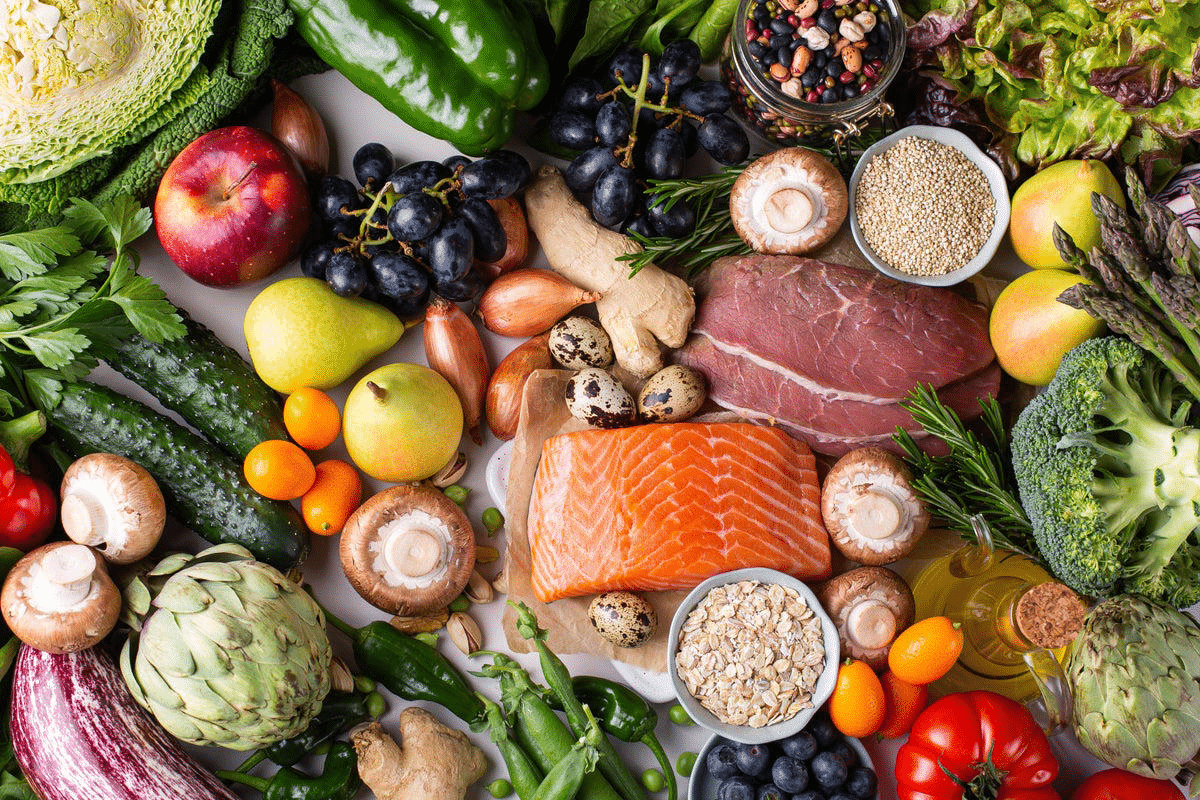
Dietary approaches like the Mediterranean and MIND diets help fight dementia. They focus on foods rich in antioxidants, fiber, and healthy fats. These are key for brain health.
The Mediterranean and MIND Diet Approaches
The Mediterranean diet is all about eating fruits, veggies, whole grains, and healthy fats from olive oil. It also includes some dairy, fish, and poultry. The MIND diet is a twist of this, aimed at boosting brain health with specific foods.
Both diets help lower dementia risk by keeping the brain healthy. They focus on whole foods, avoiding processed and ultra-processed ones. This reduces intake of harmful substances.
“The MIND diet was developed based on the most compelling evidence from nutritional neuroscience research. It focuses on dietary patterns that are associated with a reduced risk of cognitive decline.”
Brain-Boosting Alternatives to the 5 Trigger Foods
Switching to brain-friendly foods is a smart move against dementia. Instead of processed meats, choose lean proteins like chicken or fish. Whole fruits are better than sugary snacks to cut down sugar.
|
Trigger Food |
Brain-Boosting Alternative |
|---|---|
|
Processed Red Meats |
Lean Proteins (Poultry, Fish) |
|
Sugary Snacks |
Whole Fruits |
|
Ultra-Processed Foods |
Whole Grains |
How Antioxidant-Rich Foods Protect Neurons
Antioxidant-rich foods shield neurons from damage by free radicals. Foods like berries, leafy greens, and other fruits and veggies are full of antioxidants. They help fight oxidative stress and inflammation in the brain.
Adding these foods to your diet is easy and tasty. Try spinach in omelets or berries in smoothies to up your antioxidant game.
By choosing the right foods, you can lower your dementia risk and keep your brain healthy.
Practical Steps to Reduce Your Consumption of Dementia-Triggering Foods
It’s important to cut down on foods that can harm our brains. By paying attention to what we eat, we can protect our thinking skills.
Reading Labels to Identify Hidden Triggers
Learning to read food labels is a key step. Many foods have hidden sugars and unhealthy fats that are bad for our brains. Look out for things like high-fructose corn syrup and artificial flavor enhancers.
Understanding food labels is key. Always check the ingredient list and avoid foods with long lists of unknown ingredients.
Meal Planning Strategies for Brain Health
Good meal planning helps keep our brains healthy. Plan meals that include lots of fruits, veggies, whole grains, and lean proteins. This helps avoid foods that can harm our brains.
Try meal prepping or planning dinners for the week. This can help you avoid fast and processed foods. Batch cooking is also great for making healthy meals ahead of time.
|
Meal Planning Tips |
Benefits |
|---|---|
|
Include a variety of colorful vegetables |
Rich in antioxidants and fiber |
|
Use herbs and spices for flavor instead of salt |
Reduces sodium intake and adds antioxidants |
|
Plan meals around whole grains and lean proteins |
Provides sustained energy and supports brain health |
Gradual Dietary Changes That Make a Significant Difference
Changing your diet can seem hard, but small steps can make a big difference. Start by cutting back on one or two unhealthy foods each week. For example, try having sugary drinks less often.
Try to replace unhealthy foods with healthier alternatives. If you love fried foods, try baking or grilling instead. These small changes can make a big impact over time.
Conclusion: Making Informed Food Choices for Long-Term Brain Health
We’ve looked into how diet affects dementia risk, focusing on five foods that can increase this risk. Knowing how ultra-processed foods, processed meats, sugary drinks, artificial sweeteners, and fried foods harm our brains helps us act. We can protect our brain health by making smart food choices.
Choosing the right foods is key to keeping our brains healthy and preventing dementia. We can lower our risk by following diets like the Mediterranean and MIND diets. These diets focus on foods that are good for our brains and avoid the five foods that can harm them.
Being careful about what we eat and making small changes can greatly lower our dementia risk. We can start by reading food labels, planning our meals, and adding brain-healthy foods to our diet. These steps are simple but effective in protecting our brain health for the long term.
FAQ
What are the 5 foods that trigger dementia?
The 5 foods that trigger dementia are ultra-processed foods, processed red meats, sugary drinks, artificially sweetened drinks, and fried foods.
How do ultra-processed foods affect dementia risk?
Eating ultra-processed foods can increase dementia risk by 25%. These foods are often unhealthy and lack essential nutrients.
What are some examples of processed red meats that increase dementia risk?
Processed red meats like hot dogs, bacon, and deli meats raise dementia risk. Eating two or more servings a week can increase risk by 14%.
How do sugary beverages and snacks contribute to dementia?
Sugary drinks and snacks can speed up brain aging and raise dementia risk. This is due to a process called glycation, which harms neurons.
Are artificially sweetened drinks a healthier alternative to sugary beverages?
No, artificially sweetened drinks also raise dementia and stroke risk. Artificial sweeteners can harm the brain by crossing the blood-brain barrier.
What are some common sources of hidden sugars?
Hidden sugars are found in processed foods, sauces, and condiments. Reading labels helps identify these hidden sources.
How can I reduce my consumption of dementia-triggering foods?
To cut down on dementia-triggering foods, read labels, plan meals, and make gradual changes. Add brain-boosting and antioxidant-rich foods to your diet.
What are some brain-boosting alternatives to dementia-triggering foods?
Good alternatives include whole foods like fruits, vegetables, whole grains, lean proteins, and healthy fats. The Mediterranean and MIND diets are also protective.
Can dietary changes really make a difference in reducing dementia risk?
Yes, choosing the right foods can significantly lower dementia risk. Avoiding bad foods and adding good ones can protect your brain.
What is the connection between inflammation and dementia?
Chronic inflammation is a major way dementia foods harm the brain. Eating to reduce inflammation can lower this risk.
How do antioxidant-rich foods protect against dementia?
Foods rich in antioxidants, like fruits, vegetables, and nuts, protect neurons from damage. This reduces dementia risk.
References
National Center for Biotechnology Information. Ultra-Processed Foods Linked to Increased Dementia Risk. Retrieved from https://pmc.ncbi.nlm.nih.gov/articles/PMC10770002/