
We look into the complex issue of obesity statistics in France. This country has seen big changes in health over the last few decades.france obesity rateCountries With Highest and Lowest Cancer Rates in 2025 [Complete List]
Recent data shows that by 2020, 17 percent of French adults were obese. This is a big jump from less than nine percent in 1997.
This alarming trend shows we need to understand the current obesity percentage in France and why it’s happening.
We analyze the history and demographics of obesity in France. Our goal is to give a detailed look at the challenges and chances to tackle this big public health issue.
Key Takeaways
- France has seen a significant increase in adult obesity rates from 1997 to 2020.
- The current obesity percentage in France stands at 17 percent among adults.
- Understanding demographic analysis is key to fighting obesity.
- Looking at how obesity rates have changed over time gives us important insights.
- Strong healthcare systems are vital in fighting obesity trends.
Current State of Obesity in France

Looking at obesity in France shows it’s a complex issue. We need to understand both current numbers and past trends.
2024 Obesity Prevalence Data
The latest obesity data in France shows a steady rise. The obesity rate has grown, impacting many people across the country.
Let’s dive into the numbers:
Year | Obesity Rate |
1997 | Less than 9% |
2020 | 17% |
2024 (Projected) | 21% |
The table shows obesity rates have gone up a lot in France. From less than 9% in 1997 to a projected 21% in 2024.
Historical Progression
France has seen a big jump in obesity rates from 1997. This history helps us understand today’s obesity situation.
Many things have led to this increase. These include changes in what we eat, less exercise, and economic factors.
Key factors include:
- More processed foods
- Less exercise because of lifestyle changes
- Economic issues making healthy food and care hard to get
Knowing these reasons is key to fighting obesity in France.
Understanding France Obesity Rate in European Context
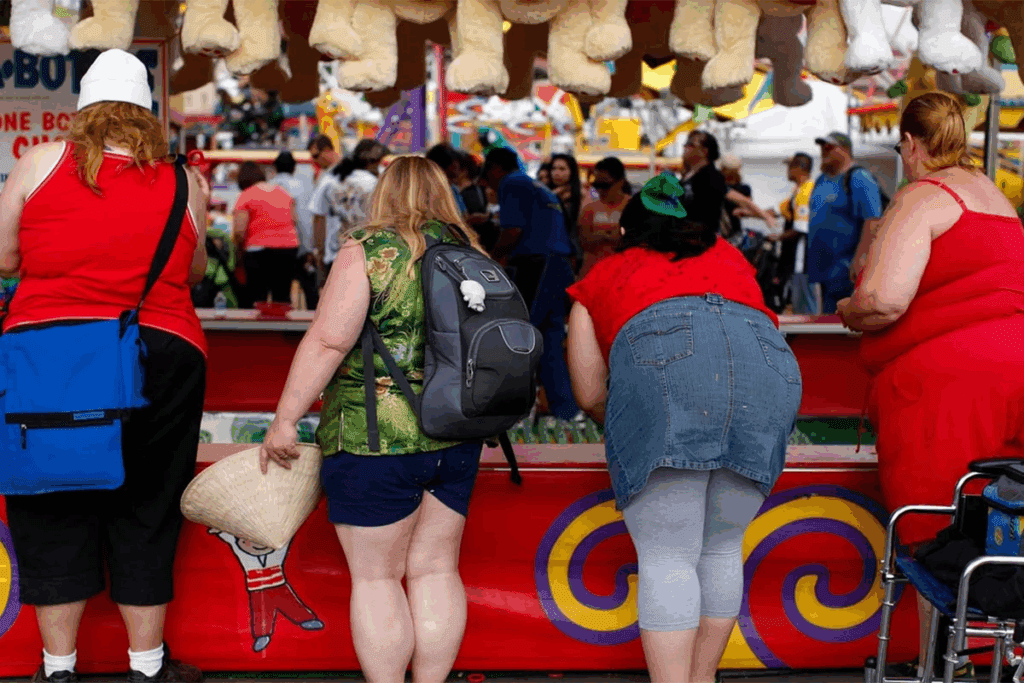
France has the lowest obesity rate in Europe, with 9.7% of adults being obese. This is a big deal for the country’s health policies, diet, and lifestyle. It shows how France stands out in health statistics.
Lowest in Europe
France’s low obesity rate comes from many factors. The “French diet” is full of fruits, veggies, and good dairy. This diet helps keep people at a healthy weight. Also, the way France values meals and food culture helps people eat better.
Key factors contributing to France’s low obesity rate include:
- A diet rich in fresh produce and lean proteins
- Cultural attitudes that promote mindful eating
- An emphasis on family meals and social dining
- Regular physical activity as part of daily life
Comparative Analysis with Neighboring Countries
France’s obesity rate is much lower than its neighbors. For example, the UK has over 25% obese adults. Germany and Italy have rates of around 19% and 12%, respectively.
The comparative analysis highlights several key differences:
- Dietary habits: France focuses on whole, nutrient-dense foods, unlike other countries’ diets.
- Physical activity levels: France’s daily walking and cycling help keep obesity rates low.
- Public health policies: France’s strong health education and prevention efforts are key.
Looking at these factors helps us understand France’s success. It also shows what other countries can learn to fight obesity.
Demographic Analysis of Obesity in France
Looking at obesity in France shows us different patterns in various groups. It’s key to know these details to fight obesity effectively.
Gender Disparities
Studies show that obesity rates differ between men and women in France. By 2020, 16.7% of men and 17.4% of women were obese. This small gap suggests we need to focus on both genders when tackling obesity.
Age Distribution and High-Risk Groups
Age plays a big role in obesity, with some groups being more at risk. Young people’s statistics are alarming, showing we must act early. As we get older, our lifestyles and metabolism can lead to more obesity.
- Young adults (18-24 years old) are at higher risk due to lifestyle transitions.
- Middle-aged individuals may experience weight gain due to decreased physical activity.
- Older adults face challenges related to metabolic slowdown and possible mobility issues.
Regional Variations Across French Territories
Obesity rates change a lot across France’s regions. Urban vs. rural areas, money, and healthcare access all play a part. Knowing these differences helps us create better health plans for each area.
By studying these demographics, we can grasp the obesity issue in France better. This knowledge helps us make stronger plans to fight this growing health problem.
Alarming Trends in Youth Obesity
Obesity among young people in France is a big worry. It shows us bigger health and society problems. We need to look closely at this issue.
Quadrupling Rates Among Young Adults
Obesity in 18 to 24-year-olds has grown a lot, four times more than in 1997. This fast growth shows how young adults’ lives and eating habits are changing. It’s a big problem for their health and for the healthcare system too.
What’s causing this rise? It might be because of money issues, lifestyle changes, and new eating habits that are different from the old French ways.
Childhood Obesity Patterns
Childhood obesity in France is also a big worry. Poor kids are three times more likely to be obese than richer kids. This shows how money can affect health.
What leads to childhood obesity includes:
- Not having access to healthy food in poor areas
- Different lifestyles and how much they move
- Money status can change how they eat and know about food
Fixing these problems is key to fighting youth obesity. By finding the causes and solving them, we can make young people in France healthier.
Socioeconomic Determinants of Obesity in France
The link between socioeconomic factors and obesity in France is complex. It involves income gaps and education levels. Knowing these factors is key to fighting obesity effectively.
Income Inequality: Poor Children 3x More Likely to Be Obese
Income inequality greatly affects obesity rates in France, mainly among kids. Studies show that poor children are up to three times more likely to be obese than richer kids. This difference comes from less access to healthy food and safe places to play in poorer areas.
Key statistics highlighting income inequality’s impact on obesity include:
Income Group | Obesity Rate Among Children |
Low-income | 21.4% |
Middle-income | 12.1% |
High-income | 7.3% |
Educational Attainment and Obesity Correlation
Educational level also plays a big role in obesity rates in France. People with more education usually have lower obesity rates. This is because education helps them make better choices about food and lifestyle.
The correlation between educational attainment and obesity can be seen in the following data:
Educational Level | Obesity Prevalence |
Primary Education | 25.6% |
Secondary Education | 18.3% |
Tertiary Education | 10.9% |
By grasping the socioeconomic roots of obesity, like income gaps and education, we can create specific plans to tackle obesity in France. This strategy will help lower obesity rates and boost public health.
The French Dietary Paradox and Obesity
Exploring the French dietary paradox reveals complex factors behind obesity in France. The traditional French diet focuses on quality ingredients and set mealtimes, linked to good health. Yet, obesity rates are rising, showing a move away from this traditional diet.
Traditional French Diet vs. Modern Eating Patterns
The traditional French diet emphasizes fruits, vegetables, and whole grains. It also values meals with flavor but not too big. But, modern eating in France is changing, influenced by global trends towards processed and fast foods. This change is seen more in younger people and those with busy lives.
To show the difference between old and new eating habits, let’s look at food categories:
Food Category | Traditional French Diet | Modern Eating Patterns |
Fruits and Vegetables | High consumption, often fresh and seasonal | Variable, sometimes lower due to convenience foods |
Grains | Whole grains, bread as a staple | Increasingly refined grains, more processed snacks |
Protein Sources | Diverse, including fish, poultry, and lean meats | More processed meats and fast food |
Cultural Attitudes Toward Food and Weight
In France, food is enjoyed and eating is a social activity. But, these views are changing, with body weight perceptions aligning with global standards. It’s key to understand these cultural shifts to tackle obesity effectively.
The French love for food can sometimes clash with the need for a healthy weight. As modern eating habits grow, finding a balance is vital. This balance should keep the joy of French cuisine while encouraging healthier eating.
By studying the mix of old diets and new influences, we grasp the French dietary paradox and its obesity links. This insight will guide efforts to promote healthy eating and lower obesity in France.
Government Policies and Public Health Initiatives
To fight rising obesity, France has started several public health plans. These plans aim to encourage healthy eating and regular exercise for everyone.
National Nutrition and Health Programs
The French government created the National Nutrition and Health Program (PNNS) to tackle obesity. PNNS promotes balanced diets and healthy lifestyles through campaigns and education. It supports nutritional labeling, physical activity, and healthy eating.
The PNNS has helped people understand the value of good nutrition and health. It guides healthy eating and exercise through schools, healthcare, and community centers.
School-Based Interventions and Regulations
Schools are key in France’s fight against obesity. The government has set rules to make schools healthy places for students. This includes more physical education, healthy meals, and fewer unhealthy snacks.
Schools are important in shaping kids’ eating and exercise habits. By teaching health in school and encouraging good habits, kids can stay healthy for life.
Success of these efforts depends on ongoing checks and improvements. France can make its obesity-fighting plans better by regularly reviewing them.
Healthcare System Approaches to Obesity Management
In France, the healthcare system tackles obesity with various strategies. This includes multidisciplinary treatment and early intervention programs. The French healthcare system is known for its wide coverage, and obesity management is included in this.
Multidisciplinary Treatment Methods
The treatment of obesity in France involves a multidisciplinary approach. Doctors, nutritionists, and psychologists all play a role. This ensures patients get care plans that fit their needs.
Teams of different specialists work together for personalized care. This is key in managing obesity well. It leads to a better understanding of the patient’s condition and better results.
Preventive Services and Early Intervention
Preventive services are important in France’s fight against obesity. The system focuses on early intervention to stop obesity before it starts. Public health initiatives and educational programs are part of these efforts.
By starting early, the French healthcare system can help those at risk of obesity. This approach improves health outcomes for individuals and helps lower obesity rates in the population.
Conclusion: Future Projections and Challenges
Looking at obesity in France today, we see it’s a big challenge. We need to keep working hard and plan well to solve it. France’s obesity rate is likely to change, with big hurdles in fighting poverty and promoting healthy living.
Our study shows how important demographics and money status are in obesity rates. To fight obesity, we must create special plans for different groups. These plans should help everyone live healthier.
Looking ahead, we need to keep investing in health programs and healthcare. We also need to support community efforts. This way, we can lower obesity rates and make France healthier for the future.
Changing the future of health in France will take teamwork. Healthcare experts, leaders, and community members must work together. Together, we can build a healthier France for all.
FAQ
What is the current obesity rate in France?
France has a low obesity rate in Europe. About 21.5% of adults are obese.
How has the obesity rate in France changed over time?
Obesity rates in France have gone up slowly. There’s been a big increase in obesity among some groups.
How does France’s obesity rate compare to other European countries?
France has a lower obesity rate than many European countries. This is partly due to how people view food and diet.
Are there any demographic disparities in obesity rates in France?
Yes, obesity rates vary across different groups in France. This includes differences by gender, age, and socioeconomic status.
What is the prevalence of obesity among children and adolescents in France?
Childhood obesity is a big worry in France. About 17% of kids aged 5-17 are overweight or obese.
How do socioeconomic factors influence obesity rates in France?
Income and education affect obesity rates in France. Poorer and less educated groups face higher risks.
What is the French dietary paradox, and how does it relate to obesity?
The French dietary paradox is about the old French diet being healthy but modern eating leading to obesity.
What government policies and public health initiatives are in place to address obesity in France?
France has programs like the National Nutrition and Health Program. They aim to promote healthy eating and lower obesity.
How does the French healthcare system approach obesity management?
France’s healthcare system uses many treatments and preventive services for obesity. They focus on early help and full care.
What are the future projections and challenges for addressing obesity in France?
France is making progress against obesity but faces challenges. These include rising rates in some groups and the need for ongoing health efforts.
What is the “obesity paradox”?
The “obesity paradox” is when being overweight might not be as bad as thought. This is true in some diseases.
How does BMI relate to obesity in the French population?
BMI is used to define obesity. France has a relatively low average BMI but obesity rates are increasing.
References
National Center for Biotechnology Information. Evidence-Based Medical Guidance. Retrieved from https://www.ncbi.nlm.nih.gov/pmc/articles/PMC9918095/



 Departments
 Related Videos
 Our Doctors
 News
News