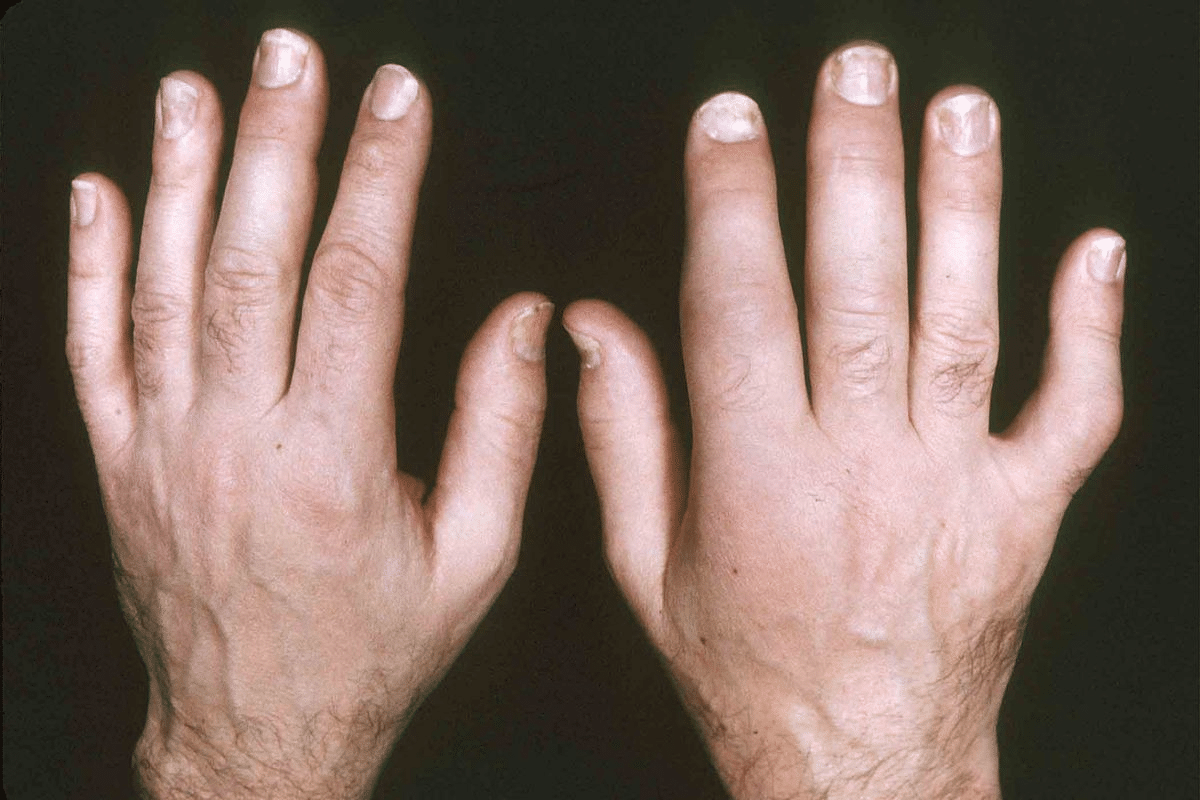
Frontotemporal dementia (FTD) is a brain disease that changes how people act, think, and talk. Knowing what to expect with FTD is key for those affected and their loved ones. Need to know about frontotemporal dementia life expectancy? Get vital insights into prognosis and factors affecting the progression of FTD now.
FTD usually shortens a person’s life by 7 to 13 years after symptoms start. But, how long someone lives with FTD can vary a lot. Getting the right diagnosis and care is vital for those dealing with this disease.
Key Takeaways
- FTD is a progressive neurodegenerative disorder with varying life expectancy.
- The average life expectancy after FTD symptom onset ranges from 7 to 13 years.
- Accurate diagnosis and compassionate care are key for supporting patients.
- Individual factors and disease subtype greatly affect FTD prognosis.
- Using proven treatments is important for better patient outcomes.
Understanding Frontotemporal Dementia

Frontotemporal dementia (FTD) is a serious brain disease. It harms the frontal and temporal lobes. We’ll look at what it is, its symptoms, and how it’s different from other dementias.
Definition and Brain Regions Affected
FTD causes the frontal and temporal lobes to break down. This leads to changes in personality, behavior, and language. The frontal lobe helps with making decisions and controlling behavior. The temporal lobe is key for understanding and processing language.
The damage to these areas shows in FTD symptoms. These symptoms can be different for everyone.
Common Symptoms and Manifestations
FTD symptoms depend on the brain areas affected. They often include big changes in behavior, language problems, and motor issues. Some people might become very apathetic or lose control of their behavior. Others might struggle with speaking or understanding language.
- Behavioral changes, such as apathy or disinhibition
- Language difficulties, including speaking, understanding, reading, or writing
- Motor problems, such as weakness, tremors, or difficulty with coordination
How FTD Differs from Alzheimer’s Disease
FTD is different from Alzheimer’s in several ways. Alzheimer’s mainly affects memory, while FTD impacts behavior, language, and motor skills early on. Also, FTD usually starts at a younger age than Alzheimer’s.
|
Characteristics |
Frontotemporal Dementia (FTD) |
Alzheimer’s Disease |
|---|---|---|
|
Primary Symptoms |
Behavioral changes, language difficulties |
Memory loss |
|
Age of Onset |
Typically younger (40s-60s) |
Usually older (65+) |
|
Brain Regions Affected |
Frontal and temporal lobes |
Multiple areas, including hippocampus |
Frontotemporal Dementia Life Expectancy

Knowing how long someone with Frontotemporal Dementia (FTD) might live is key. It helps patients, caregivers, and doctors plan better care and support.
Average Survival Rates After Diagnosis
Studies say people with FTD usually live 7 to 13 years after they’re diagnosed. But, how long someone lives can change a lot. This depends on the type of FTD, how old they were when diagnosed, and if they have other health issues.
Survival rates after diagnosis are very important for knowing what to expect. Research shows that people with FTD usually live 3 to 7 years after they’re told they have it. This time can vary based on the patient’s specific situation.
Survival Rates After Symptom Onset
Looking at survival rates after symptom onset, the time frame is a bit longer. On average, people with FTD live 8 to 12 years after they start showing symptoms. But, this time can change a lot. It depends on how fast the disease gets worse and how well symptoms are managed.
Variability in Individual Prognosis
One big thing about FTD life expectancy is how different each person’s journey can be. This is because of genetics, lifestyle, and healthcare access. This shows why it’s so important to have care plans that are tailored to each person and to keep a close eye on how they’re doing.
Understanding these factors helps doctors give better care. It also helps patients and their families make informed choices about their care and support needs.
Life Expectancy Across Different FTD Subtypes
Frontotemporal dementia (FTD) has different subtypes, each with its own life expectancy. Knowing these differences helps patients and caregivers plan for the future.
Behavioral Variant FTD (bvFTD)
Behavioral variant FTD is common, marked by changes in personality and behavior. Studies show a median survival of about 9 years after symptoms start. But, survival times can vary a lot.
A study found bvFTD patients live about 8.7 years after symptoms appear. Some live up to 15 years or more. This shows the need for personalized care and support.
Semantic Dementia
Semantic dementia affects understanding words and concepts. Research says it can last from 8 to 12 years after symptoms start.
A study showed patients with semantic dementia decline gradually. Some keep certain skills longer. This highlights the need for tailored treatments.
Progressive Non-Fluent Aphasia
This subtype makes speech hard, including trouble speaking and understanding. Life expectancy ranges from 6 to 12 years after symptoms start.
Progression can be slow in some cases. Early speech therapy can greatly improve life quality. It’s key for these patients.
FTD with Motor Neuron Disease/ALS
This subtype is aggressive, combining FTD’s symptoms with ALS’s motor symptoms. It has a poor prognosis, with a median survival of 2-3 years after symptoms start.
A study on this subtype showed it progresses quickly. Early diagnosis and care planning are essential. A multidisciplinary approach is needed.
In summary, life expectancy varies greatly among FTD subtypes. It ranges from a few years for FTD with motor neuron disease/ALS to over a decade for others. Understanding these differences is key for proper care and support.
Key Factors Influencing FTD Survival Rates
Several key factors play a significant role in determining the survival rates of patients with Frontotemporal Dementia. Understanding these factors can help in managing the condition more effectively and improving the quality of life for those affected.
Age at Symptom Onset
The age at which symptoms of FTD first appear can significantly influence survival rates. Generally, individuals who develop symptoms at a younger age tend to have a longer survival period compared to those who develop symptoms later in life.
- Early Onset: Patients with early-onset FTD (before the age of 60) often experience a slower disease progression.
- Late Onset: Those with late-onset FTD may have a more rapid progression of the disease.
Genetic Mutations and Family History
Genetic mutations play a significant role in FTD, with a significant portion of patients having a family history of the condition. Certain genetic mutations can influence the age of onset and the rate of disease progression.
- GRN Mutations: Associated with a more variable age of onset and survival duration.
- C9ORF72 Mutations: Often linked with a more predictable disease course.
- MAPT Mutations: Can result in a wide range of disease severities and survival rates.
Comorbid Medical Conditions
The presence of other medical conditions can complicate the management of FTD and impact survival rates. Conditions such as cardiovascular disease, diabetes, and respiratory infections can significantly affect the overall health of FTD patients.
- Cardiovascular Disease: Increases the risk of mortality in FTD patients.
- Infections: Such as pneumonia, which can be a common cause of death in advanced stages.
Access to Specialized Care
Access to specialized care, including neurology services, rehabilitation, and supportive therapies, can significantly influence the quality of life and survival rates of FTD patients. Early diagnosis and intervention can help manage symptoms more effectively.
We recommend that patients and caregivers seek out comprehensive care programs that address the multifaceted needs of those living with FTD.
Stages of FTD and Disease Progression
Knowing the stages of FTD is key for patients and caregivers. FTD moves at different speeds. Some people live over 10 years after being diagnosed, while others live less than 2.
Early Stage Symptoms and Timeline
In the early stages, symptoms can be small. They might include changes in behavior, personality, or how someone talks. People might feel less empathy or have compulsive behaviors.
This stage can last from 2 to 4 years. Early diagnosis is critical for managing symptoms and planning for the future.
Middle Stage Progression
As FTD moves to the middle stage, symptoms get worse. Thinking skills decline faster, and behavior changes can be tough. People might need help with daily tasks.
In the middle stage, people need more help from caregivers. Supportive care is key to keeping their quality of life good.
Advanced Stage Manifestations
In the advanced stage, people lose a lot of thinking and motor skills. They might struggle to talk and need full-time care.
At this stage, people need a lot of help with everything. Palliative care focuses on comfort and managing symptoms.
End-of-Life Considerations
At the end of life, FTD patients need help with pain and discomfort. Caregivers are very important for emotional support and keeping dignity.
|
Stage |
Typical Symptoms |
Care Considerations |
|---|---|---|
|
Early Stage |
Subtle behavioral changes, mild cognitive decline |
Early diagnosis, planning for future care |
|
Middle Stage |
Pronounced cognitive decline, increased dependency |
Supportive care, assistance with daily activities |
|
Advanced Stage |
Significant cognitive and motor decline, full-time care needed |
Palliative care, managing symptoms, maintaining dignity |
Understanding FTD’s progression and stages helps patients and caregivers prepare. It helps them make informed decisions about care.
Research Findings on FTD Prognosis
Recent studies have given us new insights into Frontotemporal Dementia. They tell us about survival rates and how the disease progresses. This growing knowledge helps patients, caregivers, and doctors understand and manage FTD better.
Recent Clinical Studies on Survival
Recent studies have looked into how long FTD patients live after diagnosis. They found that survival times vary a lot. This depends on the type of FTD and the patient’s health.
A study in a top neurology journal found that survival times range from 6 to 11 years. This depends on the FTD subtype.
Comparison of International Data
Looking at FTD data from around the world shows both similarities and differences. Genetic and environmental factors play a big role in FTD prognosis. For example, some genetic mutations can greatly affect survival times.
Sharing data globally is key to understanding these differences. It helps improve care worldwide.
Evolving Understanding of Progression Rates
Our knowledge of FTD progression is growing. New studies are finding biomarkers and other signs that predict how fast the disease will progress. This helps in creating better care plans.
Research shows that some symptoms can mean the disease is progressing faster. This allows for more personalized care.
As we learn more about FTD, we’ll understand its prognosis better. This knowledge helps healthcare providers and caregivers give the best care possible.
Medical Management and Its Impact on Lifespan
Effective medical management is key for improving life quality and possibly extending life for those with Frontotemporal Dementia (FTD). There’s no cure for FTD yet. But, different treatments and ways to manage symptoms can greatly improve care.
Current Treatment Approaches
For FTD, treatments aim to manage symptoms. The disease progresses differently in each person. We use various treatments, both medicines and non-medicines, based on each patient’s needs.
- Medicines like antidepressants or antipsychotics help manage behavior.
- Non-medicines include therapy to keep skills and abilities.
Symptom Management Strategies
Managing symptoms is vital in FTD care. We create plans for each patient. These plans tackle cognitive, behavioral, and motor symptoms.
|
Symptom Type |
Management Strategies |
|---|---|
|
Cognitive Symptoms |
Cognitive training, memory aids, and strategies to help |
|
Behavioral Symptoms |
Behavioral therapy, changing the environment, and medicine |
|
Motor Symptoms |
Physical therapy, occupational therapy, and tools to help |
Emerging Therapies and Clinical Trials
Research into FTD is ongoing. New therapies and trials are promising. We keep up with these to offer our patients new treatments that might slow the disease or improve symptoms.
Palliative Care Considerations
Palliative care is vital for FTD management. It focuses on easing symptoms, pain, and stress. We work with palliative care teams to support our patients and their families fully.
By using current treatments, managing symptoms, new therapies, and palliative care, we can greatly improve life quality. This might also extend life for those with FTD.
Improving Quality of Life with FTD
Improving life for FTD patients needs a mix of non-medical help, care, and changes in the environment. A complete approach is key to better well-being for those with Frontotemporal Dementia.
Non-Pharmacological Interventions
Non-medical treatments are vital for managing FTD symptoms and improving results. Behavioral therapies like cognitive-behavioral therapy and validation therapy help with behavior. Speech and language therapy keeps communication skills sharp.
Occupational therapy helps patients stay independent by adapting to their surroundings. It also finds new ways for them to do daily tasks. Adding physical activity suited to the patient’s abilities boosts health.
Supportive Care Approaches
Supportive care is essential for FTD patients’ complex needs. It includes emotional support for the patient and their family. Caregiver support groups offer valuable resources and a community for those facing FTD challenges.
Respite care services give temporary relief to caregivers, helping them recharge. We stress the need for advance care planning to respect the patient’s wishes as the disease progresses.
Environmental Modifications
Environmental changes support FTD patients in their daily lives. Simplifying living spaces and making it safe by removing hazards helps. Labeling rooms and objects aids in navigating surroundings.
Creating a daily routine brings stability and predictability. Using visual cues guides patients through their day.
Maintaining Dignity Throughout Progression
Keeping the dignity of FTD patients is critical as the disease advances. Respecting their autonomy and involving them in decisions is important. Palliative care aims to ease symptoms and stress, improving life for patients and families.
We emphasize person-centered care, tailoring support to the individual’s needs and preferences. This ensures FTD patients receive caring and complete care throughout their journey.
Caregiving Through the FTD Journey
Caring for someone with Frontotemporal Dementia (FTD) is a journey filled with compassion and patience. It’s about understanding the disease’s progression. Caregivers support their loved ones through all stages of FTD, from diagnosis to the end of life.
Adapting Care as the Disease Advances
As FTD gets worse, the person’s needs change a lot. Caregivers must adjust their care to meet these new challenges. This might mean:
- Changing the home to make it safer and easier to get around
- Adjusting daily routines to fit the person’s new abilities
- Finding ways to communicate that work, even when language is hard
In the early stages, people with FTD might need help with things like money. Later, they might need help with simple tasks like bathing.
Caregiver Challenges and Support Resources
Caring for someone with FTD can be tough. Caregivers face challenges like:
- Handling mood swings and behavioral changes
- Dealing with the emotional toll of watching a loved one decline
- Finding a balance between caregiving and other life responsibilities
To help, caregivers can find support. This includes:
- Support groups for connection and understanding
- Professional counseling to manage stress
- Respite care for a break
Legal, Financial, and End-of-Life Planning
As FTD gets worse, planning is key. This includes:
- Setting up advance directives and powers of attorney
- Planning for long-term care and money management
- Talking about end-of-life wishes with healthcare providers
By planning ahead, we can make life better for those with FTD and their caregivers.
Conclusion: Navigating Life with an FTD Diagnosis
Getting a frontotemporal dementia (FTD) diagnosis is tough for patients and their families. Knowing how long the disease lasts and how it progresses is key. We’ve looked at FTD’s different types, how long people live with it, and what affects their outcome.
Living with FTD means taking a full approach. This includes medical care, support, and making lifestyle changes. Patients and caregivers need to work together to handle symptoms, keep dignity, and improve life quality. Support groups, counseling, and home care can help a lot.
It’s important to know that FTD, like Pick’s disease, can last differently for everyone. Life expectancy varies, making tailored care and support vital. By understanding FTD and its diagnosis, families can prepare better and make informed care choices.
FAQ
What is frontotemporal dementia (FTD) and how does it differ from Alzheimer’s disease?
Frontotemporal dementia is a rare brain disorder. It affects the frontal and temporal lobes. Unlike Alzheimer’s, FTD has different symptoms and brain areas affected, and it starts at a younger age.
What is the average life expectancy for someone diagnosed with FTD?
People with FTD usually live 7 to 13 years after they start showing symptoms.
How do different subtypes of FTD affect life expectancy?
Life expectancy varies with FTD subtypes. For example, some subtypes like behavioral variant FTD have different life spans.
What factors influence the survival rate of FTD patients?
Survival rates depend on several factors. These include age at diagnosis, genetic mutations, other health conditions, and access to care.
What are the stages of FTD and how do they progress?
FTD goes through stages. These include early symptoms, middle stage, advanced stage, and end-of-life considerations.
How can quality of life be improved for FTD patients?
Improving quality of life involves non-pharmacological interventions and supportive care. Environmental changes and maintaining dignity also help.
What are the challenges of caregiving for FTD patients?
Caregivers face many challenges. These include adapting care, managing behavioral changes, and finding support.
What is the role of palliative care in managing FTD?
Palliative care aims to ease symptoms and improve life quality. It helps FTD patients and their families.
Are there any emerging therapies or clinical trials for FTD?
Yes, research is ongoing. New therapies and trials are being explored to slow disease progression or manage symptoms.
How can families plan for the future when dealing with an FTD diagnosis?
Families should plan legally, financially, and for end-of-life. This ensures support for their loved ones.
What is the prognosis for FTD patients with motor neuron disease/ALS?
FTD patients with motor neuron disease/ALS have a poorer prognosis. Their motor symptoms progress quickly.
How does age at symptom onset impact FTD life expectancy?
Age at symptom onset greatly affects life expectancy. Earlier onset often means a longer disease duration.
National Center for Biotechnology Information. Foods Linked to Dementia Risk: Harvard & Fisher Center Studies. Retrieved from https://pubmed.ncbi.nlm.nih.gov/39813632/