Afterfull liquid diet after bariatric surgery is key for recovery and weight loss. You can only eat liquids or foods that turn into liquid at room temperature. This helps your body get the nutrients it needs without hurting your stomach.
This diet might seem limited, but it’s vital for your health during this time. Following special nutrition rules helps your body heal right. It also lowers the risk of problems.
Key Takeaways
- A full liquid diet is key after bariatric surgery for recovery and weight loss.
- This diet includes only liquids or foods that become liquid at room temperature.
- Good nutrition is key for healing and avoiding problems.
- Patients must stick to specific diet rules during this time.
- A full liquid diet gives your body the nutrients it needs without upsetting your stomach.
Understanding the Bariatric Surgery Recovery Process
Recovering from bariatric surgery needs careful planning and sticking to a specific diet. The recovery has many stages, all important for the surgery’s success.
Types of Bariatric Procedures
Bariatric surgery includes several types, all aimed at helping patients lose weight. The most common ones are:
- Roux-en-Y Gastric Bypass: This makes a small pouch from the stomach and connects it to the small intestine.
- Sleeve Gastrectomy: It removes a big part of the stomach, leaving a narrow “sleeve” stomach.
- Adjustable Gastric Banding: An adjustable band is placed around the stomach’s upper part to make a small pouch.
Each procedure has its own benefits and needs. Knowing which surgery you’re getting is key to preparing for recovery.
The Importance of Dietary Phases
The diet phases after surgery help with healing and getting the right nutrients. The diet starts with clear liquids, then full liquids, and ends with solid foods.
Patients go through these diet stages to help their stomach heal and adjust. Following these stages is important to avoid problems and get good results.
Recovery Timeline Overview
The recovery time after surgery varies based on the procedure and the patient. The first few weeks are usually the hardest, with close monitoring by doctors.
Knowing the recovery timeline helps patients get ready for what’s ahead. It also helps them understand the healing process better.
What Is a Full Liquid Diet After Bariatric Surgery?
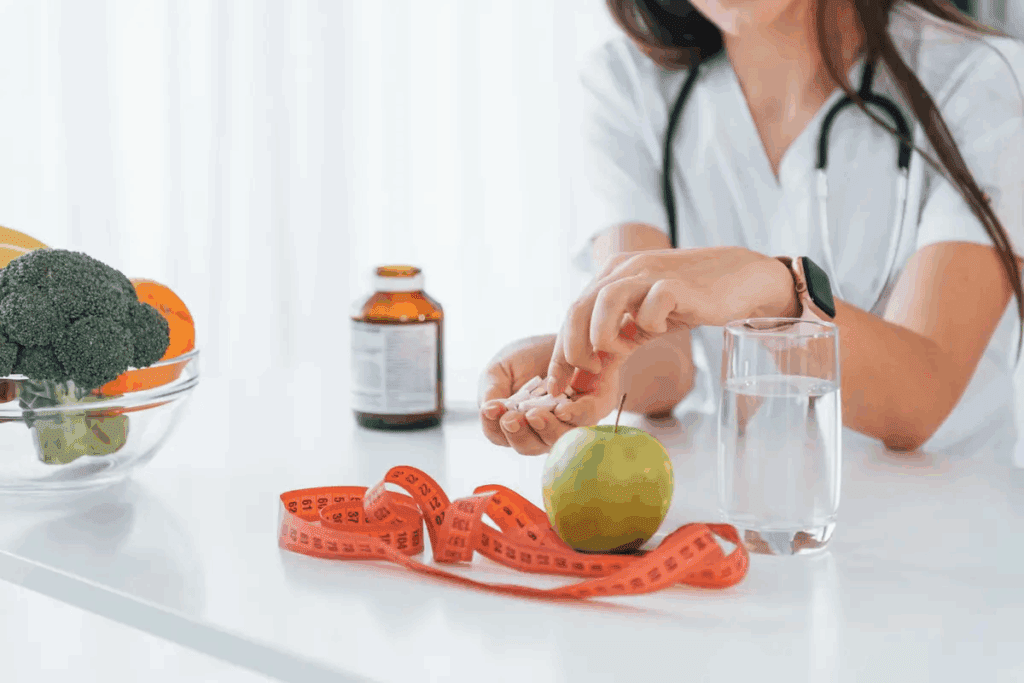
The full liquid diet is a key part of recovery after bariatric surgery. It helps with healing by giving the body the nutrients it needs. At the same time, it’s gentle on the digestive system.
Definition and Characteristics
Foods on a full liquid diet are either already liquid or turn liquid at room temperature. Think of things like yogurt, strained soups, fruit juice, and protein shakes. These foods are easy to digest, which helps avoid discomfort or problems after surgery.
Key characteristics of a full liquid diet:
- Foods are liquid or become liquid at room temperature
- Easy to digest, minimizing stress on the digestive system
- Includes nutrient-rich foods like protein shakes and strained soups
Difference Between Clear and Full Liquid Diets
It’s important to know the difference between clear and full liquid diets. Clear liquids are things like broth, clear juice, and water. Full liquid diets, on the other hand, include a wider variety of foods that are liquid or turn liquid at room temperature. This means full liquid diets offer more nutritional value.
The key difference lies in the nutritional content: clear liquid diets are often low in calories and protein. Full liquid diets, though, can provide more substantial nutrition through foods like yogurt and protein shakes.
Purpose in the Healing Process
The main goal of a full liquid diet after bariatric surgery is to aid in healing. It gives patients the nutrients they need to recover without overloading their digestive system. This diet is a stepping stone to eating more solid foods later on.
The full liquid diet serves several purposes:
- Provides necessary nutrition for healing
- Reduces the risk of post-operative complications
- Helps patients transition to more solid foods gradually
When to Start Your Full Liquid Diet
The full liquid diet is a key part of care after bariatric surgery. It’s important to know when to move from clear liquids to thicker ones. This helps your body heal and get stronger.
Transitioning from Clear Liquids
Most patients start the full liquid diet by day two after surgery. How fast you move depends on how well you’re doing. Always listen to your body and adjust your diet as needed.
When you’re ready to move on, consider these things:
- Can you handle clear liquids without feeling sick?
- Are you dealing with any surgery complications?
- Is your health and hydration good?
Typical Timeline After Different Procedures
The full liquid diet usually lasts 1-2 weeks, depending on your surgery. Here’s a quick guide:
| Procedure | Typical Full Liquid Diet Duration |
|---|---|
| Roux-en-Y Gastric Bypass | 7-10 days |
| Sleeve Gastrectomy | 7-14 days |
| Adjustable Gastric Banding | 5-10 days |
Remember, everyone heals at their own pace. Your doctor will guide you based on your progress.
Signs You’re Ready to Progress
Here’s how to know it’s time for the full liquid diet:
- You can handle clear liquids without feeling sick.
- You’re drinking enough water and making plenty of urine.
- You feel little to no pain when drinking liquids.
If you’re showing these signs, it’s probably time to move to the full liquid diet. Just make sure to follow your doctor’s advice.
Nutritional Requirements During the Full Liquid Phase
It’s important to get enough nutrients after bariatric surgery. Your body needs certain nutrients to heal and stay healthy.
Daily Protein Goals
Getting enough protein is key for recovery and to keep muscles from shrinking. Aim for 40-70 grams of protein each day. You can get this from protein shakes or clear broths with protein powder.
Here are some tips to help you meet your protein needs:
- Drink protein shakes between meals
- Add protein powder to your broths or soups
- Choose protein-fortified beverages
Hydration Needs
Drinking enough water is very important during this time. We suggest drinking two to four ounces of fluid per meal, four times daily. This means at least eight ounces of fluid a day. But, your needs might change based on how active you are and your health.
Vitamin and Mineral Supplementation
Because your diet is limited, you’ll need to take vitamins and minerals. Your doctor might suggest certain supplements to make sure you get all the nutrients you need. These can include:
- Multivitamins
- Calcium
- Vitamin D
- Vitamin B12
Always listen to your doctor about taking supplements. This helps prevent any nutrient deficiencies.
Portion Sizes and Eating Frequency
After bariatric surgery, it’s key to balance portion sizes and eating frequency. This ensures patients get the nutrients they need without discomfort. It’s all about finding the right balance.
The 2-4 Ounce Rule
Patients should aim for 2-4 ounces of fluid per meal. This rule helps avoid overfilling the small stomach pouch. Too much can cause discomfort, nausea, or vomiting.
Using small cups or measuring cups helps gauge portions accurately. This habit is important for a successful full liquid diet.
Recommended Meal Frequency
Eating 4-6 times a day is advised during the full liquid diet phase. This keeps nutrition and hydration levels up. It also lowers the risk of dehydration and nutrient deficiencies.
Planning meals in advance makes eating more manageable. Keeping liquid nutrition sources handy helps graze throughout the day.
Sipping Techniques
Proper sipping techniques are essential to avoid discomfort. Patients should sip slowly and steadily. This prevents swallowing air, which can cause gas and discomfort.
Using a straw can help control liquid flow. But, be careful not to create too much suction, which can also lead to swallowing air.
Avoiding Overfilling
Overfilling the stomach pouch can cause serious issues. Patients should listen to their body’s signals and stop when satisfied, not full. Drinking too quickly or too much at once should be avoided.
“The key to success on a full liquid diet is patience and mindfulness. By paying attention to portion sizes and eating frequency, patients can navigate this phase more comfortably and set themselves up for long-term success after bariatric surgery.”
By following these guidelines, patients can manage the full liquid diet phase well. This helps them move smoothly towards solid foods in their recovery journey.
Approved Foods for Your Full Liquid Diet After Bariatric Surgery
Knowing which foods are okay during the full liquid diet phase can make recovery easier. We’ll cover the main food groups that are good for you during this time.
Protein Sources
Protein is key for healing and keeping muscle. Good protein sources include:
- Protein shakes or supplements
- Clear protein broths
- Thin, strained protein soups
Choose protein sources low in sugar and fat. Protein shakes are great because they’re easy to digest and can be had often.
Broths and Soups
Broths and soups help with hydration and give important nutrients. Good choices are:
- Clear broths (chicken, beef, or vegetable)
- Strained soups (cream-based soups are generally not recommended unless strained)
Clear broths are great because they’re gentle on the stomach and keep you hydrated.
Fruit and Vegetable Options
On a full liquid diet, you can have certain fruit and vegetable products, like:
- Fruit juices (without pulp)
- Strained vegetable purees
Make sure these are strained to avoid pulp or chunks that are hard to digest.
Approved Beverages
Other drinks you can have include:
- Water
- Milk
- Clear fruit juices
Drinking lots of fluids is important. But, avoid drinks with caffeine or lots of sugar.
| Food Category | Approved Foods |
|---|---|
| Protein Sources | Protein shakes, clear protein broths, thin strained protein soups |
| Broths and Soups | Clear broths, strained soups |
| Fruit and Vegetable Options | Fruit juices without pulp, strained vegetable purees |
| Approved Beverages | Water, milk, clear fruit juices |
By sticking to these approved foods, you can have an easier recovery after bariatric surgery. Always talk to your healthcare provider for specific diet advice.
Foods and Drinks to Avoid
We suggest avoiding certain foods and drinks after bariatric surgery. This helps ensure a smooth and safe recovery.
Carbonated Beverages
Drinks like soda and sparkling water can cause gas and discomfort. They might also lead to dumping syndrome. It’s wise to skip them in the early recovery stages.
Caffeine and Alcohol
Caffeine can make you dehydrated if you don’t drink enough water. Alcohol can also mess with your nutrition and interact with medicines.
High-Sugar Liquids
Drinks with lots of sugar, like fruit juices without pulp, are too rich for your stomach. They might make you feel nauseous or uncomfortable. It’s best to limit or avoid them.
Foods with Particles or Chunks
Any food that’s not fully liquid or has particles can be hard to digest. It might cause blockages or discomfort. Examples include soups with solid pieces, nuts, and seeds.
To summarize, here’s a table of foods and drinks to avoid during your full liquid diet:
| Category | Examples to Avoid |
|---|---|
| Carbonated Beverages | Soda, sparkling water |
| Caffeine and Alcohol | Coffee, tea, alcoholic beverages |
| High-Sugar Liquids | Fruit juices, sweetened beverages |
| Foods with Particles | Soups with solids, nuts, seeds |
By avoiding these foods and drinks, you can lower the risk of complications. This supports your body’s healing during the full liquid diet phase.
“The key to a successful recovery is following the dietary guidelines from your healthcare team. Avoiding certain foods and drinks is key during the full liquid diet phase.”
Sample Meal Plan for Bariatric Full Liquid Diet
After bariatric surgery, following a full liquid diet can be tough. But with the right meal plan, you can get the nutrients you need. This helps your recovery go smoothly.
Breakfast Options
Starting your day with a good breakfast is key. Here are some breakfast ideas:
- Protein Shakes: Mix protein powder with water, milk, or a non-dairy option.
- Clear Broths: Begin with chicken or vegetable broth for a gentle start.
- Yogurt: Choose plain, unflavored, and unsweetened yogurt for protein.
Lunch Ideas
For lunch, try these options:
- Protein-Rich Soups: Soups with chicken or beans are good choices.
- Smoothies: Blend with protein powder, yogurt, or milk for a filling meal.
- Nutritional Supplements: Some supplements are made for full liquid diets.
Dinner Suggestions
Dinner can include:
- Clear Soups: Clear soups are a good option like lunch.
- Protein Shakes: Protein shakes are convenient and nutritious.
- Low-Sugar Yogurt: Stick with plain, unflavored yogurt for protein.
Snack Recommendations
For snacks, try these:
- Protein Shakes: Protein shakes between meals help meet protein goals.
- Clear Juices: Diluted fruit juices or clear drinks with electrolytes.
- Electrolyte Drinks: These drinks help keep you hydrated and balanced.
Common Challenges and How to Overcome Them
Patients often face challenges during the full liquid diet phase. Hunger and taste fatigue are common issues. These can be managed with dietary adjustments. It’s important to be patient and understand how to overcome these obstacles.
Dealing with Hunger
Feeling hungry is normal during this phase. To manage it, drink protein-rich liquids. This helps you feel fuller for longer. Your healthcare provider can recommend protein shakes or supplements.
- Drink slowly and mindfully to avoid overfilling.
- Stay hydrated by sipping on water or other approved fluids throughout the day.
- Consider adding protein powder to your liquids to increase protein content.
Managing Taste Fatigue
Taste fatigue happens when you eat or drink the same things over and over. To avoid this, try different flavors and protein sources.
- Experiment with different flavors of protein shakes or supplements.
- Try clear broths or electrolyte-rich beverages for variety.
- Use ice cubes made from broth or juice to add flavor to your drinks.
Addressing Nausea or Discomfort
Nausea or discomfort can be a challenge. To help, eat or drink slowly. Also, avoid extreme temperatures.
- Sip liquids slowly to prevent overwhelming your stomach.
- Avoid mixing hot and cold liquids in one session.
- If nausea persists, consult your healthcare provider for guidance.
Protein Intake Struggles
Meeting daily protein goals can be hard. Use protein supplements or shakes designed for bariatric patients.
- Choose protein-rich liquids that are easy to digest.
- Consult with your healthcare provider to determine the best protein supplements for your needs.
- Keep track of your protein intake to ensure you are meeting your daily goals.
By understanding these challenges and using the strategies above, patients can successfully navigate the full liquid diet phase. This helps them continue on their path to recovery.
Tips for Success on Your Full Liquid Diet
To succeed on a full liquid diet, planning is key. You need to focus on meal prep, flavor, tracking your food, and staying motivated. These steps are vital for a smooth recovery.
Meal Prepping Strategies
Meal prep is essential for a full liquid diet. It helps you stay consistent and saves time. Here are some tips:
- Prepare protein shakes and store them in the refrigerator for easy access.
- Make a large batch of broth or clear soup and portion it into individual servings.
- Use a cooler with ice packs to keep your liquids at the right temperature when you’re away from home.
Flavor Enhancement Ideas
Flavor can be a challenge on a full liquid diet. But, there are ways to make your liquids taste better without losing nutrients:
- Add a squeeze of fresh lemon or lime juice to your protein shakes or broths.
- Experiment with different flavor extracts, such as vanilla or almond, in your liquids.
- Use sugar-free sweeteners like stevia or erythritol to add sweetness without the calories.
Tracking Your Intake
It’s important to track your nutrition during a full liquid diet. This helps you stay on track and meet your nutritional needs. Use a food diary or a mobile app to log your intake.
Staying Motivated
Staying motivated on a full liquid diet can be tough. But, there are ways to keep going. Set small goals and reward yourself. Also, connect with others who understand what you’re going through for support.
| Tips | Benefits |
|---|---|
| Prepare liquids in advance | Saves time and ensures consistency |
| Enhance flavors | Makes the diet more enjoyable and varied |
| Track your intake | Ensures you’re meeting nutritional needs |
| Stay connected with support groups | Provides motivation and encouragement |
Transitioning to the Pureed Food Phase
Starting to eat pureed foods is a big step after bariatric surgery. You’ll move from liquids to thicker foods, getting closer to eating solids.
Signs You’re Ready to Progress
Before you start on pureed foods, watch for these signs:
- Tolerance to full liquids without discomfort
- Adequate hydration
- Meeting daily protein goals
- Minimal or no nausea/vomiting
Introducing New Textures Gradually
Start with small amounts of pureed foods and slowly increase the amount. Begin with foods as thick as liquids, then move to thicker purees.
Foods to Try First
Here are some good foods for the pureed phase:
- Pureed lean proteins (chicken, turkey)
- Mashed vegetables (cooked carrots, green beans)
- Fruit purees (applesauce, bananas)
- Thickened soups
What to Expect
When you start eating pureed foods, your stomach might take some time to adjust. Make sure to chew well and eat slowly.
| Food Type | Examples | Tips |
|---|---|---|
| Pureed Proteins | Chicken, Turkey | Ensure smooth consistency |
| Mashed Vegetables | Carrots, Green Beans | Cook until very tender |
| Fruit Purees | Applesauce, Bananas | Avoid adding sugar |
Remember to drink plenty of water and listen to your body during the pureed food phase. If you feel uncomfortable or have questions, talk to your doctor.
Conclusion
Successfully navigating the full liquid diet after bariatric surgery is key to recovery. Following dietary guidelines and understanding nutritional needs is important. This sets patients up for long-term success.
The full liquid diet is a vital part of recovery. It provides essential nutrients and helps reduce discomfort. Choosing the right foods and drinks ensures patients get the protein, vitamins, and minerals they need.
Every patient’s journey is unique. Staying committed to dietary guidelines and listening to the body’s needs is important. This helps ensure a smooth transition to the next stages of recovery.
By following the full liquid diet and subsequent phases, patients can achieve a successful recovery. This leads to a healthier and more fulfilling life.
FAQ
What is a full liquid diet, and how does it differ from a clear liquid diet?
A full liquid diet includes foods that are liquid or become liquid at room temperature. It offers more nutritional value than a clear liquid diet. The clear liquid diet includes only transparent liquids like broth or electrolyte-rich beverages.
How long do I need to stay on a full liquid diet after bariatric surgery?
The time needed varies based on the surgery type and individual progress. It usually lasts a few days to a week. Then, you move to a pureed diet.
What are the nutritional requirements during the full liquid phase?
During this phase, you need to get enough protein and stay hydrated. You also need to take vitamins and minerals to support healing and health.
What foods are allowed on a full liquid diet after bariatric surgery?
Allowed foods include protein shakes, broths, soups, yogurt, and certain fruit and vegetable juices. You can also have electrolyte-rich beverages.
What foods and drinks should I avoid during the full liquid diet phase?
Avoid carbonated drinks, high-sugar liquids, caffeine, alcohol, and foods with particles or chunks. This helps avoid discomfort and ensures a smooth recovery.
How do I manage portion sizes and eating frequency during the full liquid diet?
Consume 2-4 ounces per meal. Eat often throughout the day. Use sipping techniques to avoid overfilling.
Can I use Campbell’s soup for my liquid diet?
Yes, you can use Campbell’s soup, but make sure it’s strained. It should meet the full liquid diet criteria, avoiding any chunky or solid particles.
How do I transition from a full liquid diet to a pureed food phase?
Look for signs of readiness. Start introducing new textures gradually. Begin with smooth, easy-to-digest pureed foods.
What are some tips for success on a full liquid diet?
Meal prepping, flavor enhancement, tracking nutritional intake, and staying motivated are key. These strategies help you succeed during this phase.
How can I overcome common challenges like hunger, taste fatigue, and protein intake struggles?
Adjust meal frequency and explore different flavors. Incorporate various protein sources to meet nutritional needs and stay comfortable.
Is a 5-day liquid diet effective for weight loss?
A 5-day liquid diet can be effective for short-term weight loss. But, it’s important to follow a balanced and nutrient-rich diet for overall health and long-term weight management.
What is the role of a gastric sleeve liquid diet menu in the recovery process?
A gastric sleeve liquid diet menu provides a structured meal plan. It helps patients navigate the full liquid diet phase and ensures they meet their nutritional requirements.
How does a bariatric liquid diet menu support patients after surgery?
A bariatric liquid diet menu guides on approved foods, portion sizes, and meal frequency. It supports patients in their recovery and helps them achieve their nutritional goals.
References
Government Health Resource. Evidence-Based Medical Guidance. Retrieved from https://uihc.org/educational-resources/dietary-guidelines-post-bariatric-surgery
https://pubmed.ncbi.nlm.nih.gov/25813068