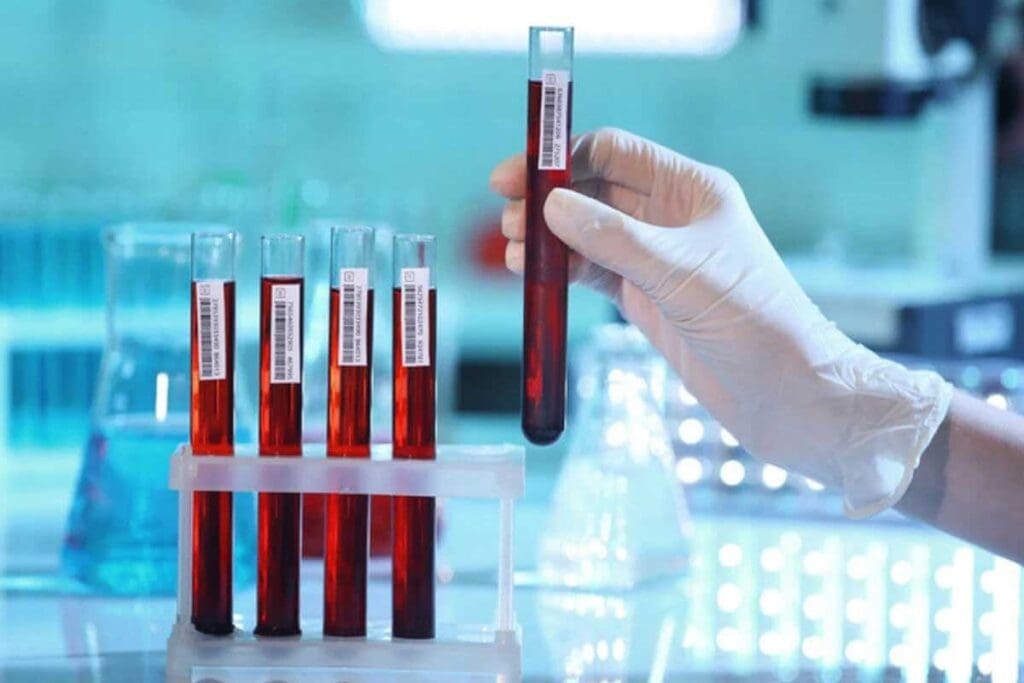
At Liv Hospital, we know how vital it is to check your overall health with blood tests. Our full panel test looks at many health markers. This gives us a clear picture of your health. We aim to keep improving healthcare at Liv Hospital.
Our test checks over 50 biomarkers in 12 important areas. This includes hormones, heart health, and metabolism. It helps us spot health issues early and keep you well. By choosing Liv Hospital’s full panel blood test, you’re taking a big step towards staying healthy.
Key Takeaways
- Comprehensive assessment of overall health through 50+ biomarkers
- 12 key areas of health are evaluated, including hormones and heart health
- Early detection and proactive wellness through advanced diagnostic tools
- Liv Hospital’s commitment to world-class, patient-centered care
- Continuous improvement in healthcare delivery
What Is a Full Panel Blood Test and Why Does It Matter
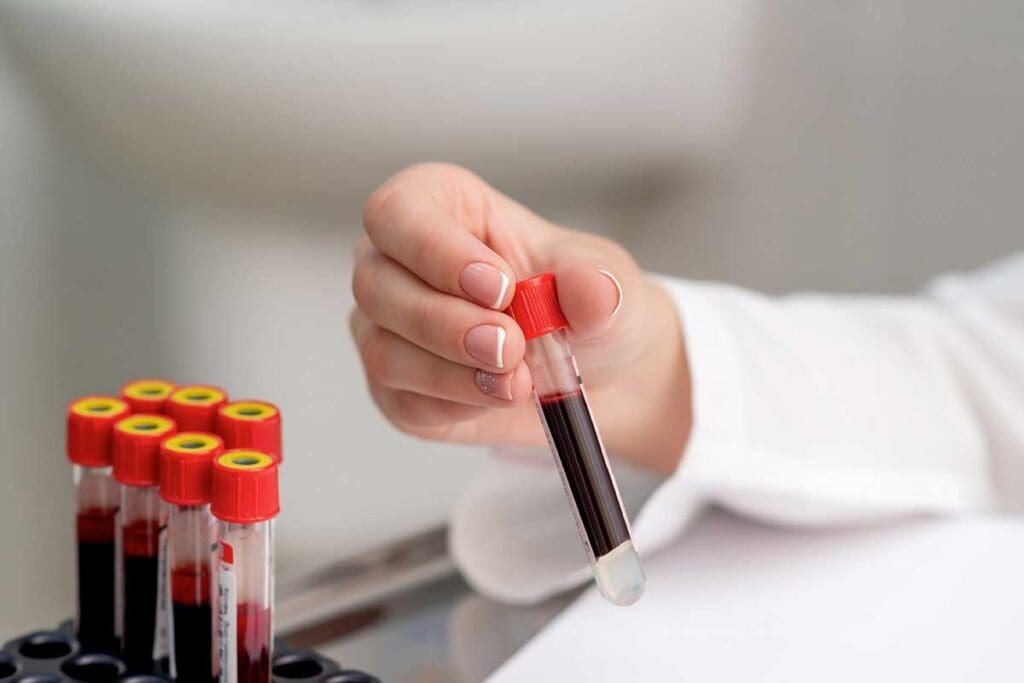
Comprehensive blood testing is key to preventive healthcare. It gives a detailed look at your health. A full panel blood test checks many health markers, helping find issues early.
A full panel blood test checks many health areas at once. This ensures no important health sign is missed. It gives a full view of your health to you and your doctor.
Definition and Components of a Complete Blood Panel
A complete blood panel includes several tests. These are the metabolic panel, complete blood count, lipid panel, and thyroid function tests. Each test looks at different health areas.
- Comprehensive Metabolic Panel (CMP): Checks your metabolism and organ function.
- Complete Blood Count (CBC): Looks at your blood’s components, like red and white blood cells.
- Lipid Panel: Checks your cholesterol and triglycerides for heart health.
- Thyroid Function Tests: Measures thyroid hormones to check thyroid health.
Benefits of Complete Blood Testing
Complete blood testing has many benefits. It helps find health problems early and supports preventive care. It helps spot risks and health concerns early, so you can make changes to stay healthy.
“Early detection is key to managing and preventing many health conditions. Complete blood testing provides a proactive approach to healthcare, empowering individuals to take control of their well-being.”
Some main benefits are:
| Benefit | Description |
| Early Detection | Finds health issues before symptoms show. |
| Comprehensive Health Assessment | Checks many health indicators at once. |
| Personalized Healthcare | Customizes lifestyle changes and treatments based on test results. |
Knowing about full panel blood tests helps you take charge of your health. You can make choices that support your well-being.
The 12 Essential Markers in a Full Panel Blood Test
Knowing the 12 key markers in a full panel blood test can give you insights into your health. This test checks many health areas, like heart health, how your body uses energy, and thyroid function.
Overview of Key Health Indicators
The 12 markers in a full-panel blood test give a detailed look at your health. They check things like how your body balances salts, how your kidneys and liver work, your blood sugar, and proteins. Doctors use these tests to spot problems early.
| Marker | Health Indicator |
| Electrolyte Balance | Sodium, Potassium, Chloride levels |
| Kidney Function | BUN, Creatinine levels |
| Liver Function | ALT, AST, and ALP levels |
How These Markers Reflect Overall Health
The markers in a full panel blood test show different parts of your health. For example, blood sugar levels can show diabetes risk, and lipid profiles can show heart health. Checking these markers often can help catch and prevent health problems early.
“Regular blood testing is a proactive step towards maintaining optimal health and preventing chronic diseases.”
Frequency Recommendations for Testing
How often you should get a full panel blood test depends on your health and risks. Usually, it’s good to get tested every year or when your doctor says so. Testing regularly helps track health changes.
By keeping an eye on the 12 essential markers, you can stay healthy and catch problems before they get worse.
Complete Blood Count (CBC): The First 3 Markers
Understanding our blood health starts with a Complete Blood Count (CBC). This test measures important elements that show our overall health. A CBC is a key tool that checks different parts of our blood. It gives us valuable insights into our health.
Red Blood Cell Count and Hemoglobin
The Red Blood Cell (RBC) count and hemoglobin levels are key. They tell us about anemia or other issues with red blood cells. Hemoglobin carries oxygen, and its levels can show problems like anemia or dehydration.
White Blood Cell Count and Immune Function
The White Blood Cell (WBC) count shows how our immune system is doing. A high WBC count might mean we have an infection or inflammation. A low count could mean our immune system is weak.
Platelet Count and Clotting Ability
The platelet count is important for checking our blood’s clotting. If platelet counts are off, it could lead to bleeding disorders or thrombosis.
| Marker | Description | Clinical Significance |
| Red Blood Cell Count | Measures the number of RBCs | Indicates anemia or polycythemia |
| Hemoglobin | Measures the amount of hemoglobin | Assesses oxygen-carrying capacity |
| White Blood Cell Count | Measures the number of WBCs | Indicates infection, inflammation, or immune disorders |
| Platelet Count | Measures the number of platelets | Assesses clotting ability and risk of bleeding or thrombosis |
Comprehensive Metabolic Panel:
Markers 4-7
A metabolic panel gives us insights into our body’s health through key tests. It’s key for checking our health and spotting problems early.
Blood Glucose Levels and Diabetes Risk
Blood glucose levels show our diabetes risk. High levels mean we might have insulin resistance or diabetes. It’s important to check them often to catch and manage these issues early.
The American Diabetes Association says catching diabetes early can prevent serious problems.
“Regular screening for diabetes is recommended for adults aged 45 and older, or earlier for those with risk factors.”
Kidney Function Markers (BUN and Creatinine)
Kidney health is checked with Blood Urea Nitrogen (BUN) and creatinine tests. These tests help find any kidney problems.
| Marker | Normal Range | Significance |
| BUN | 6-24 mg/dL | Assesses kidney function |
| Creatinine | 0.6-1.2 mg/dL | Evaluates kidney health |
Liver Enzymes (ALT, AST, ALP)
Liver health is checked with tests for ALT, AST, and ALP. High levels can mean liver damage or disease.
Electrolyte Balance (Sodium, Potassium, Chloride)
Sodium, potassium, and chloride are important for our body’s functions. An imbalance can cause serious health problems.
Keeping these electrolytes balanced is key to our health. Our metabolic panel tests these levels.
Lipid Panel: Cardiovascular Health Markers 8-10
The lipid panel is key to checking heart health. It looks at different parts of your lipid profile. This helps understand your heart health.
Total Cholesterol Levels
Total cholesterol levels show heart health. High total cholesterol means a higher heart disease risk. It’s measured in milligrams per deciliter (mg/dL).
It includes both “good” HDL and “bad” LDL cholesterol. Keeping total cholesterol below 200 mg/dL is best. Levels between 200-239 mg/dL are borderline high, and above 240 mg/dL are high.
HDL vs. LDL Cholesterol Ratio
The HDL to LDL cholesterol ratio is important. HDL is “good” because it helps remove bad cholesterol. LDL is “bad” because high levels can cause artery blockages.
A good balance between HDL and LDL is key. A higher HDL level compared to LDL means lower heart disease risk. The ratio is calculated by dividing total cholesterol by HDL. A lower ratio means lower risk.
Triglyceride Levels and Heart Disease Risk
Triglycerides are also checked in a lipid panel. High triglyceride levels increase heart disease risk. Triglycerides are a blood fat, and high levels can mean an unhealthy lifestyle or health issues.
Normal triglyceride levels are below 150 mg/dL. Levels between 150-199 mg/dL are borderline high, and 200 mg/dL or above are high. Lowering triglycerides through diet, exercise, and medication is vital for heart health.
Thyroid and Additional Health Markers 11-12
Understanding thyroid function and inflammation is key to good health. We check these important health signs with a full panel blood test.
11. Thyroid Stimulating Hormone (TSH)
Thyroid-stimulating hormone (TSH) shows how well our thyroid is working. It’s made by the pituitary gland and helps control thyroid hormones (T3 and T4). If TSH levels are off, it might mean we have thyroid problems like hypothyroidism or hyperthyroidism.
12. C-Reactive Protein (CRP) for Inflammation
C-Reactive Protein (CRP) is made by the liver and goes into the blood when we’re inflamed. High CRP levels can mean we have inflammation, which is linked to heart disease and other health issues.
As the Senior Consultant said, “Checking thyroid function and inflammation is a smart way to stay healthy and avoid big health problems.”
“The measurement of TSH and CRP gives a full picture of a patient’s health, helping doctors make better choices.”
TSH and CRP are both important for checking our health. TSH helps find thyroid issues, while CRP shows how much inflammation we have.
Thyroid function and inflammation are big parts of our health. Watching TSH and CRP gives us important clues about how we’re doing.
How to Prepare for Your Full Panel Blood Test
Preparation for your full panel blood test is key to getting accurate results. At our institution, we help our patients prepare well. This ensures their test results are reliable and meaningful.
Fasting Requirements and Timing
Fasting is a critical part of preparing for a full panel blood test. We suggest fasting for 8-12 hours before the test. This helps get accurate glucose and lipid measurements. You should only drink water during this time.
The timing of your blood test is also important. We usually schedule these tests for the morning. This minimizes the fasting period.
Medication and Supplement Considerations
Some medications and supplements can impact your blood test results. We ask you to tell us about any you’re taking. Depending on what you’re taking, you might need to adjust or temporarily stop it before your test.
Following our advice is important. It helps ensure your test results are accurate.
What to Expect During the Blood Draw
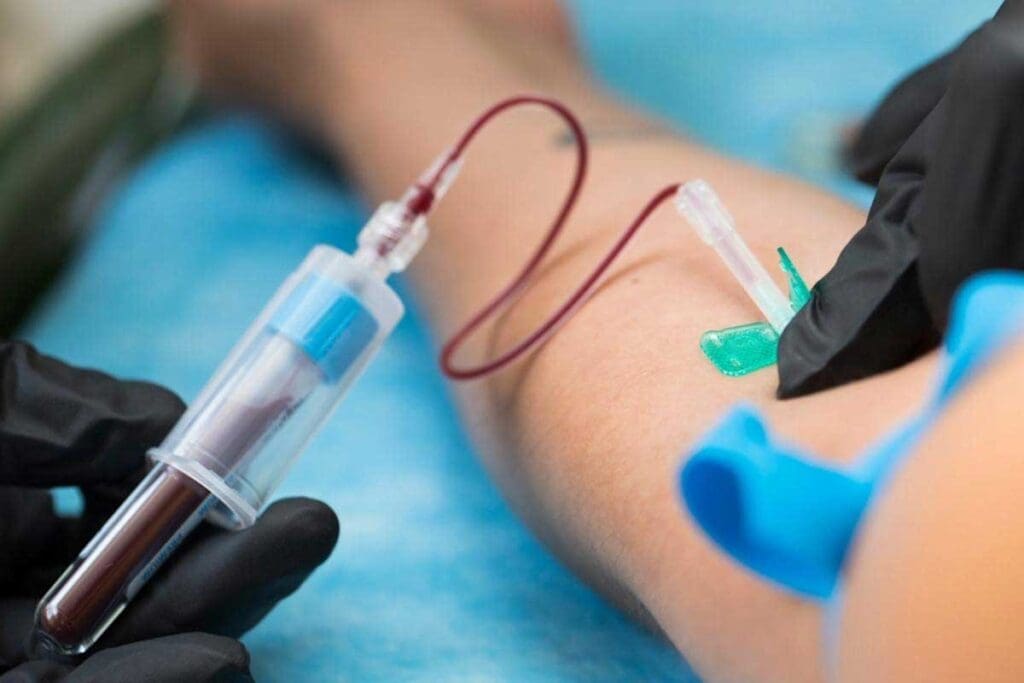
On the day of your blood test, expect a quick and simple procedure. Our skilled phlebotomists will find a good vein, clean the area, and draw the blood. You might feel a slight pinch, but it’s usually not painful.
After the blood draw, we’ll apply a bandage. You can then go back to your normal activities right away.
By following these guidelines, you can help make your full panel blood test go smoothly. This ensures your results are accurate and reliable.
Interpreting Your Blood Test Results
Blood test results give you insights into your health. It’s important to understand them to make good choices. When you get your results, knowing how to read them is key.
Understanding Reference Ranges
Reference ranges are the basis for understanding blood test results. They show what’s normal based on a big group of healthy people. Your results are compared to these ranges to see if you’re in the normal range.
Table: Understanding Common Blood Test Markers and Their Reference Ranges
| Blood Test Marker | Normal Range | Significance |
| White Blood Cell Count (WBC) | 4,500 – 11,000 cells/μL | Indicates immune response; high or low counts can signal infection or disorder. |
| Red Blood Cell Count (RBC) | Male: 4.32 – 5.72 million cells/μL; Female: 3.90 – 5.03 million cells/μL | Reflects oxygen-carrying capacity; abnormal levels can indicate anemia or polycythemia. |
| Platelet Count | 150,000 – 450,000 platelets/μL | Crucial for clotting; abnormal counts can lead to bleeding or clotting disorders. |
When to Be Concerned About Abnormal Values
Abnormal blood test results don’t always mean something serious. But they do need attention. Some people might be fine with slight variations, while others might need more checks.
If your results show abnormal values, your doctor will look at many things. They’ll consider your health history, symptoms, and lifestyle. Sometimes, more tests or watching your condition closely are needed to figure out why your results are off.
Follow-up Testing and Monitoring
Often, you’ll need more tests to keep an eye on your health or to check on abnormal results. This might mean doing the blood test again later or getting more detailed tests.
Understanding your blood test results is a journey you take with your doctor. By staying informed and active, you can help manage your health better.
Conclusion: Empowering Your Health Journey Through Regular Blood Testing
Regular blood testing is key to preventive care. It helps find health issues early. This way, you can manage them better and stay healthy.
At Liv Hospital, we’re here to help you on your health journey. Our blood testing services give you insights into your health. This lets you make smart choices for your well-being.
By focusing on preventive care and blood testing, you can control your health. We’re committed to helping you reach your health goals. Let’s work together towards a healthier life.
FAQ
What is a full panel blood test?
A full panel blood test checks many health markers. It helps find health problems early. It’s also known as a general health panel or a complete blood panel.
What does a full blood panel test include?
It includes a complete blood count (CBC) and a metabolic panel (CMP). It also checks your lipid levels and other health markers. Tests like TSH and CRP are included too.
Why is a full panel blood test important for general health assessment?
It gives a detailed look at your health. It helps spot health issues early. It also helps manage chronic conditions and guide lifestyle changes.
How often should I get a full panel blood test?
The need for a full panel blood test varies. It depends on your age, health, and risk factors. Usually, it’s once a year or as your doctor advises.
Do I need to fast before a full panel blood test?
Fasting rules vary by test. For some, like blood glucose and lipid profiles, fasting for 8-12 hours is needed.
Can medications or supplements affect my blood test results?
Yes, some medications and supplements can change your test results. Always tell your doctor about them before the test.
What should I expect during the blood draw process?
A healthcare professional will take a blood sample from your arm. You might feel a pinch. But it’s quick and usually not painful.
How do I understand my blood test results?
Your doctor will explain your results. They’ll compare them to normal ranges. They’ll also talk about any abnormal values and what to do next.
What is the significance of a complete blood count (CBC) in a full panel blood test?
A CBC is key. It checks your blood health. It looks at red and white blood cells, platelets, and more. It helps find issues like anemia and infections.
What is the role of a metabolic panel (CMP) in assessing overall health?
A CMP is vital. It checks your metabolic health. It looks at blood sugar, kidney and liver function, and electrolytes. It helps find health problems and monitor chronic conditions.
How does a lipid panel contribute to cardiovascular health assessment?
A lipid panel is important for heart health. It measures cholesterol and triglycerides. It helps find heart disease risk and guide prevention.
References:
- Lippi, G., Plebani, M., & Simundic, A. M. (2006). Enhancing the clinical value of medical laboratory testing. Annals of Clinical Biochemistry, 43(Pt 2), 123–126. https://pmc.ncbi.nlm.nih.gov/articles/PMC5759162/



 Departments
 Related Videos
 Our Doctors
 News
News