Knowing how the neuron cell body works is key in psychology. It keeps the neuron alive and helps it talk to other parts of the nervous system. The cell body, or soma, has the nucleus and makes important proteins for the neuron.function of cell body in a neuronThe Best Stem Cell Therapy Clinics in the World: A 2025 Guide
At birth, we have about 86 to 100 billion neurons. These cells are the main parts of our consciousness and body. They handle information through electrical and chemical signals. This makes the cell body’s role very important in understanding human behavior and psychology.
Key Takeaways
- Neurons are specialized cells that process information through electrochemical signals.
- The cell body, or soma, is the metabolic and genetic command center of each neuron.
- Understanding the neuron cell body’s function is essential in psychology.
- The cell body contains the nucleus and produces proteins essential for the neuron’s functioning.
- The neuron cell body’s function is critical in maintaining the neuron’s viability.
The Fundamental Role of Neurons in the Nervous System
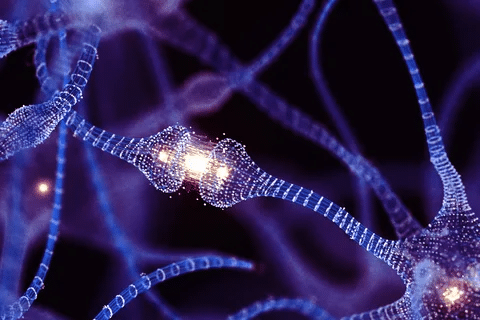
Neurons, or nerve cells, are key parts of the nervous system. They send information through electrical and chemical signals. They are the main units that help us receive, process, and send information.
Neurons as Information Processing Units
Neurons act as messengers in our body. They use electrical impulses and chemical signals to talk to each other. This network helps us see, understand, and react to things around us.
“Neurons are the building blocks of the nervous system, and their structure and function are intricately linked to our ability to think, learn, and remember.”
The Prevalence of 86-100 Billion Neurons at Birth
At birth, humans have about 86 to 100 billion neurons. These neurons form the base of our nervous system. This huge number allows for the complex thoughts and behaviors we have.
|
Neuron Component |
Function |
|---|---|
|
Cell Body (Soma) |
Contains the nucleus and is responsible for the metabolic functions of the neuron. |
|
Dendrites |
Receive synaptic inputs from other neurons, allowing for the integration of information. |
|
Axon |
Transmits information away from the cell body to other neurons, muscles, or glands. |
Neurons as Building Blocks of Consciousness
The way neurons work together creates our consciousness. This lets us experience the world. Understanding neurons helps us see how we think, feel, and act.
The complex network of neurons and their helpers, glial cells, are key to our psychology. They are behind our thoughts, feelings, and actions.
Neuron Structure: A Detailed Look
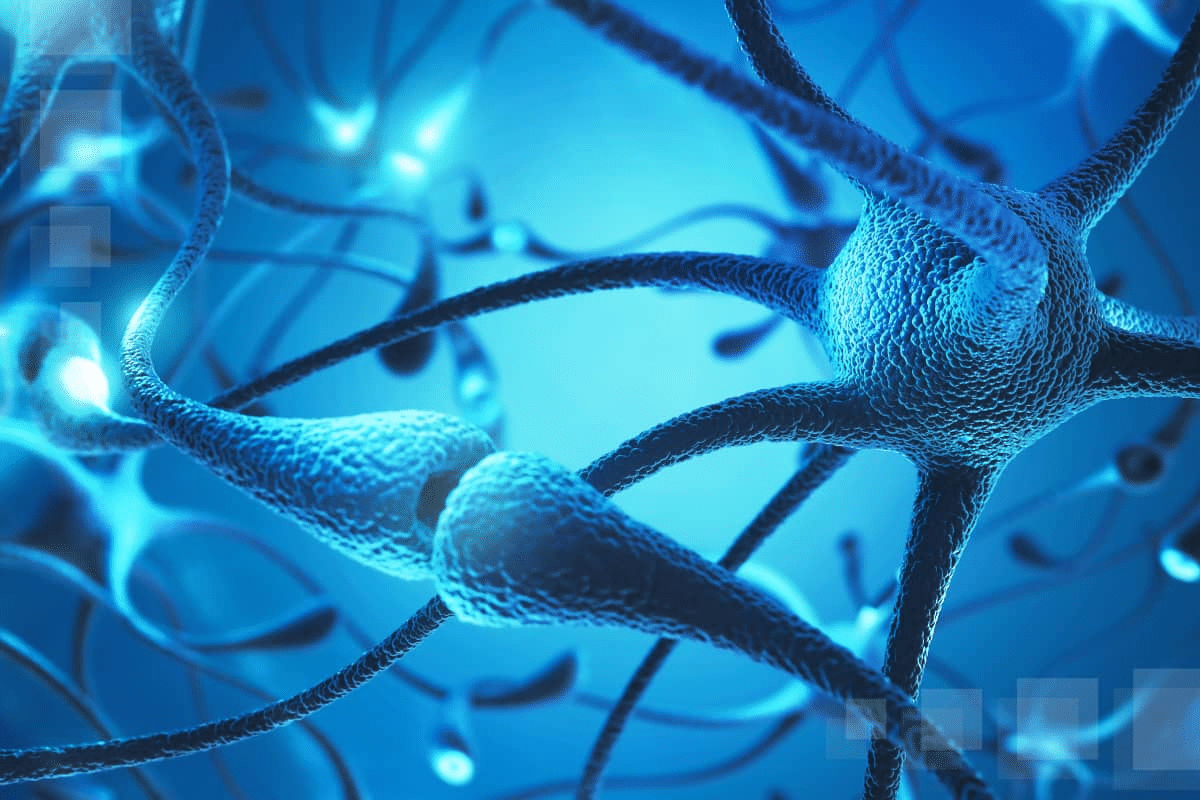
To understand how neurons work, we need to look at their parts. Neurons, or nerve cells, are key to our nervous system. Their structure plays a big role in how they work in our minds.
The Three Major Components: Cell Body, Dendrites, and Axon
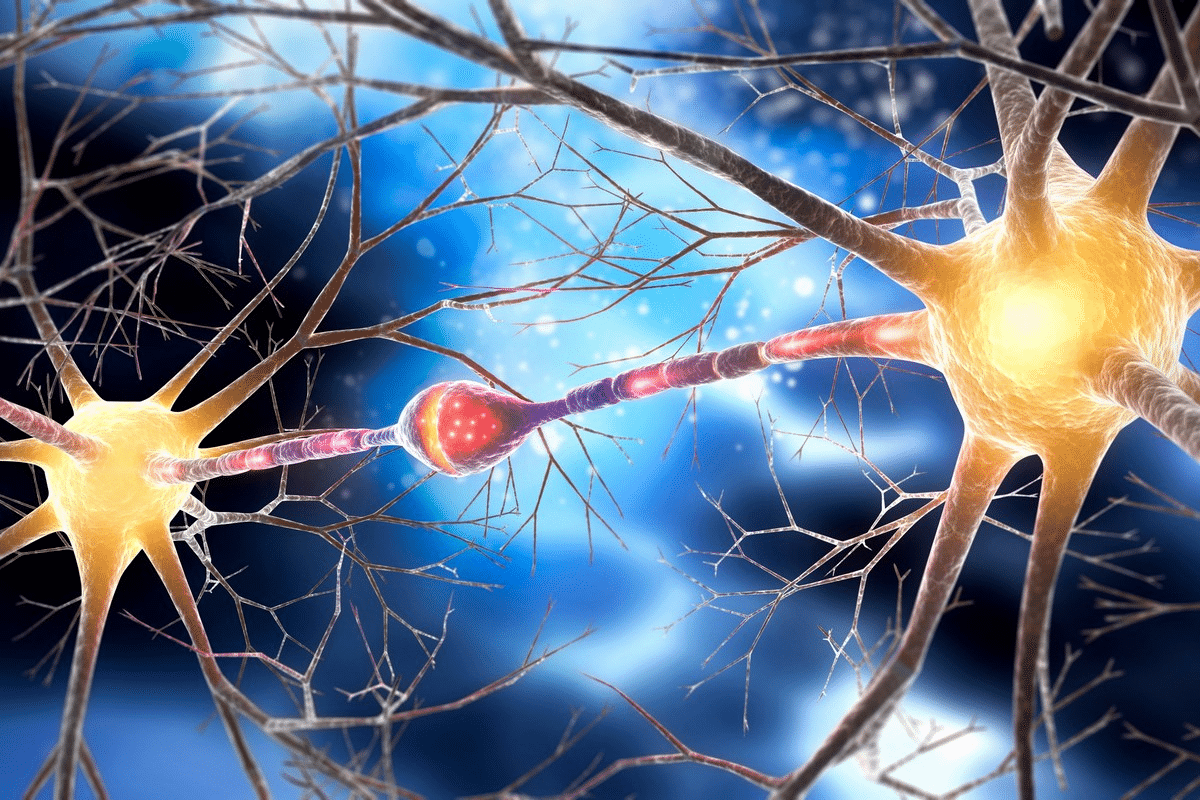
A neuron has three main parts: the cell body, axon, and dendrites. The cell body, or soma, has the nucleus and handles the cell’s needs. The axon carries signals away from the cell body to other neurons or to muscles or glands. Dendrites are the branches that get signals from other neurons.
The cell body, or soma, is the neuron’s control center. It has the nucleus and the tools for making proteins and other cell functions. The axon’s long shape lets it send signals far. Dendrites spread out to catch many signals.
Structural Variations in Different Types of Neurons
Neurons vary in shape and size, showing their different roles in our nervous system. For example, multipolar neurons have one axon and many dendrites. They’re good at combining many signals. On the other hand, unipolar neurons have a single process that splits into an axon and a dendrite.
|
Neuron Type |
Structural Characteristics |
Function |
|---|---|---|
|
Multipolar |
One axon, multiple dendrites |
Integration of multiple signals |
|
Unipolar |
Single process splitting into axon and dendrite |
Transmission of sensory information |
|
Bipolar |
One axon, one dendrite |
Specialized sensory neurons |
How Structure Relates to Function in Neural Processing
The shape of a neuron affects how it works. Dendrites’ complexity lets neurons get and mix many signals. The axon’s length and covering affect how fast signals travel. Knowing these details helps us see how neurons handle information and influence our minds.
The Function of Cell Body in a Neuron
The cell body, or soma, is key to a neuron’s life and work. It’s the heart of the neuron, where the nucleus and most organelles live.
Definition and Location of the Soma
The soma is the central part of a neuron, where the nucleus is found. It’s the biggest part and keeps the cell healthy. It connects the dendrites and the axon.
Primary Responsibilities of the Cell Body
The cell body keeps the neuron alive, makes proteins, and creates energy. It has a nucleus that makes genetic information and proteins needed for the neuron to work. It also makes organelles and molecules for neuronal activity.
It’s important for protein synthesis and energy production. This helps the neuron work well.
The Cell Body as an Integration Center
The cell body is where signals from dendrites come together. It decides if the neuron should send out a signal. This is how neurons talk to each other.
As an integration center, it helps the neuron respond to different things. This is key for processing and sending information.
Cell Body as the Metabolic Center
The soma is the heart of the neuron, handling key processes. It acts as the control center, keeping the cell alive and working well.
Protein Synthesis and Energy Production
The cell body has organelles for making proteins and energy. Mitochondria create energy as ATP. Ribosomes and endoplasmic reticulum help make proteins needed for the neuron’s work.
Proteins are key for the neuron’s structure and function. The cell body makes proteins to help the neuron respond, send signals, and stay in shape.
Maintenance of Cellular Viability
The cell body is vital for the neuron’s health. It manages nutrients and waste, keeping the neuron working. Organelles like lysosomes help break down and recycle waste.
RNA Production and Genetic Expression
The nucleus in the cell body makes RNA. It holds the genetic material for protein making. The soma controls genetic expression, letting the neuron adapt and respond.
|
Organelle |
Function |
|---|---|
|
Mitochondria |
Energy production through ATP synthesis |
|
Ribosomes |
Protein synthesis |
|
Endoplasmic Reticulum |
Protein synthesis and transport |
|
Lysosomes |
Degradation and recycling of cellular waste |
|
Nucleus |
RNA production and genetic expression |
In conclusion, the cell body is the neuron’s metabolic center. It supports the neuron’s function through protein making, energy creation, and keeping the cell alive. Knowing the soma’s role helps us understand how neurons work and behave.
Organelles Within the Neuron Cell Body
Inside the neuron cell body, many important organelles work together. They help the neuron process and send information. This complex structure is key for the neuron’s function.
The Nucleus: Command Center of the Neuron
The nucleus is the neuron’s control center. It holds the cell’s genetic material and guides its actions. It’s where RNA production happens, which is vital for making proteins.
The nucleus also controls the neuron’s growth and upkeep. It ensures the neuron works properly.
Mitochondria: Powerhouses of Neural Function
Mitochondria are the cell’s energy makers. They create ATP (adenosine triphosphate), the energy the neuron needs. This energy is used for all the neuron’s activities, like sending signals.
Neurons need a lot of energy, making mitochondria very important. Problems with mitochondria can lead to neurological issues, showing their importance for neural health.
Endoplasmic Reticulum and Golgi Apparatus
The endoplasmic reticulum (ER) and golgi apparatus help with protein making and sorting. The ER starts making proteins, and the Golgi apparatus refines and packages them. This ensures proteins go where they need to in the cell.
The ER and Golgi apparatus are vital for keeping the neuron working right. They make sure proteins are processed and sent to the right places.
The Cell Body’s Role in Neural Communication
The cell body is key in neural communication. It combines signals from dendrites. This is how neurons process and send information.
Integration of Incoming Dendritic Signals
The cell body, or soma, is where signals from dendrites come together. These signals can either excite or calm the neuron. The cell body decides if the signals are strong enough to send out a signal.
Signal integration is a complex process. It involves biochemical steps that determine how the neuron will react. The cell body’s skill in integrating these signals is vital for neural function.
Neurotransmitter Production and Processing
The cell body also makes and handles neurotransmitters. These chemicals send signals to other neurons or to muscles or glands.
- The cell body has the parts needed for making proteins, like the endoplasmic reticulum and ribosomes.
- It produces the proteins and neurotransmitters needed for communication.
- The packaging and transport of these neurotransmitters are managed by the cell body. This ensures they reach the axon terminals correctly.
Signal Amplification and Propagation
The cell body also helps in making signals stronger and spreading them. When the signal is strong enough, an action signal is sent. This signal then travels down the axon.
The generation and propagation of action potentials are fundamental to neural communication, enabling the transmission of information across the nervous system.
The cell body’s role in keeping the neuron healthy is essential. It integrates signals, makes neurotransmitters, and boosts signals. This ensures neural communication works well.
Cell Body Function in Psychological Processes
The soma, or cell body, is key to keeping neurons healthy and working well. It helps integrate signals, makes important proteins, and keeps cells alive. This directly affects our mental functions.
Cognitive Implications
The cell body greatly affects how we think. It supports neural activity through metabolic processes. When it works well, neurons can handle and share information better. This helps with things like paying attention, seeing things clearly, and making choices.
Memory Formation and the Cell Body
The cell body is also vital for memory. It helps make proteins needed for brain connections to change and adapt. Studies show that changes in the cell body can affect how we remember things. This shows its big role in learning and remembering.
Emotional Processing
Emotions are also influenced by the cell body. It helps make neurotransmitters that control how we feel. Problems with the cell body can lead to emotional issues. This shows how important it is for handling emotions.
|
Psychological Process |
Cell Body Function |
Impact on Psychology |
|---|---|---|
|
Cognition |
Metabolic support for neural activity |
Enhances attention, perception, and decision-making |
|
Memory Formation |
Protein synthesis for synaptic plasticity |
Critical for learning and memory consolidation |
|
Emotional Processing |
Neurotransmitter production and regulation |
Influences emotional responses and regulation |
In conclusion, the cell body is essential for our mental health. It helps with thinking, remembering, and feeling emotions. Knowing how it works can help us understand our minds better.
Research Methods for Studying Neuron Cell Bodies
Scientists use many methods to study neuron cell bodies. These are key parts of our nervous system. Knowing how they work helps us understand our minds better.
Imaging Technologies for Visualizing Soma Function
Imaging tech is key for seeing how the soma works. Tools like microscopy and fluorescence imaging let researchers look closely at cell bodies. They learn a lot about how these cells process information.
Electrophysiological Approaches to Cell Body Research
Electrophysiology, including electroencephalography (EEG) and patch-clamp recording, helps measure the cell body’s electrical activity. These methods show how the cell body handles signals and sends out responses.
Molecular and Genetic Research Techniques
Molecular and genetic research is essential for understanding cell body function at a molecular level. Tools like gene expression analysis and RNA sequencing reveal the genetic basis of cell body function. These methods are key to grasping how cell bodies affect our psychology.
By using these methods together, scientists get a full picture of neuron cell bodies’ role in psychology. The mix of imaging, electrophysiology, and molecular techniques offers a complete view of their importance in our brains and behavior.
Conclusion: The Critical Importance of Understanding Neuron Cell Bodies in Psychology
Understanding the cell body in a neuron is key in psychology. It keeps the neuron alive and helps it talk to other parts of the nervous system. The cell body, or soma, handles the metabolic needs of the neuron.
In neuron psychology definition, the cell body is vital. It helps neurons work together, which is essential for the nervous system. To define neurons in psychology, knowing the cell body’s role is critical. It’s important for processing signals, making neurotransmitters, and neural communication.
Research on neuron cell bodies is very important. It helps us understand how we think, remember, and feel. By studying the cell body, scientists can learn more about how our brains work.
FAQ
What is the definition of a neuron in psychology?
A neuron, or nerve cell, is a special cell. It processes information through electrical and chemical signals. It plays a key role in the nervous system.
What is the function of the cell body in a neuron?
The cell body, also known as the soma, is the neuron’s metabolic center. It is responsible for protein synthesis, energy production, and keeping the cell alive.
What are the three major components of a neuron?
The three major components of a neuron are the cell body, dendrites, and axon. Each has a unique role in processing and communicating neural information.
How many neurons are present at birth?
At birth, there are about 86 to 100 billion neurons. They form the basis of human consciousness and physiology.
What is the role of the nucleus in the cell body?
The nucleus is the neuron’s command center. It is responsible for RNA production and genetic expression. It plays a critical role in the neuron’s functioning.
What is the significance of understanding neuron cell body function in psychology?
Understanding neuron cell body function is key in psychology. It is vital for the neuron’s viability and communication within the nervous system. It influences various psychological processes.
How does the cell body contribute to neural communication?
The cell body acts as an integration center for incoming signals. It produces and processes neurotransmitters. It amplifies and propagates signals, facilitating communication within the nervous system.
What is the relationship between cell body function and psychological processes?
The cell body’s function significantly impacts psychological processes. This includes cognition, memory formation, and emotional processing. It highlights the importance of the cell body in maintaining the neuron’s functioning and facilitating communication within the nervous system.
What research methods are used to study the cell body?
Various research methods are used to study the cell body. These include imaging technologies, electrophysiological approaches, and molecular and genetic research techniques. These methods advance our understanding of its role in psychological processes.
Reference
World Health Organization. Neuron Cell Body Function: Psychological Understanding. Retrieved from https://www.who.int/news-room/fact-sheets/detail/neurons-and-glial-cells