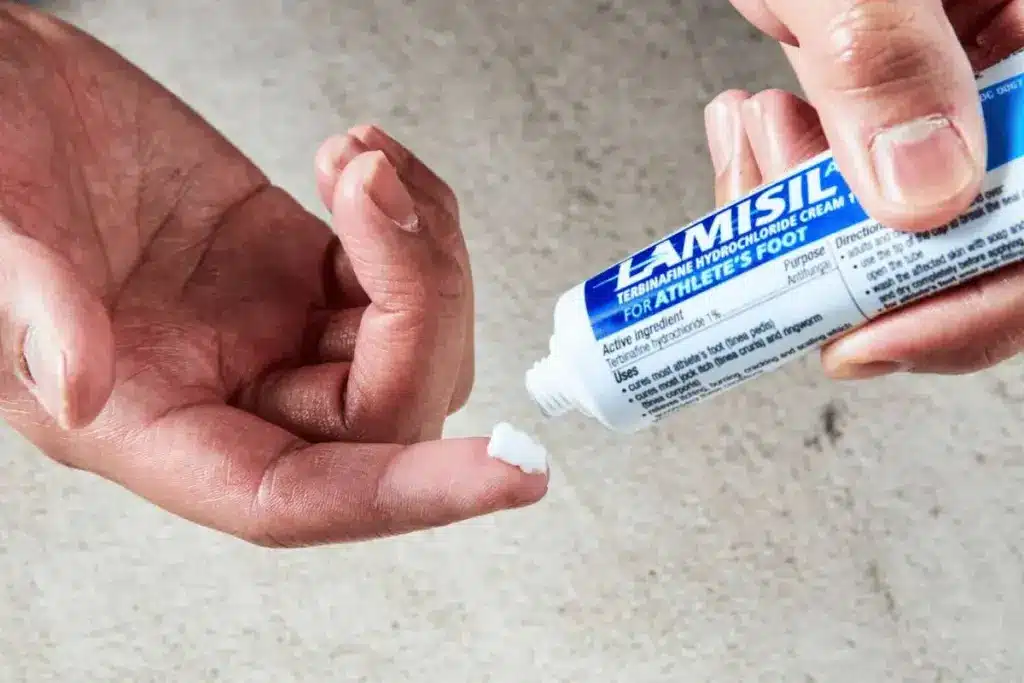
Fungal infections are a big problem worldwide. Over 1.7 billion people deal with fungal diseases every year. These infections can be mild or very serious, affecting how well people live.antifungal cream
We know how hard it is to deal with fungal infections. Finding good treatments is key.
Antifungal treatments are important for fighting fungal infections. Antifungal creams are a common and effective choice. They target the fungus on the skin, easing symptoms and getting rid of the infection.
Key Takeaways
- Fungal infections are a significant global health issue.
- Antifungal creams are a first-line treatment for many fungal infections.
- Effective antifungal treatment can significantly improve quality of life.
- Understanding the type of fungal infection is key for the right treatment.
- Seeing a healthcare professional is vital for the right diagnosis and treatment.
Understanding Fungal Infections

Fungal infections can really affect your life. They can be mild or severe and hit different parts of your body. Knowing about them is key to treating and preventing them.
Types of Fungal Infections
There are many types of fungal infections. They vary by where they occur and how serious they are. Here are some common ones:
- Dermatophytosis (Ringworm): This type affects the skin, causing ring-shaped rashes.
- Candidiasis (Thrush): It can hit the mouth, vagina, or skin folds, leading to itching and white patches.
- Jock Itch (Tinea Cruris): This one targets the groin area, causing itching and redness.
- Athlete’s Foot (Tinea Pedis): It affects the feet, causing itching, cracking, and flaking skin.
|
Type of Infection |
Common Areas Affected |
Symptoms |
Treatment Options |
|---|---|---|---|
|
Dermatophytosis (Ringworm) |
Skin |
Ring-shaped rash, itching |
Antifungal creams, oral antifungal medications |
|
Candidiasis (Thrush) |
Mouth, vagina, skin folds |
White patches, itching, redness |
Oral candidiasis medication, antifungal creams |
|
Jock Itch (Tinea Cruris) |
Groin area |
Itching, redness |
Antifungal meds for jock itch, hygiene practices |
|
Athlete’s Foot (Tinea Pedis) |
Feet |
Itching, cracking, flaking skin |
Antifungal creams, foot hygiene |
Symptoms to Look Out For
The signs of fungal infections can differ based on the type and where it is. You might notice itching, redness, swelling, and discomfort. If not treated, these infections can get worse.
Common Causes of Fungal Infections
Fungal infections come from fungi in our environment. Several factors can up your risk. These include:
- Poor hygiene
- Warm and humid environments
- Sharing personal items
- Weakened immune system
Knowing these causes and taking steps to prevent them can lower your risk. When infections do happen, antifungal medications are key in treating them.
What Is Antifungal Cream?
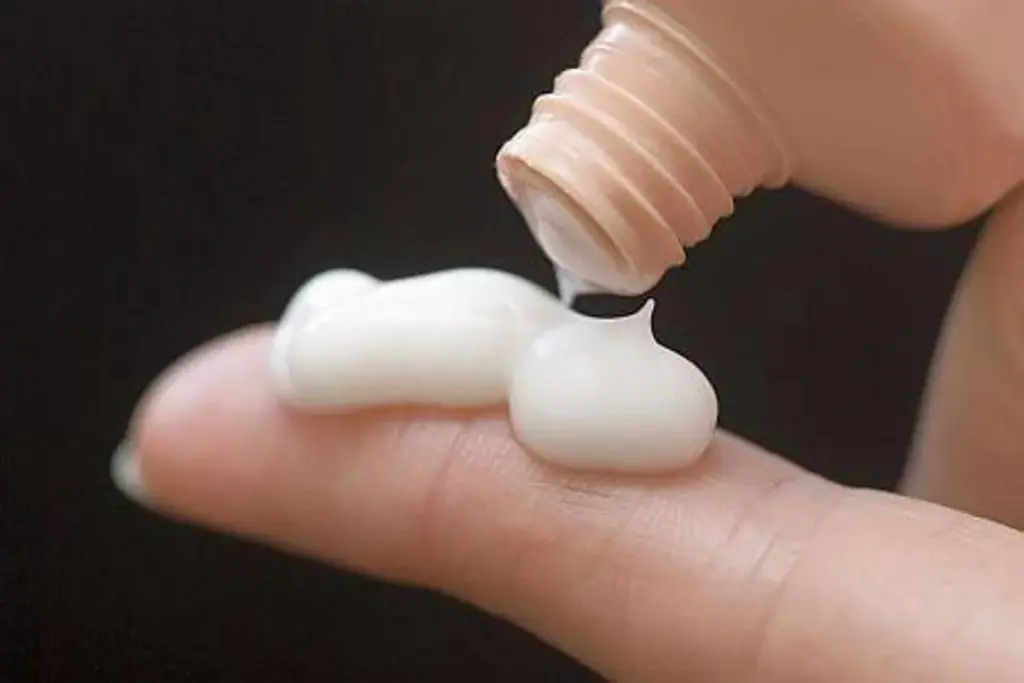
Antifungal creams are a great solution for fungal infections. They are designed to target and treat these infections effectively. Fungal infections can be uncomfortable and hard to get rid of, so finding a good treatment is key.
These creams are applied directly to the skin. They contain ingredients that fight fungal infections. They can help with athlete’s foot, jock itch, and ringworm.
Ingredients in Antifungal Cream
The ingredients in antifungal creams are what make them work. Clotrimazole, miconazole, and terbinafine are common ones. They either kill the fungal cells or stop them from growing.
Some creams also have extra ingredients. These can help soothe the skin, reduce swelling, or prevent other infections. It’s important to pick a cream that matches your infection type.
|
Active Ingredient |
Common Fungal Infections Treated |
Mechanism of Action |
|---|---|---|
|
Clotrimazole |
Athlete’s foot, jock itch, ringworm |
Inhibits fungal cell membrane synthesis |
|
Miconazole |
Athlete’s foot, jock itch, ringworm, vaginal yeast infections |
Disrupts fungal cell membrane function |
|
Terbinafine |
Athlete’s foot, jock itch, ringworm, fungal nail infections |
Inhibits squalene epoxidase, disrupting fungal cell membrane synthesis |
How Antifungal Cream Works
Antifungal creams apply the active ingredients right where they’re needed. They can kill the fungal cells or stop them from growing. This helps clear up the infection.
The success of using antifungal cream depends on a few things. The type and severity of the infection, the cream’s ingredients, and how long you use it all matter. Always follow the instructions and finish the treatment to get rid of the infection completely.
Benefits of Using Antifungal Cream
Antifungal creams have changed how we treat fungal infections. They offer many benefits for those dealing with these issues. It’s important to have treatments that are effective and easy to use.
Quick Relief from Symptoms
One big plus of antifungal creams is how they quickly ease symptoms. Symptoms like itching, redness, and irritation can be greatly reduced. This lets people go back to their normal activities without pain.
“The rapid alleviation of symptoms not only improves the quality of life but also reduces the risk of further complications.”
— Medical Expert
Ease of Application
Another great thing about antifungal creams is how easy they are to use. Unlike some treatments that are hard to apply or need to be taken by mouth, these creams are simple to apply directly to the affected area. This makes it easier for people to stick to their treatment plan.
|
Feature |
Benefit |
|---|---|
|
Easy to Apply |
Simplifies treatment adherence |
|
Quick Symptom Relief |
Reduces discomfort and improves quality of life |
|
Wide Availability |
Accessible over-the-counter or by prescription |
Availability and Accessibility
Also, antifungal creams are easy to find. They are available both over-the-counter and by prescription. This makes them accessible to many people. It’s important for people to get the treatment they need without waiting or spending too much money.
Because antifungal creams work well, are easy to use, and are easy to find, they are a top choice for many. They help people with fungal infections feel better.
How to Choose the Right Antifungal Cream
To fight fungal infections well, pick an antifungal cream that fits your needs. First, know the type of fungal infection you have. Then, look at the cream’s active ingredients. Lastly, decide if you need to see a healthcare professional.
Active Ingredients to Consider
Antifungal creams have different active ingredients for various infections. Clotrimazole and miconazole are good for skin issues like athlete’s foot and jock itch. Terbinafine works best for nail fungus. Choose a cream based on its active ingredient and how well it treats your infection.
- Clotrimazole: Good for many fungal infections, including yeast ones.
- Miconazole: Treats skin infections and is easy to find over-the-counter.
- Terbinafine: Best for nail fungus and some skin infections.
Determining the Infection Type
Knowing your fungal infection type is key to picking the right cream. Infections can be skin issues like ringworm or athlete’s foot, or serious ones like valley fever. Knowing this helps pick a cream made for your specific infection. For yeast infections, you might need an antifungal tablet for yeast infection or a cream with yeast-fighting ingredients.
Consulting a Healthcare Professional
Even though you can buy antifungal creams, seeing a healthcare professional is wise. They can help if you’re not sure about your infection or its severity. For serious cases like valley fever, antifungal drugs for valley fever might be needed. These could be pills or creams.
By looking at the cream’s ingredients, figuring out your infection, and getting advice from a healthcare professional, you can choose the best antifungal cream for you.
Proper Application Techniques for Antifungal Cream
Using antifungal cream right is key to fight fungal infections. It can quickly ease symptoms and stop the infection from spreading.
Cleaning the Affected Area
Before you apply the cream, make sure to clean the area well. Use mild soap and lukewarm water to remove dirt and sweat. Pat dry with a clean towel, don’t rub.
“Cleaning the affected area is a critical step. It lets the cream work better and reach the skin.”
Applying the Cream Effectively
To use the cream right, apply enough to cover the area and a bit around it. Massage it into the skin until it’s gone. Always follow the cream’s instructions or your doctor’s advice.
- Apply a thin layer of cream to the affected area.
- Gently rub it in until absorbed.
- Ensure the area is clean and dry before application.
Frequency and Duration of Use
The how often and for how long you use the cream depends on the product and infection. Usually, you apply it once or twice a day. Keep using it for the whole time, even if you feel better sooner. Stopping early can cause the infection to come back.
Healthcare experts say, “Finishing the treatment is key to clear the infection and avoid it coming back.”
By using these application tips, you can make your antifungal cream work best. This helps you recover from your fungal infection faster.
Common Antifungal Creams on the Market
Many antifungal creams are available to treat fungal infections. Each cream has its own active ingredients. Knowing the differences helps you choose the right treatment.
Clotrimazole
Clotrimazole is a common antifungal found in many creams. It stops fungi from growing, easing symptoms like itching and redness. It works well against an athlete’s foot and jock itch.
Clotrimazole has several benefits:
- Effective against many fungi
- Available without a prescription
- Quickly relieves symptoms
Miconazole
Miconazole is another effective antifungal cream. It treats skin infections caused by fungi, including yeast. It stops fungal cells from growing, reducing the infection.
Miconazole’s advantages are:
- Works well against yeast infections
- Available in creams and powders
- Suitable for both adults and children
Terbinafine
Terbinafine is a strong antifungal for skin and nail infections. It’s available over-the-counter or by prescription. It stops fungi from growing, focusing on dermatophytes for the athlete’s foot.
Terbinafine’s benefits are:
- Effective against dermatophytes
- Available in creams and tablets
- Good for both short and long treatments
Choosing the right antifungal cream depends on the infection and your body’s response. Always talk to a healthcare professional for the best advice.
When to Seek Medical Attention
Many fungal infections can be treated with over-the-counter creams. But, some cases need immediate medical help. Fungal infections can be stubborn or show signs of a bigger problem. We’ll talk about when you should see a doctor.
Signs of Severe Infection
Severe fungal infections have clear signs that can really affect your life. Look out for:
- Increased redness and swelling around the affected area.
- Pus or discharge, which means a possible bacterial infection.
- Severe itching or pain that makes daily tasks hard.
- Fever or chills, which shows the infection is affecting your health.
If you see these signs, see a doctor right away. They might need to use antifungal medications stronger than what you can buy.
When Over-the-Counter Options Fail
Over-the-counter antifungal creams work for many infections. But, if your symptoms don’t get better or get worse, it’s time to see a doctor. You should go if:
- After using OTC antifungal medication for 2-4 weeks, your symptoms don’t improve.
- Your infection keeps coming back.
- You have a weak immune system, making you more at risk.
|
Signs Indicating Need for Medical Attention |
Description |
|---|---|
|
Severe Symptoms |
Increased redness, swelling, pus, severe itching, or pain. |
|
Failure of OTC Treatments |
No improvement after 2-4 weeks of using OTC antifungal creams. |
|
Recurring Infections |
Frequent recurrence of fungal infections. |
|
Weakened Immune System |
Presence of conditions that compromise immune function. |
In summary, while many fungal infections can be treated with OTC antifungal medications, some need a doctor’s help. Knowing the signs of a severe infection and when OTC treatments don’t work can help you get the right care. This ensures your condition is managed well.
Home Remedies for Fungal Infections
Many people look for home remedies to treat fungal infections. These infections can be hard to get rid of. We’ll look at different home remedies, their good points, and their limits.
Natural Alternatives to Antifungal Cream
Some prefer natural treatments like tea tree oil for fungal infections. Tea tree oil is known for fighting fungi. It’s important to know how well these natural options work compared to store-bought creams.
Other natural options include:
- Oregano oil, which has strong antifungal powers
- Garlic, known for its fight against microbes
- Aloe vera, which can calm the skin and fight fungal infections
These natural remedies might work well, but they might not be as strong as doctor-prescribed treatments. This is true for serious fungal infections.
Pros and Cons of Home Remedies
Home remedies are easy to find and might have fewer side effects. For example, tea tree oil is easy to get and can help with nail fungus.
But, there are downsides. They might not work all the time, and they’re not good for serious infections. It’s important to think about these points when choosing a treatment.
Before trying home remedies, it’s best to talk to a doctor. They can help decide if a home remedy is right for you.
In summary, home remedies can be helpful but should be used carefully. They should be part of a bigger treatment plan.
Preventing Fungal Infections
To prevent fungal infections, you need good hygiene, lifestyle changes, and protective steps. Knowing how to lower your risk helps avoid the trouble of fungal infections. This means you won’t need to use antifungal treatments.
Maintaining Good Hygiene
Good hygiene is key to stopping fungal infections. Keep your skin clean and dry, mainly in moist spots like between your toes and in the groin. Washing with soap and water and drying well can stop fungi from growing.
Lifestyle Adjustments and Protective Measures
Wear breathable clothes like cotton to keep your skin dry and lower infection risk. Using antifungal cream in places like public showers can also help. Don’t share personal care items and wear protective shoes in public areas to cut down on infection chances.
Adding these easy steps to your daily life can greatly lower your chance of getting fungal infections. This means you won’t need to use antifungal medication or cream.
FAQ
What is the best antifungal cream for treating fungal infections?
Look for creams with clotrimazole, miconazole, or terbinafine. They work well against many fungal infections, like athlete’s foot and jock itch.
How do I choose the right antifungal cream for my infection?
First, figure out what kind of fungal infection you have. Then, check the cream’s ingredients. If you’re not sure, talk to a healthcare professional.
Can I use antifungal cream for oral candidiasis?
No, antifungal creams are for skin infections. Oral candidiasis needs oral meds or mouthwashes. Always check with a healthcare professional.
What are the benefits of using antifungal cream?
Antifungal creams offer quick relief and are easy to use. They’re also available without a prescription, making them a handy option.
How do I apply antifungal cream correctly?
Clean the area first. Then, apply a thin layer of cream. Follow the treatment time to get the best results.
Can I use antifungal cream for nail fungus?
Antifungal creams work for skin infections. But, nail fungus needs special treatments. Always talk to a healthcare professional.
Are there any home remedies that can help treat fungal infections?
Some home remedies, like tea tree oil or aloe vera, might help. But, their effectiveness varies. Always check with a healthcare professional first.
How can I prevent fungal infections?
Keep clean, wear breathable clothes, and protect yourself in places like locker rooms. These steps can help prevent fungal infections.
When should I seek medical attention for a fungal infection?
See a doctor if symptoms are severe, treatments don’t work, or if you have a weak immune system. These signs may mean a serious infection.
Can antifungal creams be used to treat jock itch?
Yes, creams with miconazole or clotrimazole can treat jock itch. It’s a common fungal infection in the groin area.
Are antifungal medications available over-the-counter?
Many antifungal creams are available without a prescription. But, some need a prescription. Always check with a healthcare professional.
References
JAMA Network. Evidence-Based Medical Insight. Retrieved from https://jamanetwork.com/journals/jamadermatology/fullarticle/535713