
Galactosemia is a rare genetic disorder. It makes it hard for the body to break down galactose, a sugar in milk and dairy. This problem comes from not having enough of the enzyme galactose-1-phosphate uridylyltransferase (GALT).
This condition hits about 1 in 40,000 to 1 in 60,000 newborns globally. Many adults with galactosemia were found early through newborn tests. They started strict diets right away. But, new studies show that serious health issues can last into adulthood.
Key Takeaways
- Galactosemia is a rare genetic disorder affecting galactose metabolism.
- It affects approximately 1 in 40,000 to 1 in 60,000 newborns worldwide.
- Significant chronic complications persist into adulthood despite early diagnosis and diet.
- Understanding galactosemia symptoms in adults is key for early diagnosis and care.
- Adults with galactosemia face many symptoms that can affect their health in different ways.
Understanding Galactosemia: A Rare Metabolic Disorder
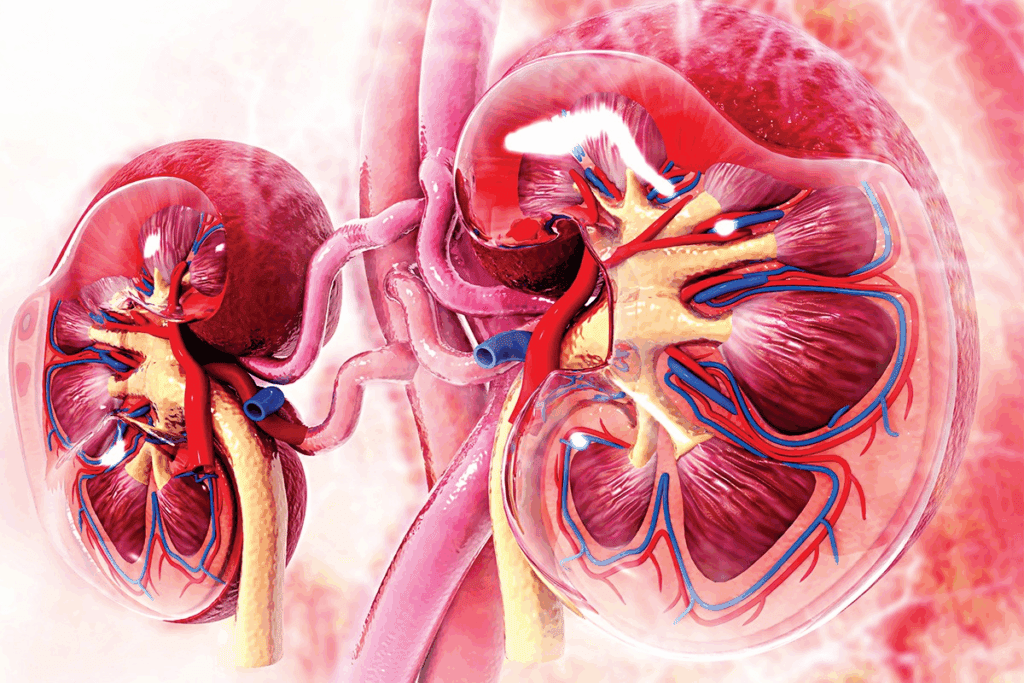
Galactosemia is a rare genetic disorder. It affects how the body breaks down galactose, a sugar in milk and dairy. This condition causes various symptoms, making it hard to diagnose and manage.
What Is Galactosemia?
Galactosemia is caused by a problem with the GALT gene. This leads to a lack of the GALT enzyme. Without this enzyme, harmful substances build up in the body.
The symptoms of galactosemia vary. They can include jaundice, vomiting, and an enlarged liver. If not treated, it can cause serious problems like developmental delays and intellectual disabilities.
Prevalence and Genetic Factors
Classic galactosemia affects about 1 in 16,000 to 60,000 babies. It’s caused by mutations in the GALT gene. Knowing the genetic causes helps identify those at risk and provides genetic counseling.
Galactosemia is inherited in an autosomal recessive pattern. This means both parents must carry the mutated gene. This knowledge is important for families with a history of the disorder, helping with early diagnosis and treatment.
Understanding galactosemia helps us diagnose and manage it better. Early detection and treatment are essential to reduce its impact on those affected.
How Galactosemia Affects Adults Differently Than Children

As people with galactosemia grow up, their symptoms change a lot. This change is important to know. It affects how they manage and treat the disorder as adults.
Transition from Childhood to Adult Symptoms
Kids with galactosemia often have symptoms like not growing well, vomiting, and liver problems. But, as they get older, their symptoms change. Adults face new challenges like neurological issues, cataracts, and metabolic problems.
Neurological symptoms in adults can include tremors, ataxia, and brain fog. These are not the main worries for kids. Also, the buildup of galactose and its products can cause chronic health issues that affect daily life.
Long-term Effects of Galactose Accumulation
The buildup of galactose and its products can harm the body over time. One big problem is cataracts. They happen because galactose turns into galactitol in the eye, causing swelling and cataracts.
Also, galactose buildup can hurt bone health. It can make bones weaker and increase the risk of osteoporosis. Knowing these long-term effects is key to caring for adults with galactosemia.
Adults with galactosemia should work closely with their doctors. This way, they can manage their problems better. It helps them avoid the long-term effects of galactose buildup and live a better life.
Memory and Cognitive Difficulties in Adult Galactosemia
Adults with galactosemia often face memory and cognitive challenges. These issues can greatly affect their daily life and functioning. We will look into the cognitive problems they encounter, including memory issues.
Short-term Memory Impairment
Many adults with galactosemia struggle with short-term memory. This makes it hard for them to hold onto information temporarily. They might find it tough to remember appointments or follow instructions.
Common symptoms of short-term memory impairment include:
- Forgetting recent conversations or events
- Difficulty in learning new information
- Struggling to recall familiar words or names
Long-term Memory Challenges
Long-term memory issues are also a big concern for these adults. Unlike short-term memory, long-term memory deals with keeping information for a long time. They might have trouble remembering past events or recognizing people they know.
- Difficulty in recalling significant life events
- Struggling to recognize people they know
- Forgetting important dates or anniversaries
Impact on Daily Functioning
The cognitive challenges of galactosemia can greatly affect daily life. Simple tasks can become hard, and complex ones overwhelming. This can impact personal productivity, work, and social interactions.
Cognitive Challenge | Impact on Daily Life |
Short-term Memory Impairment | Difficulty in following instructions, remembering appointments |
Long-term Memory Challenges | Struggling to recall significant life events, recognizing familiar faces |
It’s important to understand these challenges to help manage them. By recognizing the cognitive difficulties of adults with galactosemia, we can improve their lives. This can be done through the right interventions and support.
Galactosemia-Related Cataracts: Causes and Manifestations
Adults with galactosemia face a risk of cataracts. This is due to galactitol’s toxic effects on the lens. About 1 in 5 adults with galactosemia develop cataracts from galactitol buildup. Knowing the causes and signs of these cataracts is key for early treatment.
Effects of Galactitol on the Lens
Galactitol buildup in the lens causes cataracts in those with galactosemia. When galactose isn’t broken down right, it turns into galactitol. This substance makes the lens swell and become cloudy. Over time, this can block vision.
The process involves several key steps:
- Galactose accumulation due to metabolic disorder
- Conversion of galactose to galactitol
- Osmotic changes leading to lens swelling
- Development of opacity and vision impairment
Recognizing Early Signs of Cataract Development
Spotting cataracts early is critical. Look out for these symptoms:
- Blurred or cloudy vision
- Difficulty seeing at night or in low light
- Fading or yellowing of colors
- Double vision or ghosting
- Frequent changes in eyeglass or contact lens prescription
Management Options for Galactosemia Cataracts
Even with a strict diet, cataracts can develop. Treatment options include:
- Surgical removal of the cataract: This is often the most effective treatment, involving the replacement of the cloudy lens with an artificial one.
- Monitoring and adjustment of diet: Sticking to a galactose-free diet can slow cataract growth.
People with galactosemia need to work closely with their doctors to manage their condition well.
“Early detection and intervention are key to managing galactosemia-related cataracts effectively. Regular eye exams are critical for those with this condition.”
Mental Health Impacts: Anxiety and Depression
Galactosemia affects more than just the body. It can lead to anxiety and depression in many people. This condition makes it hard for the body to break down galactose, impacting mental health.
Prevalence of Anxiety in Galactosemia Patients
Over 50% of those with galactosemia struggle with anxiety. Managing diet and worrying about health can make anxiety worse.
Research shows anxiety is more common in galactosemia patients than in others. This highlights the need for mental health care in treating galactosemia.
Depression Risk Factors
About 12% of those with galactosemia face depression. Chronic health issues, social isolation, and health worries are big factors.
Knowing these risks helps catch depression early. Healthcare teams should watch for signs of depression in patients with galactosemia.
Managing Mental Health with Galactosemia
Dealing with mental health is key for those with galactosemia. This includes getting psychological support, managing stress, and sometimes, medication.
Mental Health Strategy | Description | Benefits |
Psychological Support | Counseling or therapy to address anxiety and depression | Improved coping mechanisms, reduced symptoms |
Stress Management | Techniques such as mindfulness, meditation, or yoga | Reduced stress, improved mental well-being |
Medication | Pharmacological treatment for anxiety and depression | Symptom reduction, improved quality of life |
By focusing on mental health, people with galactosemia can manage their condition better. This approach improves their life quality.
Neurological Symptoms: Tremors and Movement Disorders
Adults with galactosemia often face neurological symptoms like tremors and movement disorders. These can really change their life, making everyday tasks hard and affecting their independence.
Types of Tremors Associated with Galactosemia
Tremors are unwanted movements in different body parts. For those with galactosemia, common tremors are:
- Resting tremors: Happen when a limb is not moving.
- Action tremors: Start when you move a limb on purpose.
- Intention tremors: Show up when you’re trying to reach for something.
Knowing the type of tremor helps in finding the right treatment.
Impact on Coordination and Fine Motor Skills
Tremors can mess with coordination and fine motor skills. This makes it tough to do things that need precision, like:
- Writing or typing
- Buttoning shirts or tying shoelaces
- Using utensils for eating
People might need to change their daily routines. They might also need help from occupational therapists to stay independent.
Therapeutic Approaches for Movement Disorders
Dealing with tremors and movement disorders in galactosemia needs a mix of treatments. Options include:
Therapeutic Approach | Description |
Medications | Drugs that can lessen tremors and movement issues. |
Physical Therapy | Exercises to boost coordination and balance. |
Occupational Therapy | Help to adapt daily tasks and keep independence. |
A medical expert says,
“A treatment plan that includes medicine, physical therapy, and occupational therapy can greatly improve life for adults with galactosemia and neurological symptoms.”
We know living with galactosemia is tough. We’re here to offer support and advice to manage symptoms well.
Bone Health Concerns in Galactosemia Symptoms in Adults
Bone health is a big concern for adults with galactosemia. As we get older, our bones naturally get weaker. But for those with galactosemia, this weakening can happen faster.
Reduced Bone Density and Osteoporosis Risk
Adults with galactosemia face a higher risk of weak bones and osteoporosis. This is because their bodies struggle to process galactose, a sugar in milk and dairy.
Key factors contributing to reduced bone density include:
- Limited dietary options due to galactose restriction
- Potential malabsorption of essential nutrients
- Hormonal imbalances associated with galactosemia
Preventative Measures and Supplementation
To protect bone health, adults with galactosemia can take steps. These include:
- Eating a diet rich in calcium and vitamin D
- Doing regular exercises that strengthen bones
- Talking to a doctor about supplements
It’s important to work with a healthcare team to find the right plan for you.
Monitoring Bone Health Long-term
Keeping an eye on bone health is key for adults with galactosemia. This means:
- Getting DEXA scans to check bone density
- Watching for signs of osteoporosis or fractures
- Changing diet and exercise plans if needed
By being proactive, adults with galactosemia can manage their bone health. This helps lower the risk of serious problems.
Speech and Language Abnormalities
Adults with galactosemia often face speech and language challenges. These issues can greatly affect their daily life. They may struggle to communicate clearly.
Common Speech Patterns in Adult Galactosemia
Adults with galactosemia may have unique speech patterns. These include:
- Dysarthria, which makes speech slurred or slow
- Apraxia of speech, making it hard to plan and execute speech
- Stuttering or stammering
These speech problems come from galactosemia’s impact on the brain. It can make speaking clearly and smoothly hard.
Speech Therapy Interventions
Speech therapy can really help those with galactosemia. Speech-language pathologists (SLPs) can:
- Help improve how words are formed and spoken clearly
- Work on making speech flow better and reduce stuttering
- Teach new ways to communicate more effectively
Medical Expert, a well-known speech-language pathologist, says, “Speech therapy is very helpful for adults with galactosemia. It helps them overcome communication issues and live better lives.”
With the right speech therapy, adults with galactosemia can talk better. They can also connect more with others in their community.
Reproductive Health: Premature Ovarian Insufficiency
Women with galactosemia face unique reproductive challenges. They are at risk of premature ovarian insufficiency. This condition means losing ovarian function before 40, a big worry for these women.
Prevalence Among Women with Galactosemia
Studies show that nearly all adult women with galactosemia have premature ovarian insufficiency. This high rate highlights the need to watch and manage their reproductive health closely.
Key statistics on premature ovarian insufficiency in galactosemia include:
- Nearly 100% of women with galactosemia are affected.
- The condition often leads to early menopause.
- Fertility issues are a significant concern.
Fertility Implications and Options
Diagnosing premature ovarian insufficiency can deeply affect fertility. Women with galactosemia need to know their options. These might include egg freezing or other reproductive technologies.
“Understanding the fertility implications of galactosemia is key for making informed reproductive health decisions.”
Strategies to preserve fertility are vital for young women with galactosemia. Healthcare providers should talk about these options. This helps women make informed choices about their reproductive futures.
Hormone Replacement Considerations
Hormone replacement therapy (HRT) is often suggested for women with premature ovarian insufficiency. It helps prevent early menopause’s effects, like osteoporosis and heart disease.
Considerations for HRT include:
- Assessing the risk-benefit ratio for each patient.
- Monitoring for side effects.
- Adjusting treatment as needed.
By managing HRT carefully, healthcare providers can help women with galactosemia. They can improve their quality of life despite premature ovarian insufficiency.
Additional Symptoms: Attention Deficit and Cognitive Processing
Galactosemia affects more than just the body’s ability to digest lactose. It also impacts cognitive functions and attention. This can make everyday tasks harder for those with the condition. We’ll look at how galactosemia affects attention and cognitive processing.
Attention-Related Challenges
People with galactosemia often struggle with attention. They might find it hard to stay focused, follow instructions, or finish tasks. Attention deficit can make daily life more difficult. It’s important to find ways to manage these symptoms.
The level of attention challenges can vary. Some might have mild issues, while others face more severe problems. It’s key to understand these differences to help those affected.
Strategies for Managing Cognitive Symptoms
Dealing with cognitive symptoms in galactosemia needs a variety of approaches. We suggest making lifestyle changes, using cognitive training, and sometimes seeking professional help. Cognitive training programs can boost attention and processing speed, helping with overall brain function.
- Implementing structured daily routines to improve focus and productivity
- Utilizing cognitive training programs tailored to individual needs
- Employing assistive technology to aid memory and organization
- Engaging in regular physical exercise to support brain health
By using these strategies, people with galactosemia can manage their cognitive symptoms better. This can improve their quality of life. It’s vital to work with healthcare providers to create a personalized plan.
Diagnosing and Managing Galactosemia in Adults
Galactosemia is a rare genetic disorder that poses unique challenges in adults. It requires a detailed approach for effective care.
Diagnostic Criteria and Testing
Diagnosing galactosemia in adults involves several tests. Genetic testing is key to finding the disorder’s cause. We work with healthcare providers to ensure accurate diagnoses through:
- Genetic testing to identify mutations
- Enzyme assays to measure galactose-1-phosphate uridyltransferase activity
- Clinical evaluations to assess symptoms and overall health
These tools help us understand the disorder’s impact. They guide the creation of a personalized management plan.
Galactose-Restricted Diet Guidelines
A galactose-restricted diet is vital in managing galactosemia. We stress the need for strict dietary adherence. This minimizes galactose and its byproducts. Key dietary tips include:
- Avoiding foods with galactose, like dairy and certain legumes
- Checking food labels for hidden galactose sources
- Consulting a dietitian for a tailored meal plan
By sticking to these guidelines, individuals with galactosemia can lower the risk of complications.
Working with Healthcare Providers
Managing galactosemia effectively requires teamwork with healthcare providers. We collaborate with patients for thorough care, including regular check-ups and treatment plan adjustments. Open communication is key for addressing concerns and making informed care decisions.
This collaborative care approach improves outcomes for adults with galactosemia. It also enhances their quality of life.
Conclusion: Living Well with Galactosemia as an Adult
Managing galactosemia as an adult means having a detailed plan for daily life. We’ve talked about how it can cause symptoms like memory problems, cataracts, and mental health issues. It can also affect the nervous system.
Knowing the symptoms of galactosemia helps adults manage it better. A diet without galactose is key. Regular check-ups with doctors are also important to catch any problems early.
Adults with galactosemia can live happy, fulfilling lives with the right care. It’s vital to work with doctors to create a care plan that fits each person’s needs. This plan should address the challenges of galactosemia.
Being proactive in managing galactosemia can greatly improve one’s quality of life. With the right support, adults can thrive and live well despite the condition.
FAQ
What are the common symptoms of galactosemia in adults?
Adults with galactosemia may face many symptoms. These include memory and cognitive issues, cataracts, and tremors. They might also have bone problems, speech issues, and reproductive health concerns.
How does galactosemia affect cognitive function in adults?
Galactosemia can cause memory problems and affect daily life. There are ways to manage these symptoms and improve quality of life.
What is the relationship between galactosemia and cataracts?
Galactosemia can cause cataracts due to galactitol buildup in the lens. Recognizing signs early is key. There are treatments available for cataracts.
Can galactosemia impact mental health?
Yes, it can increase the risk of anxiety and depression. It’s important to manage mental health. Therapy and support can help.
How does galactosemia affect bone health in adults?
Adults with galactosemia may have lower bone density and osteoporosis. Preventive measures like supplements and lifestyle changes can help.
What are the reproductive health implications of galactosemia?
Women with galactosemia are at risk of early ovarian failure, affecting fertility. It’s important to consider fertility options and hormone replacement.
How is galactosemia diagnosed in adults?
Diagnosis involves clinical evaluation, genetic testing, and assessing galactose metabolism. These steps help confirm the condition.
What is the recommended diet for managing galactosemia?
A diet without galactose is key for managing the condition. There are guidelines for a galactose-restricted diet to help make informed food choices.
How can adults with galactosemia manage their condition effectively?
Effective management includes dietary changes, regular checks, and healthcare support. Working with healthcare providers is essential for a personalized plan.
Are there any additional symptoms associated with galactosemia?
Yes, adults with galactosemia may also have attention deficit and cognitive processing issues. Managing these symptoms can improve quality of life.
References
National Center for Biotechnology Information. Evidence-Based Medical Guidance. Retrieved from https://pubmed.ncbi.nlm.nih.gov/15455519/