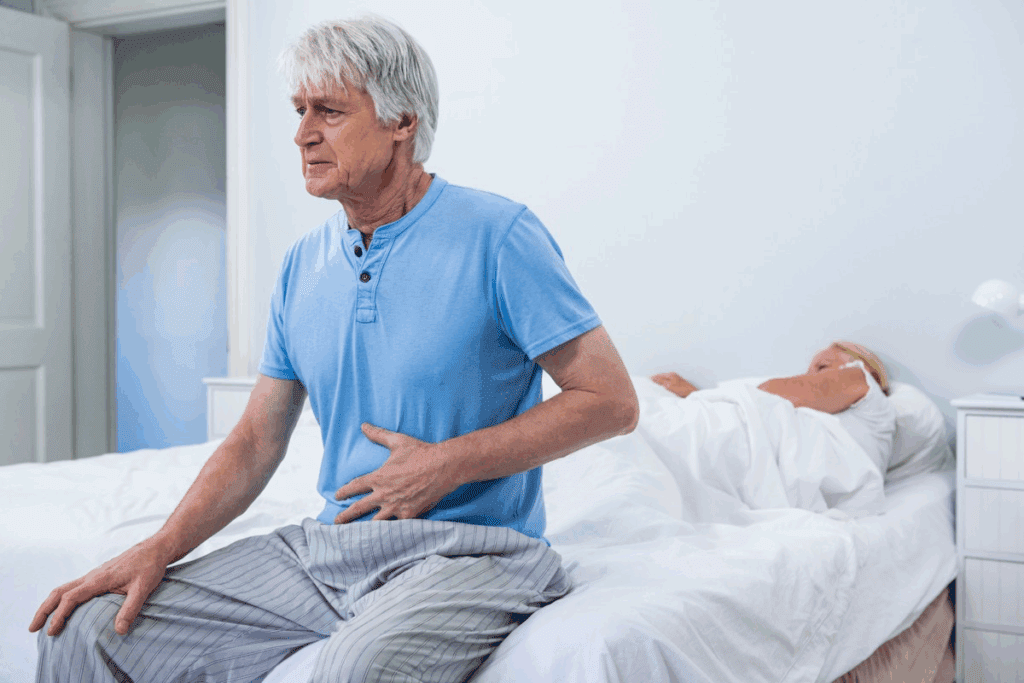
Imagine feeling the sharp, cramping pain of a gallbladder attack. But, you’re told your gallbladder was removed years ago. This is a common problem that leaves many patients confused.
At Liv Hospital, we use the latest technology and focus on our patients. We make sure complex cases get clear answers and the right treatment, including addressing can you have gallbladder attacks without a gallbladder.
Pain in the mid to upper-right part of your abdomen is a key sign. This pain can even happen after you’ve had your gallbladder removed.
Key Takeaways
- Symptoms mimicking gallbladder attacks can occur even after removal.
- Pain in the upper-right abdomen is a common indication of a problem.
- Liv Hospital offers advanced diagnostics and patient-centered care.
- Effective treatment is available for complex cases.
- Understanding the causes and symptoms is key for proper care.
The Reality of Post-Cholecystectomy Syndrome
Post-cholecystectomy syndrome is a complex condition. It happens when biliary-type symptoms come back after the gallbladder is removed. This shows how complex the biliary system is and how surgery can sometimes lead to complications.
Definition and Prevalence Rates
Post-cholecystectomy syndrome includes a variety of symptoms. These symptoms can be similar to those before the surgery. Studies show that 10–15% of patients may keep experiencing these symptoms.
This highlights the need for ongoing medical care. Knowing about this condition helps both doctors and patients. It helps set realistic expectations and find the right treatments.
The Surprising Persistence of Symptoms
One big challenge with post-cholecystectomy syndrome is symptoms that don’t go away. Gallstones can stay hidden for years without causing pain. But when pain does happen, it can be very severe.
Symptoms can keep coming back because of bile duct stones. These stones can block the ducts and cause pain. Knowing why symptoms come back is key to managing them.
In summary, post-cholecystectomy syndrome is a big issue for many people after surgery. It’s important to understand it well. This helps in giving the right care and support.
How Bile Production Changes After Gallbladder Removal
Removing the gallbladder leads to changes in how bile is made and flows. Without the gallbladder, bile from the liver goes straight to the small intestine. This means no storage for bile.
The New Pathway of Bile Flow
The gallbladder stores bile from the liver and releases it when we eat fatty foods. This helps with fat digestion. Without it, bile flows directly into the small intestine. This can change how we digest food, as bile is always flowing.
Bile Flow Changes: The constant flow of bile can cause digestive issues. It’s harder for the body to control bile release with food.
Physiological Adaptations in the Biliary System
The body adjusts to the gallbladder’s removal in several ways. The bile ducts can get bigger to hold more bile. This helps make up for the loss of the gallbladder’s storage.
Adaptation Mechanisms: The biliary system changes, like the bile duct’s size and the liver’s bile making. These changes help the body adjust to the new bile flow.
| Aspect | With Gallbladder | Without Gallbladder |
| Bile Storage | Bile is stored in the gallbladder. | Bile flows directly into the small intestine. |
| Bile Release | Bile is released in response to fatty food. | Continuous flow of bile into the intestine. |
| Digestive Impact | Efficient fat digestion due to regulated bile release. | Potential for digestive disturbances due to continuous bile flow. |
Can You Have Gallbladder Attacks Without a Gallbladder?
People who have had their gallbladder removed often feel pain that feels like a gallbladder attack. This can be confusing and scary for them. It’s called “phantom” gallbladder pain.
The Phenomenon of “Phantom” Gallbladder Pain
“Phantom” gallbladder pain is when people feel like they’re having gallbladder attacks even though their gallbladder is gone. They might feel pain that’s just as bad as before. Pain is a big symptom of gallbladder issues, from mild to very severe.
Studies suggest many patients keep feeling symptoms after their gallbladder is removed. This might be because their body gets used to not having a gallbladder. Symptoms can keep happening because of how bile moves and changes.
Why These Symptoms Mimic Pre-Surgery Attacks
There are a few reasons why symptoms after surgery feel like pre-surgery attacks. One big reason is how the body adjusts to bile flow without a gallbladder. Bile goes straight from the liver to the small intestine, which can cause discomfort.
“The persistence of biliary-type pain after cholecystectomy is a complex issue, involving multiple potentially causes and requiring a detailed diagnostic approach.” –
A gastroenterology expert
Some reasons for these symptoms include:
- Residual or recurrent bile duct stones
- Sphincter of Oddi dysfunction
- Biliary strictures or leaks
| Potential Cause | Description | Symptoms |
| Residual or Recurrent Bile Duct Stones | Stones that remain or form in the bile ducts after cholecystectomy | Pain, jaundice, fever |
| Sphincter of Oddi Dysfunction | Abnormal functioning of the sphincter that controls bile flow | Intermittent pain, nausea |
| Biliary Strictures or Leaks | Narrowing or leakage in the bile ducts | Pain, jaundice, infection signs |
It’s important to understand why people feel phantom gallbladder pain. A detailed check-up is needed to find out why symptoms don’t go away.
Common Causes of Post-Cholecystectomy Pain
It’s important to know why people feel pain after their gallbladder is removed. This pain can happen because of many reasons. It’s called post-cholecystectomy syndrome.
Retained or Recurrent Bile Duct Stones
One big reason for this pain is retained or recurrent bile duct stones. These stones can stay in the bile ducts or come back. They block the flow of bile and cause pain.
Finding these stones can be hard because their symptoms are similar to those before surgery. Doctors use special imaging to spot them.
Sphincter of Oddi Dysfunction
Sphincter of Oddi dysfunction is another big cause of pain after gallbladder removal. This problem happens when the sphincter of Oddi doesn’t work right. It’s a muscle that controls bile flow into the intestine.
This dysfunction can cause pain in the upper right part of the abdomen. It can also make people feel sick and throw up.
Biliary Strictures and Bile Leaks
Biliary strictures and bile leaks can also cause pain after gallbladder surgery. Biliary strictures are when the bile ducts get too narrow. This blocks bile flow and can cause pain and jaundice.
Bile leaks happen when bile spills out of the bile ducts by accident. This can happen during surgery. It can cause a lot of pain, infection, and other serious problems.
Most of the pain after gallbladder surgery comes from problems like sphincter of Oddi dysfunction and bile duct stones. If these problems aren’t treated, they can lead to serious issues. This shows why finding and treating the cause is so important.
Symptoms That Mimic Gallbladder Attacks
Even without a gallbladder, some symptoms can look like gallbladder attacks. These symptoms can be confusing and worrying for those who have had their gallbladder removed.
Characteristic Upper Right Quadrant Pain
Pain in the upper right abdomen is a common symptom. It can be sharp and sudden, sometimes feeling like it’s in the back or right shoulder. This pain might start after eating fatty foods or happen without warning.
Digestive Disturbances
Digestive problems can also mimic gallbladder attacks. You might feel nausea and vomiting after eating fatty or greasy foods. Some people might also have changes in bowel movements, like diarrhea or constipation.
Jaundice and Other Systemic Symptoms
In some cases, symptoms can include jaundice, which is yellowing of the skin and eyes. Other symptoms might be fever, chills, or feeling generally unwell. These signs could mean there’s a more serious problem.
Timing and Triggers of Symptoms
Knowing when and why symptoms happen is key. Some people feel symptoms right after eating, while others have ongoing discomfort. Finding out what triggers these symptoms can help manage them better.
If you’re experiencing these symptoms, it’s important to talk to your doctor. They can figure out what’s causing them and find the right treatment.
Choledocholithiasis: Developing Stones Without a Gallbladder
Even without a gallbladder, it’s possible to develop stones in the bile ducts. This is called choledocholithiasis. It happens when cholesterol and other substances in the bile form stones. This can occur even after the gallbladder has been removed.
Formation Mechanisms in the Bile Ducts
Several factors contribute to stone formation in the bile ducts after gallbladder removal. Bile stasis, or the stagnation of bile flow, can lead to stone formation. Also, infections and foreign bodies in the bile ducts can help stones form.
- Bile stasis due to obstruction or dysmotility
- Infections within the biliary system
- Presence of foreign bodies, such as surgical clips or stents
Risk Factors for Post-Cholecystectomy Stone Development
Some factors increase the chance of developing choledocholithiasis after gallbladder removal. These include:
- A history of previous bile duct stones
- Abnormalities in the biliary anatomy
- Diseases that affect bile composition, such as hemolytic disorders
Knowing these risk factors helps identify patients who need closer monitoring or preventive measures.
Symptomatic vs. Asymptomatic Stones
Bile duct stones can be either symptomatic or asymptomatic. Symptomatic stones often cause pain, jaundice, or cholangitis. On the other hand, asymptomatic stones might be found by chance during imaging for other reasons.
The treatment for choledocholithiasis depends on whether the stones are causing symptoms or not. It also depends on the patient’s overall health.
Diagnosing the Cause of Persistent Biliary Symptoms
Diagnosing persistent biliary symptoms requires a detailed approach. This includes clinical assessment, imaging studies, and lab tests. After gallbladder removal, a thorough check is key to find the cause.
Clinical Evaluation and Patient History
A detailed patient history is the first step. It looks at the pain’s characteristics, how long it lasts, and any other symptoms. The clinical assessment also includes a physical exam to check for liver disease or other issues.
Knowing the patient’s medical history is important. It helps doctors focus on possible causes and plan the right tests.
Imaging Studies and Laboratory Tests
Imaging studies are vital for finding the cause of biliary symptoms. They include:
- Ultrasound: Checks the bile ducts for stones or blockages.
- CT scans: Gives detailed images of the abdomen to spot problems.
- MRI/MRCP: Shows the biliary and pancreatic ducts in detail.
Laboratory tests are also key. They check liver function, look for infections, and check for metabolic disorders.
Advanced Diagnostic Procedures
Sometimes, advanced diagnostic procedures are needed. These include:
- ERCP: Looks at the bile and pancreatic ducts and can treat problems.
- HIDA scan: Checks the bile ducts and gallbladder fossa.
These tests help diagnose complex biliary issues and guide treatment.
Treatment Approaches for Post-Gallbladder Removal Pain
Managing pain after gallbladder surgery starts with finding the cause. Doctors then use specific treatments based on the problem. This could be bile duct issues, sphincter problems, or other complications.
Medication Management Strategies
For many, medication management is the first step. This includes pain relievers, antispasmodics, and drugs for nausea or digestive issues. The right medicine depends on the pain’s type and how bad it is.
Some patients get meds for sphincter of Oddi dysfunction. These help relax the sphincter and improve bile flow, easing pain.
Endoscopic Interventions
Endoscopic interventions are key for treating post-cholecystectomy pain. ERCP can find and fix bile duct problems like stones or strictures. A doctor can remove stones, put in stents, or do a sphincterotomy to help bile flow.
Surgical Options for Refractory Cases
If pain doesn’t go away with other treatments, surgical options might be needed. This could mean fixing or removing stones or addressing other issues causing pain.
When to Seek Emergency Medical Attention
It’s important to know when to go to the emergency room. Severe pain, fever, jaundice, or infection signs need quick help. These could be signs of serious problems.
Knowing about treatment options and their effects is key to managing pain after gallbladder surgery. Working with doctors can help find relief and improve life quality.
Lifestyle and Dietary Modifications to Manage Symptoms
After having your gallbladder removed, you might feel different. You can ease symptoms with the right diet and lifestyle. It’s all about taking care of your digestive health.
Optimal Nutrition After Cholecystectomy
Eating well is key after losing your gallbladder. Eat a variety of foods like fruits, veggies, whole grains, lean proteins, and healthy fats. Avoid foods high in saturated fats, cholesterol, and sugars to avoid digestive problems.
Foods high in fiber help with digestion. Include whole grains, legumes, and colorful veggies in your meals.
Gradual Reintroduction of Fats
Removing your gallbladder makes it harder to digest fats. Start with small amounts of healthy fats like olive oil, avocados, and nuts. This lets your body adjust.
Watch how your body reacts to fats. Some fats might be easier to digest than others. Keeping a food diary can help you figure out which fats upset your stomach.
Beneficial Supplements and Digestive Aids
Some supplements can help with digestion after gallbladder removal. Bile salts help with fat digestion, and probiotics support gut health. Always talk to a healthcare provider before starting any supplements.
Stress Management Techniques
Stress can make digestive problems worse. Try stress-reducing activities like meditation, yoga, or deep breathing. Regular exercise also helps manage stress and boosts well-being.
| Stress Management Technique | Benefits |
| Meditation | Reduces stress, improves mental clarity |
| Yoga | Enhances flexibility, reduces anxiety |
| Deep Breathing Exercises | Lowers stress levels, promotes relaxation |
By making these lifestyle and dietary changes, you can manage symptoms better after gallbladder removal. This improves your overall quality of life.
Conclusion: Living Successfully Without a Gallbladder
Knowing why and how symptoms happen after gallbladder removal is key. It helps those who have had their gallbladder out. They can then manage their health better and live better lives.
Life without a gallbladder means making changes in what you eat and how you live. It’s about finding the right mix of medical care and personal habits. With the right approach, you can thrive without a gallbladder.
Those who have had their gallbladder removed should stay in touch with their doctor. This way, they can keep an eye on their health and deal with any issues quickly. This helps avoid problems and keeps their digestive system working well.
FAQ
Can you have gallbladder attacks after having your gallbladder removed?
Yes, some people can have symptoms like gallbladder attacks after surgery. This is called post-cholecystectomy syndrome.
What is post-cholecystectomy syndrome?
It’s when you keep having symptoms like before the surgery. This includes pain in the belly and problems with digestion.
Can you develop gallstones without a gallbladder?
Yes, you can get stones in the bile ducts even without a gallbladder. This is called choledocholithiasis.
What are the symptoms of choledocholithiasis?
Symptoms include pain in the upper right side of your belly, jaundice, and digestive issues. These are similar to gallbladder attack symptoms.
How is choledocholithiasis diagnosed?
Doctors use a mix of clinical checks, imaging like ultrasound or MRI, and lab tests to find bile duct stones.
Can you have gallbladder-like pain without a gallbladder?
Yes, some people feel pain like from a gallbladder even without one. This can be due to stones or other issues.
What are the common causes of pain after gallbladder removal?
Pain can come from stones in the bile ducts, problems with the sphincter of Oddi, strictures, or bile leaks.
How can symptoms be managed after gallbladder removal?
You can manage symptoms by changing your diet and lifestyle. This includes eating right, managing fats, and managing stress. Medical treatments also help.
Can you get stones after gallbladder removal?
Yes, new stones can form in the bile ducts after surgery. This is more likely if you have certain risk factors.
What lifestyle changes can help alleviate symptoms after gallbladder removal?
Eating a balanced diet and managing fat intake helps. You might also need supplements or digestive aids.
Are there any specific dietary recommendations after cholecystectomy?
Yes, eat lots of fruits, veggies, and whole grains. Slowly add fats back into your diet to ease digestive issues.
Can you have a gallbladder attack without a gallbladder?
While the gallbladder causes attacks, some people might feel similar pain after surgery. This is due to other biliary problems.
What are the treatment options for post-cholecystectomy pain?
Treatment includes medicines, endoscopic procedures, and surgery for severe cases.
How can I manage digestive disturbances after gallbladder removal?
Manage digestive issues by eating small meals often. Avoid foods that trigger problems.
References
- Muleta, J., et al. (2024). A rare case of bile leak due to type 2 duct of Luschka injury: Diagnosis and intervention. Journal of Surgical Case Reports. Retrieved from https://academic.oup.com/jscr/article/2024/3/rjae179/7632948