
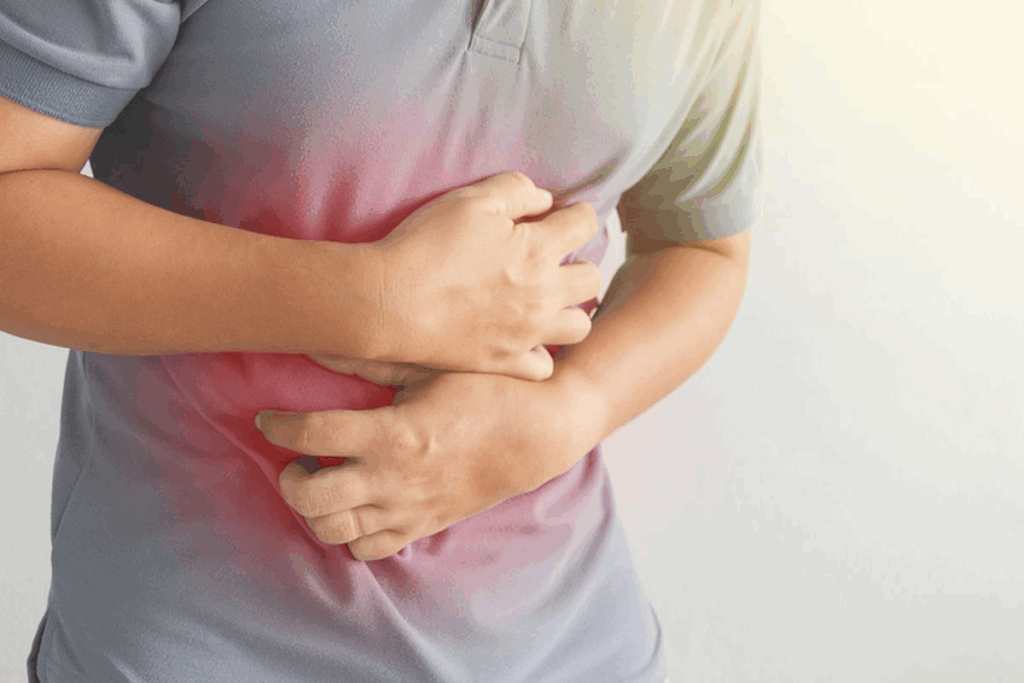
Modern medicine has transformed the way gallstones are treated. Gallbladder removal endoscopy, also known as laparoscopic cholecystectomy, has become the preferred approach because it’s safer, less invasive, and more efficient than traditional open surgery.
At Liv Hospital, our expert surgeons lead the way in advanced gallbladder removal endoscopy techniques, ensuring precision and faster recovery for patients. We also offer robotic-assisted cholecystectomy, which further enhances surgical accuracy and minimizes healing time.
It’s important for patients to understand the different endoscopic methods for gallbladder removal. Knowing these options helps them make informed decisions about their treatment and achieve the best possible outcomes.
Key Takeaways
- Minimally invasive procedures are changing gallbladder treatment.
- Laparoscopic cholecystectomy is the current top choice.
- Robotic-assisted cholecystectomy offers better precision.
- Endoscopic treatments help you recover faster.
- Liv Hospital offers the latest in endoscopic care.
The Science Behind Gallbladder Disease and Treatment

Medical science has made big strides in treating gallbladder diseases. The gallbladder is a small organ under the liver that helps with digestion. But when it gets sick, it can cause serious health problems.
Common Gallbladder Conditions Requiring Intervention
Gallstones affect 10% to 20% of adults globally. These stones can block bile ducts, causing pain and infections. Other issues like cholecystitis and biliary dyskinesia often need surgery.
Cholecystitis can be acute or chronic, often linked to gallstones. Acute cholecystitis needs quick medical help to avoid serious issues. Chronic cholecystitis comes from repeated gallbladder inflammation.
Why Removal May Be Necessary
Removing the gallbladder, or cholecystectomy, is often the best treatment. It’s chosen when other treatments don’t work or when the condition is risky.
Doctors usually decide on removal after trying other treatments. Medications can dissolve small stones, but it’s not always effective. Surgery offers a quicker, more reliable fix for severe or recurring symptoms.
Endoscopic methods, like endoscopic gallstone removal, have changed gallbladder disease treatment. These methods are less invasive, reducing recovery time and risks. They’re a good choice for many patients.
Gallbladder Removal Endoscopy: An Overview

Endoscopic methods have changed gallbladder surgery, giving patients new options. Endoscopic gallbladder removal is now popular for its quick recovery and fewer side effects.
Endoscopic gallbladder removal uses a flexible or rigid endoscope. It lets surgeons see the gallbladder and nearby areas clearly. This helps them work with more precision and less damage to other tissues.
Defining Endoscopic Approaches to Gallbladder Surgery
Endoscopic gallbladder surgery includes many techniques. These range from laparoscopic cholecystectomy to Natural Orifice Transluminal Endoscopic Surgery (NOTES). Laparoscopic cholecystectomy, which uses small incisions and a laparoscope, is now common.
These methods aim to lessen the harm of traditional surgery. They help reduce postoperative pain and speed up recovery.
Evolution of Minimally Invasive Techniques
Minimally invasive gallbladder removal techniques have seen big improvements. Laparoscopic cholecystectomy, introduced in the late 1980s, made gallbladder surgery less invasive. Now, techniques like NOTES and endoscopic transgastric cholecystectomy (ETGC) offer even less invasive options.
These advances show a push to better patient care by cutting down surgical trauma and improving recovery. As technology keeps improving, endoscopic gallbladder removal will likely get even better, giving patients safer and more effective treatments.
Key Fact #1: Laparoscopic Cholecystectomy as the Gold Standard
Laparoscopic cholecystectomy is the top choice for removing the gallbladder. It’s a big leap forward in surgery. This method is safer, works better, and you heal faster than with open surgery.
Why This Procedure Accounts for 78% of Gallbladder Removals
78% of gallbladder removals use laparoscopic cholecystectomy. It’s a big hit because it’s less invasive. Small cuts are made for tools and a camera, making it less painful.
It’s popular because it’s safer and you heal quicker. You can get back to your life in days, not weeks like with old surgery methods.
Step-by-Step Procedure Overview
The laparoscopic cholecystectomy process has a few main steps:
- Insertion of a laparoscope through a small incision to visualize the gallbladder.
- Identification and clipping of the cystic duct and artery.
- Dissection of the gallbladder from the liver bed.
- Removal of the gallbladder through one of the port sites.
This careful method makes the surgery safe and effective. It lowers the chance of problems.
Equipment and Technology Used
The success of laparoscopic cholecystectomy depends on the tools and tech. Today’s systems have high-def cameras, precise tools, and special devices for stopping bleeding.
High-definition visualization helps surgeons see better. This cuts down on mistakes like bile duct injuries. The special devices also help with cutting and stopping bleeding, making the surgery safer.
Key Fact #2: The Rise of Robotic-Assisted Cholecystectomy
The use of robotic-assisted cholecystectomy is growing fast. It’s a key part of endoscopy gallbladder removal methods. It brings better precision and flexibility to surgery.
Robotic systems have changed surgery a lot. They give surgeons better control, vision, and dexterity. This is great for patients, making complex surgeries safer.
Current 5% Adoption Rate and Growth Trajectory
About 5% of gallbladder removals now use robotic-assisted cholecystectomy. Even though it’s not used much yet, it’s getting more popular. This is because it works well and technology keeps getting better.
| Year | Adoption Rate (%) | Number of Procedures |
| 2018 | 2 | 10,000 |
| 2020 | 4 | 25,000 |
| 2022 | 5 | 40,000 |
How Robotic Systems Enhance Surgical Precision
Robotic-assisted cholecystectomy makes surgery better in several ways:
- Improved Dexterity: Robots give surgeons more control and flexibility. This means they can do precise work like dissection and suturing.
- High-Definition Visualization: The technology offers a clear, detailed view of the surgery area. This helps surgeons see and protect important parts.
- Reduced Tremor: Robots remove hand tremors. This means the surgery is smoother and more precise.
As technology keeps improving, we’ll see even more benefits. This could lead to more use of gallbladder removal endoscopy with robots.
Key Fact #3: Reduced Complications with Endoscopic Approaches
One big plus of endoscopic gallbladder removal is fewer complications. This includes less chance of bile duct injury and infection. Techniques like laparoscopic and robotic-assisted surgeries make gallbladder removal safer.
Decreased Rates of Bile Duct Injury
Bile duct injury is a serious issue during gallbladder surgery. But, endoscopic approaches have shown to lower this risk. A study in a top medical journal found laparoscopic cholecystectomy has a lower bile duct injury rate than open cholecystectomy.
“The use of laparoscopic cholecystectomy has been associated with a reduced risk of bile duct injury compared to open cholecystectomy.”
Lower Infection Rates and Bleeding Complications
Endoscopy gallbladder removal also means fewer infections and bleeding issues. These procedures are less invasive, causing less tissue damage. This leads to less pain and quicker recovery times.
- Reduced risk of infection due to smaller incisions
- Less bleeding during and after surgery
- Faster recovery and return to normal activities
Overall Safety Profile Compared to Open Surgery
The safety of endoscopic gallbladder removal is much better than open surgery. Endoscopic methods reduce the risk of complications. A leading surgeon said, “The advancement in endoscopic techniques has revolutionized gallbladder surgery, making it safer and more effective for patients.”
Key Fact #4: Endoscopic Retrograde Cholangiopancreatography (ERCP)
Endoscopic Retrograde Cholangiopancreatography (ERCP) is key in treating bile duct stones linked to gallbladder disease. It combines endoscopy and fluoroscopy to diagnose and treat bile and pancreatic duct issues.
Bile Duct Stone Management with ERCP
ERCP is great for managing bile duct stones, a common problem with gallbladder disease. It lets doctors remove stones from the bile duct. This lowers the risk of serious problems like cholangitis or pancreatitis.
Benefits of ERCP in Bile Duct Stone Management:
- Direct visualization of the bile ducts
- Ability to perform sphincterotomy for stone removal
- Reduced need for surgical intervention
Reducing Emergency Presentations Before Surgery
ERCP is also good at cutting down emergency visits before gallbladder surgery. It removes bile duct stones before surgery. This makes patients more stable and lowers surgery risks.
| Procedure | Emergency Presentation Rate | Surgical Complication Rate |
| Surgery without ERCP | 15% | 8% |
| Surgery with ERCP | 5% | 3% |
Technique and Applications of ERCP
ERCP involves using an endoscope through the mouth, esophagus, and stomach to reach the duodenum. A catheter is then used to inject contrast material into the bile or pancreatic duct. This makes the ducts visible on X-ray images.
“ERCP has become an indispensable tool in the management of pancreaticobiliary disorders, providing a less invasive option than surgery.” – Dr. [Last Name], Gastroenterologist
ERCP is not just for removing bile duct stones. It’s also used for placing stents for obstructions and diagnosing pancreaticobiliary cancers.
Key Fact #5: Accelerated Recovery Benefits
Endoscopic gallbladder removal has changed how patients heal after surgery. This method is less invasive than traditional surgery. It leads to faster healing and better results for patients.
Typical Recovery Timeline After Endoscopic Procedures
Patients who have endoscopic gallbladder removal recover faster than those with open surgery. They can usually go back to their normal activities in a few days to a week.
| Day | Typical Activities | Expected Symptoms |
| 1-2 | Rest, light walking | Mild discomfort, fatigue |
| 3-5 | Gradual return to light activities | Decreasing pain, improving energy |
| 7-10 | Return to most normal activities | Minimal discomfort |
Pain Management and Return to Normal Activities
Managing pain well is key to a smooth recovery. Patients get pain medicine to help with discomfort in the first days. As they heal, they need less pain medicine and can start doing more things in a week.
Key strategies for pain management include:
- Adhering to the prescribed pain medication regimen
- Engaging in gentle stretching and movement to prevent stiffness
- Using heat or cold therapy as recommended by healthcare providers
As noted by a leading gastroenterologist,
“The ability to manage pain effectively is a critical component of the recovery process, allowing patients to resume their normal activities more quickly.”
Long-term Outcomes and Quality of Life
Patients who have endoscopic gallbladder removal usually do very well in the long run. They often see a big improvement in their quality of life. Symptoms related to gallbladder disease usually go away.
Long-term benefits may include:
- Complete resolution of gallstone-related symptoms
- Reduced risk of future gallbladder-related complications
- Minimal scarring due to the small incisions used in endoscopic procedures
Overall, the fast recovery from endoscopic gallbladder removal makes it a good choice for those needing gallbladder surgery.
Key Fact #6: Patient Selection Criteria
Choosing the right patients for endoscopic gallbladder removal is key for success. The decision to use this minimally invasive method depends on several factors. These include the patient’s health, any complicating factors, and the type of gallbladder disease.
Ideal Candidates for Different Endoscopic Approaches
Those best suited for endoscopic gallbladder removal often have gallstones or other gallbladder issues that haven’t improved with other treatments. Conditions like acute cholecystitis or gallbladder polyps can also play a role in the decision.
Doctors look at the patient’s age, health, and past surgeries to decide the best approach. For example, someone with a history of abdominal surgery might need a special approach because of possible adhesions.
Contraindications and Risk Assessment
Endoscopic gallbladder removal is usually safe, but there are risks and contraindications. People with severe heart or lung problems, bleeding disorders, or other serious health issues might face higher risks.
A detailed risk assessment is done to check for any conditions that could make the procedure risky. This includes cirrhosis, portal hypertension, or other issues that could complicate the surgery.
When Traditional Open Surgery May Be Necessary
Even if a patient seems like a good candidate for endoscopic gallbladder removal, open surgery might be needed in some cases. This is usually when there are complex issues like dense adhesions or bile duct injuries that can’t be handled with endoscopy.
The choice between endoscopic and open surgery depends on the patient’s specific needs and the nature of their gallbladder disease.
Key Fact #7: Global Market Growth in Endoscopic Treatments
The global market for endoscopic gallbladder removal is growing fast. This is because more patients want treatments that are less invasive. They prefer options with fewer complications and quicker recovery times.
Patient Demand Driving Innovation
Patients are choosing endoscopic treatments more often. These treatments are less invasive. They come with fewer risks, less pain, and a faster return to daily activities.
Innovations in endoscopic technology have made these surgeries safer and more effective. New imaging and tools have improved the accuracy of these surgeries.
Economic Factors and Healthcare System Adoption
Economic factors are also key in the adoption of endoscopic gallbladder removal. Healthcare systems need to cut costs while improving care. Endoscopic procedures help by reducing hospital stays and complications, saving money.
| Economic Factor | Impact on Adoption |
| Reduced Hospital Stay | Lower costs for healthcare systems |
| Minimized Complications | Reduced need for additional treatments or interventions |
| Technological Advancements | Improved precision and safety, enhanced patient outcomes |
Future Technological Developments
The future of endoscopic gallbladder removal looks bright with new tech. Robotics and artificial intelligence will make these procedures even safer and more precise.
The integration of AI in endoscopic procedures could change the game. It could provide real-time data and support during surgeries.
Preparing for Your Endoscopic Gallbladder Procedure
Getting ready for an endoscopic gallbladder procedure is important. It makes the experience smoother and more successful. Proper preparation also helps reduce anxiety and leads to better results.
Pre-Operative Testing and Evaluation
Before the procedure, patients go through several tests. These include:
- Blood tests to check overall health and liver function
- Imaging studies like ultrasound or CT scans to see the gallbladder and bile ducts
- Cardiac evaluation for those with heart issues
These tests find any risks and help the surgical team plan the procedure.
What to Expect Before, During, and After Surgery
Knowing about endoscopic gallstone removal can ease worries. Here’s what to expect:
Before surgery, you’ll be told about diet and medication. On the day, you’ll get instructions on arrival and what to expect.
During the procedure, endoscopic techniques are used. They let the surgeon see and remove the gallbladder with little invasion.
After surgery, you’ll be watched for a bit before going home. You’ll get instructions on pain, diet, and follow-up visits.
Questions to Ask Your Surgeon
Talking to your surgeon is key. Ask any questions or concerns you have. Consider asking:
- What are the possible risks and complications?
- How will pain be managed after the procedure?
- Are there specific instructions for after the surgery?
Being well-prepared and informed helps patients feel confident during their gallbladder removal endoscopy.
Multidisciplinary Approach to Gallbladder Disease
Managing gallbladder disease needs a team effort. This team approach makes sure patients get the best care from start to finish.
Coordinated Care Between Specialists
Many specialists are needed to treat gallbladder disease. This includes surgeons, gastroenterologists, and radiologists. Coordinated care is key to giving patients the right treatment.
For example, surgeons and gastroenterologists work together. They decide the best treatment, like endoscopic retrograde cholangiopancreatography (ERCP). This teamwork helps make informed decisions.
| Specialist | Role in Gallbladder Disease Management |
| Surgeon | Performs surgical procedures, including gallbladder removal endoscopy |
| Gastroenterologist | Diagnoses and treats gastrointestinal conditions, including those related to the gallbladder |
| Radiologist | Provides imaging services to aid in diagnosis and treatment planning |
Role of Academic Protocols in Treatment Planning
Academic protocols guide treatment for gallbladder disease. They are based on the latest research. This ensures patients get care that follows the best practices.
Using these protocols, doctors can give standardized care. This care improves patient results. For example, protocols help decide when to use imaging studies and when to do surgery.
Liv Hospital’s Approach to Comprehensive Care
Liv Hospital takes a complete approach to gallbladder disease. Their team works together to give patients care that’s tailored to them. This care goes from the first visit to after surgery.
Liv Hospital uses the latest tools and treatments, like laparoscopic cholecystectomy and robotic surgery. They follow academic protocols to ensure patients get top-notch, evidence-based care.
Potential Risks and Complications
Endoscopic gallbladder removal is generally safe but comes with risks. It’s important for patients to know about these risks. This helps them make informed decisions about their care.
Understanding Possible Adverse Outcomes
Endoscopic gallbladder removal can lead to complications like bile duct injury, infection, and bleeding. Bile duct injury is a serious concern, though rare. It’s essential for patients to be aware of these risks and talk to their healthcare provider.
“The risk of bile duct injury during laparoscopic cholecystectomy is a well-documented complication,” states a leading medical journal.
“Bile duct injuries are serious and potentially life-threatening complications that require prompt and effective management.”
How Complications Are Managed
Managing complications is key to good outcomes for patients. If a bile duct injury happens, prompt intervention is needed. This might involve more surgery or endoscopic treatments to fix the issue.
A study on managing complications associated with laparoscopic cholecystectomy shows the importance of teamwork. Coordinated care between specialists is vital for quick and effective management of complications.
Comparing Risk Profiles Across Different Approaches
Different ways to remove the gallbladder have different risks. Laparoscopic cholecystectomy is often safer than open cholecystectomy. But, the choice of procedure depends on individual patient factors, like the severity of gallbladder disease and overall health.
Comparing risks of different surgical approaches is key to finding the best treatment for each patient. By understanding the risks and benefits of each method, healthcare providers can tailor care to minimize risks and improve outcomes.
Conclusion: The Future of Endoscopic Gallbladder Treatments
The field of gallbladder removal endoscopy has seen big changes. Now, treating gallbladder diseases is done in a new way. This method is less invasive and has faster recovery times.
Studies have shown that endoscopic treatments are better and safer. Laparoscopic and robotic-assisted cholecystectomy have improved results. ERCP plays a key role in handling bile duct stones.
The future of treating gallbladder diseases looks bright. New technologies and techniques will make treatments even better. This means more precise and quicker recoveries.
More people want less invasive treatments, so endoscopic methods will grow. This is because of patient needs and new healthcare tech. The future of gallbladder removal endoscopy will keep getting better, helping patients more.
FAQ
What is gallbladder removal endoscopy?
Gallbladder removal endoscopy is a minimally invasive surgery. It removes the gallbladder using laparoscopic or robotic-assisted methods.
What conditions require gallbladder removal?
You might need gallbladder removal for gallstones, cholecystitis, or other diseases. These conditions cause a lot of symptoms or problems.
What is laparoscopic cholecystectomy?
Laparoscopic cholecystectomy is a surgery. It removes the gallbladder through small cuts. It’s now the top choice for gallbladder removal.
How does robotic-assisted cholecystectomy enhance surgical precision?
Robotic-assisted cholecystectomy uses robots to help the surgeon. It gives better control, view, and precision during the surgery.
What are the benefits of endoscopic approaches to gallbladder removal?
Endoscopic methods, like laparoscopic and robotic-assisted, have many benefits. They reduce complications, pain, and recovery time. They are safer than open surgery.
What is ERCP, and how is it used in gallbladder treatment?
ERCP stands for Endoscopic Retrograde Cholangiopancreatography. It’s used to diagnose and treat bile and pancreatic duct problems. It helps manage bile duct stones before surgery.
How long does it take to recover from endoscopic gallbladder removal?
Recovery times vary. But most people can get back to normal in a few days to a week. Some might recover faster.
Who are ideal candidates for endoscopic gallbladder removal?
Good candidates have symptomatic gallbladder disease and are relatively healthy. They prefer a minimally invasive solution.
What are the possible risks and complications of endoscopic gallbladder removal?
Risks include bile duct injury, infection, and bleeding. But these are less common with endoscopic methods than open surgery.
How can I prepare for an endoscopic gallbladder procedure?
Prepare with pre-operative tests and understanding the procedure. Ask your surgeon about the process and any concerns.
What is the role of a multidisciplinary approach in managing gallbladder disease?
A multidisciplinary approach means working together with specialists. It ensures a complete treatment plan for better patient outcomes.
What are the future directions in endoscopic gallbladder treatments?
Future advancements include better technology and new techniques. These will improve patient outcomes and offer more treatment options.
References
Gallbladder Removal Endoscopy: 7 Surprising Facts https://pmc.ncbi.nlm.nih.gov/articles/PMC9678607/



 Departments
 Related Videos
 Our Doctors
 News
News