
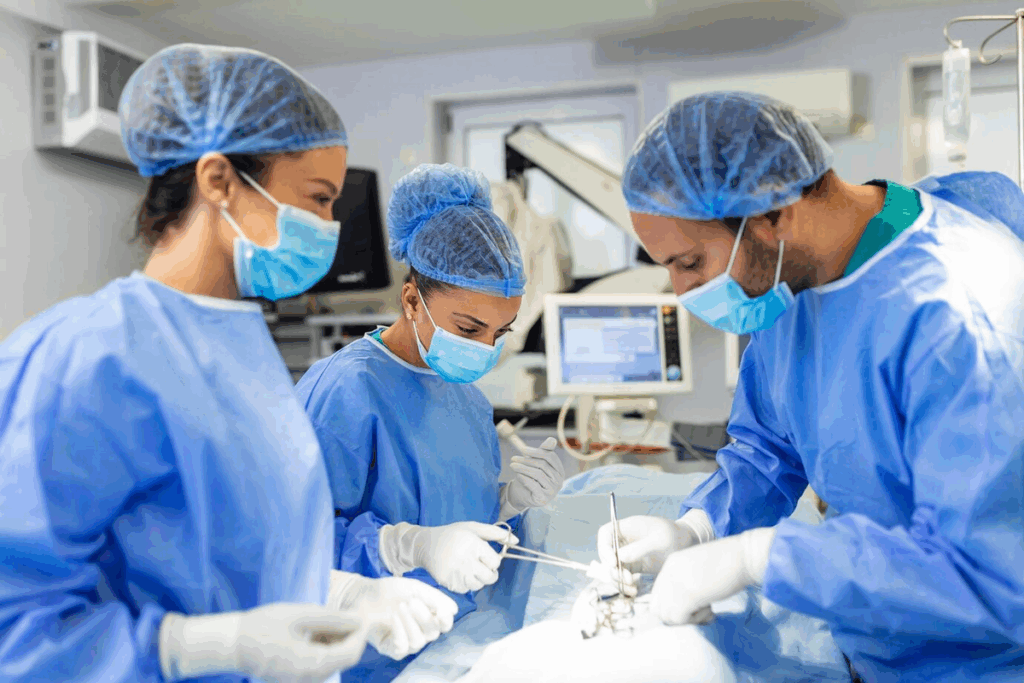
Every year, thousands of people have successful cholecystectomies, says the Medical organization. This shows how common gallbladder removal surgery is. It’s often done to treat gallstones and other gallbladder issues.
We’ll look into if gallbladder removal surgery is a big deal. We’ll also talk about what happens during the cholecystectomy procedure. By looking at the surgical techniques used, we want to give you a full picture of this common surgery.
Assessing whether Gallbladder Removal Surgery is considered a major operation in modern medical practice.
Key Takeaways
- Understanding the prevalence of gallbladder removal surgery
- Exploring the definition of major surgery in the context of cholecystectomy
- Overview of the cholecystectomy procedure and surgical techniques involved
- What to expect from gallbladder removal surgery
- Insights into the recovery process and post-operative care
Understanding the Gallbladder and Its Function
The gallbladder is a small, pear-shaped organ located under the liver. It plays a key role in our digestive system. Knowing how it works helps us see its importance.
Anatomy of the Gallbladder
The gallbladder is simple in structure but important in the digestive system. It sits under the liver, storing bile from the liver. The gallbladder’s anatomy includes a body for bile storage and a cystic duct for bile flow into the small intestine.
Role in Digestion
The gallbladder’s main job is to store and concentrate bile. When we eat, it releases bile into the small intestine. This bile helps break down fats, making vitamins and fatty acids easier to absorb.
Common Gallbladder Problems
The gallbladder faces many issues, with gallstones being the most common. Gallstones can block the bile flow, causing pain and infection. Other problems include biliary dyskinesia and gallbladder cancer, though rare.
Knowing about these issues helps us understand when the gallbladder might need medical help. Sometimes, removing the gallbladder is necessary.
When Is Gallbladder Removal Surgery Necessary?
Some health issues require removing the gallbladder. Doctors usually decide on surgery after finding specific problems with the gallbladder.
Gallstones and Biliary Colic
Gallstones are a top reason for gallbladder surgery. The Medical organization says these stones can cause biliary colic. This is severe pain in the upper right abdomen, often after eating fatty foods.
Gallstones happen when bile has too much cholesterol or bilirubin. Or, if the gallbladder doesn’t empty right. These stones can lead to biliary colic and more serious problems if not treated.
Cholecystitis (Gallbladder Inflammation)
Cholecystitis is another reason for surgery. It’s inflammation of the gallbladder, often from gallstones blocking the cystic duct. This can lead to infection and serious issues.
Symptoms include severe pain, fever, and nausea. If you have cholecystitis, removing the gallbladder is often advised to avoid future problems.
Other Medical Indications
Other reasons for gallbladder removal include gallbladder polyps and certain cancers. Gallbladder polyps are growths on the gallbladder wall. Some cancers of the gallbladder also require surgery.
| Condition | Description | Treatment |
| Gallstones | Hardened deposits in the gallbladder | Gallbladder removal surgery |
| Cholecystitis | Inflammation of the gallbladder | Gallbladder removal surgery |
| Gallbladder Polyps | Growths on the gallbladder wall | Monitoring or gallbladder removal |
Knowing about these conditions helps understand when surgery is needed. It’s important to talk to a doctor to find the best treatment for you.
Types of Gallbladder Removal Surgery
Gallbladder removal surgery comes in different forms, each with its own benefits and considerations. The choice depends on the patient’s health, the presence of gallstones, and the surgeon’s expertise.
Laparoscopic Cholecystectomy
Laparoscopic cholecystectomy is a minimally invasive surgical procedure. It removes the gallbladder through small incisions in the abdomen. This method is popular because it offers:
- Less post-operative pain
- Shorter hospital stay
- Quicker recovery time
- Smaller scars
A laparoscope (a thin tube with a camera) is used to see the gallbladder on a monitor. The surgeon then uses special tools to remove it carefully.
Open Cholecystectomy
Open cholecystectomy is a more traditional method. It involves a larger incision to access the gallbladder. This approach is used when laparoscopic surgery is not possible.
The benefits of open cholecystectomy include:
- Direct visualization and access to the gallbladder
- Ability to handle complex cases or unexpected complications
But, it generally leads to a longer recovery and a bigger scar compared to laparoscopic cholecystectomy.
Single-Incision Laparoscopic Surgery
Single-incision laparoscopic surgery is a variation of laparoscopic cholecystectomy. It’s done through a single incision, usually at the belly button. This method aims to reduce scarring and post-operative pain.
Robotic-Assisted Surgery
Robotic-assisted surgery is a modern technique. It offers better precision and dexterity. In gallbladder removal, it provides improved visualization and control, leading to better outcomes in complex cases.
Choosing surgery can be scary. It’s important to talk to a healthcare professional about your options and risks. They can help decide the best approach for you.
Is Gallbladder Removal Surgery Considered Major Surgery?
To know if gallbladder removal is major surgery, we need to look at the surgery type, patient health, and risks.
Defining Major vs. Minor Surgery
Major surgery is complex, risky, and takes longer to recover from. It often needs general anesthesia. Minor surgery is simpler, safer, and has quicker recovery times.
Gallbladder removal surgery, or cholecystectomy, can be done in different ways. These include laparoscopic (minimally invasive) and open surgery. The risks and complexity depend on the method used.
Classification of Cholecystectomy
Cholecystectomy is classified by the surgical method:
- Laparoscopic cholecystectomy: considered minimally invasive
- Open cholecystectomy: more invasive, often used for complex cases
The Medical organization says cholecystectomy is safe and effective. But, the complexity can change based on individual factors.
Factors That Influence Surgical Complexity
Several things can make gallbladder removal surgery more complex:
| Factor | Description | Impact on Complexity |
| Surgical Technique | Laparoscopic vs. Open Surgery | Laparoscopic is generally less complex |
| Patient Health | Presence of comorbidities | More comorbidities can increase complexity |
| Gallbladder Condition | Inflammation, scarring, or stones | Severe inflammation or scarring can increase complexity |
| Surgeon’s Experience | Skill level and experience with the procedure | More experienced surgeons can reduce complexity |
Even though gallbladder removal surgery is major due to general anesthesia and risks, the laparoscopic method makes it less invasive for many. The classification depends on the patient’s situation and the surgery method.
Modern Technology in Gallbladder Removal Surgery
Modern technology greatly improves the safety and success of gallbladder removal surgery. It brings new tools and methods that make procedures more precise and less invasive.
Advanced Imaging Techniques
Advanced imaging is key in gallbladder surgery. It lets surgeons see the gallbladder and nearby areas clearly. Intraoperative cholangiography helps spot problems early, making surgery smoother.
These tools help doctors diagnose and fix issues during surgery. They make the whole process safer and more effective.
Surgical Instruments and Equipment
New surgical tools and equipment have changed gallbladder surgery a lot. Laparoscopic instruments are made to be small and gentle. This means less harm to the body and faster healing.
Also, high-definition cameras and advanced laparoscopic systems help surgeons do complex tasks better. They work with more precision and control.
Minimally Invasive Approaches
Minimally invasive methods, like laparoscopic cholecystectomy, are now the main choice for removing the gallbladder. These methods use small cuts, cause less damage, and lead to less pain and quicker healing.
The Medical organization says laparoscopic cholecystectomy is a proven method. It cuts down recovery time and lowers the chance of complications. We’re seeing more improvements, like single-incision laparoscopic surgery and robotic-assisted surgery, which are making things even better for patients.
Preparing for Gallbladder Removal Surgery
Gallbladder removal surgery needs careful planning. This includes preoperative checks and dietary advice. We aim to make sure you’re ready for a successful surgery and a smooth recovery.
Preoperative Assessment
A detailed preoperative check is done before surgery. It looks at your health and any risks. This includes checking your medical history, doing a physical exam, and running tests like blood work and imaging.
We use this info to make your surgery plan fit your needs. This helps ensure the best results for you.
Dietary and Medication Guidelines
The Medical organization says there are specific diet and medication rules before surgery. You might need to eat a low-fat diet a few days before. This helps your gallbladder less.
We also tell you to stop taking certain medications. This includes blood thinners and anti-inflammatory drugs. Following these rules helps avoid problems and makes the surgery smoother.
What to Bring to the Hospital
On surgery day, bring important items to the hospital. This makes sure you’re comfortable and cared for well. You should bring:
- Identification and insurance cards
- Comfortable clothes to wear after surgery
- Any needed medications or medical devices
- A list of emergency contact numbers
Being well-prepared and following our advice helps. It ensures a successful surgery and a comfortable recovery.
The Day of Your Gallbladder Removal Surgery
Getting ready for gallbladder removal surgery can feel scary. We’re here to walk you through what happens on the big day. We want to make sure you’re ready for everything.
Arrival and Pre-Surgery Procedures
When you arrive at the hospital or surgical center, our team will welcome you. You’ll change into a surgical gown and head to a pre-operative area. There, the surgical team will go over your medical history and explain the surgery.
Some important steps include:
- Confirming your identity and the surgery details
- Administering any necessary pre-operative medications
- Inserting an intravenous (IV) line for anesthesia and fluids
Anesthesia Administration
At The Medical organization, most patients get general anesthesia for gallbladder surgery. This means you’ll be asleep and won’t feel pain. Our anesthesiologist will watch your vital signs during the surgery.
General anesthesia keeps you comfortable and pain-free. We’ll talk about anesthesia with you before the surgery, answering any questions.
What Happens in the Operating Room
When you’re under anesthesia, the surgery starts. For laparoscopic surgery, small incisions are made in your abdomen. The surgeon will then remove your gallbladder carefully.
- Making surgical incisions, either laparoscopically or through an open incision, depending on your specific case
- Using advanced surgical instruments to dissect and remove the gallbladder
- Inspecting the bile ducts and surrounding area for any additional issues
Our surgical team works together to keep you safe and ensure the surgery’s success.
Step-by-Step: The Gallbladder Removal Procedure
Removing the gallbladder, or cholecystectomy, has several steps. Surgeons follow these steps to ensure a safe and effective surgery. We’ll explain the laparoscopic and open surgery techniques. We’ll also cover what to expect in terms of duration and completion.
Laparoscopic Technique Explained
Laparoscopic cholecystectomy is a minimally invasive surgery. It involves making several small incisions in the abdomen. The Medical organization says this method uses a laparoscope to see the gallbladder. This allows for its removal through small incisions.
The steps in laparoscopic cholecystectomy include:
- Making 3 to 4 small incisions in the abdomen.
- Inserting a laparoscope through one of the incisions to provide a clear view of the gallbladder.
- Using specialized surgical instruments to dissect and remove the gallbladder.
- Closing the incisions with sutures or staples.
Open Surgery Procedure
In some cases, an open cholecystectomy is needed. This involves a larger incision in the abdomen to access the gallbladder directly. It’s used for patients with complex gallbladder disease or those who have had previous abdominal surgery.
The steps in open cholecystectomy include:
- Making a single, larger incision in the upper right abdomen.
- Retracting the abdominal muscles to expose the gallbladder.
- Dissecting the gallbladder from surrounding tissues and removing it.
- Closing the incision with sutures or staples.
Duration and Completion
The time it takes to remove the gallbladder varies. Laparoscopic cholecystectomy usually takes 1 to 2 hours. Open cholecystectomy may take longer.
| Surgery Type | Typical Duration |
| Laparoscopic Cholecystectomy | 1-2 hours |
| Open Cholecystectomy | 1-3 hours |
After surgery, patients go to the recovery room for care. The recovery process will be discussed in the next sections.
Immediate Post-Operative Care
Good care right after surgery is key to avoiding problems and quick healing after gallbladder removal. This care starts as soon as the surgery ends. Patients are watched closely in the recovery room.
Recovery Room Experience
Patients go to the recovery room after surgery. There, doctors and nurses watch their heart rate, blood pressure, and oxygen levels. The Medical organization says patients get pain medicine here to ease their discomfort.
The recovery room team also looks for any quick problems, like bleeding or breathing issues. How long a patient stays here depends on their health and the surgery’s complexity.
Pain Management Strategies
Managing pain is a big part of post-surgery care. Patients get pain medicine to help with discomfort. The kind and amount of medicine depends on their health, the surgery, and how much pain they can handle.
Good pain management makes patients more comfortable. It also lowers stress and helps with a smoother recovery. It’s important for patients to tell their doctors how much pain they have. This helps adjust the pain plan as needed.
Initial Mobility and Care
Moving early is important to avoid problems like blood clots and to help healing. Patients are usually told to get up and move around soon after surgery. They do this with the help of healthcare professionals.
| Care Aspect | Description | Benefits |
| Pain Management | Administration of pain relief medication | Reduces discomfort, promotes recovery |
| Early Mobility | Encouraging patients to move and walk | Prevents blood clots, promotes healing |
| Monitoring | Close observation of vital signs and overall condition | Early detection of possible complications |
By focusing on these parts of immediate post-surgery care, doctors can greatly improve patient results. This helps patients get back to their normal lives faster.
Hospital Stay Duration After Gallbladder Surgery
It’s important to know what affects how long you stay in the hospital after gallbladder surgery. The time you spend there can change based on the surgery type and your personal needs.
Outpatient vs. Inpatient Procedures
Gallbladder removal surgery can be done either as an outpatient or inpatient. Laparoscopic cholecystectomy, a less invasive method, is often done on an outpatient basis. This means you can go home the same day. On the other hand, open cholecystectomy or more complex surgeries might need a longer hospital stay.
- Outpatient Procedures: These are for patients with low health risks and usually have less hospital recovery time.
- Inpatient Procedures: Patients with serious health issues or undergoing open surgery may need to stay longer for better care.
Factors Affecting Length of Stay
Several things can affect how long you stay in the hospital after gallbladder surgery. These include:
- The surgical method used (laparoscopic vs. open).
- Your overall health and any other health conditions.
- Any complications during or after surgery.
- How well you can recover and manage care at home.
Discharge Criteria
When you’re ready to go home, you’ll need to meet certain criteria. This includes:
- Stable vital signs and overall health.
- Being able to manage pain with oral medications.
- Being able to eat normally again.
- No signs of complications or infection.
According to the Medical organization, how long you stay in the hospital after gallbladder surgery depends on the procedure and your individual factors. It’s key to follow your doctor’s instructions and go to follow-up appointments for a smooth recovery.
Recovery Timeline After Gallbladder Removal Surgery
Knowing the recovery timeline after gallbladder surgery helps patients get ready for what comes next. The Medical organization says most people can get back to normal in a few weeks.
First Week Post-Surgery
The first week is key and usually happens in the hospital or at home. You’ll need to:
- Rest and avoid hard activities
- Stick to a special diet for digestion
- Use the pain meds your doctor gave you
- Watch for any signs of problems
It’s very important to do what your surgeon tells you about wound care, meds, and follow-ups.
Weeks 2-4 Recovery Milestones
In the second to fourth week, you’ll start to:
- Do more physical stuff
- Start eating like you used to, but maybe not exactly the same
- Feel less pain and discomfort
You can get back to your usual day, but heavy lifting and hard work should wait.
Long-Term Healing Process
Healing doesn’t stop after a few weeks. It can take months for your body to get used to not having a gallbladder. You might notice changes in how you digest food, but usually, these can be managed with diet.
Returning to Work and Normal Activities
When you can go back to work depends on your job and how fast you heal. People with desk jobs might be back in 1-2 weeks. Those with jobs that are harder physically might need 2-4 weeks or more. Always listen to your surgeon about when to start doing normal things again to stay safe.
By knowing the recovery timeline and following your doctor’s advice, you can lower the chance of problems and have a smooth recovery.
Potential Risks and Complications
It’s important to know the risks of gallbladder removal surgery. The surgery is usually safe, but knowing the possible problems helps patients prepare. It also tells them when to get medical help.
Common Side Effects
After gallbladder removal, some people feel temporary discomfort, pain, and changes in bowel movements. Others might get diarrhea or loose stools. These issues usually go away in a few weeks.
The Medical organization lists risks like bleeding, infection, and bile duct injury. Following postoperative care can help avoid these problems.
Serious Complications
Though rare, serious issues can happen. These include bleeding, infection, or injury to the bile duct. Sometimes, more surgery is needed to fix these problems.
“The risk of complications can be minimized by choosing an experienced surgeon and following postoperative instructions carefully,” says a leading gastroenterologist.
When to Seek Medical Attention
Knowing when to get medical help is key. Look for severe abdominal pain, fever, or signs of infection. Also, seek help for persistent vomiting, jaundice, or difficulty breathing.
Being alert to these symptoms can prevent serious issues. It helps ensure a smoother recovery.
Living Without a Gallbladder
Living without a gallbladder means making some changes, but it’s doable. The gallbladder holds bile from the liver, which aids in fat digestion. Though it’s helpful, it’s not needed for digestion.
Digestive Changes to Expect
After surgery, digestion might change. You might find it hard to digest fatty foods. This is because bile goes straight to the small intestine, not with food.
This can cause diarrhea or fatty stools. The Medical organization says you can live well without a gallbladder. You might need to change your diet, though.
“The absence of a gallbladder can lead to a change in the way bile is delivered to the intestine, potentially causing some gastrointestinal symptoms.”
Dietary Adjustments
To handle digestive changes, you might need to eat differently. Eating less fat, at least at first, can help. Also, eating smaller meals more often can ease symptoms.
- Eat a low-fat diet initially after surgery.
- Gradually introduce higher-fat foods to see how your body reacts.
- Consider a bile salt supplement if recommended by your doctor.
| Dietary Component | Pre-Surgery | Post-Surgery |
| Fat Intake | Normal fat diet | Initially low-fat, gradually increased |
| Meal Frequency | 3 main meals | Smaller, more frequent meals |
| Bile Salt Supplements | Not typically needed | May be recommended by a doctor |
Long-Term Health Considerations
Most people get used to life without a gallbladder over time. But, you might need to keep an eye on your diet. Regular health check-ups are key to staying healthy.
Following your doctor’s advice on diet and lifestyle is vital. It helps avoid problems and ensures a smooth recovery.
Understanding the effects of not having a gallbladder and making the right changes can lead to a healthy life post-surgery.
Conclusion
Gallbladder removal surgery, or cholecystectomy, is a big deal. It involves taking out the gallbladder, a small organ under the liver. We’ve looked at why it’s needed, the different types, and what happens after.
This surgery is major because it’s invasive and comes with risks. But, thanks to new tech, it’s safer and works well. Laparoscopic cholecystectomy is a top choice. It means quicker healing and less pain.
Aftercare is key to a good outcome. Right care and follow-up can lower risks and make recovery smoother. Knowing the risks and being ready can help patients face surgery better.
To wrap it up, gallbladder surgery is big but often improves life for many. Knowing about the surgery, its risks, and aftercare helps patients make smart choices. This way, they can get the best results from their surgery.
FAQ
What is gallbladder removal surgery?
Gallbladder removal surgery, also known as cholecystectomy, is a procedure to remove the gallbladder. This small organ is under the liver and stores bile for digestion.
Why is gallbladder removal surgery performed?
It’s done to treat gallstones, cholecystitis, and other diseases. These issues can cause pain, infection, or other problems.
What are the different types of gallbladder removal surgery?
There are two main types. Laparoscopic cholecystectomy uses small incisions, while open cholecystectomy has a larger cut.
Is gallbladder removal surgery considered major surgery?
It’s a big operation, but whether it’s major or minor depends on several things. These include the surgery type, the patient’s health, and any complications.
How long does it take to recover from gallbladder removal surgery?
Recovery time varies. It depends on the surgery type and the individual. Generally, people can get back to normal in a few weeks. But, full recovery might take a few months.
What are the possible risks and complications of gallbladder removal surgery?
Risks include bleeding, infection, bile duct injury, and digestive changes. While rare, serious issues can happen. It’s important to talk about these risks with your doctor.
How will I feel after gallbladder removal surgery?
You might feel pain, discomfort, and digestive changes after surgery. There are ways to manage these symptoms. Most people can get back to their normal life in a few weeks.
Can I live a normal life without a gallbladder?
Yes, living without a gallbladder is possible. The gallbladder’s removal doesn’t greatly affect overall health. Most people adapt well to the changes.
Will I need to follow a special diet after gallbladder removal surgery?
You might need to adjust your diet after surgery. A healthcare provider or dietitian can help find a suitable diet for you.
How can I minimize the risks of gallbladder removal surgery?
To reduce risks, follow preoperative instructions and attend follow-up appointments. Also, report any concerns or symptoms to your doctor.
What kind of pain management is available after gallbladder removal surgery?
There are pain management options, including medication and other interventions. These can help manage pain and discomfort after surgery.
Can I undergo gallbladder removal surgery as an outpatient procedure?
Laparoscopic cholecystectomy can sometimes be done as an outpatient procedure. This allows patients to go home the same day. But, it depends on individual factors and the doctor’s advice.
References
New England Journal of Medicine. Evidence-Based Medical Insight. Retrieved from https://www.nejm.org/doi/full/10.1056/NEJMcp0800929