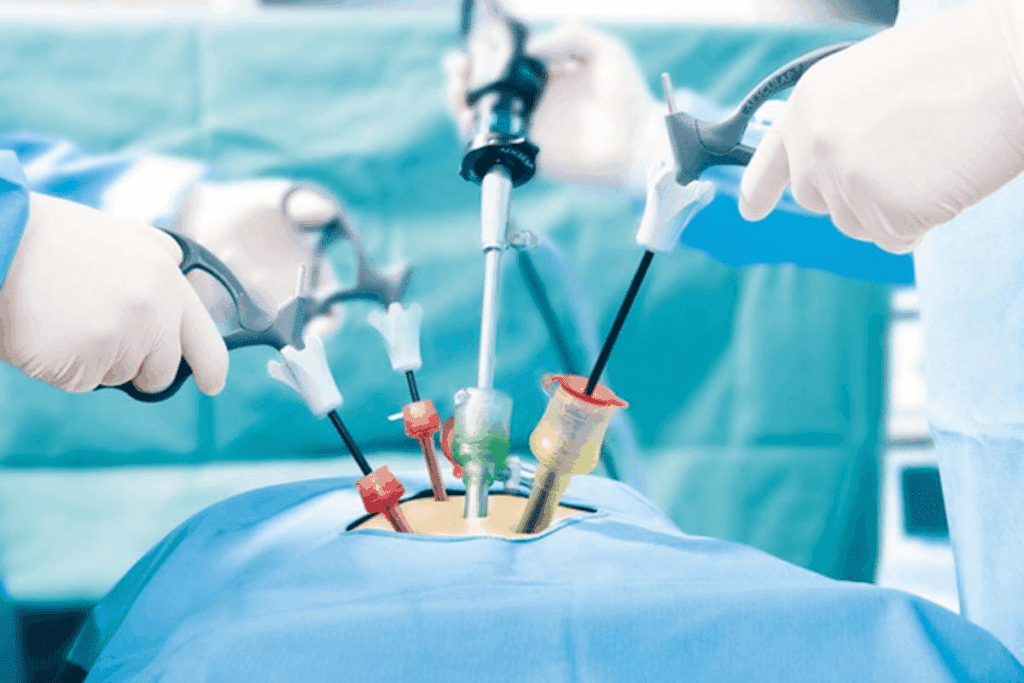
Nearly 20% of adults in the United States have gallstones. But not all need surgery. The choice to have surgery depends on symptoms and the risk of complications.
Dealing with gallstone treatment can be tough. Stone size is just one thing to think about. The patient’s health and any complications also matter a lot.
Discussing the Gallbladder Stones Surgery Size and the symptoms that necessitate removal, regardless of size.
Key Takeaways
- The decision for surgery is not based solely on the size of the gallstones.
- Symptomatic patients are more likely to require surgical intervention.
- The overall health of the patient is a critical factor in determining the need for surgery.
- Complications such as inflammation or obstruction may necessitate surgery.
- A healthcare professional can provide personalized guidance on the need for surgery.
Understanding Gallbladder Stones and Their Formation
To understand gallbladder stones, we need to know their types, how they form, and what increases the risk. Gallstones are hard deposits in the gallbladder. This small organ is under the liver and stores bile for digestion.
Types of Gallbladder Stones
Gallstones are mainly two types: cholesterol and pigment stones. Cholesterol gallstones are yellowish-green and happen when there’s too much cholesterol in the bile. Pigment gallstones are smaller and darker, made of bilirubin, and often linked to conditions like hemolytic anemia.
How Gallstones Form in the Body
Gallstone formation is complex and involves an imbalance in bile components. Bile, made by the liver and stored in the gallbladder, aids in fat digestion. An imbalance can cause gallstones. For example, too much cholesterol or not enough bile salts can lead to gallstone formation.
Risk Factors for Developing Gallstones
Several factors increase the risk of gallstones. These include:
- Genetics: Family history is a big factor.
- Diet: Eating a lot of fat and little fiber raises the risk.
- Obesity: Being overweight or obese is a major risk.
- Age and Gender: Women and older adults are more at risk.
- Medical Conditions: Conditions like diabetes and liver disease also increase the risk.
Knowing these risk factors and types of gallstones helps prevent and manage gallbladder disease.
The Significance of Gallstone Size in Medical Evaluation
The size of gallstones is key in choosing the right treatment for patients. Gallstones come in different sizes. Knowing their size helps doctors plan the best treatment.
How Gallstones Are Measured
Doctors use ultrasound, CT scans, or MRI to measure gallstones. These tools help them see the size and number of gallstones in the gallbladder.
Accurate measurement is very important. It helps decide if a patient needs to be watched closely or if surgery is needed.
Classification of Gallstones by Size
Gallstones are divided into three sizes: small (less than 5 mm), medium (5-15 mm), and large (greater than 15 mm). This helps doctors know the risk and the best treatment.
- Small gallstones (
- Medium gallstones (5-15 mm) may need watching or treatment, based on symptoms and health.
- Large gallstones (>15 mm) usually need surgery because of the high risk of problems.
Impact of Stone Location on Treatment Decisions
The spot where gallstones are in the gallbladder or bile ducts affects treatment choices. Stones in some spots can cause worse symptoms or more risks.
For example, stones in the bile duct can block bile flow and need quick action. Knowing where and how big the gallstones are is key for a good treatment plan.
Small Gallstones: Are They Less Concerning?
It’s important to understand the impact of small gallstones. Many wonder if they are less worrying than bigger ones.
Defining Small Gallstones (Under 5mm)
Small gallstones are less than 5mm in size. They often don’t show symptoms, making them hard to find without special tests.
Even though they’re small, these stones can block bile ducts and cause infections. It’s key to watch them to avoid problems.
Risks and Complications of Small Gallstones
Small gallstones might not show symptoms right away. But they can lead to serious issues like:
- Biliary colic: Pain from a stone blocking the bile duct.
- Infection: Bacteria can infect the gallbladder, causing cholecystitis.
- Blockage: Small stones can block bile ducts.
These risks show why it’s vital to keep an eye on small gallstones.
Monitoring Requirements for Small Stones
People with small gallstones should get regular check-ups. This includes:
- Ultrasound tests to watch the stones.
- Changes in lifestyle to prevent stone growth.
- Being aware of symptoms to catch any problems early.
Monitoring small gallstones helps doctors act fast if needed. This can prevent serious issues.
Managing small gallstones proactively is key. It helps catch problems before they get worse.
Medium-Sized Gallstones and Their Management
Medium-sized gallstones are between 5 to 15 mm. They need careful treatment. These stones can cause symptoms but might not always need surgery right away.
Characteristics of Medium Gallstones
Medium gallstones have unique traits that affect their treatment. They can cause symptoms but are less likely to lead to serious problems than larger stones.
Some key characteristics include:
- Size: Between 5 mm and 15 mm
- Potential to cause biliary colic
- Risk of obstructing the bile duct
- May be asymptomatic or symptomatic
Treatment Approaches for Medium Stones
Treatment for medium-sized gallstones depends on symptoms and health. We look at several options:
| Treatment Approach | Description | Applicability |
| Watchful Waiting | Monitoring the stone for changes or symptoms | Asymptomatic patients |
| Medication | Dissolving the stone with ursodeoxycholic acid | Small to medium stones, specific composition |
| Laparoscopic Cholecystectomy | Surgical removal of the gallbladder | Symptomatic patients or those with complications |
When to Consider Intervention
Intervention is needed when medium-sized gallstones cause symptoms or show signs of complications. We decide on surgery based on symptom severity, health, and risk of future problems.
Key indicators for intervention include:
- Recurring biliary colic
- Signs of gallbladder inflammation
- Evidence of bile duct obstruction
We also think about the patient’s wishes and health when choosing treatment.
Large Gallstones: When Surgery Becomes Necessary
Large gallstones are a serious health issue. Knowing when surgery is needed is key to managing them well. As gallstones grow, they can cause severe symptoms and complications. Quick action is important.
Defining Large Gallstones
Large gallstones are stones that are 15mm to 2cm in size. Stones bigger than this are called giant gallstones. They have their own set of problems and treatment plans.
Complications Associated with Large Stones
Big gallstones can lead to serious issues. These include gallbladder inflammation (cholecystitis), biliary obstruction, and pancreatitis. These problems can cause a lot of pain, infection, and even life-threatening situations if not treated fast.
“The presence of large gallstones significantly increases the risk of gallbladder disease complications,” say doctors. This shows why it’s important to watch and act quickly.
Surgical Indications Based on Size
The size of a gallstone is a big factor in deciding if surgery is needed. Stones over 1 cm are often removed to avoid complications. The choice for surgery also depends on symptoms, health, and other factors.
In summary, big gallstones are a serious issue that might need surgery to prevent problems and ease symptoms. It’s vital to understand the risks and when surgery is needed for proper treatment.
Giant Gallstones: Stones Larger Than 2 cm
Giant gallstones, bigger than 2 cm, are rare but need special care. They are hard to diagnose and treat because of their size. They can also cause serious problems.
Prevalence and Formation of Giant Stones
Giant gallstones are not as common as small ones. But, their size can lead to worse symptoms and issues. They often form due to bile stasis or chronic gallbladder inflammation. Risk factors include obesity, certain diets, and genetics.
Special Considerations for Giant Stone Removal
Removing giant gallstones needs careful planning and execution. Their size makes them hard to remove with standard laparoscopic methods. Sometimes, open surgery or special minimally invasive procedures are needed. Preoperative imaging is key to check the stone’s size, location, and gallbladder condition.
Case Studies of Giant Gallstone Management
Many case studies show the challenges of managing giant gallstones. For example, a study in a top medical journal talked about a patient with a giant gallstone. It was removed through a laparoscopic-assisted method.
“The management of giant gallstones often requires a multidisciplinary approach, involving surgeons, radiologists, and gastroenterologists to ensure the best outcomes.”
These cases highlight the need for personalized treatment plans.
Gallbladder Stones Surgery Size: Key Criteria for Surgical Intervention
Deciding on surgery for gallbladder stones involves many factors. Stone size is a big one. Doctors also look at other important things when deciding if surgery is needed.
Size Thresholds That Typically Require Surgery
The size of gallbladder stones is key in deciding if surgery is needed. Stones over 1 cm (or 10 mm) are often too big and may need to be removed. This is true if they’re causing symptoms.
Here’s how stone size affects surgery decisions:
| Stone Size | Surgical Consideration | Typical Symptoms |
| Less than 5 mm | Usually monitored, not immediately considered for surgery unless symptomatic | Mild discomfort, occasional pain |
| 5 mm – 1 cm | May be considered for surgery if symptomatic or if there are concerns about complications | Intermittent pain, possible jaundice |
| Larger than 1 cm | Often recommended for surgical removal due to increased risk of complications | Severe pain, jaundice, potentially life-threatening complications |
Other Factors Beside Size That Influence Surgical Decisions
Size is important, but it’s not the only thing doctors look at. Symptoms, overall health, and the risk of complications also play a big role.
- Symptoms: Patients with severe or recurring symptoms often need surgery.
- Overall Health: A patient’s health and any other health issues can affect surgery decisions.
- Risk of Complications: The chance of serious problems like cholecystitis or pancreatitis can also decide if surgery is needed.
Medical Guidelines on Stone Size and Surgery
Guidelines say surgery decisions should consider stone size, symptoms, and health.
Groups like the American Gastroenterological Association and the Society of American Gastrointestinal and Endoscopic Surgeons offer guidelines. These help doctors know when to suggest surgery for gallbladder stones.
Symptoms That Indicate Surgery May Be Needed Regardless of Stone Size
Deciding to have surgery for gallbladder stones often depends on symptoms, not just stone size. While stone size matters, some symptoms mean you might need surgery, no matter the size.
Acute Cholecystitis and Its Relationship to Stone Size
Acute cholecystitis is when the gallbladder gets inflamed, usually because of a stone blocking the cystic duct. This serious issue can happen with any stone size and might need surgery right away. Symptoms include severe pain, fever, and nausea.
Key symptoms of acute cholecystitis:
- Severe abdominal pain, often in the right upper quadrant
- Fever and chills
- Nausea and vomiting
- Tenderness over the gallbladder area
Biliary Colic and Pain Patterns
Biliary colic is pain from gallstones. It happens when a stone blocks the cystic duct, making the gallbladder contract. The pain is sharp and usually in the right or middle upper abdomen. It can come back and might mean you need surgery.
Characteristics of biliary colic:
- Pain that is severe and may radiate to the back or right shoulder
- Pain that occurs after eating fatty meals
- Pain that lasts from 30 minutes to several hours
Emergency Situations Requiring Immediate Intervention
At times, gallbladder stones can cause emergencies needing quick medical help. These include gangrene, perforation, or severe infection. Knowing these symptoms is key for quick action.
| Emergency Condition | Symptoms | Immediate Action |
| Gangrene of the Gallbladder | Severe abdominal pain, fever, nausea, and possibly blood in stool or vomit | Seek immediate medical attention |
| Perforation of the Gallbladder | Severe abdominal pain, tenderness, guarding (muscle tension), and possibly shock | Emergency surgery is often required |
| Severe Infection (Sepsis) | Fever, chills, rapid heart rate, confusion, and shortness of breath | Immediate hospitalization and antibiotics |
Seeing these symptoms can be scary. It’s important to get medical help fast if you or someone you know has severe pain or other gallbladder stone symptoms.
Imaging Techniques for Diagnosing and Measuring Gallstones
Accurate diagnosis of gallstones relies on advanced imaging techniques. We use different methods to detect and measure gallstones. This is key for choosing the best treatment.
Ultrasound Evaluation of Gallstone Size
Ultrasound is the main tool for diagnosing gallstones. It’s non-invasive and very accurate. It lets us measure gallstone size and where they are in the gallbladder. Ultrasound for gallstones is great because it spots even small stones and shows images in real-time.
The details of gallstones, like their number, size, and if they block the bile duct, are important for treatment. Ultrasound accurately identifies these details.
CT Scans and MRI for Complex Cases
In complex cases, CT scans and MRI are used for more detail. CT scans give a clear view of the gallbladder and nearby areas. They help spot complications like inflammation or bile duct blockage.
MRI, and MRCP (Magnetic Resonance Cholangiopancreatography), are great for seeing bile and pancreatic ducts. They help diagnose bile duct stones and other related issues.
Accuracy of Different Imaging Methods
The accuracy of imaging methods changes with each technique. Ultrasound is very accurate for finding gallstones, with over 90% sensitivity and specificity. CT scans and MRI offer more details and are helpful in complex cases or when surgery is considered.
- Ultrasound: High accuracy for detecting gallstones, non-invasive.
- CT scans: Provide detailed images, useful for complicated cases.
- MRI/MRCP: Excellent for visualizing bile ducts and related conditions.
Choosing the right imaging technique is key for accurate diagnosis and treatment planning. We look at the patient’s condition and gallstone details to pick the best method.
Non-Surgical Treatment Options for Various Gallstone Sizes
Managing gallstones doesn’t always mean surgery. There are many non-surgical ways to treat them, depending on their size and type. We’ll look at these options and how well they work for different sizes of gallstones.
Medication for Small Stones
For stones smaller than 5mm, medicine might be a good choice. Ursodeoxycholic acid (UDCA) is a common drug that can dissolve small cholesterol stones. It works best for small stones made mostly of cholesterol.
Dissolution Therapy Effectiveness by Stone Size
The success of dissolving stones with medicine depends on their size and makeup. Stones under 10mm usually respond well to UDCA. But, it can take a long time, and not everyone can use it.
Lifestyle Modifications and Their Impact
Changing your lifestyle is key in managing and preventing gallstones. What you eat matters. Eating less fat and more fiber can help. Also, staying at a healthy weight and avoiding quick weight loss can lower your risk.
Some important lifestyle changes include:
- Eating more fruits, veggies, and whole grains
- Lowering saturated fats and cholesterol in your diet
- Drinking lots of water to stay hydrated
- Staying active with regular exercise
There are many non-surgical ways to treat gallstones. Here’s a quick guide on how to choose the right treatment based on stone size:
Surgical Procedures for Gallstone Removal
For many, removing the gallbladder is the best way to treat gallstones. We’ll look at the different ways to remove gallstones. We’ll focus on when each method is best, based on the stone’s size.
Laparoscopic Cholecystectomy for Different Stone Sizes
Laparoscopic cholecystectomy is a small incision surgery. It removes the gallbladder through small cuts in the belly. It’s popular because it’s effective and you heal faster. The size of the stones can affect the surgery, but it works for many sizes.
Benefits of Laparoscopic Cholecystectomy:
- Smaller cuts mean less pain after surgery
- You’ll likely stay in the hospital less and heal quicker
- It’s safer than open surgery
Open Surgery: When It’s Necessary Based on Stone Size
Open cholecystectomy uses a bigger cut to remove the gallbladder. It’s not as common as laparoscopic surgery. But, it’s needed for big stones or when laparoscopic surgery is too risky.
Indications for Open Surgery:
- Big or giant stones that can’t be removed laparoscopically
- Gallbladder inflammation or scarring
- Previous belly surgeries that make laparoscopy hard
Minimally Invasive Techniques for Specific Stone Types
There are other small surgeries for gallstones, depending on the type and size. For example, percutaneous cholecystostomy is used for some high-risk patients. It drains the gallbladder through the skin.
Talking to your doctor is key to find the right surgery for you. They’ll consider your situation and the gallstones’ details.
The Doctor-Patient Decision-Making Process
Deciding on surgery for gallbladder stones is a detailed process. It involves a deep conversation between the patient and doctor. This ensures all aspects of the patient’s health are considered. Together, they create the best treatment plan.
The size of the gallstones is a key factor in surgery discussions. Large stones carry a higher risk of complications and might need surgery. Smaller stones might be watched or treated differently.
Discussing Surgery Options Based on Stone Size
We start by looking at the gallstones’ size and type. Stones over 2 cm are called giant gallstones and need special surgery. Our doctors will talk about the best options with the patient, considering their health and history.
The talk about surgery goes beyond just stone size. Symptoms, complications, and personal choices are also important.
Risk-Benefit Analysis for Different Stone Sizes
Doing a thorough risk-benefit analysis is key. For example, big stones might increase the risk of gallbladder cancer, making surgery a better choice. But, small stones might be watched closely to avoid problems.
Our team will help the patient understand the risks and benefits. This ensures they feel informed and okay with their choice.
Second Opinions and When to Seek Them
Getting a second opinion is a big part of the decision-making. Patients might want to see another doctor for more advice or to confirm their treatment plan.
We suggest getting second opinions, mainly in complex cases or when the diagnosis is unsure. This ensures the best treatment is given.
In the end, choosing surgery for gallbladder stones is a personal decision. It’s influenced by many factors. By working with their healthcare team, patients can make choices that fit their needs and situation.
Recovery and Outcomes After Gallstone Surgery
Knowing how long it takes to recover and what to expect after gallstone surgery is key. The time it takes to get better can change based on the size of the stones and the surgery type.
Expected Recovery Timeline Based on Stone Size and Procedure
The size of the gallstones and the surgery type greatly affect recovery time. People who have laparoscopic cholecystectomy, a common surgery, usually recover faster. This is compared to those who have open surgery.
| Stone Size | Surgical Procedure | Typical Recovery Time |
| Small (<5mm) | Laparoscopic | 1-2 weeks |
| Medium (5-15mm) | Laparoscopic | 2-3 weeks |
| Large (>15mm) | Open Surgery | 4-6 weeks |
The table shows recovery times vary. Small stones removed laparoscopically can take just a couple of weeks. But, larger stones needing open surgery can take several weeks.
Long-term Outcomes and Stone Recurrence Rates
Most patients feel better after gallstone surgery. But, there’s a chance for stones to come back, even after surgery. This risk is higher if stones form in the bile ducts.
“The removal of the gallbladder significantly reduces the risk of gallstone recurrence, but patients should be aware of the possibility of bile duct stones.”
A Gastroenterologist
Regular check-ups are important for long-term health. They help catch any problems early.
Follow-up Care Requirements
After surgery, patients need to see their doctors regularly. This is to watch for any signs of problems or stones coming back. Doctors also give advice on diet and lifestyle to help with recovery and health.
By understanding the recovery and following up with doctors, patients can get the best results from gallstone surgery.
Preventing Gallstone Formation and Growth
Preventing gallstones from forming or growing is a complex task. It involves changing your diet, lifestyle, and monitoring your health. Gallstones can cause a lot of pain and health problems. Knowing how they form and grow helps us prevent them.
Dietary Approaches to Prevent Stone Formation
Your diet is key in preventing gallstones. Eating lots of fruits, vegetables, and whole grains can lower your risk. Avoiding fatty foods is also important. Drinking plenty of water is essential too.
As a health expert said, “
A healthy diet is key to preventing gallstones. By focusing on whole, nutrient-rich foods, individuals can significantly reduce their risk of developing gallstones.
“
Lifestyle Factors That Influence Stone Development
Lifestyle choices, like physical activity and weight management, help prevent gallstones. Regular exercise improves digestion and lowers gallstone risk. Keeping a healthy weight is also vital, as obesity is a known risk factor for gallstones.
Monitoring Existing Small Stones to Prevent Growth
If you already have small gallstones, regular monitoring is key to prevent them from growing. This usually means getting ultrasound examinations to check the size and number of gallstones. Monitoring helps healthcare providers decide the best action to avoid complications.
Conclusion: Making Informed Decisions About Gallstone Treatment
To make good choices about treating gallstones, you need to know a lot. We talked about how big gallstones are important, the dangers they pose, and the ways to treat them.
Learning about gallstones is key to managing them well. Knowing about gallbladder disease helps patients make smart choices about their health. By looking at stone size, symptoms, and overall health, patients can pick the best treatment with their doctors.
Choosing the right treatment for gallstones is a team effort. Patients and doctors working together can find the best way to treat them. This way, patients can feel sure about their treatment and get the best results.
FAQ
What is considered a large gallstone that may require surgery?
Gallstones bigger than 2 cm are called giant stones. They often need surgery because of the higher risk of problems.
Can small gallstones cause symptoms or complications?
Yes, even small gallstones can cause issues. They might lead to biliary colic or blockages. This could mean you need to watch them closely or get treatment.
How are gallstones measured and classified?
Doctors use ultrasound to measure gallstones. They then sort them by size, number, and what they’re made of.
What are the risks associated with large gallstones?
Big gallstones carry a higher risk of problems. These can include inflammation, blockages, and even gallbladder cancer.
Are there non-surgical treatment options available for gallstones?
Yes, there are non-surgical ways to treat gallstones. These include medicines and changes in your lifestyle. They work best for small stones.
What imaging techniques are used to diagnose and measure gallstones?
Ultrasound is the main tool for finding and measuring gallstones. CT scans and MRI might be used for more complex cases or to check for complications.
When is surgery necessary for gallstones, regardless of their size?
Surgery is needed for gallstones that cause bad symptoms. This includes acute cholecystitis or biliary colic, no matter the size.
What are the surgical procedures available for gallstone removal?
Laparoscopic cholecystectomy is the usual surgery for removing gallstones. Open surgery might be needed for very big stones or if there are complications.
How can gallstone formation and growth be prevented?
Eating a balanced diet low in saturated fats helps prevent gallstones. Keeping a healthy weight is also important.
What is the expected recovery timeline after gallstone surgery?
Recovery time after surgery varies. It depends on the surgery and the person. But most people can get back to normal in a few weeks.
Are there any long-term outcomes or recurrence rates after gallstone surgery?
Most people do well after gallstone surgery. The chance of stones coming back is low. But, it’s important to follow up to watch for any new problems.
References
National Center for Biotechnology Information. Evidence-Based Medical Insight. Retrieved from https://www.ncbi.nlm.nih.gov/pmc/articles/PMC1234689/