
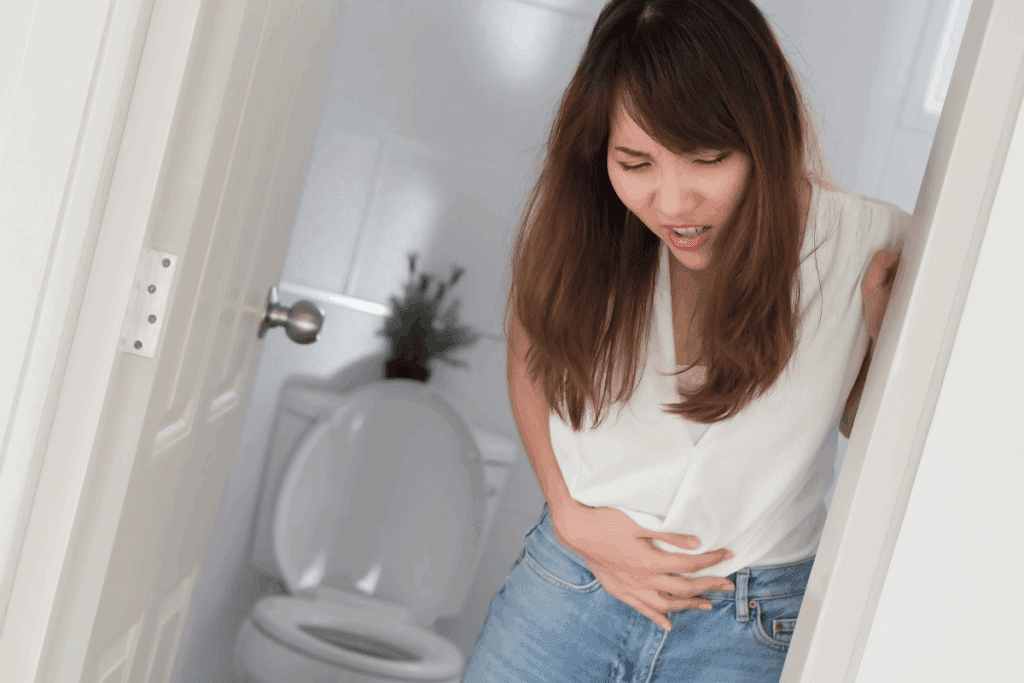
At Liv Hospital, we know how vital digestive health is for our overall well-being. Gallbladder problems can really mess with how we go to the bathroom and what our stool looks like.
When stool color and texture change, it might mean there’s a gallbladder issue. For example, if your stool is clay-colored or pale, it could mean there’s a blockage in the bile duct. This is something you should see a doctor about right away.
We’re all about giving you care that’s both new and focused on you. We tackle the tricky links between gallbladder stool, bowel habits, and your whole digestive system.
Key Takeaways
- Gallbladder issues can cause changes in stool appearance and bowel habits.
- Clay-colored or pale stools may indicate a bile duct blockage.
- Disruptions in bile flow can lead to diarrhea or changes in stool consistency.
- Gallbladder problems require a full medical check-up.
- Liv Hospital offers special care for those with gallbladder problems.
The Gallbladder’s Role in Digestion and Stool Formation

The gallbladder is a small but key organ for fat digestion. It sits under the liver and holds bile. Bile is a fluid made by the liver that helps digest fats and absorb fat-soluble vitamins.
How the Gallbladder Stores and Releases Bile
The gallbladder’s main job is to store bile from the liver. When food reaches the small intestine, the gallbladder releases bile. This bile breaks down fats into smaller pieces for easier digestion.
The Impact of Bile on Stool Color and Consistency
Bile salts give stool its brown color. When bile flows well, stools are usually brown. But, if bile flow is blocked, stool color and consistency can change. For example, without enough bile salts, stools might look pale or clay-colored.
Normal Digestive Function vs. Compromised Gallbladder Function
A healthy gallbladder ensures bile flows properly. This is key for fat digestion and normal stool. But, if the gallbladder is not working right, due to gallstones or inflammation, it can cause digestive problems. This might include changes in stool and even diarrhea.
| Gallbladder Status | Bile Flow | Stool Characteristics |
| Normal Function | Adequate bile flow | Brown, well-formed stools |
| Compromised Function | Reduced or obstructed bile flow | Pale, greasy, or diarrhea |
Recognizing Gallbladder Stool: Key Characteristics and Changes

Changes in stool can hint at gallbladder problems. The gallbladder helps with digestion by storing and releasing bile. This affects how stool looks and feels.
Clay-Colored or Pale Stools: What They Indicate
Clay-colored or pale stools might mean a bile duct blockage or less bile. Bile salts make stool brown. Without them, stools look pale or clay-colored. This could be due to gallstones or other blockages.
“The absence of bile salts in stool can result in a pale or clay-colored appearance, indicating a possible issue with bile duct obstruction or gallbladder dysfunction.”
Liv Hospital Gastroenterology Department
A table summarizing the causes of clay-colored stools is provided below:
| Cause | Description |
| Bile Duct Obstruction | Gallstones or other blockages preventing bile flow |
| Gallbladder Dysfunction | Reduced bile production or release |
| Liver Conditions | Liver diseases affecting bile production |
Greasy or Fatty Appearance (Steatorrhea)
Steatorrhea, or greasy stools, happens when there’s too much fat in the stool. It’s often because of not enough bile salts. Bile salts help break down fats, so without them, stools are greasy or oily.
Steatorrhea can cause uncomfortable and embarrassing symptoms. Finding the cause is key to treating it.
Changes in Stool Frequency and Urgency
Gallbladder problems can also show up as changes in stool frequency and urgency. Diarrhea or loose stools might happen because of bile salt malabsorption. Some people might have urgent or frequent bowel movements.
If you notice changes in your stool, see a healthcare professional. Early diagnosis and treatment can make a big difference.
Common Gallbladder Conditions That Affect Bowel Movements
Gallbladder issues like gallstones and cholecystitis can really mess with your bowel habits. These problems can mess up how the gallbladder works. This affects bile production and digestion, changing how you go to the bathroom.
Gallstones and Their Impact on Bile Flow
Gallstones are hard pieces that form in the gallbladder. They often happen because of too much cholesterol or bilirubin. When they block the bile ducts, they can change your stool’s color and texture. Clay-colored or pale stools might mean there’s a blockage, as bile salts are key for brown stool.
Here’s how gallstones affect bile flow and bowel movements:
| Condition | Effect on Bile Flow | Impact on Stool |
| Gallstones | Obstruction of bile ducts | Clay-colored or pale stools |
| Cholecystitis | Inflammation affecting bile release | Changes in stool frequency and consistency |
| Bile Duct Obstruction | Blockage preventing bile release | Greasy or fatty stools (steatorrhea) |
Cholecystitis (Gallbladder Inflammation)
Cholecystitis is when the gallbladder gets inflamed, usually because of a stone blocking the cystic duct. It can cause a lot of pain and mess with your bowel habits. The inflammation stops bile from being released properly, leading to digestive problems.
Bile Duct Obstruction and Blockages
Bile duct obstruction happens when bile can’t flow from the liver to the intestine. This is often because of gallstones or tumors. It can cause jaundice, dark urine, and pale stools. Without bile salts, the intestine can’t digest fats well, leading to steatorrhea, or fatty stools.
Chronic Gallbladder Disease
Chronic gallbladder disease is when the gallbladder doesn’t work right for a long time. It’s often due to recurring gallstones or chronic inflammation. This condition can keep changing your bowel habits and might need ongoing treatment to manage symptoms.
Knowing about these gallbladder conditions and how they affect bowel movements helps us see why keeping the gallbladder healthy is so important. If you have symptoms, it’s key to get medical help.
The Connection Between Gallbladder Issues and Diarrhea
It’s important to understand how gallbladder problems can cause diarrhea. We’ll look into how gallbladder issues lead to digestive symptoms, like diarrhea.
Scientific Research on Gallbladder-Related Diarrhea
Studies show that gallbladder disease can cause diarrhea due to bile salt malabsorption. People with gallbladder problems often have changes in their bowel habits, including diarrhea. The exact reasons are complex, involving bile salts, intestinal bacteria, and the gut lining.
Removing the gallbladder or having dysfunction can change how bile salts move. This can lead to diarrhea. We’ll see how these changes affect digestion and bowel movements.
How Bile Malabsorption Leads to Loose Stools
Bile salts are key for fat digestion and absorption. If the gallbladder doesn’t work right, bile malabsorption can happen. This can cause too many bile salts in the colon, irritating it and leading to loose stools or diarrhea.
The process is as follows:
- Bile salts are not stored or released properly due to gallbladder dysfunction.
- Excessive bile salts enter the colon.
- The colonic mucosa is irritated, leading to increased motility and secretion.
- Diarrhea or loose stools result from the irritation and altered colonic function.
Distinguishing Gallbladder Diarrhea from Other Causes
Diarrhea can have many causes, making it hard to find the root cause. To see if diarrhea is from gallbladder issues, we need to look at other symptoms and test results. Important factors include:
| Symptom | Gallbladder-Related Diarrhea | Other Causes of Diarrhea |
| Timing | Often related to fatty meals | Varies depending on the cause |
| Associated Symptoms | Right upper quadrant pain, nausea | Depends on the underlying cause (e.g., fever in infections) |
By carefully looking at these factors and the patient’s overall health, we can figure out if diarrhea is a sign of gallbladder problems or if something else is causing it.
Dietary Triggers: How Food Affects Gallbladder Symptoms
For those with gallbladder problems, some foods can cause uncomfortable symptoms. Knowing which foods to avoid is key to managing symptoms. The gallbladder helps break down fats in our food. If it’s not working right, eating fatty foods can lead to symptoms.
Fatty Foods and Gallbladder Attacks
Fatty foods can cause gallbladder attacks in people with gallbladder disease. This happens because the gallbladder contracts to release bile after eating fatty foods. If there are gallstones, this contraction can cause pain.
Foods high in fat, like fried foods and processed meats, can trigger attacks. Knowing which foods cause symptoms helps manage the condition better.
Diarrhea After Eating Fatty Foods: The Gallbladder Connection
Diarrhea after eating fatty foods is common in those with gallbladder issues. If bile isn’t released right, fats aren’t broken down well. This leads to malabsorption and diarrhea.
This issue is common in people with gallstones or after gallbladder removal. The link between fatty foods and diarrhea shows the need for dietary changes to manage symptoms.
Dietary Modifications to Reduce Symptoms
Making dietary changes can help reduce gallbladder symptoms. Cutting down on fat, like in fried and processed foods, is often advised.
- Eating smaller, more frequent meals to ease digestion
- Avoiding high-fat foods that trigger symptoms
- Increasing fiber intake through fruits, vegetables, and whole grains
- Staying hydrated to help prevent constipation and reduce the risk of gallstones
Foods That Support Gallbladder Health
Adding certain foods to your diet can help your gallbladder. Include lean proteins, healthy fats like avocados and nuts, and a variety of fruits and vegetables.
| Food Group | Examples | Benefits |
| Lean Proteins | Chicken, Fish | Easy to digest, reduces strain on the gallbladder |
| Healthy Fats | Avocados, Nuts | Supports overall health, can be easier to digest than fried foods |
| Fruits and Vegetables | Leafy Greens, Berries | Rich in fiber, antioxidants, and essential nutrients |
Understanding how diet affects gallbladder symptoms and making smart food choices can improve your life. It helps manage your condition better.
Other Digestive Symptoms Accompanying Gallbladder Stool Changes
Gallbladder problems can cause many digestive issues. This includes changes in bowel movements and other symptoms. When the gallbladder doesn’t work right, it can lead to many gastrointestinal problems.
Abdominal Pain Patterns and Location
Abdominal pain is a common symptom of gallbladder disease. The pain’s intensity and location can vary. It often happens in the upper right abdomen and can spread to the back or right shoulder.
Key characteristics of abdominal pain due to gallbladder issues include:
- Pain that worsens after eating fatty meals
- Intermittent or constant pain
- Pain that may radiate to the back
Nausea and Vomiting
Nausea and vomiting are common in people with gallbladder problems. These symptoms can be triggered or made worse by eating, mainly fatty foods.
Gas, Bloating, and Indigestion
Gas, bloating, and indigestion are also common. These symptoms come from the gallbladder’s trouble releasing bile. This leads to poor fat digestion.
| Symptom | Description |
| Gas | Excessive gas production due to undigested fats |
| Bloating | Feeling uncomfortably full or swollen in the abdomen |
| Indigestion | Difficulty digesting food, often accompanied by discomfort |
Systemic Symptoms: Fever and Fatigue
In severe cases, gallbladder disease can cause fever and fatigue. These symptoms suggest possible infection or inflammation.
Diagnosing Gallbladder Issues Based on Stool Symptoms
Checking stool symptoms is key for a correct gallbladder diagnosis. At Liv Hospital, we use a detailed method to check how well the gallbladder works. We look for any problems.
Medical Tests to Evaluate Gallbladder Function
To find gallbladder problems, we use several tests. These include:
- Liver Function Tests (LFTs): These tests check the liver and bile ducts.
- Bile Acid Tests: They measure bile acids in the blood, showing if the gallbladder isn’t working right.
- Endoscopic Retrograde Cholangiopancreatography (ERCP): This lets us see the bile and pancreatic ducts.
Stool Analysis and What It Reveals
Stool analysis is a big help in checking the gallbladder. It shows:
- Steatorrhea: Too much fat in the stool means the body can’t absorb fats well.
- Clay-colored stools: This means there’s not enough bile in the stool, possibly because of a blockage.
Imaging Studies for Gallbladder Assessment
Imaging studies are very important for finding gallbladder problems. We use:
- Ultrasound: It helps see gallstones, inflammation, or other issues in the gallbladder.
- Computed Tomography (CT) scans: These scans look at the gallbladder and nearby areas.
- Magnetic Resonance Cholangiopancreatography (MRCP): It shows the bile and pancreatic ducts.
Liv Hospital’s Approach to Gallbladder Diagnostics
At Liv Hospital, we have a team effort for diagnosing gallbladder problems. Our gastroenterologists and radiologists work together. They look at test results and plan a treatment that fits each person.
Post-Cholecystectomy Bowel Changes: What to Expect After Gallbladder Removal
After having your gallbladder removed, you might notice changes in how you digest food. This surgery is needed for some, but it can affect your bowel habits. Knowing what to expect helps you manage your digestive health better.
Why Diarrhea May Persist After Surgery
Many people experience diarrhea after gallbladder surgery. This happens because the gallbladder helps with fat digestion by storing and releasing bile. Without it, bile goes straight to the intestine, causing:
- An imbalance in bile salts, leading to diarrhea
- Increased frequency of bowel movements
- Loose or watery stools
Managing persistent diarrhea often involves changing your diet and sometimes taking medication to control bile salt levels.
Timeline for Digestive Adaptation
How quickly your body adjusts to not having a gallbladder varies. Usually, it takes a few weeks to months. During this time, you might see:
- Initial adjustment phase (0-3 months): Frequent bowel movements and diarrhea
- Adaptation phase (3-6 months): Gradual normalization of bowel habits
- Stabilization phase (6 months and beyond): Most patients see significant improvement
It’s essential to note that everyone adapts at their own pace, and some might take longer.
Managing Post-Surgical Bowel Changes
Managing bowel changes after gallbladder removal surgery requires diet changes and sometimes medical help. Important strategies include:
- Eating smaller, more frequent meals to ease digestion
- Avoiding fatty or greasy foods that can trigger diarrhea
- Increasing fiber intake to help solidify stools
- Staying hydrated to replace lost fluids
Liv Hospital’s Multidisciplinary Approach to Post-Surgical Care
At Liv Hospital, we know how complex bowel changes can be after gallbladder surgery. Our team, including gastroenterologists, surgeons, and nutritionists, works together to provide full care. We offer:
- Personalized dietary plans to manage bowel changes
- Medical treatment for persistent diarrhea or other complications
- Follow-up care to monitor recovery and address concerns
Our goal is to help you recover smoothly and maintain good digestive health after surgery.
Conclusion: When to Seek Medical Care for Gallbladder-Related Stool Changes
It’s important to know how gallbladder issues can affect your stool. Problems with the gallbladder can cause changes like diarrhea, clay-colored stools, and greasy stools.
If you notice these changes often or they’re severe, you should see a doctor. Look for help if your stool changes a lot, you have bad stomach pain, or you’re vomiting a lot.
Doctors can find gallbladder problems with tests like imaging and stool analysis. At Liv Hospital, our team works together to help patients with gallbladder issues.
Getting medical help early can stop bigger problems and help your digestive health. We suggest you take care of your health and see a doctor if you notice anything strange or if symptoms don’t go away.
FAQ
Can gallbladder problems cause changes in stool?
Yes, gallbladder issues can affect bowel movements and stool appearance. Conditions like gallstones, cholecystitis, and bile duct obstruction can lead to changes in stool color, consistency, and frequency.
What does gallbladder diarrhea look like?
Gallbladder-related diarrhea is often loose and watery. It may also be urgent and frequent. It can happen after eating fatty foods, which trigger gallbladder contractions.
How does bile malabsorption lead to diarrhea?
When the gallbladder is not functioning properly, bile may not be released or absorbed correctly. This leads to malabsorption of fats. As a result, you may have loose, greasy stools and diarrhea.
Can removing the gallbladder cause persistent diarrhea?
Yes, some people may experience persistent diarrhea after gallbladder removal surgery. This is often due to the body’s adaptation to the absence of the gallbladder and changes in bile flow.
What dietary changes can help alleviate gallbladder symptoms?
Avoiding fatty foods and eating smaller, more frequent meals can help. Incorporating foods that support gallbladder health, such as lean proteins and fiber-rich foods, can also reduce symptoms.
Are there other digestive symptoms that accompany gallbladder stool changes?
Yes, abdominal pain, nausea, vomiting, gas, bloating, and systemic symptoms like fever and fatigue can occur alongside changes in stool due to gallbladder issues.
How is gallbladder disease diagnosed based on stool symptoms?
Diagnosis involves a combination of medical tests, including stool analysis, imaging studies, and evaluation of gallbladder function. Liv Hospital’s approach to gallbladder diagnostics includes thorough testing and personalized care.
Can gallbladder issues cause clay-colored or pale stools?
Yes, clay-colored or pale stools can indicate a problem with bile production or flow. This can be related to gallbladder issues, such as gallstones or bile duct obstruction.
Is diarrhea a common symptom of gallbladder problems?
Yes, diarrhea is a common symptom of gallbladder issues, often after eating fatty foods. It can be a sign of gallbladder dysfunction or disease.
How long does it take for digestive adaptation after gallbladder removal?
The timeline for digestive adaptation varies. Most people experience significant improvement within a few weeks to months after surgery. Liv Hospital’s multidisciplinary approach to post-surgical care can help manage bowel changes.
References
Ljubičić, N., et al. (2015). Biliary leakage after urgent cholecystectomy. Journal of Hepato-Biliary-Pancreatic Sciences. Retrieved from