
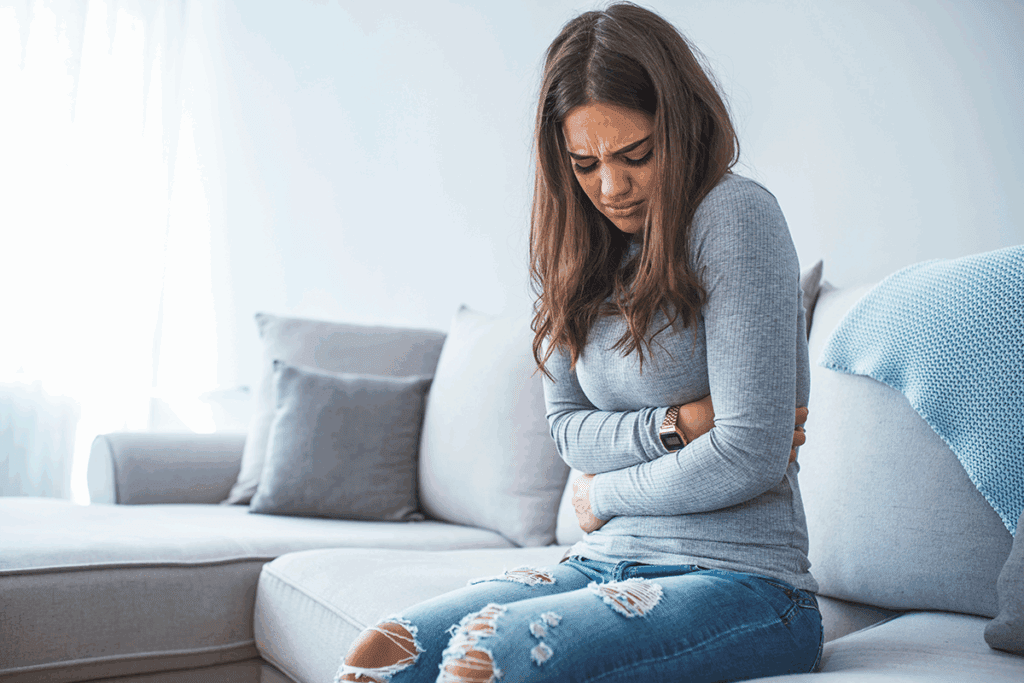
Discover how to do a gallbladder test at home, check symptoms, and know when to see your doctor. Do you have upper right abdominal pain, nausea, or digestive issues? These signs might mean you have gallbladder problems. Doctors usually use physical exams, blood tests, and imaging to find out.
Spotting gallbladder issues early helps doctors pick the best treatment. We’ll talk about how to check your gallbladder function at home. We’ll also cover what to do next for the best care.
Key Takeaways
- Understand the common symptoms of gallbladder issues.
- Learn how to check your gallbladder function at home.
- Discover the importance of early detection and diagnosis.
- Find out what steps to take next for reliable care.
- Explore the role of physical exams, blood tests, and imaging studies in diagnosing gallbladder problems.
Understanding Your Gallbladder and Its Function
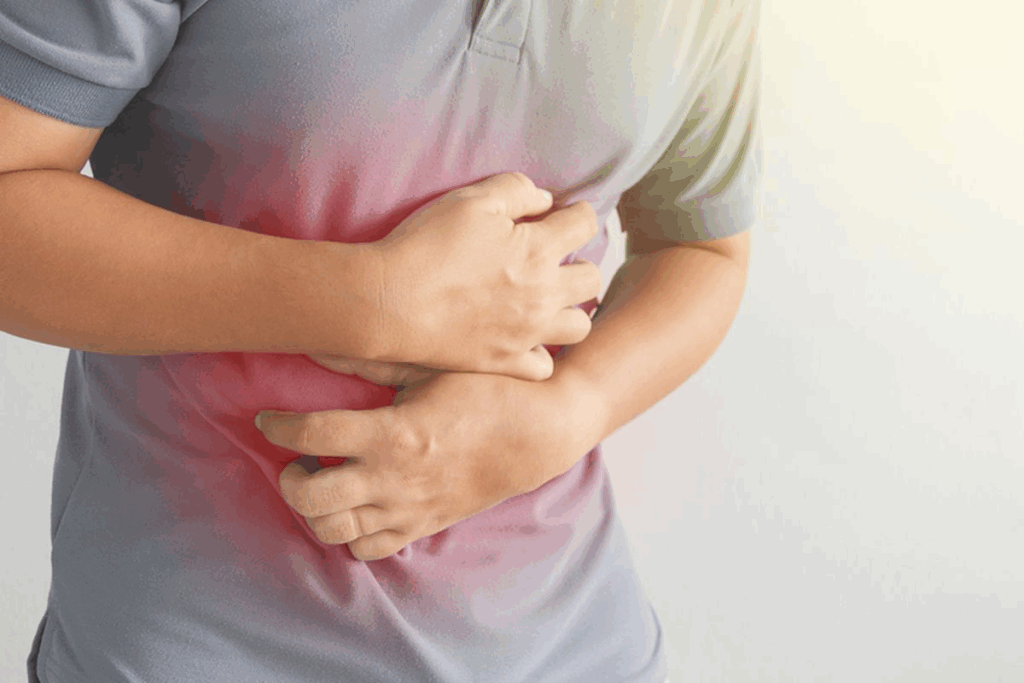
The gallbladder stores bile, a fluid made by the liver that helps with digestion. This small, pear-shaped organ is under the liver and is key to our digestion.
The Role of the Gallbladder in Digestion
The gallbladder holds and thickens bile, sending it to the small intestine to break down fats. When we eat fatty foods, the gallbladder releases bile into the bile ducts. Then, bile salts break down fats for easier digestion by enzymes.
Bile is key for absorbing fat-soluble vitamins (A, D, E, and K) and removing waste. Without a working gallbladder, digestion problems can lead to health issues.
Common Gallbladder Problems
Gallbladder issues are common and can include gallstones, inflammation (cholecystitis), and infections. Gallstones are hard deposits in the gallbladder, often from bile imbalance. They can be painless or cause severe pain, known as biliary colic, in the upper right abdomen.
- Gallstones: Hardened deposits in the gallbladder.
- Cholecystitis: Inflammation of the gallbladder, often due to gallstones.
- Biliary dyskinesia: A condition where the gallbladder doesn’t function properly.
Knowing about these issues helps spot symptoms early and get medical help. If you have ongoing digestive problems or pain, see a doctor to find out why and how to fix it.
Recognizing Symptoms of Gallbladder Issues
Gallbladder problems can show different symptoms. Spotting these signs early is key for getting help fast.
Pain and Discomfort Patterns
Pain is a common sign of gallbladder trouble. It usually hurts in the upper right belly and might spread to the back or right shoulder. This pain often happens after eating fatty foods, as the gallbladder works to release bile.
Characteristics of gallbladder pain include:
- Sharp, intense pain that may come and go
- Pain that worsens with deep breathing or movement
- Pain that is triggered or worsened by fatty foods
Digestive Symptoms
Other digestive signs can also point to gallbladder issues. These include:
- Nausea and vomiting, often after eating fatty meals
- Bloating and gas
- Indigestion and discomfort after eating
If you keep getting these digestive problems, it might mean your gallbladder is not working right.
Other Warning Signs
There are more signs that might mean you have gallbladder trouble. These include:
- Jaundice (yellowing of the skin and eyes)
- Dark urine and pale stools
- Fever and chills, which may mean an infection
Knowing these symptoms can help you spot gallbladder problems early.
| Symptom | Description | Possible Indication |
| Upper right abdominal pain | Sharp pain that may radiate to the back or shoulder | Gallstones or gallbladder inflammation |
| Nausea and vomiting | Occurs specially after eating fatty foods | Gallbladder dysfunction or obstruction |
| Jaundice | Yellowing of the skin and eyes | Bile duct obstruction |
If you’re feeling any of these symptoms, it’s important to know how to get your gallbladder checked. While home tests can give you a hint, seeing a doctor is key for a proper diagnosis and treatment plan.
Risk Factors for Gallbladder Disease
Gallbladder disease is caused by many factors. Knowing these can help keep your gallbladder healthy. This might lower your chance of gallbladder problems.
Demographic Factors
Some groups are more at risk for gallbladder disease. These include:
- Gender: Women are more likely to get gallstones than men.
- Age: Risk goes up after 40.
- Family History: A family history of gallbladder disease raises your risk.
- Ethnicity: Some ethnic groups, like Native Americans, are more prone to gallbladder disease.
Lifestyle and Dietary Influences
What you eat and do affects your gallbladder health. Important factors include:
- Diet: Eating too much saturated fat, cholesterol, and refined carbs can lead to gallstones.
- Obesity: Being overweight or obese can raise cholesterol in bile, causing gallstones.
- Physical Activity: Not moving much can increase gallbladder disease risk.
- Rapid Weight Loss: Losing weight too fast can also raise gallstone risk.
Medical Conditions That Increase Risk
Some health conditions can up your risk for gallbladder disease. These include:
- Diabetes: People with diabetes are more likely to get gallbladder disease.
- High Triglycerides: High triglycerides in blood can increase risk.
- Cirrhosis: Liver disease like cirrhosis can harm gallbladder function and raise risk.
- Blood Disorders: Certain blood disorders, like sickle cell disease, can increase gallstone risk.
Knowing these risk factors can help you take steps to lower your risk. This includes eating well, exercising, managing your weight, and watching for gallbladder signs.
Gallbladder Test at Home: The Murphy’s Sign Method
Murphy’s Sign is a simple way to check for gallbladder problems at home. It involves a basic physical check that shows if you need to see a doctor.
Step-by-Step Instructions
To do the Murphy’s Sign test, just follow these steps:
- Lie down on your back.
- Find the right upper part of your abdomen, just below the rib cage.
- Put your fingers under the rib cage, on the right side.
- Take a deep breath in, and as you do, press your fingers upward.
- If you feel pain or tenderness when you inhale and your fingers press, it might be a sign.
Interpreting Your Results
A positive Murphy’s Sign means pain or tenderness when you press during deep breathing. This could mean your gallbladder is inflamed or has a problem.
| Result | Interpretation |
| Positive Murphy’s Sign | Potential gallbladder issues, such as cholecystitis. |
| Negative Murphy’s Sign | No sign of gallbladder inflammation; but other problems could exist. |
When Murphy’s Sign Indicates a Problem
If you feel pain during the test, it might mean you have gallbladder disease like cholecystitis. But, a positive sign doesn’t mean for sure you have a problem. You need a doctor to confirm.
Seeing a healthcare professional is key if you have ongoing or severe symptoms. They can do a full check and suggest the right treatment.
Additional Physical Self-Examination Techniques
There are more ways to check your gallbladder health than just Murphy’s Sign. These methods can give you clues about gallbladder problems. They should be used with other ways to find out what’s wrong.
Checking for Referred Pain
Referred pain is when you feel pain in a place that’s not where it’s happening. For gallbladder disease, pain might feel like it’s in your right shoulder or back. Here’s how to check for it:
- Press gently on the spot just below your right rib cage.
- Breathe deeply in and out, seeing if it hurts or feels uncomfortable.
- See if the pain goes to your right shoulder or back.
If you feel pain or discomfort that goes to your shoulder or back, it might mean your gallbladder isn’t working right.
Monitoring Digestive Responses After Meals
Watching how your body reacts after eating can also tell you about your gallbladder. The gallbladder helps break down fat by releasing bile.
To check your body’s reaction:
- Eat a meal with some fat in it.
- See how you feel a few hours later.
- Look for signs like bloating, nausea, or pain in your upper right belly.
If you often feel bad after eating fatty foods, it could mean your gallbladder isn’t working well. Keeping a food diary can help you see patterns.
Using these self-checks and paying attention to how you feel after eating can help you understand your gallbladder better. But, it’s very important to talk to a doctor for a real diagnosis and the right treatment.
Over-the-Counter Products for Home Gallbladder Testing
For those worried about gallbladder problems, there are OTC products for home testing. These products help check if you need to see a doctor. They give a first look at your health.
Urinalysis Test Strips
Urinalysis test strips are a common OTC product. They check health markers, like liver and gallbladder function. They look for bilirubin and urobilinogen, signs of liver or gallbladder trouble.
Key Features of Urinalysis Test Strips:
- Easy to use at home
- Quick results
- Non-invasive
- Available at most pharmacies without a prescription
Effectiveness and Scientific Backing
Urinalysis test strips are easy to find and use. But, they’re not good at finding gallbladder problems. They might show liver issues or bile duct blockages, which could be linked to gallbladder problems.
Remember, these strips are not a real doctor’s diagnosis. They’re just a first step, not a final answer.
Limitations to Consider
There are big limits to using OTC urinalysis test strips for gallbladder tests:
- Lack of Specificity: These tests can give wrong results and don’t just show gallbladder problems.
- Limited Scope: They can’t directly find gallbladder disease or stones.
- Interpretation Challenges: You need some medical knowledge to understand the results.
In short, while OTC urinalysis test strips can start the process, they should be used carefully. Always talk to a doctor for a real diagnosis and treatment.
Dietary Assessment Methods for Gallbladder Function
We can check our gallbladder health by looking at what we eat. Different methods help us see how our gallbladder works. They can spot problems early.
Fat Challenge Test
The fat challenge test is a simple way to check gallbladder function. It involves eating a lot of fat and watching how your body reacts. A healthy gallbladder should release bile to help digest fat.
If you feel pain or discomfort after eating fatty foods, it might mean your gallbladder isn’t working right.
To do the fat challenge test, follow these steps:
- Eat a meal that’s very high in fat, like fried foods or rich desserts.
- Watch how your body feels for a few hours.
- Remember any pain, nausea, or discomfort you experience.
Food Sensitivity Tracking
Tracking what foods make you feel bad can also help. Some foods can trigger symptoms in people with gallbladder problems. These can include fatty or greasy foods, but other foods might cause issues too.
To track food sensitivities well:
- Write down everything you eat in a food diary.
- Mark any symptoms that happen after eating.
- Look for patterns between certain foods and symptoms.
| Food Item | Symptoms Observed | Time After Eating |
| Fatty meal | Pain, nausea | 2 hours |
| Dairy products | Bloating, discomfort | 1 hour |
Symptom Journals
Keeping a symptom journal is another good way to check gallbladder function. By writing down symptoms and when they happen, you can find patterns. These patterns might show if your gallbladder is having problems.
“Keeping a detailed journal of your symptoms and dietary habits can provide critical information for healthcare providers. It helps them make more accurate diagnoses.”
— Dr. Jane Smith, Gastroenterologist
When you keep a symptom journal, make sure to write down:
- The type of symptom you feel.
- When symptoms happen.
- Any foods that might trigger symptoms.
Using these methods can help you understand your gallbladder health better. If you notice any issues, it’s important to talk to a healthcare professional. They can help figure out what’s going on and guide you.
Reliability of Home Testing vs. Professional Diagnosis
It’s important to know the limits of home tests for gallbladder health. They can give initial clues but can’t replace a full medical check-up.
What Home Tests Can and Cannot Tell You
Home tests, like Murphy’s Sign or dietary tests, can hint at gallbladder problems. But they have big limitations. They can’t say for sure if you have gallbladder disease or if other issues are causing your symptoms.
A positive Murphy’s Sign might suggest gallbladder inflammation. But it doesn’t prove you have gallstones or other specific problems. Food sensitivity tests can show issues related to gallbladder problems. Yet, they don’t give a clear diagnosis.
False Positives and False Negatives
Home tests can also give false positives and negatives. A false positive can cause unnecessary worry and more tests. A false negative might make you think you’re fine when you’re not.
For example, a home test might say you have a gallbladder issue when you don’t (false positive). This could lead to unnecessary procedures or stress. On the other hand, a false negative might make you think you’re healthy when you’re not. This could delay getting the right treatment.
The Importance of Medical Confirmation
Medical confirmation is key because home tests have their limits. Professional tests like ultrasounds and blood tests give a better look at your gallbladder health.
If you think you have gallbladder problems based on a home test, see a doctor. They can look at your results, do more tests if needed, and plan the right treatment.
In short, home tests can be a first step in finding gallbladder issues. But, they shouldn’t be the only way to diagnose. A professional diagnosis is needed for accurate and effective treatment.
When to Seek Medical Attention After Home Testing
Knowing what to do after a home gallbladder test is key for your health. If you’ve done a home test and are unsure what to do next, it’s important to know when to see a doctor.
Emergency Warning Signs
Some symptoms need immediate medical help. If you have any of these, go to the emergency room right away:
- Severe abdominal pain that doesn’t get better or gets worse
- Jaundice, which is yellow skin or eyes
- High fever, with chills or sweating
- Vomiting blood or severe nausea
Persistent Symptoms That Require Evaluation
Even if symptoms aren’t severe at first, ongoing discomfort or digestive problems need a doctor’s check-up. This includes:
- Ongoing pain in the upper right abdomen
- Frequent indigestion or bloating after eating
- Changes in bowel movements or stool color
Keeping a symptom journal helps track your symptoms and find patterns. This is very useful when talking to your doctor.
Discussing Your Home Test Results With Your Doctor
When you see your doctor, share your home test results and any symptoms you’ve noticed. This helps your doctor make a better diagnosis.
| Information to Share | Why It’s Important |
| Home test results | Provides baseline information for further diagnosis |
| Symptom journal | Helps identify patterns and severity of symptoms |
| Any changes in diet or lifestyle | Can influence diagnosis and treatment recommendations |
By being prepared and sharing this information, you can work with your healthcare provider to find the best treatment for your gallbladder health.
Professional Diagnostic Methods for Gallbladder Issues
Healthcare providers use professional diagnostic methods to check your gallbladder’s health. These methods help find gallbladder problems and decide the best treatment.
Blood Tests
Blood tests are often the first step in diagnosing gallbladder issues. They check for signs of infection, inflammation, or blockage. Tests like liver function tests and complete blood counts are common.
For example, a patient with acute cholecystitis might have high white blood cell counts. This shows an infection. Blood tests can’t confirm gallbladder disease but help guide further tests.
Imaging Studies
Imaging studies are key in diagnosing gallbladder problems. They let doctors see the gallbladder and nearby areas.
- Ultrasound: This is often the first imaging test. It’s non-invasive and can spot gallstones, inflammation, or other issues.
- CT Scans: CT scans give detailed images. They can spot complications like gallbladder rupture or severe inflammation.
- MRCP (Magnetic Resonance Cholangiopancreatography): This MRI focuses on the bile ducts and pancreas. It helps find obstructions or other problems.
- HIDA Scans: A hepatobiliary iminodiacetic acid scan checks the gallbladder and bile ducts’ function.
Endoscopic Procedures
In some cases, endoscopic procedures are needed to diagnose and treat gallbladder issues. These involve a flexible tube with a camera inserted into the body.
- ERCP (Endoscopic Retrograde Cholangiopancreatography): This procedure is used to diagnose and treat problems in the bile and pancreatic ducts, such as blockages or narrowing.
ERCP is great for removing gallstones that block the flow. It’s more invasive than imaging studies but can be both diagnostic and therapeutic.
Treatment Options Following Diagnosis
When you get diagnosed, it’s key to explore the various treatments. These can help ease symptoms and tackle the root cause.
Medication Approaches
Medicine can help with gallbladder issues, like dissolving gallstones. Ursodeoxycholic acid (UDCA) is often used for this. But, how well it works depends on the gallstones’ size and type.
Surgical Interventions
For many, surgical removal of the gallbladder (cholecystectomy) is the best option. Laparoscopic surgery is often used. It means smaller cuts and faster healing.
Lifestyle and Dietary Modifications
Changing your lifestyle and diet can also help. Staying at a healthy weight, eating well, and avoiding certain foods are key. These steps can manage symptoms and prevent more problems.
| Treatment Option | Description | Benefits | Considerations |
| Medication Approaches | Use of medications like UDCA to dissolve gallstones | Non-invasive, preserves gallbladder | Effectiveness varies, long treatment duration |
| Surgical Interventions | Removal of the gallbladder via cholecystectomy | Definitive treatment, reduces risk of recurrence | Surgical risks, possible complications after surgery |
| Lifestyle Modifications | Dietary changes and lifestyle adjustments to manage symptoms | Non-invasive, promotes overall health | Requires long-term commitment, may not fix the main issue |
Conclusion
Knowing about gallbladder health is key to managing and treating problems related to it. We’ve looked at ways to test gallbladder function at home. This includes physical checks and looking at what we eat.
Home tests can give us useful information. But, it’s important to know their limits. A doctor’s diagnosis is needed for a clear answer and the right treatment. This can range from medicine and diet changes to surgery.
Using home tests and getting a doctor’s opinion helps us manage gallbladder issues well. We urge readers to keep an eye on their gallbladder health. If symptoms don’t go away or get worse, see a doctor.
FAQ
What is the role of the gallbladder in digestion?
The gallbladder stores and releases bile. Bile is a digestive fluid made by the liver. It helps break down fats and absorb fat-soluble vitamins.
How can I test my gallbladder function at home?
You can do Murphy’s Sign test, check for pain, or watch how your body reacts after eating. You can also try the fat challenge test.
What are the symptoms of gallbladder issues?
Symptoms include pain in the upper right abdomen, digestive discomfort, nausea, vomiting, and jaundice.
What are the risk factors for gallbladder disease?
Risk factors include age, gender, obesity, and a high-fat diet. Medical conditions like diabetes also increase the risk.
How do I perform Murphy’s Sign test at home?
To do Murphy’s Sign test, breathe in and out deeply. Then, press your fingers under the right rib cage. Pain when inhaling might mean gallbladder issues.
Are over-the-counter products for home gallbladder testing reliable?
Urinalysis test strips are available. But, their effectiveness is limited. They should not be the only tool for testing.
What are the limitations of home testing for gallbladder issues?
Home tests can give hints, but they’re not surefire. They can lead to false positives or negatives. Always get a medical check-up.
When should I seek medical attention after home testing?
Get medical help for severe pain, vomiting blood, or jaundice. Also, if symptoms don’t get better or get worse.
What professional diagnostic methods are used to assess gallbladder health?
Doctors use blood tests, ultrasound, CT scans, and ERCP to check gallbladder health.
What are the treatment options for gallbladder disease?
Treatments include medicines, surgery like cholecystectomy, and lifestyle changes.
How can I check my gallbladder function?
Check your gallbladder function with physical exams, dietary tests, and medical tests.
How to test for gallstones at home?
Look for symptoms like severe pain and jaundice. Then, get medical confirmation with imaging studies.
How do they check gallbladder?
Doctors check the gallbladder with physical exams, medical history, and tests like ultrasound and ERCP.
How to test for gallbladder problems?
Test for gallbladder problems with home checks, physical exams, and medical tests to find any issues.
References
Pietrangelo, A. (2024). Managing weight loss after gallbladder removal. Medical News Today. Retrieved from
https://www.medicalnewstoday.com/articles/317659
Dahmiwal, T., et al. (2024). Dietary considerations in cholecystectomy. Journal of Gastrointestinal Surgery, 28(5), 345-350. Retrieved from
https://pmc.ncbi.nlm.nih.gov/articles/PMC11200314



 Departments
 Related Videos
 Our Doctors
 News
News