

A gallstone in the neck of the gallbladder can quickly become a serious issue. It’s a common problem that causes a lot of pain and can lead to bigger health problems.
When a stone gets stuck in the gallbladder’s neck, it can cause severe pain. This pain is usually in the right upper part of the abdomen. The team at Liv Hospital offers top-notch care for those dealing with this issue.
Key Takeaways
- Gallstones are a common cause of gastrointestinal disorders.
- A gallbladder neck stone can cause severe pain and potentially serious complications.
- Biliary colic is a primary symptom of a blocked gallbladder neck.
- Liv Hospital offers expert care for patients with gallbladder issues.
- Prompt medical attention is key to treating a blocked gallbladder neck.
Gallbladder Anatomy and Function: Focus on the Neck
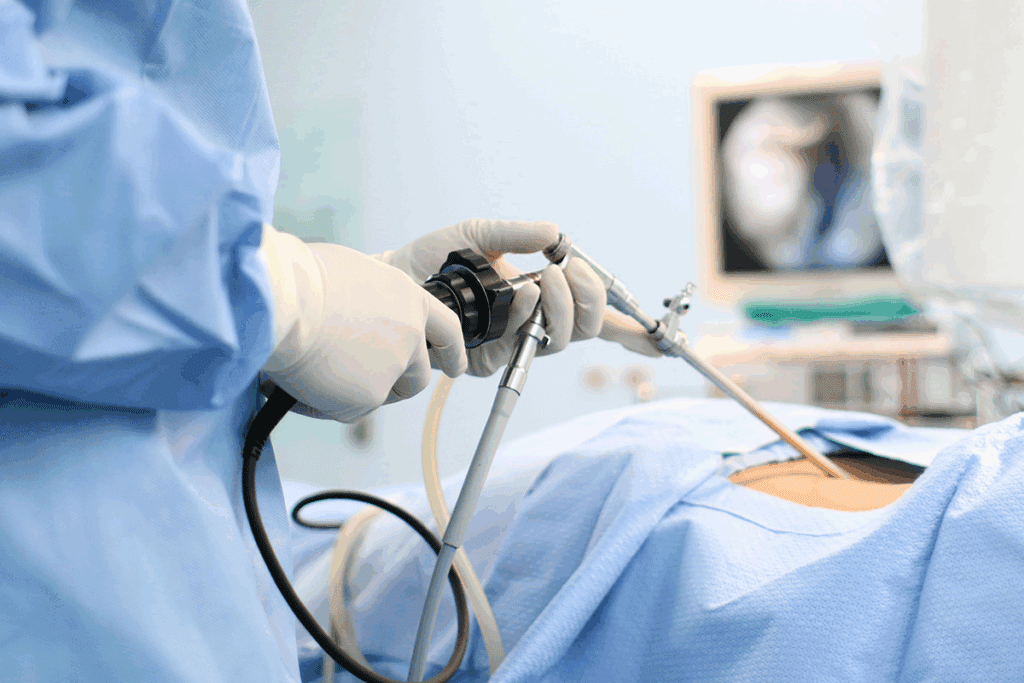
Knowing the gallbladder’s anatomy, like its neck, helps us understand its role in digestion. The gallbladder is a small, pear-shaped organ under the liver. It stores and concentrates bile, which is key to digestion.
Structure of the Gallbladder
The gallbladder has three main parts: the fundus, body, and neck. The neck of the gallbladder is the narrowest part. It connects the body to the cystic duct. This area is very important for the gallbladder’s function.
The Critical Role of the Gallbladder Neck
The neck of the gallbladder is vital for bile flow. It helps bile move from the gallbladder into the cystic duct and then to the common bile duct. Any blockage here can cause big problems with digestion.
“The gallbladder’s neck is a key anatomical feature that affects its function in concentrating and releasing bile.” –
A leading gastroenterologist
Normal Bile Flow Mechanics
For digestion to work right, bile flow must be normal. Bile is made by the liver, stored and made stronger by the gallbladder, and then released into the small intestine. This process needs the gallbladder and the sphincter of Oddi to work together.
| Component | Function |
| Gallbladder | Stores and concentrates bile |
| Cystic Duct | Transports bile from the gallbladder to the common bile duct |
| Common Bile Duct | Carries bile into the small intestine |
In summary, the gallbladder’s anatomy, mainly the neck, is key to understanding its role in digestion. Any problems in this area can cause issues like gallstones and blockages.
The Formation and Types of Gallstones

Gallstones form through complex processes. Knowing the types is key to managing them. They are made of cholesterol, bilirubin, and bile salts. Many factors influence their formation.
Cholesterol Stones vs. Pigment Stones
Gallstones fall into two main categories: cholesterol stones and pigment stones. Cholesterol stones are yellowish and linked to too much cholesterol in bile.
Pigment stones are smaller and darker. They are made of bilirubin and other substances. They often occur in people with hemolytic anemia or biliary tract infections.
Risk Factors for Gallstone Development
Several factors increase the risk of gallstones. These include obesity, a diet rich in fat and low in fiber, and diabetes. Family history also matters, as it can raise the risk.
- Obesity and rapid weight loss
- A diet high in saturated fats and cholesterol
- Certain medications and medical conditions
Why Stones Form in the Gallbladder
Gallstones form in the gallbladder due to a bile imbalance. This imbalance can lead to cholesterol or bilirubin precipitation. It’s caused by supersaturation of bile with cholesterol or infection and inflammation in the biliary tract.
Understanding gallstone formation is vital for prevention and treatment.
Gallstone in Neck of Gallbladder: Pathophysiological Process
A gallstone in the neck of the gallbladder causes many changes. It can lead to biliary colic and serious problems if not treated.
Mechanism of Neck Obstruction
A gallstone blocks the neck of the gallbladder by physically blocking it. This blockage stops bile from flowing into the bile duct. The gallbladder gets distended because bile keeps coming in.
Impaired Bile Flow Consequences
When bile flow is blocked, it causes problems. First, it leads to biliary stasis, where bile stays in the gallbladder. This can make bile salts concentrate and cause inflammation.
A doctor said, “A gallstone in the gallbladder neck is a big risk for acute cholecystitis.” This shows why quick medical help is key when a gallstone is suspected.
Difference Between Partial and Complete Obstruction
The effects of a gallstone in the neck vary by the type of blockage. A partial obstruction might let some bile through, causing less severe symptoms. But a complete obstruction blocks all bile flow, leading to worse and longer-lasting symptoms.
- Partial Obstruction: May cause intermittent biliary colic.
- Complete Obstruction: Often leads to severe pain and increased risk of complications like cholecystitis.
Knowing the difference between partial and complete blockages is key to choosing the right treatment.
Biliary Colic: Initial Presentation and Characteristics
Biliary colic starts with sudden, severe pain in the right upper abdomen. It happens when a gallstone blocks the gallbladder neck.
Typical Pain Patterns and Location
The pain of biliary colic is intense and crampy. It usually happens in the right upper abdomen. Sometimes, it spreads to the right shoulder or back, and you might feel nauseous or vomit.
A study in the Journal of Clinical Gastroenterology says, “The pain of biliary colic is severe and constant. It builds up over 15 minutes to an hour and lasts for several hours.”
“The pain associated with biliary colic is usually located in the epigastrium or right upper quadrant and may radiate to the back or right shoulder.”
Relationship to Fatty Meal Consumption
Fatty meals can trigger biliary colic. They release a hormone called cholecystokinin (CCK). This hormone makes the gallbladder contract, causing pain if a stone is blocking the neck.
| Trigger | Mechanism | Result |
| Fatty Meal | Release of CCK, gallbladder contraction | Pain due to obstruction |
Differentiating Biliary Colic from Other Abdominal Pain
It’s important to tell biliary colic apart from other abdominal pains. Look at the pain’s location and how it feels. Also, check for symptoms like jaundice or fever.
Clinical Characteristics:
- Severe, crampy pain in the right upper quadrant
- Pain is often triggered by fatty meals
- Possible radiation to the right shoulder or back
- Associated nausea or vomiting
Knowing these signs helps doctors diagnose and treat biliary colic. This can prevent serious problems.
Progression from Biliary Colic to Acute Cholecystitis
The move from biliary colic to acute cholecystitis is a complex inflammatory cascade. It can lead to serious issues. A gallstone blocking the gallbladder’s neck starts a chain of events. This can cause inflammation of the gallbladder.
Inflammatory Cascade Following Obstruction
When the gallbladder neck gets blocked, several changes happen. The bile trapped becomes a breeding ground for bacteria. The gallbladder wall gets inflamed due to the blockage and possible infection.
This inflammation causes swelling, which can cut off blood to the gallbladder wall. The inflammatory process involves many chemical changes. These changes include the activation of immune cells and the release of cytokines. They all play a part in making acute cholecystitis worse.
Clinical Signs of Developing Cholecystitis
As biliary colic turns into acute cholecystitis, symptoms change. The pain, once colicky, becomes constant and more severe. Other signs include:
- Fever
- Nausea and vomiting
- Tenderness in the right upper quadrant of the abdomen
- Positive Murphy’s sign upon physical examination
These signs show inflammation and possible infection. They mean a person needs to see a doctor right away.
Timeframe for Disease Progression
The time it takes for biliary colic to turn into acute cholecystitis varies. It can happen in a few hours or take days. The degree of blockage, infection presence, and patient factors all play a role.
Knowing the risk of progression and spotting signs of acute cholecystitis is key. Quick diagnosis and treatment can stop serious problems like gangrene or perforation of the gallbladder.
Serious Complications of Untreated Gallbladder Neck Stones
Untreated gallstones in the gallbladder’s neck can cause severe problems. These stones can block the gallbladder’s neck. This can lead to serious health issues if not treated quickly.
Gallbladder Perforation and Peritonitis
Gallbladder perforation is a severe issue. It happens when the gallbladder wall gets inflamed and tears. This can cause peritonitis, a dangerous infection in the belly.
Key risks associated with gallbladder perforation include:
- Infection of the abdominal cavity (peritonitis)
- Sepsis, a potentially life-threatening response to infection
- Abscess formation in the abdomen
Gangrenous Cholecystitis
Gangrenous cholecystitis is another serious issue. It happens when the gallbladder gets inflamed and the tissue dies because of poor blood flow. This condition needs immediate medical help.
Symptoms that may indicate gangrenous cholecystitis include:
- Severe abdominal pain
- Fever and chills
- Nausea and vomiting
- Abdominal tenderness and guarding
Gallstone Ileus and Bowel Obstruction
Gallstone ileus is a rare but serious problem. It happens when a large gallstone goes through a fistula and blocks the intestine. This is more common in older adults and can be deadly if not treated fast.
Signs of gallstone ileus include:
- Abdominal pain and cramping
- Nausea and vomiting
- Constipation or obstipation (inability to pass stool or gas)
- Abdominal distension
In conclusion, untreated gallstones in the gallbladder’s neck can lead to serious and potentially life-threatening complications. Prompt medical attention is key to preventing these issues and ensuring proper treatment.
Epidemiology and Risk Assessment
It’s key to know the risk of gallstones to treat them early. Gallstones are a big health problem, mainly in Western countries.
Prevalence in Western Countries
In Western countries, about 10-15% of adults have gallstones. This shows how important it is to study gallstones to find better ways to prevent and treat them.
Silent vs. Symptomatic Gallstones
Gallstones can be silent or symptomatic. Silent ones don’t cause symptoms and are found by chance during tests. Symptomatic ones cause pain and need medical help.
Most people with gallstones don’t show symptoms, about 80%. But symptoms mean they need treatment.
Demographic Patterns and Risk Factors
Who gets gallstones matters a lot. Women, people with a family history, and those with certain health or diet issues are at higher risk.
| Risk Factor | Description | Relative Risk |
| Female Gender | Higher incidence in women, mainly during childbearing years | 2-3 times higher |
| Family History | Having gallstones in close relatives | 2-4 times higher |
| Obesity | More cholesterol in bile | 1.5-2 times higher |
| Dietary Factors | Eating too much saturated fat, cholesterol, and not enough fiber | Variable, but significant |
Knowing who’s at risk helps us prevent gallstones. We can then take steps to protect them early on.
Diagnostic Imaging for Gallbladder Neck Stones
Diagnostic imaging is key in finding gallstones in the gallbladder’s neck. It’s vital to choose the right treatment and avoid problems.
Ultrasound Findings: Anechoic Gallbladder and Shadowing
Ultrasound is often the first choice for checking the gallbladder. It looks for gallstones in the neck. An anechoic gallbladder means it looks dark because of no echoes inside. Gallstones can block sound waves, making a shadow.
“The presence of acoustic shadowing behind a gallstone is a reliable indicator of its presence and location,” as noted in medical literature. This shadowing helps spot gallstones from other issues.
Cholelithiasis Without Sonographic Evidence of Acute Cholecystitis
Some people have gallstones but no signs of acute cholecystitis on ultrasound. This means they have gallstones but no inflammation. Ultrasound might show gallstones, but the gallbladder and surrounding tissues look normal.
Advanced Imaging Techniques
Ultrasound is the main tool, but sometimes Computed Tomography (CT) and Magnetic Resonance Cholangiopancreatography (MRCP) are used too. These help see more about the gallbladder and biliary system.
CT scans can spot problems like gallbladder perforation. MRCP is great for seeing the bile ducts and finding blockages or issues.
When to Seek Medical Attention for Suspected Gallbladder Problems
It’s important to know when to get medical help for gallbladder problems. If you have symptoms that might mean you have a gallbladder issue, it’s key to know when to act.
Warning Signs Requiring Immediate Care
Some symptoms need you to get medical help right away. These include:
- Severe abdominal pain, mainly in the right upper quadrant
- Fever over 101.5°F (38.6°C)
- Vomiting blood or constant vomiting
- Jaundice (yellow skin or eyes)
- Abdominal tenderness or muscle tension
If you or someone you know has these symptoms, getting medical help fast is a must.
Distinguishing Emergency from Non-Emergency Symptoms
Not all gallbladder symptoms need urgent care. But it’s important to know the difference between emergency and non-emergency symptoms.
| Symptom | Emergency or Non-Emergency |
| Severe abdominal pain | Emergency |
| Mild abdominal discomfort after fatty meals | Non-Emergency |
| Fever and chills | Emergency |
| Occasional nausea | Non-Emergency |
Knowing the difference helps you decide when to see a doctor.
What to Tell Your Healthcare Provider
When you go to the doctor, tell them everything you can. This includes:
- A detailed description of your symptoms
- Any factors that make your symptoms better or worse
- Your medical history, including any gallbladder problems before
- Any medicines you’re taking
Having this info ready helps your doctor diagnose and treat you better.
Treatment Approaches for Gallstones in the Gallbladder Neck
Treatment for gallstones in the gallbladder neck includes several options. These range from non-surgical methods to surgery. The right treatment depends on how severe the symptoms are, if there are complications, and the patient’s health.
Conservative Management Options
For those with mild symptoms or who can’t have surgery, non-surgical treatment is suggested. This might include:
- Watching symptoms and the size of the gallstone
- Using medicine to manage pain
- Making dietary changes to reduce gallbladder activity
The American College of Gastroenterology says non-surgical treatment is often used for mild symptoms. But, doesn’t solve the problem of why gallstones form.
Surgical Interventions: Laparoscopic vs. Open Cholecystectomy
Surgery to remove the gallbladder is a sure way to treat gallstones. There are two main types of surgery:
- Laparoscopic cholecystectomy, a less invasive method with smaller cuts, leading to quicker healing
- Open cholecystectomy, a more traditional surgery with a bigger cut, is used for complex cases or when laparoscopic surgery is not possible
Laparoscopic cholecystectomy is usually preferred because it causes less pain and shorter hospital stays.
Minimally Invasive Techniques
Other less invasive methods, like percutaneous cholecystostomy, are also available. These are options for certain patients.
A study in the Journal of Surgical Research found these new methods reduce complications and speed up recovery. The choice depends on the patient’s needs and the doctor’s skills.
Prevention Strategies and Lifestyle Modifications
Making lifestyle changes can lower the chance of getting gallstones. By focusing on prevention, people can avoid gallstone disease.
Dietary Recommendations
Eating a balanced diet is key to preventing gallstones. Increasing fiber from fruits, veggies, and whole grains helps. Also, cutting down on fatty foods is good, as they can cause gallbladder spasms.
Keeping a healthy weight is vital. But avoiding quick weight loss is important, as it can raise gallstone risk. Aim for losing 1-2 pounds a week.
| Dietary Component | Recommended Intake |
| Fiber | 25-30 grams per day |
| Fatty Foods | Limit to less than 30% of daily calories |
| Calcium | 1,000-1,200 mg per day |
Physical Activity and Weight Management
Regular exercise is vital for health and can prevent gallstones. Try for 150 minutes of moderate exercise or 75 minutes of vigorous exercise weekly.
Keeping a healthy weight is key. Being obese increases gallstone risk, so managing weight is important.
Monitoring and Follow-up for High-Risk Individuals
People with a gallstone history or high risk should get regular checks. This might include ultrasound exams to catch gallstones early.
Those with gallstones should see their doctor often. Regular check-ups are vital to watch for any changes or issues.
Conclusion
Gallbladder health is key to feeling good overall. Knowing about gallstones in the neck of the gallbladder is vital. It helps prevent serious problems.
Gallstones can cause biliary colic and acute cholecystitis. If not treated, they can be life-threatening.
Early detection with ultrasound and quick medical care can greatly improve treatment results.
Treatment options vary from simple care to surgery, like laparoscopic cholecystectomy. This shows the need for a personalized approach to gallbladder disease.
Preventing gallstones is important. This includes eating right and making lifestyle changes. These steps help keep the gallbladder healthy and lower the risk of gallstones.
By knowing the dangers of gallstones and taking steps to keep the gallbladder healthy, people can lower their risk of complications.
FAQ
What is a gallstone blocking the neck of the gallbladder?
A gallstone blocking the neck of the gallbladder happens when a stone gets stuck in the narrow passageway. This passageway connects the gallbladder to the bile ducts. It blocks the flow of bile.
What are the symptoms of a gallstone blocking the neck of the gallbladder?
Symptoms include biliary colic. This is a severe, sharp pain in the upper right abdomen. It may also radiate to the right shoulder or back. It’s often triggered by fatty meals.
How is a gallstone blocking the neck of the gallbladder diagnosed?
Ultrasound is used for diagnosis. It can detect gallstones and check for signs of inflammation or obstruction. An anechoic gallbladder is a sign of obstruction.
What is the difference between partial and complete obstruction of the gallbladder neck?
Partial obstruction lets some bile flow around the stone. Complete obstruction blocks all bile flow. This can lead to severe consequences, like acute cholecystitis.
Can gallstones in the neck of the gallbladder be treated without surgery?
Sometimes, conservative management is tried. But often, surgery, like laparoscopic cholecystectomy, is needed. This removes the gallbladder and prevents complications.
What are the risks of untreated gallstones in the gallbladder neck?
Untreated gallstones can cause serious problems. These include gallbladder perforation, gangrenous cholecystitis, and gallstone ileus. These can be life-threatening.
How can I reduce my risk of developing gallstones?
To reduce the risk, maintain a healthy weight. Eat a balanced diet. Stay physically active. Avoid rapid weight loss.
What are the signs that I should seek immediate medical attention for suspected gallbladder problems?
Look out for severe abdominal pain, fever, jaundice, or vomiting. These are warning signs. They may indicate a serious complication.
Can lifestyle modifications help prevent gallstones?
Yes, they can. Dietary changes, like increasing fiber and reducing saturated fats, help. Regular physical activity and maintaining a healthy weight also prevent gallstones.
What is the prevalence of gallstones in Western countries?
Gallstones are common in Western countries. They affect about 10-15% of the population. Many cases are asymptomatic.
What is cholelithiasis without sonographic evidence of acute cholecystitis?
Cholelithiasis means having gallstones. Without sonographic evidence of acute cholecystitis, it means gallstones are present. But there are no signs of acute inflammation on ultrasound.
References
Jairath, A., & Kaur, M. (2021). Management of Anal Fistula: A Review of Advances and Surgical Techniques. International Journal of Surgery, 87, 105932. https://www.sciencedirect.com/science/article/abs/pii/S1743919121002933



 Departments
 Related Videos
 Our Doctors
 News
News