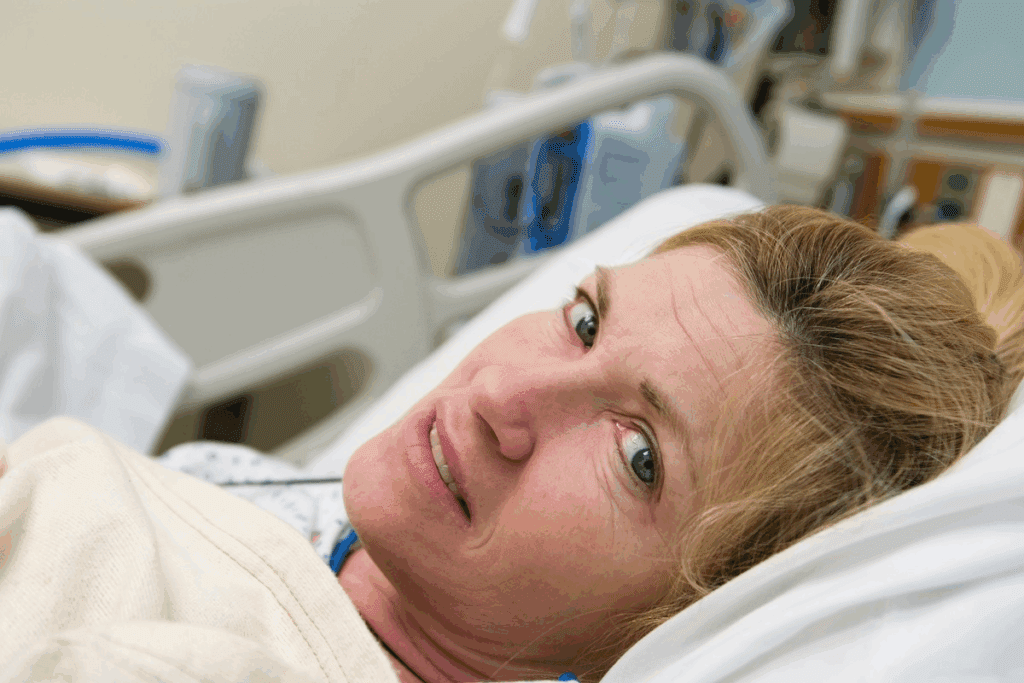
Did you know that gallstones affect millions of people worldwide, with women being more susceptible than men? Gallstones can cause significant discomfort and potentially lead to serious complications if left untreated.
Experiencing severe abdominal pain can be alarming. It’s important to recognize the warning signs. Understanding the common symptoms of gallbladder issues in females can help identify risks and prompt seeking medical attention.
The essential guide to gallstone symptoms in women. Learn the critical, surprising signs that are different from men and often missed.
Key Takeaways
- Recognizing the warning signs of gallstones is crucial for obtaining timely medical attention.
- Gallstones are more common in women than men.
- Untreated gallstones can lead to serious complications.
- Understanding gallstone pain women experience aids in diagnosis.
- Seeking medical attention is vital for proper treatment.
Understanding Gallstones and Their Prevalence in Women
Women are more likely to get gallstones than men. It’s important to know why. Gallstones can cause a lot of pain and other serious problems.
What are gallstones and how do they form?
Gallstones are small, hard pieces that form in the gallbladder. This organ is under the liver. They can be tiny or as big as a golf ball.
The gallbladder makes bile, a digestive fluid. Bile is made of cholesterol, bile salts, and bilirubin. If there’s too much cholesterol or bilirubin, it can turn into gallstones.
Gallstones form due to many factors. These include genetics, diet, and hormones. Knowing how they form helps in preventing and treating them.
Why women are more susceptible to gallstones than men
Women are more likely to get gallstones because of hormones. Estrogen can make bile more likely to form stones. This is true during pregnancy and hormone therapy.
Women also have a higher risk of gallbladder problems. These problems can lead to gallstones. Being overweight and certain diets can also increase the risk.
Statistics on gallstone prevalence in American women
Gallstones are a big health problem in the U.S. They affect millions. Studies show that many American women have gallstones.
| Age Group | Prevalence of Gallstones in Women |
| 20-30 years | 5-7% |
| 30-40 years | 8-12% |
| 40-50 years | 15-20% |
These numbers show why women need to be aware and take steps to prevent gallstones. Knowing the risks and how to avoid them can help lower the number of gallstones.
Gallstone Symptoms Women Commonly Experience
Women with gallstones often face a variety of symptoms that can really affect their daily life. It’s key to know these symptoms to get help quickly.
Upper Right Abdominal Pain Characteristics
The most common symptom for women with gallstones is pain in the upper right abdomen. This pain is often called biliary colic. It usually happens after eating fatty foods and can be mild or severe.
The pain is in the right upper part of the abdomen. It might also spread to the right shoulder or back.
Characteristics of this pain include:
- Intermittent episodes of pain that can last from a few minutes to several hours
- Pain triggered or worsened by fatty or greasy foods
- Pain that may be accompanied by a feeling of bloating or discomfort
Referred Pain to Shoulder and Back
Gallbladder disease often causes pain in the shoulder and back. This happens because the nerves in the gallbladder and these areas are connected. Women might feel pain in the right shoulder or between the shoulder blades. This can sometimes be mistaken for muscle or bone problems.
Digestive Symptoms Including Nausea and Vomiting
Women with gallstones also have digestive symptoms. These include:
- Nausea and vomiting, often after eating fatty foods
- Bloating and gas
- Indigestion and discomfort after meals
These symptoms can be uncomfortable and make daily activities hard.
Systemic Symptoms Like Fever and Chills
In some cases, gallstones can cause serious problems like cholecystitis (inflammation of the gallbladder). Symptoms can include:
- Fever
- Chills
- General feeling of being unwell
These symptoms mean a serious infection that needs quick medical help.
Dealing with these symptoms can be tough. If you’re a woman and notice any of these, see a healthcare provider right away. They can help figure out what’s wrong and how to treat it.
Gender Differences in Gallstone Presentation
Gallstones show different signs in men and women, affecting how they are treated. Women get gallstones more often, but their symptoms and pain are not the same as men’s.
Different Symptom Profiles
Men and women have different symptoms when they have gallstones. Women often get biliary colic, which is pain in the upper right abdomen that comes and goes. Men might face more serious problems like acute cholecystitis.
“The way gallstones show up can change because of hormones,” research says. This shows why it’s key to look at how symptoms differ by gender.
Hormonal Influences on Symptoms
Hormones play a big part in gallstones, mainly in women. Estrogen can make the gallbladder work differently and raise the chance of getting gallstones. Pregnancy makes this risk even higher because of more cholesterol and less gallbladder movement.
Variations in Pain Patterns
Women might feel pain in different ways than men, often with more severe and frequent biliary colic. This pain can spread to the back and shoulder, making it harder to diagnose. It’s important for doctors to understand these differences to give the right treatment.
By knowing the gender differences in gallstones, we can help patients more. This way, we can give better care that fits each person’s needs. It helps doctors diagnose and treat more accurately, making care more personal.
Silent Gallstones vs. Symptomatic Gallstones in Females
Gallstones can be present without causing any noticeable symptoms, a condition known as silent gallstones. Many people have these asymptomatic gallstones that do not cause immediate health issues. Understanding the difference between silent and symptomatic gallstones is key for women’s health.
Understanding Asymptomatic Gallstones
Asymptomatic or silent gallstones are gallstones that do not cause any symptoms. They are often discovered during medical imaging tests for unrelated conditions. It’s estimated that a significant number of people with gallstones are asymptomatic, and these gallstones may not require immediate treatment.
Yet, silent gallstones can sometimes lead to complications. We need to be aware of the risks associated with these asymptomatic gallstones.
When Silent Gallstones Become Problematic
While silent gallstones may not initially cause symptoms, they can become problematic. For example, if a gallstone obstructs the bile duct, it can lead to severe pain, infection, or other complications. The risk of developing symptoms or complications is a critical consideration for women with silent gallstones.
Factors that might increase the likelihood of silent gallstones becoming symptomatic include changes in diet, hormonal shifts, or other health conditions. Understanding these factors can help in managing the risk.
Monitoring Recommendations for Women with Silent Gallstones
For women with silent gallstones, regular monitoring is often recommended. This typically involves periodic check-ups with a healthcare provider and possibly imaging tests to monitor the gallstones. Early detection of any changes or possible complications is key to effective management.
We advise women with silent gallstones to be aware of symptoms that might indicate a problem. These include severe abdominal pain, fever, or jaundice. Prompt medical attention is necessary if any of these symptoms occur.
By understanding silent gallstones and taking proactive steps, women can reduce the risk of complications and maintain their overall health.
Recognizing a Gallbladder Attack in Women
Gallbladder attacks in women can show up in many ways. These episodes are often caused by gallstones blocking the gallbladder. They can be very painful and serious.
Acute Symptoms to Watch For
Women may feel severe pain in the upper right abdomen during a gallbladder attack. This pain can spread to the back or right shoulder. Other signs include:
- Intensifying pain after eating, specially fatty foods
- Nausea and vomiting
- Fever and chills
- Jaundice (yellowing of the skin and eyes)
These symptoms can change in how bad they are and how long they last. But, they often need quick medical help.
Duration and Intensity of Typical Attacks
Gallbladder attacks can last from a few minutes to hours. The pain can feel like a dull ache or a sharp stab. Knowing how long and how bad the pain is can help women know when they’re having an attack.
| Symptom | Characteristics |
| Pain Location | Upper right abdomen, potentially radiating to back or right shoulder |
| Pain Intensity | Ranges from dull ache to sharp, stabbing sensation |
| Duration | Can last from a few minutes to several hours |
When to Seek Emergency Care
Women should go to the emergency room if they have:
- Severe pain that doesn’t go away
- High fever or chills
- Jaundice
- Vomiting blood or persistent vomiting
These could mean a serious problem that needs quick medical help.
“Prompt recognition of gallbladder attack symptoms is key for timely medical care and avoiding serious problems.”
Differentiating Gallbladder Pain from Other Conditions
Gallbladder pain can be mistaken for other issues like heartburn, ulcers, or pancreatitis. But, gallbladder pain usually:
- Happens in the upper right abdomen
- Gets worse or starts with fatty meals
- May spread to the right shoulder or back
Knowing these signs can help tell gallbladder pain apart from other stomach problems.
Risk Factors for Gallstone Development in Women
Many factors can increase the chance of getting gallstones, more so in women. Knowing these risks helps in preventing and catching gallstones early.
Age-related Risks for American Women
The older you get, the higher your risk of gallstones. Women over 40 face a higher risk. This is due to changes in bile and gallbladder function.
Hormonal Factors Including Estrogen Effects
Hormones play a big part in gallstone formation. Estrogen can make bile more likely to form stones. This is true for women, as estrogen levels change with the menstrual cycle, pregnancy, and hormone therapy.
a gastroenterologist, says, “Hormonal changes in women can greatly increase their risk of gallstones.”
“Estrogen therapy, in particular, has been linked to an increased risk of gallstones in women.”
Pregnancy and Gallstones
Pregnancy raises the risk of gallstones. Hormonal changes, like more estrogen and progesterone, can slow down the gallbladder. This can lead to gallstones.
Research shows that pregnancy and after can increase gallstone risk. Women with multiple pregnancies are at even higher risk. This is because of hormonal changes and possible weight gain from pregnancy.
Birth Control and Hormone Replacement Therapy
Birth control pills and hormone replacement therapy (HRT) can also raise gallstone risk. These therapies change hormone levels, which can increase gallstone risk.
- Birth control pills can increase the risk due to their estrogen content.
- HRT, commonly used during menopause, can also affect gallstone risk.
Women, and those on hormone therapies, should be aware of these risks. They should talk to their healthcare provider about it.
Complications of Untreated Gallstones in Female Patients
Untreated gallstones pose serious risks, mainly for women. They can lead to severe and even life-threatening issues.
Acute Cholecystitis
Acute cholecystitis is a common problem. It happens when a gallstone blocks the cystic duct. This prevents bile from leaving the gallbladder. Symptoms include severe pain, fever, and nausea.
If not treated quickly, it can cause gangrene or perforation of the gallbladder.
Gallstone Pancreatitis
Gallstones can also cause pancreatitis. This is when a gallstone blocks the pancreatic duct. Symptoms include severe pain, nausea, and vomiting.
Biliary Obstruction and Jaundice
Untreated gallstones can block the common bile duct. This prevents bile from flowing into the intestine. It leads to jaundice, yellowing of the skin and eyes.
Other symptoms include dark urine and pale stools.
Gallbladder Cancer Risks
There’s a higher risk of gallbladder cancer with gallstones. The exact cause is not known, but chronic inflammation might play a part. Early detection is key, as cancer is often diagnosed late.
| Complication | Symptoms | Potential Consequences |
| Acute Cholecystitis | Severe abdominal pain, fever, nausea | Gangrene, perforation |
| Gallstone Pancreatitis | Severe upper abdominal pain, nausea, vomiting | Pancreatic damage, organ failure |
| Biliary Obstruction and Jaundice | Yellowing of skin and eyes, dark urine, pale stools | Liver damage, infection |
| Gallbladder Cancer | Often asymptomatic until late stages | Advanced cancer, poor prognosis |
Knowing these risks is key. If symptoms don’t go away or get worse, seek medical help. Early treatment can greatly improve outcomes for women with gallstones.
Diagnosing Gallstones in Women
Diagnosing gallstones in women is a detailed process. It combines clinical checks and tests.
Physical Examination Findings
A physical exam is key in diagnosing gallstones. We look for tenderness in the upper right abdomen. This could mean gallbladder disease.
A healthcare provider might do a Murphy’s sign test. The patient inhales deeply and holds their breath while the examiner presses on the abdomen. If the patient feels pain and catches their breath, it could mean gallstones or inflammation.
Ultrasound and Other Imaging Studies
Imaging studies are essential for diagnosing gallstones. Ultrasound is the main tool because it’s non-invasive and very good at finding gallstones. It also checks for gallbladder inflammation.
Other tests like CT scans or MRI might be used in some cases. They help look at the gallbladder and bile ducts more closely.
“Ultrasonography is the preferred initial imaging test for patients with suspected gallbladder disease because of its high sensitivity and specificity for detecting gallstones.”
Laboratory Tests for Gallbladder Function
Laboratory tests are important for checking gallbladder function and finding gallstone complications. Tests include liver function tests, bilirubin levels, and pancreatic enzyme levels. These help see if there’s a blockage in the bile ducts or pancreatitis.
| Laboratory Test | Purpose |
| Liver Function Tests | To assess liver damage or dysfunction |
| Bilirubin Levels | To check for bile duct obstruction |
| Pancreatic Enzyme Levels | To diagnose pancreatitis |
Diagnostic Challenges Specific to Female Patients
Diagnosing gallstones in women can be tricky. Symptoms can be similar to other conditions like irritable bowel syndrome or pelvic disorders. Hormonal changes during pregnancy or with hormone therapy can also make diagnosis harder.
Treatment Options for Women with Gallstones
Gallstones in women can be treated in different ways. These include watching and waiting, or more serious surgery. The right choice depends on how bad the symptoms are, the size and number of stones, and the patient’s health.
Conservative Management Approaches
For women with no symptoms, watching and waiting might be suggested. This means regular check-ups and tests to see if symptoms start. Changing diet and managing weight can also help.
“The decision to treat gallstones should be based on the presence of symptoms and the risk of complications, not just the stones themselves.”
Medication Options and Their Effectiveness
Some women might take medicine to dissolve their gallstones. Ursodeoxycholic acid (UDCA) is a bile acid that can dissolve cholesterol stones. But, this treatment works best for small, cholesterol stones and can take a long time.
| Medication | Effectiveness | Side Effects |
| Ursodeoxycholic acid (UDCA) | Dissolves cholesterol gallstones | Diarrhea, abdominal pain |
| Chenodeoxycholic acid (CDCA) | Dissolves cholesterol gallstones | Liver toxicity, diarrhea |
Laparoscopic Cholecystectomy Procedure
Laparoscopic cholecystectomy is a surgery to remove the gallbladder. It’s a common choice for those with symptoms. It’s preferred because it has a shorter recovery time than open surgery.
Benefits of Laparoscopic Cholecystectomy:
- Less postoperative pain
- Shorter hospital stay
- Quicker return to normal activities
Other Surgical Interventions
In some cases, other surgeries might be needed. For example, open cholecystectomy might be used if laparoscopic surgery isn’t possible. Procedures like endoscopic retrograde cholangiopancreatography (ERCP) can also remove stones from the bile duct.
Every patient is different, and the best treatment depends on many factors. It’s important to talk to a healthcare provider to find the right plan.
Dietary Management for Women with Gallstones
Women with gallstones can manage their symptoms by changing their diet. These changes can help reduce how often and how bad gallbladder attacks are.
Foods That Trigger Gallbladder Attacks
Some foods can make gallbladder attacks worse for women with gallstones. These include:
- Fatty foods: Foods high in fat can make the gallbladder contract, which is bad if you have gallstones.
- Processed meats: Foods like sausages and bacon are high in fat and can cause attacks.
- Fried foods: Fried foods like chicken and fries are hard to digest and high in fat.
- High-cholesterol foods: Foods high in cholesterol can make bile more cholesterol-rich, which can worsen gallstones.
Beneficial Dietary Choices for Symptom Management
Some foods can help manage gallstone symptoms. These include:
- Fiber-rich foods: Foods like fruits, veggies, and whole grains can improve digestion and lower gallstone risk.
- Lean proteins: Foods like poultry, fish, and legumes are easier on the gallbladder.
- Low-fat dairy products: Choosing low-fat or fat-free dairy can help control fat intake.
Low-Fat Diet Recommendations
Women with gallstones should follow a low-fat diet. This means:
- Keeping fat intake under 20% of daily calories.
- Avoiding saturated and trans fats.
- Using baking, grilling, or steaming instead of frying.
Meal Planning Strategies for Women with Gallstones
Good meal planning is key for managing gallstones through diet. Here are some tips:
- Eat smaller, more frequent meals: This can ease the strain on your gallbladder.
- Keep a food diary: Tracking what you eat and symptoms can help spot trigger foods.
- Plan ahead: Preparing meals early can help stick to your diet and avoid unhealthy choices.
By choosing the right foods, women with gallstones can manage their symptoms better and improve their life quality.
Preventing Gallstones in Women
Women can lower their gallstone risk by making lifestyle changes. These changes help keep the gallbladder healthy and prevent gallstones.
Weight Management Strategies
Keeping a healthy weight is key to avoiding gallstones. Being overweight or obese raises the risk. Slow weight loss is better than quick to avoid gallstones.
- Aim for a healthy BMI: Try to keep your BMI between 18.5 and 25.
- Gradual weight loss: If you’re overweight, lose 1-2 pounds a week.
- Combine diet and exercise: A healthy diet and regular exercise help with weight loss.
Exercise Recommendations for Prevention
Exercise helps with weight control and has other benefits for gallstone prevention. It improves gallbladder function and lowers the risk of gallstones.
Recommended exercises include:
- Aerobic exercises: Activities like walking, cycling, or swimming for at least 150 minutes a week.
- Strength training: Do strength training exercises at least twice a week.
- High-intensity interval training (HIIT): HIIT is great for those who like intense workouts.
Dietary Approaches to Reduce Risk
Eating right is important for preventing gallstones. Some foods can help lower the risk of gallstones.
Beneficial dietary choices include:
- Eating a balanced diet: Eat a variety of fruits, vegetables, whole grains, and lean proteins.
- High-fiber foods: Include fruits, vegetables, and whole grains in your diet.
- Healthy fats: Choose healthy fats from nuts, seeds, avocados, and olive oil.
Managing Female-Specific Risk Factors
Some factors, like hormonal changes during pregnancy or estrogen therapy, increase gallstone risk in women. It’s important to manage these risks to prevent gallstones.
“Understanding and managing female-specific risk factors is key to preventing gallstones in women.”
— Expert Opinion
Talk to your healthcare provider about your risk factors. They can help you create a prevention plan that’s right for you.
Living with Gallbladder Disease as a Woman
Living with gallbladder disease as a woman comes with many challenges. It affects both your body and mind. You need to manage it well to avoid serious problems and improve your life.
Coping Strategies for Chronic Symptoms
Dealing with gallbladder disease symptoms can be tough. Effective management strategies include changing your diet, managing stress, and watching your symptoms closely.
- Dietary adjustments to avoid trigger foods
- Stress reduction techniques such as meditation or yoga
- Keeping a symptom journal to track patterns
Using these strategies can help women manage their symptoms better. This way, gallbladder disease doesn’t control their daily lives.
Long-term Health Considerations
Women with gallbladder disease need to think about long-term health risks. These include serious problems like gallstone pancreatitis and biliary obstruction. It’s important to see your healthcare provider regularly.
| Complication | Symptoms | Action |
| Gallstone Pancreatitis | Severe abdominal pain, nausea | Seek immediate medical attention |
| Biliary Obstruction | Jaundice, dark urine | Consult a healthcare provider promptly |
Life After Gallbladder Removal
Many women have laparoscopic cholecystectomy for gallbladder disease. After surgery, you’ll need time to heal and then slowly get back to your usual activities.
It’s key to follow your doctor’s instructions after surgery. This helps avoid problems and makes your recovery smoother.
Support Resources for Women with Gallbladder Issues
Support groups, online forums, and healthcare experts are vital for women with gallbladder disease. They offer valuable advice and support to manage the condition well.
By using these resources, women can get the help they need. This makes managing their gallbladder disease easier.
Conclusion
It’s key for women to know about gallstone symptoms. This knowledge helps manage and treat gallbladder disease effectively. We’ve talked about how symptoms can differ, and knowing the risks and treatments is vital for women’s health.
Women may feel abdominal pain or have digestive problems due to gallstones. Spotting these signs early and getting medical help quickly is important. It helps avoid serious issues and improves treatment results.
There are many ways to treat gallstones, from simple care to surgery like laparoscopic cholecystectomy. Knowing these options helps women choose the best care for themselves.
Living a healthy lifestyle is also important. This includes eating right and keeping a healthy weight to prevent gallstones and manage gallbladder disease. Taking care of oneself can lower the risk and keep overall health good.
FAQ
What are the common symptoms of gallstones in women?
Women with gallstones often feel pain in the upper right abdomen. They might also feel pain in the shoulder and back. Other symptoms include nausea, vomiting, fever, and chills.
How do gallstone symptoms differ between men and women?
Hormones can make women’s symptoms different from men’s. This is why it’s key to understand these differences for accurate diagnosis.
What are silent gallstones, and when do they become problematic?
Silent gallstones don’t cause symptoms right away. But, they can block the bile duct or cause inflammation. This makes regular monitoring important.
How can I recognize a gallbladder attack, and what should I do?
A gallbladder attack has severe pain, nausea, and vomiting. If you have these symptoms, get emergency care. This is true if the pain is very bad or you have fever and chills.
What are the risk factors for developing gallstones as a woman?
Risk factors include age and hormonal influences. This includes estrogen, pregnancy, birth control, and hormone replacement therapy. These can increase the chance of gallstones.
What complications can arise from untreated gallstones?
Untreated gallstones can cause acute cholecystitis and gallstone pancreatitis. They can also lead to biliary obstruction, jaundice, and an increased risk of gallbladder cancer. This shows why quick medical attention is needed.
How are gallstones diagnosed in women?
Diagnosis involves a physical exam and imaging studies like ultrasound. Lab tests also check gallbladder function. There are specific challenges for female patients.
What treatment options are available for women with gallstones?
Treatment options include conservative management and medication. Surgical procedures like laparoscopic cholecystectomy are also available. The choice depends on symptoms and health.
How can dietary changes help manage gallstone symptoms?
Eating less fat and avoiding trigger foods can help. Meal planning strategies offer practical advice for women with gallstones.
What preventive measures can women take to reduce their risk of developing gallstones?
Preventive measures include managing weight and exercising regularly. A low-fat diet and managing female-specific risk factors can also help.
How can women cope with chronic gallbladder disease, and what support is available?
Coping strategies and long-term health considerations are available. There are also support resources for managing the condition. This includes advice on life after gallbladder removal.
Are there any specific dietary recommendations for women after gallbladder removal?
After gallbladder removal, a low-fat diet is often recommended. Gradually introducing other foods helps assess tolerance.
Can hormonal therapies like birth control or hormone replacement therapy increase the risk of gallstones?
Yes, hormonal therapies can increase the risk of gallstones. This is because they affect estrogen levels, a known risk factor for gallstones in women.