

Are you thinking about bariatric surgery or have you had it? Proper meal planning is key for reaching your health goals. It also keeps your nutrition and long-term health safe.
We know that a good bariatric meal planning plan can change how you eat. It helps with lasting weight loss and keeps important muscle mass. At Liv Hospital, we offer full support for patients from abroad, including help with meal plans after surgery and gastric bypass diet plan examples
Following strict dietary rules helps patients who have had weight loss surgery. It helps them keep losing weight and avoid nutritional problems. Our aim is to guide you through the important role of meal planning in successful weight loss surgery.
Key Takeaways
- Proper meal planning is essential after weight loss surgery.
- A well-structured bariatric meal plan supports sustainable weight loss.
- Nutritional deficiencies can be prevented with the right meal planning approach.
- Liv Hospital provides full support for international patients.
- Post-surgery meal planning guidance is key for long-term health.
Understanding Bariatric Nutrition Fundamentals
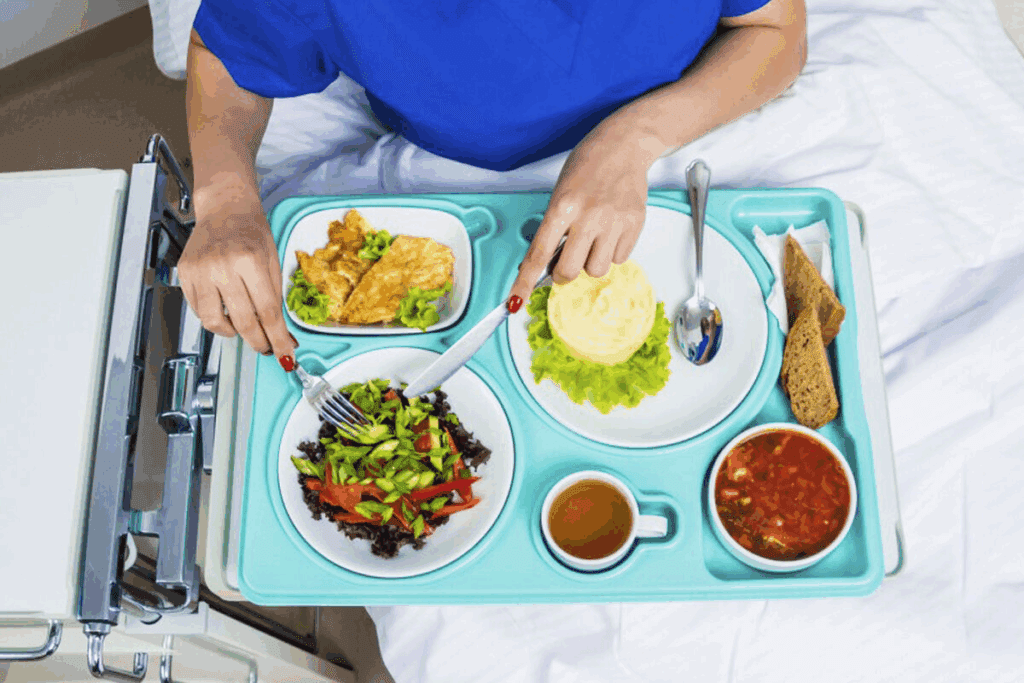
Weight loss surgery starts a new journey. It requires understanding bariatric nutrition basics. After surgery, patients must eat differently to get the nutrients they need.
Nutritional Needs After Weight Loss Surgery
Patients after surgery have specific nutritional needs. They must eat 70 to 90 grams of protein daily to keep muscle and support weight loss. WakeMed Bariatric Surgery & Medical Weight Loss suggests 60-90 grams of protein for sleeve gastrectomy and gastric bypass patients.
Also, managing calories is key. Aim for 1200 calories daily to help with weight loss after surgery.
The Science Behind Post-Bariatric Dietary Requirements
The diet after bariatric surgery is designed to meet the body’s needs during weight loss. Eating nutrient-dense foods helps ensure patients get the vitamins and minerals they need for health.
The type of bariatric surgery affects nutritional needs. For example, gastric bypass patients might need extra vitamin and mineral supplements to avoid deficiencies.
Common Nutritional Deficiencies to Prevent
Bariatric patients are at risk for vitamin B12, iron, and calcium deficiencies. To avoid these, patients should work with their healthcare provider to create a personalized supplement plan.
It’s also important to regularly check nutritional status. This helps catch any deficiencies early, allowing for quick treatment.
The Critical Post-Surgery Timeline

After bariatric surgery, the first few months are key for setting up good eating habits. The Bariatric and Metabolic Institute stresses how important this time is. It’s when you start new eating patterns and move through different diets. We’ll help you through the important parts of your recovery, showing you the challenges and chances ahead.
First 3 Months: Establishing New Eating Patterns
The first three months are a big adjustment. Your body is healing, and your digestive system is getting used to changes. It’s important to start with clear liquids and pureed foods and slowly add more solid foods. Keeping a food diary can help you track your progress and spot any problems early.
You might feel many emotions during this time, like excitement about losing weight or frustration with diet limits. Drinking plenty of water and following your surgeon’s advice are key for a smooth recovery.
Months 3-6: Progressing Your Diet
When you reach the 3-6 month mark, you’ll start to progress your diet with softer, solid foods. This is a big step for getting more nutrients and building healthy eating habits. Focus on protein-rich foods and eat smaller, more frequent meals to control hunger and aid in weight loss.
It’s also a good time to start gentle exercise, if your doctor says it’s okay. This can boost your health and help with weight loss.
Beyond 6 Months: Long-term Maintenance
After six months, you’ve made a lot of progress, but the journey continues. Long-term success needs ongoing commitment to your new habits and lifestyle. Regular check-ups with your healthcare team are important to keep track of your progress and solve any problems.
By this time, you should have a solid eating pattern with lots of nutrient-rich foods. Keep focusing on protein, vitamins, and minerals for ongoing success. Also, be aware of your body’s changing needs and adjust your diet as needed.
Essential Components of a Bariat Meal
The key to a good bariatric meal plan is balancing protein, calories, and vitamins and minerals. After surgery, patients need specific nutrients for health and weight loss. We’ll look at what makes up a bariatric meal plan and how to meet these needs.
Protein Requirements: Reaching 70-90g Daily
Protein is key in a bariatric diet, helping with healing, feeling full, and losing weight. Patients should aim for 70-90 grams of protein daily. Foods like lean meats, fish, eggs, and dairy are good sources. For example, a 3-ounce lean beef serving has about 22 grams of protein.
Protein shakes or supplements can also help, making it easier to get enough protein, even when eating solid foods is hard.
Appropriate Caloric Intake (1200 Calories)
Calories are also important in a bariatric meal plan. Bariatric patients usually need about 1200 calories per day. This can change based on individual needs and surgery type. It’s key to eat nutrient-dense foods to lose weight and stay healthy.
Eating vegetables, lean proteins, and whole grains helps balance calories and nutrients.
Vitamins and Minerals: Supplementation Strategy
Bariatric patients often need vitamin and mineral supplements because their bodies absorb less after surgery. A good supplementation strategy includes vitamins B12, D, and others, as advised by a healthcare provider. Regular blood tests help find any nutrient gaps, allowing for changes in supplements.
Choosing supplements made for bariatric patients is also important. These are designed to meet their unique nutritional needs.
Portion Control Techniques for Bariatric Patients
For those who have had bariatric surgery, learning to control portions is key. It helps avoid overeating, ensures you get the right nutrients, and aids in long-term weight loss. We’ll look at ways bariatric patients can manage their food intake well.
Measuring Your Meals: The 3/4 Cup Rule
Using the 3/4 cup rule is a simple yet effective way to control portions. It means measuring each meal to keep it at or below 3/4 cup. This habit helps prevent overeating and ensures you eat the right amount.
For example, a bariatric patient’s meal might include 3 ounces of protein, 1/4 cup of veggies, and a small grain serving. Measuring these helps keep your diet balanced.
Visual Portion Guides for Different Food Groups
Visual guides can help guess portion sizes without measuring every meal. For instance, a protein serving is about the size of a deck of cards, and veggies are like a fist. These guides help bariatric patients better understand their food intake.
Here’s a simple guide for different food groups:
| Food Group | Recommended Serving Size | Visual Guide |
|---|---|---|
| Protein | 3 ounces | Deck of cards |
| Vegetables | 1/2 cup | Fist |
| Grains | 1/4 cup | Small handful |
Tools and Products That Help Control Portions
There are many tools and products to help bariatric patients control their portions. These include portion-controlled containers, meal prep containers, and food scales. These tools make it easier to follow recommended portion sizes and develop healthy eating habits.
For example, companies like Stonger Every Step recommend using portion-sized containers. These containers are made to hold the right amount of food, helping patients stick to their diets.
By using these portion control techniques daily, bariatric patients can improve their health and reach their weight loss goals more effectively.
Meal Timing and Frequency Strategies
Bariatric patients need to follow a strict meal plan to lose weight and stay healthy. They must learn how to space out their meals, manage liquids and solids, and eat mindfully.
Spacing Your 3-4 Daily Meals
Eating 3-4 meals a day helps control hunger and ensures you get enough nutrients. WakeMed Bariatric Surgery & Medical Weight Loss suggests eating every 3-4 hours. This keeps your energy stable and meets your nutritional needs after surgery.
Plan your meals ahead, thinking about your day and what you need. Make sure to balance protein, vitamins, and minerals in each meal to avoid nutritional gaps.
The 30-Minute Rule: Separating Liquids and Solids
The 30-minute rule is key for bariatric patients. It means waiting 30 minutes after eating solids before drinking liquids, and vice versa. This rule helps prevent dumping syndrome and aids digestion.
By sticking to this rule, patients can lower the risk of problems and enjoy their meals better. It’s a simple way to help your body adjust to the new digestive system after surgery.
Mindful Eating Practices for Bariatric Patients
Mindful eating is essential for bariatric patients. It means focusing on each bite and knowing when you’re full. This helps you develop a healthier food relationship and avoid overeating.
To eat mindfully, eat slowly, stop when you’re satisfied, and don’t eat while distracted. This mindful eating supports long-term weight loss and keeps your diet balanced.
Gastric Bypass Diet Plan Examples for Different Stages
A good gastric bypass diet plan is key for those recovering from bariatric surgery. It goes through several stages. Each stage helps with healing and getting used to the new digestive system.
Clear Liquid Stage Plan
The clear liquid stage is the first part of the diet after surgery. It lasts a few days to a week. Patients should drink clear liquids that are gentle on the stomach.
- Broth
- Clear juices (like apple or grape)
- Water
- Herbal tea
- Clear electrolyte-rich beverages
It’s important to drink plenty of water. Avoid using straws to prevent swallowing air.
Pureed Foods Stage Plan
When patients can handle clear liquids, they move to the pureed foods stage. This stage usually lasts a couple of weeks.
Foods are blended to a smooth texture for easier digestion. Examples include:
- Pureed fruits and vegetables
- Protein shakes
- Yogurt
- Soups
Eat slowly and stop when you feel full.
Soft Foods Stage Plan
The soft foods stage comes after the pureed stage, lasting a few weeks. Foods are softer but not as blended as before.
Examples of soft foods include:
- Soft fruits like bananas or avocados
- Cooked vegetables
- Tender meats
- Soft-cooked eggs
Make sure to chew food well and eat slowly.
Regular Foods Stage Plan
After the soft foods stage, patients can start eating regular foods. This is a big step in recovery.
Continue to:
- Eat small, frequent meals
- Choose nutrient-dense foods
- Avoid high-calorie or high-sugar foods
Remember to take vitamin and mineral supplements as advised by your healthcare provider.
Creating Your Weekly High-Protein Bariatric Meal Plan
Creating a weekly meal plan tailored to bariatric nutritional needs is a key step in the recovery process. A well-structured meal plan not only supports weight loss but also ensures that patients receive the necessary nutrients for optimal health.
Step 1: Assessing Your Nutritional Needs
Before creating a meal plan, it’s essential to assess your nutritional requirements. This involves understanding your daily protein, vitamin, and mineral needs. Stricter Every Step emphasizes the importance of high-protein foods in bariatric meal planning, recommending 70-90 grams of protein per day.
To assess your nutritional needs, consider factors such as your current weight, activity level, and the type of bariatric surgery you’ve undergone. Consulting with a healthcare provider or a registered dietitian can provide personalized guidance.
Step 2: Selecting Appropriate Protein Sources
Protein is a critical component of a bariatric meal plan. Selecting the right protein sources is vital for meeting your daily protein requirements. High-protein foods such as lean meats, fish, eggs, and dairy products should be included in your meal plan.
Consider incorporating protein-rich foods like chicken, turkey, fish, tofu, and Greek yogurt into your diet. It’s also beneficial to use protein supplements if you’re struggling to meet your protein needs through food alone.
Step 3: Incorporating Vegetables and Healthy Carbs
While protein is critical, it’s also important to include a variety of vegetables and healthy carbohydrates in your meal plan. Vegetables provide essential vitamins and minerals, while healthy carbs offer energy and support digestive health.
Focus on incorporating a range of colorful vegetables and choose whole grains over refined carbohydrates. Examples include leafy greens, broccoli, cauliflower, quinoa, and brown rice.
Step 4: Planning for Variety and Sustainability
A successful meal plan is one that is varied and sustainable in the long term. To achieve this, plan your meals around different protein sources, vegetables, and healthy carbs. This not only ensures nutritional balance but also keeps your diet interesting.
Consider meal prepping and using a variety of cooking methods to keep your meals engaging. It’s also helpful to rotate your protein sources and vegetables to avoid monotony and ensure you’re getting a broad range of nutrients.
Meal Prep Strategies for Bariatric Success
Meal prep is key for bariatric patients. It’s not just about saving time. It helps them stick to their diet and avoid unhealthy foods.
Batch Cooking Techniques for Bariatric Portions
Batch cooking is a smart way to prep meals for the week. It means cooking a lot of food at once and then dividing it into smaller portions. For bariatric patients, this means making high-protein, nutrient-dense meals that can be reheated later.
- Cook proteins like chicken, fish, or tofu in bulk.
- Roast a variety of vegetables to use in different meals.
- Prepare complex carbohydrates like brown rice or quinoa.
Having these ingredients ready makes it easy for bariatric patients to make healthy meals that fit their diet.
Storage Solutions for Pre-Portioned Meals
Storing meals properly is important to keep them fresh and safe. Bariatric patients should use airtight, BPA-free containers for both fridge and freezer.
“Using the right storage containers can make a significant difference in meal prep. It keeps food fresh and makes it easier to grab a healthy meal on the go.” – Stonger Every Step
It’s a good idea to label containers with the date and what’s inside. This helps keep track of meals. Meals should be portioned to match the individual’s daily needs.
Time-Saving Meal Prep Hacks for Busy Patients
Meal prep can be tough for bariatric patients with busy lives. But, there are time-saving strategies to help.
- Prepare meals for the week on the weekend or one day off.
- Use a slow cooker to make meals that cook all day.
- Keep a list of simple, quick meals that can be made in under 30 minutes.
By using these tips, bariatric patients can eat healthy without spending too much time.
Conclusion: Building Sustainable Habits for Long-Term Success
Building sustainable habits is key to long-term success after bariatric surgery. The Bariatric and Metabolic Institute stresses the importance of long-term care and lifestyle changes. These are vital for keeping weight off and staying healthy.
By following the strategies in this guide, patients can build lasting success. This includes eating more protein, controlling portions, and drinking plenty of water. Regular check-ups with healthcare providers also help keep patients on track and fix any nutritional issues.
We urge patients to stay dedicated to their post-bariatric lifestyle. Using meal prep and mindful eating can greatly help. This way, they can enjoy the lasting benefits of their surgery, like better health and lasting weight loss.
Creating sustainable habits is essential for long-term success. It helps patients keep their weight off and improve their life quality.
FAQ
What is bariatric meal planning, and why is it important for weight loss surgery outcomes?
Bariatric meal planning is a special way to eat before and after surgery. It helps patients get the nutrients they need. This supports weight loss and health.
How much protein should I consume after bariatric surgery?
You should eat 70-90 grams of protein each day. This helps with healing, keeps muscle, and makes you feel full.
What are the different stages of the post-bariatric surgery diet?
The diet goes through stages like clear liquids, pureed foods, and regular foods. Each stage helps the body heal and get used to new eating habits.
How do I control my portions after bariatric surgery?
Use measuring cups and special tools to control portions. Aim for 3/4 cup per meal to stay on track.
What is the 30-minute rule, and why is it important?
The 30-minute rule means waiting 30 minutes between drinking liquids and eating solids. It prevents discomfort and helps digestion.
Can I find free bariatric meal plans printable online?
Yes, you can find free meal plans online. But, always check with a doctor or dietitian to make sure they’re right for you.
How often should I eat after bariatric surgery?
Eat 3-4 small meals a day, spread out evenly. This keeps you nourished, manages hunger, and helps with weight loss.
What vitamins and minerals do I need to supplement after bariatric surgery?
You might need vitamins like B12, iron, calcium, and D. These help prevent deficiencies and keep you healthy.
How can I create a high-protein bariatric meal plan?
First, figure out your protein needs. Then, choose high-protein foods and add veggies and carbs. Make sure it’s varied and sustainable for long-term success.
What are some meal prep strategies for bariatric success?
Try batch cooking and using storage for pre-portioned meals. Also, find quick ways to make healthy eating easier and more convenient.
How can I maintain long-term weight loss after bariatric surgery?
Keep up healthy habits like a balanced diet and regular exercise. Also, get ongoing support to stay on track and keep well.
References
National Center for Biotechnology Information. Evidence-Based Medical Guidance. Retrieved from https://www.ncbi.nlm.nih.gov/pmc/articles/PMC5347111/



 Departments
 Related Videos
 Our Doctors
 News
News