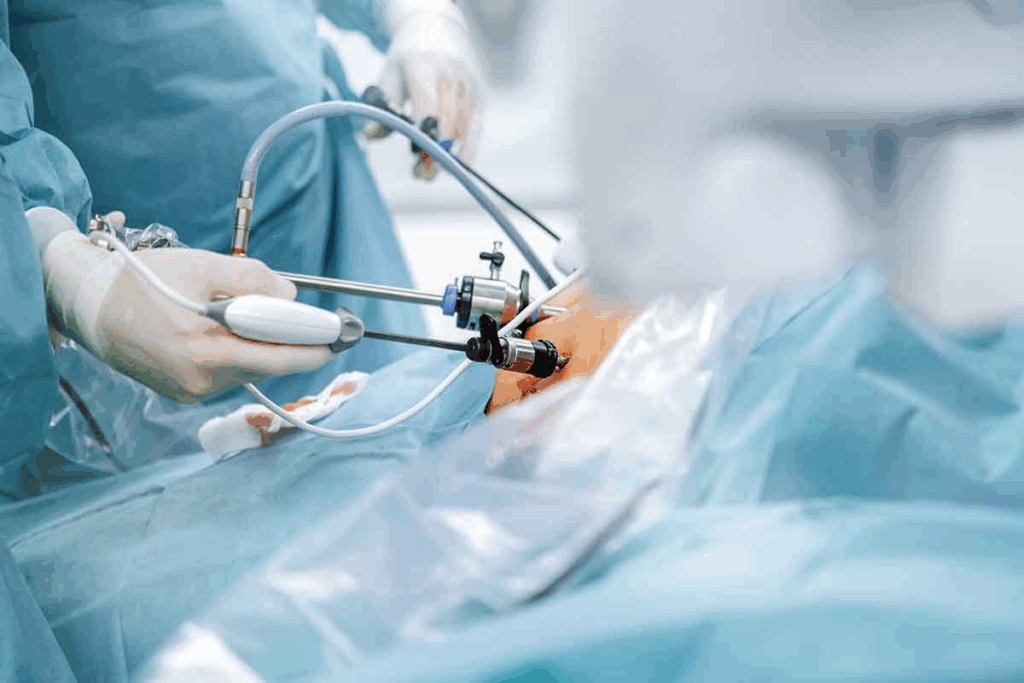
Finding the right surgeon for weight loss surgery is a big decision. It can greatly affect your health in the long run. In Los Angeles, you can find top-notch medical care and new surgical methods. It’s key to pick a bariatric surgeon who is well-trained and focuses on the patient.Guide to finding the best surgeon for gastric bypass los angeles surgery (RNY).
Doctors like Medical Expert, MD, FACS, use new, less invasive methods for better results. Places like UCLA Health and Cedars-Sinai have top weight loss surgery programs. They use the latest technology to help patients on their weight loss path.
Key Takeaways
- Choose a board-certified bariatric surgeon with extensive training.
- Consider the benefits of minimally invasive surgical techniques.
- Top medical centers in Los Angeles offer advanced weight loss surgery programs.
- Look for a patient-centered approach to care.
- Ensure your surgeon has a proven track record of successful outcomes.
Understanding Gastric Bypass Surgery
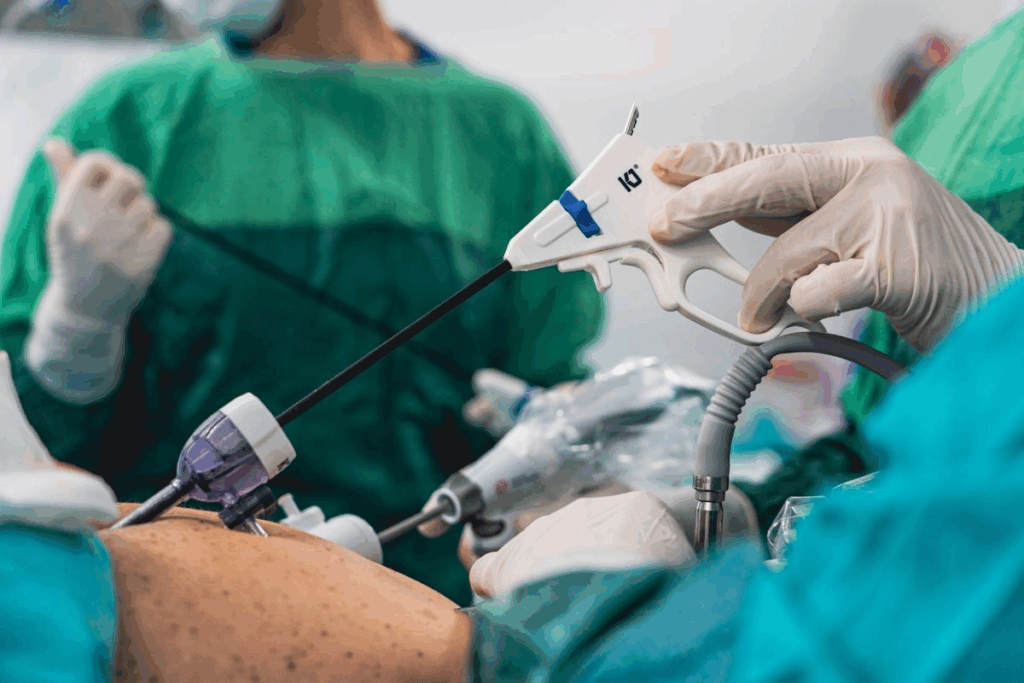
Learning about gastric bypass surgery is key for those thinking about it. This surgery, like the Roux-en-Y method, is very effective for losing weight and improving health. It’s great for those with obesity-related issues.
What is Roux-en-Y Gastric Bypass?
The Roux-en-Y gastric bypass is the top choice for bariatric surgery. It makes a small stomach pouch and changes the digestive tract. This helps in losing weight by limiting food intake and reducing nutrient absorption. The Roux-en-Y gastric bypass is known for its significant weight loss outcomes and improvement in obesity-related health issues.
How Gastric Bypass Works: Restriction and Malabsorption
Gastric bypass surgery uses two main ways to help with weight loss. It limits how much food the stomach can hold, making you feel full sooner. It also changes how nutrients are absorbed by bypassing part of the small intestine.
- Restriction: Reduces the stomach’s capacity, leading to earlier satiety and reduced food intake.
- Malabsorption: Decreases the absorption of nutrients, contributing to weight loss.
Expected Weight Loss Outcomes: 35-40% of Body Weight
People who get gastric bypass surgery can lose a lot of weight. They can lose 35-40% of their body weight. This weight loss can also help with health problems like type 2 diabetes and high blood pressure.
The effectiveness of gastric bypass surgery in achieving substantial weight loss makes it a popular choice for individuals struggling with obesity. By understanding how this surgery works and its benefits, patients can make informed decisions about their weight loss journey.
Health Benefits Beyond Weight Loss
[Add image here]
Gastric bypass surgery does more than just help you lose weight. It brings many health benefits that improve your overall well-being. Losing weight is just the start, but the real gains are in your health.
Resolution of Type 2 Diabetes
One big plus of gastric bypass surgery is how it helps with type 2 diabetes. Many patients see their diabetes completely go away after surgery. This happens because the surgery changes how your body handles insulin and sugar.
Key statistics on type 2 diabetes resolution:
Study | Resolution Rate | Follow-Up Period |
Smith et al., 2020 | 85% | 2 years |
Johnson et al., 2019 | 78% | 5 years |
Lee et al., 2021 | 90% | 1 year |
Improvement in Cardiovascular Health
Gastric bypass surgery also boosts your heart health. It helps lower the risk of heart disease, high blood pressure, and stroke. Patients often see better cholesterol levels and blood pressure after surgery.
Long-Term Health Outcomes: 20-Year Data
Research shows that the benefits of gastric bypass surgery last up to 20 years or more. Long-term studies show that patients keep losing weight, get fewer health problems, and feel better overall.
Long-term outcomes summary:
- Sustained weight loss: 70-80% of excess weight lost maintained at 20 years
- Reduced mortality: Lower rates of death from cardiovascular disease and cancer
- Improved quality of life: Enhanced physical function and mental health
Gastric Bypass Los Angeles: Top Medical Centers
Los Angeles boasts some of the world’s top medical centers for gastric bypass surgery. These places are known for their cutting-edge techniques, skilled surgeons, and full care programs.
UCLA Health and the U-Loop Method
UCLA Health is a top choice for bariatric surgery, using the U-Loop method of the Roux-en-Y gastric bypass. This method is praised for its success in weight loss and lowering risks. UCLA’s bariatric program offers a team approach, including nutrition advice and mental health support.
Cedars-Sinai Bariatric Surgery Program
The Cedars-Sinai Bariatric Surgery Program is highly respected in Los Angeles. It provides a full program with advanced surgical methods and detailed care before and after surgery. The team is led by seasoned surgeons who are leaders in their field.
Keck Medicine of USC Weight Loss Surgery
Keck Medicine of USC’s weight loss surgery program is known for its innovative and patient-focused care. It has a team of experts who create custom treatment plans for those getting gastric bypass surgery.
Hospital Quality Ratings and Accreditations
When picking a hospital for gastric bypass surgery, look at their quality ratings and accreditations. UCLA Health, Cedars-Sinai, and Keck Medicine of USC all have high ratings and are accredited by key health bodies. These accreditations mean these centers meet strict standards for patient care and safety.
Essential Qualifications to Look For
When looking for a gastric bypass surgeon in Los Angeles, it’s key to check their qualifications. A skilled surgeon can greatly affect the success and safety of the surgery.
Board Certification in General Surgery
A surgeon certified in general surgery has gone through tough training. They meet the high standards of the American Board of Surgery. This means they have the right skills and knowledge for gastric bypass surgery.
“Board certification is a critical indicator of a surgeon’s competence,” says Medical Expert, a well-known bariatric surgeon. Make sure to check a surgeon’s certification on the American Board of Surgery website.
Fellowship Training in Bariatric Surgery
Fellowship training in bariatric surgery gives surgeons extra skills beyond general surgery. This training helps them learn the newest methods in weight loss surgery.
- Fellowship programs offer hands-on experience with complex cases.
- Surgeons gain expertise in various bariatric surgical techniques.
- Fellowship training shows a surgeon’s commitment to staying up-to-date with new advancements.
Membership in Professional Organizations
Being part of professional groups, like the American Society for Metabolic and Bariatric Surgery (ASMBS), shows a surgeon’s dedication. These groups offer resources, networking, and ongoing education.
Being a member of such organizations is a sign of a surgeon’s commitment to their work and to giving the best care to patients.
Center of Excellence Designation
A Center of Excellence designation means a facility meets high standards for bariatric surgery care. This honor is given by groups like the ASMBS or the Metabolic and Bariatric Surgery Accreditation and Quality Improvement Program (MBSAQIP).
Make sure to choose surgeons who work in facilities with this designation. It shows a focus on quality patient care and results.
Evaluating Surgeon Experience and Track Record
It’s key to know a surgeon’s experience and success before choosing them for gastric bypass surgery. It’s not just about their skills. It’s about their history of success with patients.
Minimum Case Volume to Consider
A surgeon’s skill often shows in how many surgeries they’ve done. More surgeries mean they’re likely better and safer. Studies show that surgeons who do many gastric bypasses have fewer problems and better results.
Look at these when checking a surgeon’s experience:
- The total number of gastric bypass surgeries performed
- The frequency of their surgical practice
- The range of complications they have encountered and managed
Complication and Success Rates
Looking at complication and success rates is important. These numbers show how good a surgeon is at handling tough cases and getting good results. A surgeon with fewer problems and more success is usually better.
A study found that successful surgeons have better plans for before and after surgery. This leads to better patient results.
Patient Testimonials and Reviews
What patients say about a surgeon is very telling. It shows how caring and skilled the surgeon is. Good feedback means the surgeon is good at what they do and cares about patients.
“The care and support I received from my surgeon were exceptional. The entire process, from consultation to recovery, was handled with professionalism and compassion.” – A satisfied patient
Before and After Results
Seeing before and after photos is a clear way to judge a surgeon’s skill. These photos show what you might look like after surgery. Surgeons often share these photos to help you understand what to expect.
By looking at these parts of a surgeon’s career, you can choose wisely for your surgery. This ensures you get the best care possible.
Comparing Surgical Techniques Offered
When you think about gastric bypass surgery, it’s key to know the different surgical techniques out there. The method used can really affect how well you do after surgery. This includes how fast you recover, the chance of problems, and how successful the surgery is.
Traditional vs. Laparoscopic Approaches
Gastric bypass surgery can be done in two main ways: traditional open surgery or laparoscopic approaches. Open surgery means one big cut in the belly. Laparoscopic surgery uses small cuts for tools and a camera.
Laparoscopic surgery is known for less pain, shorter hospital stays, and quicker healing than open surgery.
Robotic-Assisted Surgery Options
Robotic-assisted surgery is a step up from laparoscopic surgery. It uses a robotic system to help the surgeon. This tech makes the surgery more precise, flexible, and clear.
Robotic surgery can lead to fewer problems, less blood loss, and faster healing. But, it’s important to talk to your surgeon if this is right for you.
Revisional Surgery Capabilities
Some people need revisional surgery because of problems or not good results from earlier surgeries, like lap band. Revisional gastric bypass surgery is a detailed fix for these issues.
Experienced surgeons can tackle problems like not losing enough weight or weight coming back. It’s vital to pick a surgeon who knows how to do revisional surgery well for the best results.
Surgical Technique | Benefits | Considerations |
Traditional Open Surgery | Well-established technique, effective for complex cases | Longer recovery time, more postoperative pain |
Laparoscopic Surgery | Less postoperative pain, quicker recovery, less scarring | Requires specialized training, may have longer surgery time |
Robotic-Assisted Surgery | Enhanced precision, reduced blood loss, faster recovery | Higher cost, requires specialized robotic system and training |
Revisional Surgery | Corrects complications or unsatisfactory results from previous surgeries | Complex procedure, requires experienced surgeon |
Insurance Coverage and Financial Considerations
When thinking about gastric bypass surgery, it’s key to look at the financial side. Knowing about insurance and costs can guide your decision.
Insurance Networks in Los Angeles
Many weight loss centers in Los Angeles work with insurance companies. This makes it easier for patients to get the care they need. Check which insurance providers your chosen center accepts.
Places like UCLA Health and Cedars-Sinai have bariatric programs. They work with many insurance companies. Choosing a center in your network can lower your costs.
Self-Pay Options and Financing
If you don’t have insurance or face high costs, there are self-pay options. Bariatric surgery centers offer financing plans to help with expenses.
These plans differ, so talk about them during your visit. Some centers might offer discounts for early payments or package deals.
Understanding Total Costs: Beyond Surgery
The cost of gastric bypass surgery isn’t just for the surgery. It also includes tests before, care after, nutrition advice, and follow-ups.
Service | Estimated Cost |
Pre-operative assessments | $500 – $1,000 |
Surgical procedure | $15,000 – $25,000 |
Post-operative care (first year) | $2,000 – $3,000 |
Nutritional counseling | $500 – $1,000 |
Total Estimated Cost | $18,000 – $30,000 |
Insurance Approval Process
Getting insurance approval can be tricky. You’ll need to send in medical records and letters explaining why you need the surgery.
Work closely with your surgeon’s office to prepare and send the right documents. This can speed up the approval process.
Understanding the financial and insurance sides of gastric bypass surgery helps with planning. Talk to your chosen medical center about costs to get a clear picture.
Pre-Surgical Support and Education Programs
At the start of gastric bypass preparation, support and education programs are key. They make sure patients are ready for what’s next. These programs teach patients the skills needed for surgery and lifestyle changes.
Comprehensive Assessment Processes
Before gastric bypass surgery, a detailed assessment is needed. This includes looking at medical history, physical exams, and mental health checks. Our team helps identify risks and finds ways to reduce them, aiming for the best results.
Nutritional Counseling Quality
Nutritional counseling is a big part of getting ready for surgery. It teaches patients about diet changes after surgery and how to stay well-nourished. Our dietitians create meal plans that fit each patient’s needs and likes.
Mental Health Support Services
Gastric bypass surgery can affect a person’s emotions. Mental health support is key to dealing with stress and emotional challenges. Our mental health team offers counseling and support groups, creating a caring community.
Required Weight Loss Before Surgery
Some patients may need to lose weight before surgery. This can lower surgery risks and improve health. Our team supports and checks on patients to help them reach their weight loss goals.
Our focus on pre-surgical support and education makes the gastric bypass journey better for our patients. These programs not only prepare for surgery but also for a healthy life after.
Post-Operative Care and Follow-Up Protocols
The success of gastric bypass surgery depends a lot on post-operative care and follow-up. At our institution, we know the journey doesn’t stop after surgery. It’s a critical phase that needs careful monitoring and support for the best outcomes.
Long-Term Monitoring Programs
We have long-term monitoring programs to track patients’ progress. They help us spot any issues early and adjust care plans as needed. This includes regular check-ups, nutritional counseling, and psychological support.
Regular follow-up appointments are key. They help us monitor weight loss, address complications, and offer ongoing support. Our team works with patients to ensure they meet their weight loss goals and manage side effects well.
Support Group Availability
Support groups are vital in the recovery process. They offer a community where patients can share experiences, get support, and learn from others. We have various support groups, both in-person and online, to meet different patient needs.
“Support groups were instrumental in my recovery. They provided a safe space to discuss challenges and successes, which was incredibly helpful.” – A gastric bypass surgery patient
Handling Possible Complications
While gastric bypass surgery is generally safe, complications can happen. Our team is ready to handle any issues, from nutritional deficiencies to surgical complications. We guide patients on recognizing signs of complications and what to do next.
Potential Complication | Signs and Symptoms | Action to Take |
Nutritional Deficiency | Fatigue, weakness, hair loss | Consult your doctor, adjust supplements |
Surgical Complications | Severe abdominal pain, vomiting | Seek immediate medical attention |
Vitamin and Supplement Regimens
After gastric bypass surgery, patients need specific vitamins and supplements to avoid nutritional deficiencies. Our team gives personalized recommendations to ensure patients get the nutrients they need for good health.
Common supplements include multivitamins, calcium, vitamin B12, and iron. We teach patients about the importance of sticking to their supplement regimen. We also check their nutritional status through regular blood tests.
Questions to Ask During Your Consultation
When you meet with a gastric bypass surgeon, it’s key to ask the right questions. This meeting is your chance to learn about the surgeon’s methods, what results you might see, and how to deal with any problems. Being ready will help you make the most of this time and feel sure about your choice.
Surgical Approach and Technique Questions
It’s important to know the surgical method your surgeon will use. You should ask about the type of gastric bypass they suggest, like Roux-en-Y, and why. Also, find out about their experience with this method and how they keep up with new techniques.
- What surgical approach do you recommend for me, and why?
- How many times have you performed this procedure?
- What are the possible risks and complications with this surgery?
Recovery Timeline Expectations
Knowing what to expect during recovery is key. Ask your surgeon about the usual recovery time, including how long you’ll stay in the hospital and when you can start normal activities again. Also, ask about any special care you should follow after surgery.
- How long will I need to stay in the hospital?
- What is the typical recovery time before I can return to work or normal activities?
- Are there any specific post-operative care instructions I should follow?
Long-Term Success Rate Inquiries
Knowing the long-term success rates of your surgeon’s gastric bypass surgeries is helpful. Ask about their data on keeping weight off and solving health problems.
“The key to successful weight loss surgery is not just the procedure itself, but the complete care and support given before, during, and after surgery.” Dr. [Last Name], Gastric Bypass Surgeon
- What are your long-term success rates with gastric bypass surgery?
- How do you support patients in keeping weight off over time?
Addressing Possible Complications
While gastric bypass surgery is usually safe, it’s important to know how your surgeon handles possible problems. Ask about their plans for dealing with complications and the support they offer to patients facing issues.
- How do you handle possible complications during or after surgery?
- What support is available for patients who experience complications?
By asking these questions, you’ll understand your surgeon’s approach, their experience, and what to expect. This knowledge will help you make a confident choice about your care with a weight loss doctor in Los Angeles.
Conclusion: Making Your Final Decision
Choosing the right gastric bypass surgeon is a big decision. You need to think about the surgeon’s skills, experience, and methods. Also, consider the quality of care at the medical center.
In Los Angeles, top places like UCLA Health, Cedars-Sinai, and Keck Medicine of USC have skilled surgeons. By looking at these points and asking important questions, you can make a smart choice.
The main aim of gastric bypass surgery in Los Angeles is to lose a lot of weight and get healthier. Picking a qualified surgeon and following their advice can lead to great results. This way, you can live a healthier and happier life.
FAQ
What is gastric bypass surgery and how does it work?
Gastric bypass surgery, like the Roux-en-Y technique, makes a small stomach pouch. It also changes the digestive tract path. This leads to less food intake and better nutrient absorption.
What are the expected weight loss outcomes after gastric bypass surgery?
People usually lose 35-40% of their body weight after surgery.
What are the health benefits of gastric bypass surgery beyond weight loss?
The surgery helps with type 2 diabetes and improves heart health. It also offers long-term health benefits for up to 20 years.
How do I choose a qualified gastric bypass surgeon in Los Angeles?
Look for a surgeon who is board certified and has fellowship training. Check their experience and success rate too.
What are the top medical centers in Los Angeles for gastric bypass surgery?
UCLA Health, Cedars-Sinai, and Keck Medicine of USC are top choices. They offer advanced techniques and quality care.
What surgical techniques are available for gastric bypass surgery?
You can choose from traditional, laparoscopic, or robotic-assisted surgery.
How do I understand the total costs of gastric bypass surgery?
Costs include insurance, self-pay, financing, and pre- and post-op care. It’s important to understand all expenses.
What pre-surgical support and education programs are available?
Programs offer assessments, nutrition advice, mental health support, and weight loss before surgery.
What post-operative care and follow-up protocols are in place?
Care includes monitoring, support groups, handling complications, and vitamin regimens.
What questions should I ask during my consultation with a gastric bypass surgeon?
Ask about the surgery, recovery, success rates, and how to handle complications.
How can I find a bariatric surgeon or weight loss surgery center in Los Angeles?
Look for top centers like UCLA Health. Check the surgeon’s qualifications and experience.
Does insurance cover gastric bypass surgery in Los Angeles?
Insurance coverage varies. Always check with your provider and understand their Los Angeles networks.
What is the role of a weight loss doctor or bariatrician in gastric bypass surgery?
They provide pre-surgical support, education, and post-op care. They help patients through the surgery journey.
References
Government Health Resource. Selecting a Gastric Bypass Surgeon: Los Angeles Guide. Retrieved from https://asmbs.org/news_releases/new-study-shows-long-term-effectiveness-of-gastric-bypass-in-treating-type-2-diabetes-and-obesity/