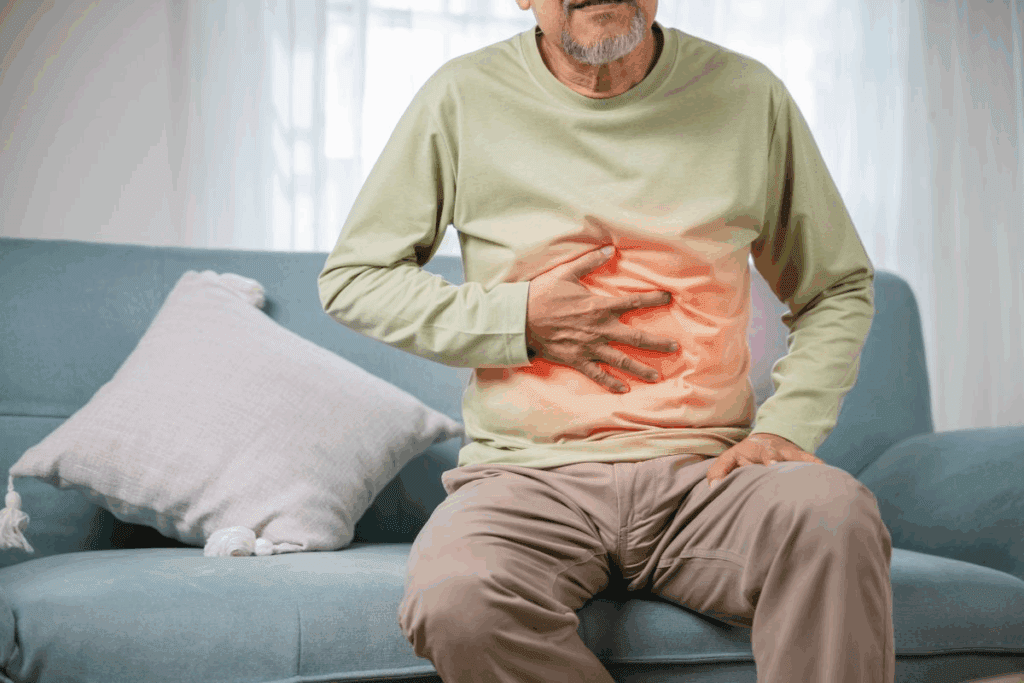
Feeling stomach pain after gastric bypass surgery can worry you and slow down your recovery. At Liv Hospital, we know how important it is to find and treat problems right away. This helps you feel better and get back to your life.
Gastric bypass surgery makes your stomach smaller, like an egg, so you feel full with less food. It also changes how food moves through your body. This helps patients lose a lot of weight and improve their health. But, about half of all patients have abdominal discomfort after surgery.
Knowing why you have stomach pain is key to fixing it. We will talk about the five main reasons for stomach pain after gastric bypass surgery. This will help us dive deeper into each cause in the next sections.
5 common reasons why the gastric bypass patient stomach hurts after eating something.
Key Takeaways
- Gastric bypass surgery can lead to stomach pain in some patients.
- Abdominal discomfort accounts for a significant portion of post-operative complaints.
- Understanding the causes of stomach pain is important for managing it well.
- Liv Hospital is dedicated to giving full care for post-surgery problems.
- Finding the right diagnosis is key to treating stomach pain after gastric bypass surgery.
Understanding Gastric Bypass Surgery and Post-Operative Pain
It’s important for patients to understand gastric bypass surgery to recover well. This surgery makes a small pouch from the stomach and connects it to the small intestine. It changes how the body absorbs food and nutrients.
What is Gastric Bypass Surgery?
Gastric bypass surgery helps people lose weight by making the stomach smaller. It limits how much food you can eat. It also reduces nutrient absorption, leading to weight loss.
The American Society for Metabolic and Bariatric Surgery says it’s a very effective way to lose weight. But, it’s important to know it can have complications and challenges after surgery.
Prevalence of Abdominal Pain After Surgery
Many patients experience abdominal pain after gastric bypass surgery. This pain can be caused by many things, like eating habits or serious issues like internal hernias.
A study in the Journal of the American Medical Association found complications like dumping syndrome and vitamin deficiencies can cause pain. Knowing these can help manage pain better.
Patients should know about stomach pain causes after surgery. These include eating habits, dumping syndrome, and other serious issues. Knowing these can help patients take steps to feel better and improve their life.
The Importance of Recognizing Post-Surgical Stomach Pain
Gastric bypass patients need to know the difference between normal and abnormal stomach pain after surgery. It’s key to spot these differences to get the right medical help when needed. We’ll look at how to tell normal from abnormal pain and how it can affect a patient’s life.
Normal vs. Abnormal Pain After Gastric Bypass
Some discomfort is okay after gastric bypass surgery. But, it’s important to tell normal pain from abnormal pain. Normal pain is usually mild and might feel like the surgical area or changes in eating habits. Abnormal pain is severe, lasts a long time, or comes with other bad signs like vomiting, fever, or dehydration.
Dumping syndrome symptoms can start fast after eating. They include bloating, nausea, vomiting, stomach cramps, diarrhea, flushing, dizziness, or a fast heart rate. These are not normal and need doctor’s help.
Impact on Quality of Life
Abnormal stomach pain after surgery can really hurt a patient’s quality of life. It can make daily tasks hard, affect how much you eat, and cause emotional problems. It’s important for patients to watch their symptoms and talk to their doctors to fix any problems fast.
The effects on quality of life are seen in many ways:
- Dietary Restrictions: Patients might have to change their diet a lot to manage pain.
- Physical Activity: Pain can stop you from doing physical things, which is bad for your health.
- Emotional Well-being: Long-term pain can cause anxiety, depression, and other mental health issues.
Cause #1: Maladaptive Eating Behaviors
Eating habits are key after gastric bypass surgery. Maladaptive behaviors can cause stomach pain. The digestive system changes a lot after surgery, affecting digestion and food absorption.
How Eating Habits Affect Your New Stomach Pouch
Having a smaller stomach can cause discomfort if you don’t change how you eat. It’s important to learn new eating techniques and control portions. This helps avoid problems like pouch distension and stomach pain.
Recognizing Pouch Distension Symptoms
Pouch distension happens when the stomach pouch gets too full. It’s often caused by eating too much or too fast. Symptoms include severe abdominal pain, nausea, and vomiting. It’s important to notice these signs early to avoid more serious issues.
| Symptom | Description | Action |
|---|---|---|
| Severe Abdominal Pain | Pain that is intense and unbearable | Seek medical attention |
| Nausea and Vomiting | Feeling queasy or vomiting after eating | Adjust eating habits, consider smaller meals |
Timeline for Adaptation and Improvement
It takes several weeks to a few months to get used to new eating habits. During this time, it’s important to monitor your body’s response to different foods and eating patterns. Keeping a food diary can help spot what causes discomfort.
By understanding and adjusting to these changes, patients can reduce stomach pain and improve their life after gastric bypass surgery.
When a Gastric Bypass Patient’s Stomach Hurts After Eating Something
After gastric bypass surgery, patients often feel stomach pain from certain foods or eating habits. Understanding common triggers and making adjustments can help manage this discomfort.
Common Food Triggers
Certain foods can cause stomach pain after gastric bypass surgery. These include dairy products, beans, and high-sugar foods. Dairy products can be hard to digest because of lactose intolerance, which is common after surgery. Beans and legumes can cause gas and discomfort. High-sugar foods can lead to dumping syndrome, a condition where food moves too quickly through the stomach.
Patients should keep a food diary to track which foods cause discomfort. This helps identify personal triggers and guides dietary choices.
Portion Size Considerations
Eating large portions can put pressure on the stomach pouch, leading to discomfort. It’s important to eat smaller, more frequent meals to avoid overloading the pouch. Aim for nutrient-dense foods like lean proteins, fruits, and vegetables that are easy to digest.
Eating Technique Adjustments
The way patients eat can also impact their comfort level. Eating slowly and chewing food thoroughly can help reduce discomfort. It’s also best to avoid drinking liquids during meals to prevent pouch distension. Instead, drink liquids between meals.
By adjusting eating habits, patients can reduce stomach pain after eating. This makes for a more comfortable post-operative experience.
Cause #2: Dumping Syndrome
Dumping syndrome affects 20-50% of gastric bypass patients. It happens when food quickly moves into the small intestine. This leads to various symptoms in the stomach and intestines.
Mechanism and Prevalence
Dumping syndrome happens when food, like sweets, moves too fast from the stomach to the small intestine. This fast movement causes symptoms because of the sudden change in fluids and hormones.
About 20-50% of gastric bypass patients get dumping syndrome. The exact number varies because of different surgeries, patients, and how symptoms are checked.
Early vs. Late Dumping Syndrome
Dumping syndrome has two types: early and late. Early dumping starts within 30 minutes to 1 hour after eating. It causes nausea, vomiting, stomach pain, diarrhea, and flushing.
Late dumping happens 1-3 hours after eating. It leads to low blood sugar because of too much insulin. Symptoms include dizziness, sweating, confusion, and weakness.
Diarrhea and Other Gastrointestinal Symptoms
Diarrhea is a common symptom of dumping syndrome. It’s caused by food moving too fast into the small intestine. Other symptoms include stomach pain, bloating, and gas.
To manage these symptoms, patients can try eating smaller meals, avoiding sweets, and eating more protein and fiber. Understanding dumping syndrome helps patients and doctors find ways to improve life after gastric bypass surgery.
Cause #3: Internal Hernias
After gastric bypass surgery, internal hernias can be a serious issue. They happen when part of the intestine bulges through a weak spot in the belly wall. This can cut off blood flow to the intestine.
Understanding This Serious Complication
Internal hernias are a big worry after gastric bypass surgery. They can happen in 1 to 9 percent of patients. If not treated quickly, they can cause serious problems.
“Internal hernias are a potentially life-threatening complication that requires a high index of suspicion for diagnosis,” say doctors. Knowing the risk factors and symptoms is key for early treatment.
Risk Factors and Timing
The risk of internal hernias is highest in the first few years after surgery. This usually happens between 2 to 3 years after. The type of surgery and the patient’s body shape can increase this risk.
- Surgical technique: Some methods are more likely to cause internal hernias.
- Patient anatomy: How the intestines are arranged can make hernias more likely.
Warning Signs Requiring Immediate Attention
It’s important for patients to know the signs of internal hernias. Look out for severe belly pain, nausea, vomiting, and constipation. If these symptoms happen suddenly and are very bad, get medical help right away.
Symptoms to watch for:
- Severe abdominal pain
- Nausea and vomiting
- Constipation or obstipation
- Abdominal tenderness
Quick action is needed to treat internal hernias. This can prevent serious problems like bowel ischemia and necrosis. If you have these symptoms, call your doctor without delay.
Cause #4: Marginal Ulcers
Marginal ulcers are a big problem for some people after gastric bypass surgery. They happen at the edge of the stomach pouch and the intestine. This can affect a lot of patients.
Development and Prevalence
About 2 to 15 percent of gastric bypass patients get marginal ulcers. They can show up at any time after surgery. Many things can cause these ulcers, like how the surgery is done and how well the patient recovers.
Risk Factors for Ulcer Formation
Several things can make marginal ulcers more likely. These include:
- Smoking: Smoking hurts healing and cuts off blood flow to the stomach.
- Certain medications: NSAIDs can make the stomach lining sore and raise the risk of ulcers.
- Other factors: Stress, infections, and not eating well can also lead to marginal ulcers.
Symptoms and Diagnosis
The signs of marginal ulcers can be different for everyone. They often include stomach pain, nausea, and vomiting. Doctors usually use endoscopy to find these ulcers. This is when they use a flexible tube with a camera to look inside the stomach and intestine.
| Symptoms | Diagnostic Methods | Treatment Approaches |
|---|---|---|
| Stomach pain, nausea, vomiting | Endoscopy, imaging studies | Medications to reduce acid, lifestyle changes |
| Abdominal tenderness, loss of appetite | Endoscopy, biopsy | Antacids, histamine-2 (H2) blockers, proton pump inhibitors (PPIs) |
It’s important to know about marginal ulcers to manage them well. By spotting the risk factors and symptoms early, doctors can treat them quickly. This helps patients live better lives.
Cause #5: Gallstone Formation and Biliary Issues
Rapid weight loss after gastric bypass surgery can increase the risk of gallstones. These are hard, pebble-like pieces that form in the gallbladder. They often happen because of changes in bile composition.
The Link Between Weight Loss and Gallstone Development
Significant weight loss, and rapid weight loss in particular, can raise the risk of gallstones. This is because the body can’t release bile into the intestine as well. This leads to a higher concentration of cholesterol in the bile, which can form stones.
Studies show that patients who have gastric bypass surgery are at a higher risk of gallstones. The exact reason is not known. But it’s thought that the rapid weight loss and changes in diet and eating habits play a role.
Distinguishing Biliary Pain from Other Causes
Biliary pain, often linked to gallstones, can be hard to tell apart from other abdominal pain after gastric bypass surgery. It usually feels like a sharp or stabbing pain in the right upper abdomen. This pain may also spread to the right shoulder or back.
To figure out if someone has biliary pain, doctors use a few methods. They might do an ultrasound, check liver function, and look at bile composition. If symptoms don’t get better or get worse, it’s important to see a doctor.
Treatment Approaches
Managing gallstones and biliary issues after gastric bypass surgery involves several steps. First, doctors might focus on easing symptoms and preventing more gallstones. This could include dietary changes and medication.
If gallstones keep causing problems, surgery might be needed. Removing the gallbladder (cholecystectomy) is often done laparoscopically. This method is less invasive and helps with recovery.
Dealing with gallstones and biliary issues can be tough. But with the right treatment, it’s possible to manage symptoms and improve life after gastric bypass surgery.
Persistent Symptoms: Stomach Pain and Diarrhea After Gastric Bypass
Stomach pain and diarrhea can affect patients after gastric bypass surgery. These symptoms can impact their quality of life. Gastric bypass surgery is effective for weight loss, but some patients face ongoing gastrointestinal issues.
Chronic Diarrhea Following Surgery
Chronic diarrhea is common after gastric bypass surgery. It can come from changes in the digestive system. Diarrhea lasting more than a few months may signal a need for medical help.
Factors like food intolerances, bacterial overgrowth, or malabsorption can cause chronic diarrhea. To manage it, patients might need to avoid certain foods and eat smaller meals more often. Sometimes, medication is prescribed to control symptoms.
Malabsorption Issues and Symptoms
Gastric bypass surgery can lead to malabsorption of nutrients. Malabsorption can cause health problems like fatigue, weakness, and neurological issues. It also leads to gastrointestinal symptoms like diarrhea.
To deal with malabsorption, patients must follow a strict diet and take supplements. Regular check-ups with a healthcare provider are key to monitoring nutritional levels and adjusting treatment plans.
When Symptoms Persist Beyond the First Year
Some gastrointestinal symptoms are normal after gastric bypass surgery. But symptoms lasting beyond a year are a concern. Patients with ongoing stomach pain, diarrhea, or other symptoms should see their healthcare provider. Possible causes include surgery complications or unrelated health issues.
A healthcare provider must evaluate persistent symptoms to find the cause. This might involve tests, dietary changes, medication, or other treatments. The goal is to tailor the treatment to the patient’s specific needs.
When to Seek Medical Attention for Post-Gastric Bypass Pain
Knowing when normal pain turns into something serious is important for those who have had gastric bypass surgery. Some pain is normal after surgery. But, some symptoms need quick medical help.
Red Flag Symptoms
It’s important to know the red flag symptoms that mean you need to see a doctor right away. These include very bad stomach pain, throwing up blood, not being able to keep fluids down, and a fever over 101.5°F (38.6°C). If you see any of these, get help fast.
Emergency vs. Non-Emergency Situations
Telling if you need emergency care or not can be hard. Emergency situations include pain that doesn’t go away with medicine, trouble breathing, or very bad chest pain. If you have pain that’s hard to handle or small stomach problems, talk to your doctor at your next visit.
How to Communicate Effectively With Your Healthcare Provider
Talking well with your doctor is key to getting the right care. Tell them about your symptoms, when they started, how bad they are, and what makes them better or worse. Keeping a journal of your symptoms can help. And don’t be afraid to ask questions about your health or treatment.
By knowing the red flag symptoms, understanding when to call for emergency care, and talking well with your doctor, you can get the care you need after gastric bypass surgery.
Conclusion: Living Comfortably After Gastric Bypass Surgery
After gastric bypass surgery, many patients see big weight loss and health gains. But, it’s key to handle stomach pain and other issues for lasting success. We’ve talked about the main reasons for stomach pain after surgery, like bad eating habits and ulcers.
To live well after surgery, you need to change your diet and lifestyle. Knowing why stomach pain happens and how to deal with it helps a lot. This means watching what you eat, changing your eating habits, and seeing your doctor often.
Good care after surgery is a team effort between you and your doctors. Working together helps avoid problems and makes sure you get the most from your surgery. With the right care, you can handle stomach pain and live a healthier, more comfortable life.
FAQ
What are the common causes of stomach pain after gastric bypass surgery?
Stomach pain after gastric bypass surgery can come from several sources. These include eating habits that don’t adapt well, dumping syndrome, and internal hernias. Other causes are marginal ulcers and gallstones.
How can I manage stomach pain after gastric bypass surgery?
To manage stomach pain, start by changing how you eat. Avoid foods that can trigger pain. Also, adjust the size of your meals and how you eat them.
Understanding and managing conditions like dumping syndrome and internal hernias can also help. This can reduce stomach pain.
What is dumping syndrome, and how is it related to gastric bypass surgery?
Dumping syndrome happens when food moves too quickly through the stomach. It affects 20-50% of gastric bypass patients. Symptoms include diarrhea, pain, and nausea.
Changing your diet can help manage dumping syndrome.
How can I distinguish between normal and abnormal pain after gastric bypass surgery?
Normal pain after surgery is usually mild and short-lived. But, abnormal pain is severe and lasts longer. It might also come with vomiting or dehydration signs.
If you’re unsure, it’s best to talk to your doctor.
What are the signs of internal hernias after gastric bypass surgery?
Internal hernias can happen in 1-9% of patients, usually within 2-3 years. Look out for severe pain, vomiting, and constipation. These are warning signs that need immediate medical help.
Can certain foods trigger stomach pain after gastric bypass surgery?
Yes, some foods can cause stomach pain. Foods high in sugar, fat, or spice are common culprits. Changing your diet can help reduce discomfort.
How can I manage diarrhea after gastric bypass surgery?
To manage diarrhea, avoid foods that trigger it. Eat smaller meals and adjust how you eat. Sometimes, your doctor might recommend medication or supplements.
What are the symptoms of marginal ulcers after gastric bypass surgery?
Marginal ulcers can cause pain, nausea, and vomiting in 2-15% of patients. Knowing the symptoms and risk factors can help with early diagnosis and treatment.
How is gallstone formation related to weight loss after gastric bypass surgery?
Fast weight loss can increase gallstone risk. Recognizing biliary pain signs is important for timely treatment.
When should I seek medical attention for post-gastric bypass pain?
Seek immediate medical help for severe pain, vomiting, or dehydration signs. Good communication with your doctor is key for proper care.
Can stomach pain after gastric bypass surgery be a sign of a serious complication?
Yes, pain can signal serious issues like internal hernias or marginal ulcers. Being aware of warning signs and seeking help is vital.
How can I live comfortably after gastric bypass surgery?
For comfort, make dietary and lifestyle changes. Understanding complications and managing them can improve your life quality post-surgery.
What is the prevalence of abdominal pain after gastric bypass surgery?
Abdominal pain is a common issue after surgery. Its frequency varies based on individual factors and surgery type.
How can I adjust my eating habits to minimize stomach pain after gastric bypass surgery?
Eat smaller, more frequent meals and avoid trigger foods. Adjusting your eating technique can also help reduce pain.
What are the implications of persistent symptoms after gastric bypass surgery?
Persistent symptoms like pain and diarrhea might indicate malabsorption or chronic diarrhea. Understanding causes and seeking medical help is important for effective management.
References
Renault, M., & et al. (2025). Long-term natural history of degenerative lumbar spinal stenosis: Clinical deterioration and risk factors over a 10-year follow-up. European Spine Journal.https://pubmed.ncbi.nlm.nih.gov/40939213/