

Nearly 250,000 adults in the United States undergo bariatric surgery every year, with many seeking to understand the recovery process and timeline.The ultimate gastric bypass recovery timeline. Get our expert guide on the critical milestones, from the hospital stay to returning to work.
We recognize that post-surgery recovery is a critical phase that requires careful planning and preparation. Recovery time for this significant procedure varies among individuals, typically requiring several weeks to months for full recovery.
The emotional and psychological aspects of recovery are vital for achieving overall success after surgery.
Key Takeaways
- Recovery time varies among individuals undergoing bariatric surgery.
- The post-surgery recovery process typically takes several weeks to months.
- The emotional and psychological aspects of recovery are vital for achieving overall success after surgery.
- A personalized recovery plan is essential for a smooth and effective recovery.
- Our team provides comprehensive support throughout the recovery process.
Understanding Gastric Bypass Surgery
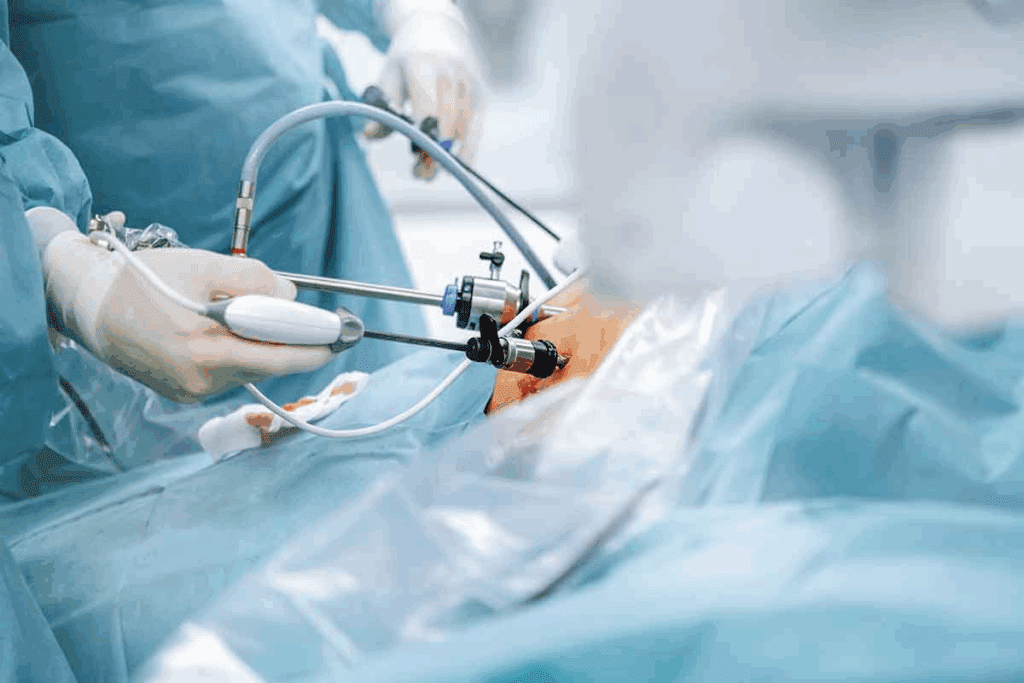
For individuals struggling with obesity, gastric bypass surgery offers a potentially life-changing solution. We understand that considering such a significant procedure can be daunting, and it’s essential to have a comprehensive understanding of what it entails.
Overview of the Procedure
Gastric bypass surgery, also known as Roux-en-Y gastric bypass, is a surgical procedure that involves creating a small stomach pouch and re-routing the small intestine. This operation is performed to help individuals lose weight by reducing the size of the stomach, thus limiting food intake, and by altering the path of the intestines, which can affect nutrient absorption.
As experts in bariatric surgery, we emphasize that this procedure is not just about reducing stomach size; it’s a complex operation that requires careful consideration and planning. The goal is not only to facilitate weight loss but also to improve overall health and well-being.
Types of Gastric Bypass
There are different approaches to gastric bypass surgery, including laparoscopic and open surgery. Laparoscopic surgery involves making several small incisions through which surgical instruments and a camera are inserted, allowing the surgeon to perform the operation with minimal invasion. Open surgery, on the other hand, requires a larger incision in the abdomen to access the stomach and intestines directly.
Our team is experienced in both laparoscopic and open gastric bypass procedures, ensuring that patients receive the most appropriate care based on their individual needs. The choice between these methods depends on various factors, including the patient’s overall health and the surgeon’s professional judgment.
The Roux-en-Y gastric bypass is the most common type of gastric bypass surgery. It involves creating a small pouch from the stomach and connecting it directly to the small intestine. This procedure not only restricts the amount of food that can be consumed but also reduces the absorption of nutrients.
“Gastric bypass surgery has been a game-changer for many individuals struggling with obesity. It’s a complex procedure, but with the right support and care, the outcomes can be truly life-changing.”
— Expert in Bariatric Surgery
As with any major surgery, gastric bypass surgery comes with its benefits and risks. Benefits include significant weight loss and improvement in obesity-related health conditions. However, risks can include complications during surgery, nutritional deficiencies, and the potential for band erosion or ulceration.
- Significant weight loss
- Improvement in obesity-related health conditions
- Potential complications during surgery
- Nutritional deficiencies
We are committed to providing comprehensive care and support throughout the gastric bypass surgery process, ensuring that our patients are well-informed and prepared for the journey ahead.
Immediate Post-Operative Care
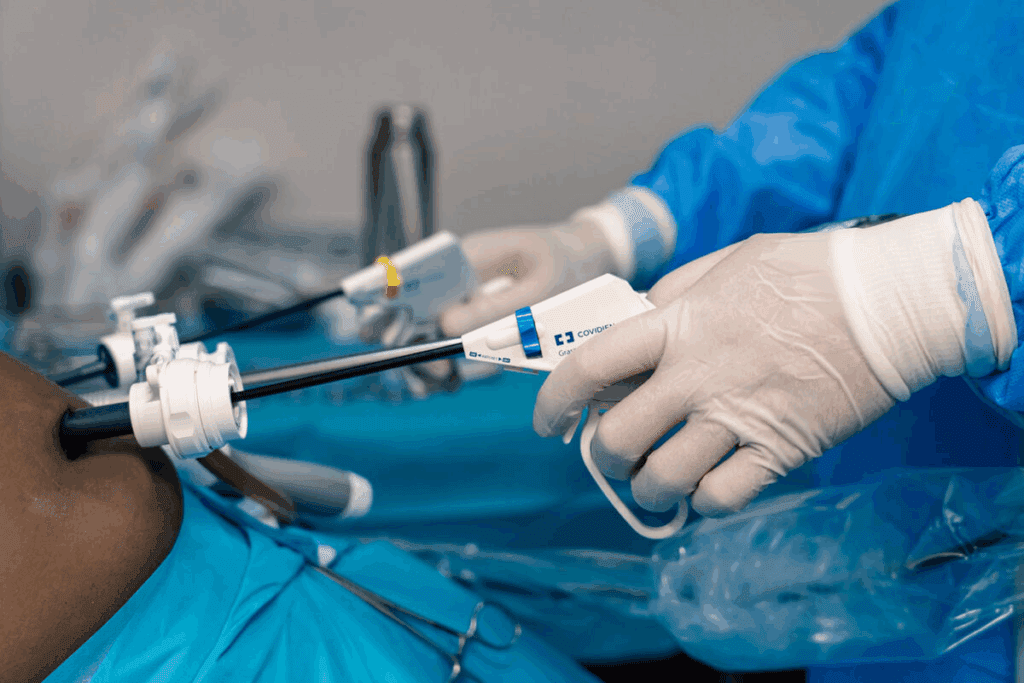
The immediate post-operative care period is crucial for patients who have undergone gastric bypass surgery, as it sets the stage for a successful recovery.
Hospital Stay Duration
After gastric bypass surgery, patients typically stay in the hospital for 1 to 2 days. During this time, our medical staff closely monitor their recovery, manage pain effectively, and watch for any signs of complications.
Monitoring Recovery After Surgery
Monitoring recovery after gastric bypass surgery involves several key components. Our healthcare team checks for vital signs, manages pain, and monitors for potential complications such as bleeding, infection, or respiratory issues.
| Monitoring Aspect | Description | Importance |
| Vital Signs | Checking blood pressure, heart rate, and oxygen saturation | Ensures overall health and detects any immediate post-surgical complications |
| Pain Management | Administering appropriate pain relief medication | Critical for patient comfort and reducing stress |
| Complication Surveillance | Monitoring for signs of bleeding, infection, or other complications | Essential for early detection and intervention |
Effective post-operative care is not just about managing the immediate aftermath of surgery; it’s about laying the groundwork for a successful long-term outcome. As emphasized by medical professionals,
“The quality of post-operative care can significantly influence a patient’s recovery trajectory and overall satisfaction with their surgical experience.”
By focusing on comprehensive post-operative care, we ensure that our patients receive the support they need during this critical period, enhancing their overall recovery experience.
Initial Recovery Phase
After undergoing gastric bypass surgery, patients enter a crucial recovery phase that demands attention to rest, hydration, and dietary changes. This period is vital for ensuring a smooth transition towards long-term weight loss and overall health improvement.
Timeline for Resuming Daily Activities
The timeline for resuming daily activities varies among individuals, depending on their overall health, the complexity of the surgery, and how well they follow post-operative instructions. Generally, patients can start with light activities within a few days post-surgery.
Importance of Rest and Hydration
Rest and hydration are critical components of the recovery process. Adequate rest allows the body to heal, while proper hydration helps prevent complications such as dehydration and supports overall bodily functions.
| Activity | Recommended Timing | Notes |
| Light Stretching | 1-3 days post-surgery | Gentle movements to prevent stiffness |
| Short Walks | 2-5 days post-surgery | Gradually increase duration and frequency |
| Return to Work | 2-6 weeks post-surgery | Depends on job requirements and individual recovery |
| Driving | 1-2 weeks post-surgery | Ensure comfort and ability to react quickly |
Dietary Changes During Recovery
The recovery period following gastric bypass surgery involves significant dietary changes to facilitate healing and minimize complications. As we guide you through this critical phase, it’s essential to understand the progression of your diet and the foods that should be avoided to ensure a successful recovery.
Stages of Diet Post-Surgery
After gastric bypass surgery, your diet will progress through several stages, each designed to support your healing and adaptation to the new digestive system.
- Liquid Diet: Initially, you’ll be on a liquid diet, consuming clear broths, electrolyte-rich beverages, and protein shakes. This stage is crucial for allowing your stomach to heal.
- Pureed Diet: As you progress, you’ll move to a pureed diet, which includes foods that are blended to a smooth consistency. This stage helps your stomach adjust to processing food.
- Soft Foods: Gradually, you’ll introduce soft foods into your diet, such as cooked vegetables, fruits, and lean proteins. These foods are easier to digest and help you transition to a more normal eating pattern.
- Solid Foods: Finally, you’ll be able to incorporate solid foods into your diet, though it’s essential to chew your food thoroughly and eat slowly to avoid discomfort and complications.
Foods to Avoid in Recovery
Certain foods can cause discomfort, nutritional deficiencies, or complications such as dumping syndrome. It’s crucial to avoid or limit:
- Sugary Foods and Drinks: High sugar content can lead to dumping syndrome, causing symptoms like nausea, diarrhea, and abdominal cramps.
- High-Fat Foods: Fatty foods can be difficult to digest and may cause discomfort or diarrhea.
- Tough or Dry Foods: Foods that are tough or dry can be challenging to chew and swallow, potentially causing obstruction or discomfort.
- Caffeine and Carbonated Drinks: These can irritate the stomach, leading to discomfort or complications.
By understanding and adhering to these dietary guidelines, you can minimize the risk of complications and support your overall recovery and well-being after gastric bypass surgery.
Managing Pain and Discomfort
Gastric bypass patients often experience discomfort and pain, making effective pain management essential. As part of our comprehensive care, we guide patients through the recovery process, ensuring they are comfortable and informed about what to expect.
Common Post-Operative Symptoms
After gastric bypass surgery, patients may encounter a range of post-operative symptoms. These can include:
- Pain or discomfort at the surgical site
- Nausea and vomiting
- Fatigue
- Dizziness or lightheadedness
These symptoms are typically temporary and managed with a combination of medication and rest. It’s crucial for patients to follow our post-operative instructions to minimize discomfort and ensure a smooth recovery.
Medication for Pain Management
Pain management is a critical component of post-operative care. We utilize a range of pain medication options to cater to individual patient needs. The type and dosage of medication are determined based on the patient’s overall health, the extent of the surgery, and their pain tolerance.
Our team closely monitors patients’ response to pain medication, adjusting as necessary to ensure optimal comfort. In addition to traditional pain medication, we also consider alternative therapies that can complement bariatric recovery, such as relaxation techniques and physical therapy, to promote overall well-being.
The emotional and psychological aspects of recovery are vital for achieving overall success after surgery.
The emotional and psychological aspects of recovery are vital for achieving overall success after surgery.
The emotional and psychological aspects of recovery are vital for achieving overall success after surgery.
The emotional and psychological aspects of recovery are vital for achieving overall success after surgery. It involves coping with the stress of the operation, adjusting to new dietary habits, and dealing with the emotional challenges that come with significant weight loss.
Mental Health Considerations
Mental health plays a significant role in the recovery process. Patients may experience a range of emotions, from excitement and hope for a new beginning to anxiety and depression. We recognize the importance of addressing these mental health considerations to ensure a smooth and successful recovery.
Some patients may experience body image issues or struggle with the rapid changes in their weight and appearance. Others might deal with the emotional challenge of adjusting to a new lifestyle, including dietary changes and increased physical activity. It’s essential for patients to be aware of these potential challenges and to have a support system in place.
Support Groups and Counseling Options
Support groups and counseling can be invaluable resources for patients undergoing gastric bypass surgery. We recommend that patients consider joining a support group to connect with others who are going through similar experiences. These groups provide a safe space to share feelings, ask questions, and receive support and encouragement.
Counseling or therapy can also be beneficial for patients who need additional support. A professional therapist can help patients work through their emotions, develop coping strategies, and improve their overall mental health and well-being. We encourage patients to explore these options as part of their comprehensive recovery plan.
By focusing on both the physical and emotional aspects of recovery, patients can achieve a more successful and sustainable outcome from their gastric bypass surgery. We are committed to supporting our patients throughout their journey, providing them with the resources and care they need to thrive.
Potential Complications in Recovery
The emotional and psychological aspects of recovery are vital for achieving overall success after surgery.
Recognizing Warning Signs
After gastric bypass surgery, patients should be vigilant about monitoring their health for any signs of complications. Potential complications can include bleeding, infection, and bowel obstruction. Warning signs that something may be wrong include severe abdominal pain, vomiting blood, fever, and difficulty breathing.
It’s essential to recognize these symptoms early to prevent serious health issues. For more detailed information on complications, we recommend visiting .
When to Contact a Healthcare Provider
If you experience any concerning symptoms or warning signs, it’s vital to contact your healthcare provider immediately. Prompt medical attention can significantly improve outcomes in case of complications. Our team is always available to address any concerns or questions you may have during your recovery.
- Severe abdominal pain that doesn’t subside
- Vomiting blood or experiencing persistent nausea
- Fever above 101.5°F (38.6°C)
- Difficulty breathing or rapid heartbeat
Being aware of these potential complications and knowing when to seek help can make a significant difference in your recovery journey.
Follow-Up Appointments
After gastric bypass surgery, patients require ongoing care to ensure a smooth recovery and long-term success. Follow-up appointments are a critical component of post-gastric bypass surgery care, enabling healthcare providers to monitor recovery, address any complications, and make necessary adjustments to the patient’s care plan.
Importance of Regular Check-Ups
Regular check-ups are vital for several reasons. They allow healthcare providers to monitor the patient’s progress, manage any side effects, and provide guidance on dietary and lifestyle changes.
- Monitor nutritional deficiencies
- Adjust dietary plans as necessary
- Address any complications or concerns
Assessments for Long-Term Success
Long-term success after gastric bypass surgery depends on various factors, including adherence to dietary recommendations, regular exercise, and ongoing support.
- Regular weight checks
- Monitoring of overall health improvements
- Adjustments to lifestyle recommendations as needed
| Time Post-Surgery | Purpose of Visit | Typical Procedures |
| 1-2 weeks | Post-operative check-up | Wound check, suture removal, dietary guidance |
| 1 month | Nutritional assessment | Blood work, nutritional counseling |
| 3, 6, 12 months | Ongoing monitoring | Weight check, health assessment, adjustment of care plan |
Long-Term Lifestyle Changes
The emotional and psychological aspects of recovery are vital for achieving overall success after surgery.
Nourishing Your Body: Exercise Recommendations
Regular exercise is a cornerstone of a healthy lifestyle post-gastric bypass surgery. We recommend starting with low-intensity activities such as walking or swimming and gradually increasing the intensity and duration as your body allows. Exercise not only aids in weight loss but also improves overall physical and mental well-being.
- Cardiovascular Exercises: Engage in activities like brisk walking, cycling, or jogging for at least 150 minutes per week.
- Strength Training: Incorporate resistance exercises to build muscle mass, which can help boost metabolism.
- Flexibility and Balance: Include exercises like yoga or Pilates to enhance flexibility and balance.
Maintaining Weight Loss
Maintaining weight loss after gastric bypass surgery involves a combination of dietary changes, regular exercise, and ongoing support. We emphasize the importance of a balanced diet rich in nutrients and low in processed foods and sugars.
| Dietary Component | Recommended Foods | Foods to Avoid |
| Protein | Lean meats, fish, eggs, dairy | Processed meats, high-fat dairy |
| Vegetables | Leafy greens, broccoli, bell peppers | Starchy vegetables like potatoes |
| Fruits | Berries, citrus fruits, apples | Fruits high in sugar like mangoes |
As emphasized by a healthcare professional, “A well-balanced diet coupled with regular physical activity is key to sustaining weight loss and improving overall health post-gastric bypass surgery.”
“The journey to a healthier you is a marathon, not a sprint. It requires patience, persistence, and the right support system.”
Amy, Bariatric Patient
Conclusion: Celebrating Your Recovery Journey
Recovering from gastric bypass surgery is a significant achievement, marking the beginning of a new chapter in your life. As you progress on your , we encourage you to celebrate the positive changes you’ve made.
Gastric bypass recovery is not just about the initial healing process; it’s about embracing a healthier lifestyle that includes dietary changes and regular exercise. By maintaining these changes, you can achieve long-term bariatric surgery success and improve your overall well-being.
As you continue on your path, remember that support is crucial. Stay connected with healthcare professionals and support groups to help you navigate any challenges. Celebrating your success along the way can motivate you to continue making healthy choices, ensuring a fulfilling life after surgery.
FAQ
What is the typical recovery time for gastric bypass surgery?
Recovery time for this significant procedure varies among individuals, typically requiring several weeks to months for full recovery.ry. We closely monitor our patients’ progress to ensure a smooth and timely recovery.
What are the different types of gastric bypass surgery?
The most common type of gastric bypass surgery is the Roux-en-Y gastric bypass technique. We will discuss the benefits and risks associated with this and other types of gastric bypass procedures.
What can I expect during the immediate post-operative care after gastric bypass surgery?
After gastric bypass surgery, patients typically stay in the hospital for a few days. During this time, our medical team closely monitors their recovery, manages pain, and watches for any potential complications.
How long does it take to resume daily activities after gastric bypass surgery?
The timeline for resuming daily activities varies, but most patients can gradually return to their normal activities within a few weeks. We emphasize the importance of rest and hydration during the initial recovery phase.
What dietary changes are required after gastric bypass surgery?
After gastric bypass surgery, patients must follow a specific diet that progresses from liquids to solid foods. We provide guidance on the stages of the post-surgery diet and foods to avoid to prevent complications.
How is pain managed after gastric bypass surgery?
We offer various pain management options, including medication and alternative therapies, to help patients manage discomfort and pain after gastric bypass surgery.
What are the potential complications that can occur during gastric bypass recovery?
Potential complications include bleeding, infection, and bowel obstruction. We educate our patients on the warning signs to watch for and the importance of contacting their healthcare provider if they experience any concerning symptoms.
Why are follow-up appointments important after gastric bypass surgery?
Regular follow-up appointments are crucial for monitoring recovery, managing any complications, and assessing long-term success. We schedule regular check-ups to ensure our patients receive the necessary care and support.
What long-term lifestyle changes are necessary after gastric bypass surgery?
After gastric bypass surgery, patients must make significant lifestyle changes, including adopting a healthy diet and regular exercise routine, to maintain weight loss and overall health.
How can I maintain weight loss after gastric bypass surgery?
We provide guidance on maintaining weight loss, including dietary advice and strategies for preventing weight regain. Our team is committed to supporting our patients throughout their weight loss journey.
What support is available for managing emotional and psychological aspects of gastric bypass recovery?
We recognize the importance of emotional and psychological support during gastric bypass recovery. We offer access to support groups and counseling services to help patients manage mental health considerations.
How long does it take to fully recover from gastric bypass surgery?
The full recovery period for gastric bypass surgery can take several months. We closely monitor our patients’ progress and provide guidance on what to expect during the bariatric recovery time.
What is the importance of rest during the initial recovery phase?
The emotional and psychological aspects of recovery are vital for achieving overall success after surgery.
How can I prevent dehydration during the recovery period?
Staying hydrated is essential during the recovery period. We recommend drinking plenty of fluids and avoiding caffeinated and carbonated beverages to prevent dehydration.
What are the stages of the post-surgery diet?
The post-surgery diet typically progresses from a liquid diet to a soft food diet and eventually to a solid food diet. We provide guidance on the stages of diet post-surgery and help patients navigate this transition.
What are the benefits of gastric bypass surgery?
Gastric bypass surgery can lead to significant weight loss and improvements in overall health. We discuss the benefits and risks associated with gastric bypass surgery during the initial consultation.
References
National Center for Biotechnology Information. Evidence-Based Medical Insight. Retrieved from https://www.ncbi.nlm.nih.gov/books/NBK481901/