Gastric sleeve surgery is a big change that helps patients lose a lot of weight. It also changes how their skin looks and their body shape. At Liv Hospital, we help you get ready for these changes. Our team uses the best practices and cares for you every step of the way.Review of gastric sleeve before and after skin changes and the management of loose skin.
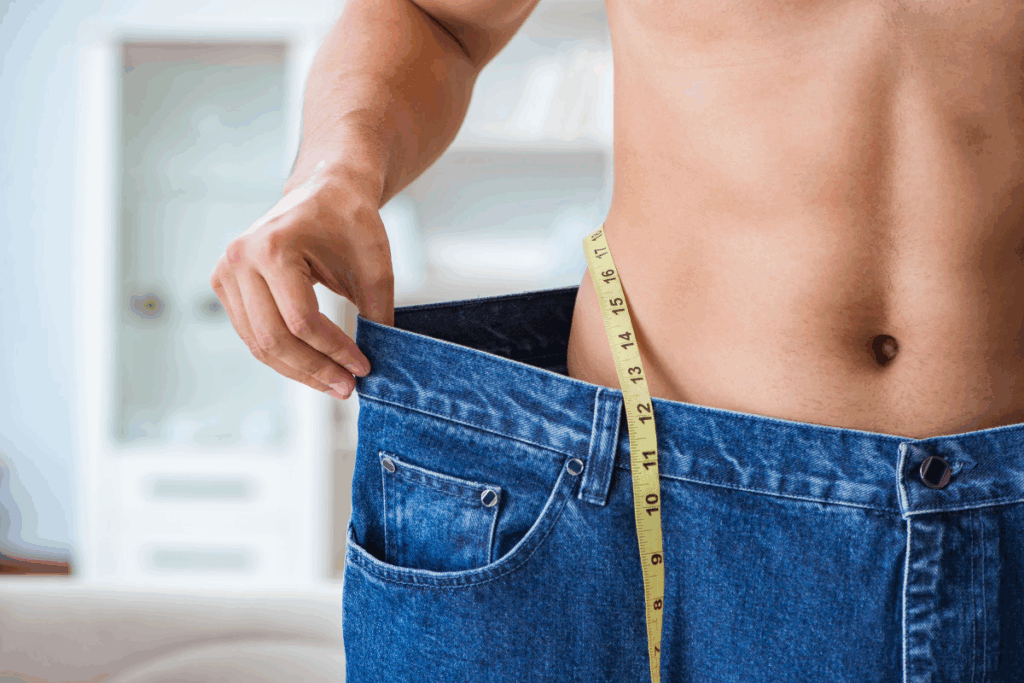
After gastric sleeve surgery, patients lose a lot of weight quickly. They can lose 25 to 45 pounds in just 3 months. This weight loss makes the skin stretch, leading to changes in how it looks. Knowing what to expect is important.
Key Takeaways
- Significant weight loss occurs after gastric sleeve surgery, typically within weeks.
- Average weight loss at 3 months can range from 25 to 45 pounds.
- Skin elasticity is affected by rapid weight loss, leading to changes in skin appearance.
- Understanding possible skin changes helps in setting realistic expectations.
- Liv Hospital provides complete care and guidance throughout your weight loss journey.
What Is Gastric Sleeve Surgery and How It Works
Gastric sleeve surgery, also known as sleeve gastrectomy, is a groundbreaking weight loss method. It has changed the lives of many people around the world. This surgery is for those who struggle with obesity, making their stomach smaller to help them lose weight.
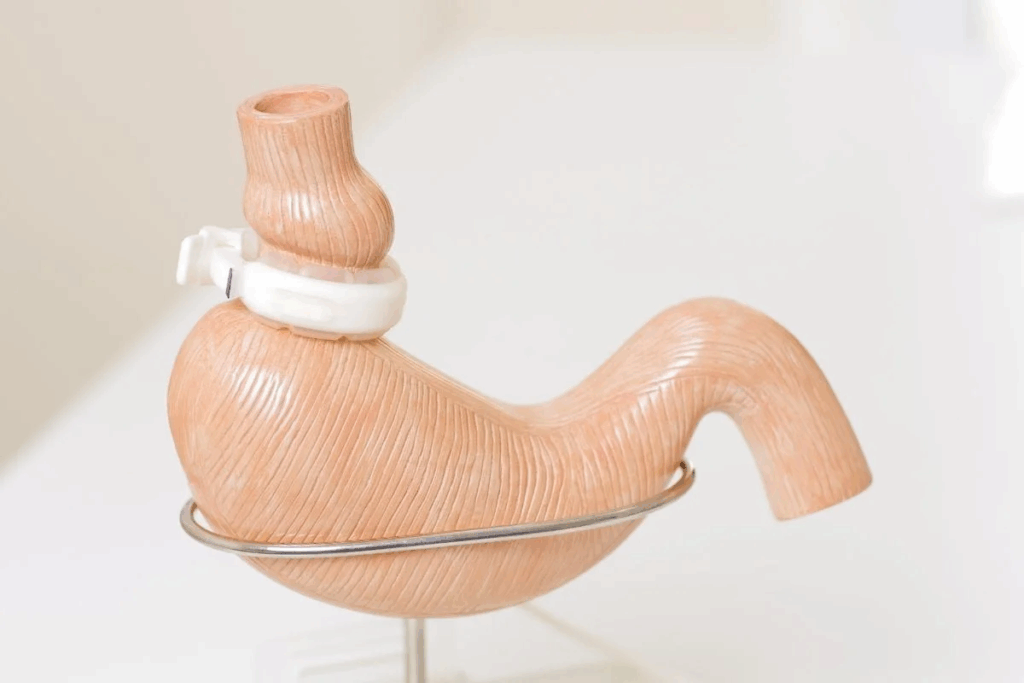
We will explain the gastric sleeve surgery procedure and its effects on weight loss. The surgery removes about 80% of the stomach. This leaves a narrow, tube-like stomach, reducing how much food you can eat.
The Sleeve Gastrectomy Procedure Explained
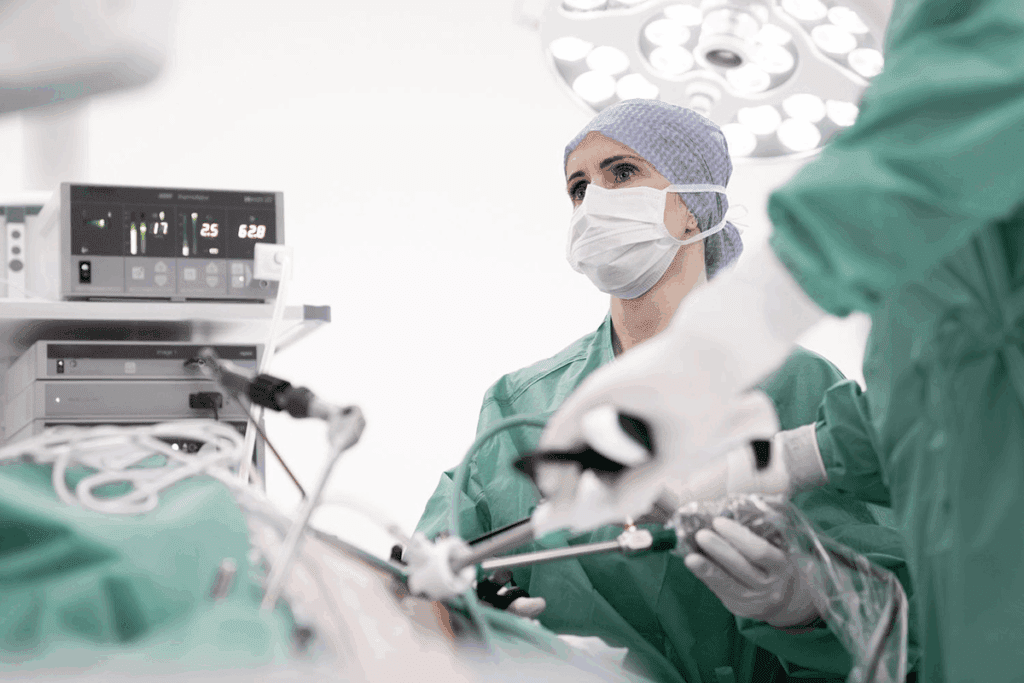
The surgery is done laparoscopically, with small cuts in the abdomen. A big part of the stomach is taken out, leaving a narrow stomach. This smaller stomach limits how much food you can eat, helping you lose weight.
The key steps in the procedure include:
- Insertion of a laparoscope and other surgical instruments through small incisions.
- Removal of a large portion of the stomach, leaving a sleeve-shaped tube.
- Stapling or suturing the remaining stomach tissue to create a secure closure.
How Stomach Reduction Leads to Weight Loss
The smaller stomach from gastric sleeve surgery limits food intake. Patients feel full faster and eat less. It also changes hunger hormones, like ghrelin, which makes you want to eat.
The combination of eating less and hormonal changes leads to weight loss. Losing weight also improves health issues like type 2 diabetes and high blood pressure.
Understanding gastric sleeve surgery helps people make better choices for weight loss. This knowledge helps them adopt the lifestyle changes needed for lasting weight loss.
The Weight Loss Timeline After Gastric Sleeve
Understanding the weight loss timeline after gastric sleeve surgery is key for those thinking about it. Gastric sleeve surgery is a big step towards losing weight. Knowing what to expect can greatly impact a patient’s journey.
First 3 Months: Initial 25-45 Pounds
The first few months after surgery see a lot of weight loss. Patients usually lose 25-45 pounds in the first three months. This is because the stomach is smaller, which means less food and more feeling of fullness.
During this time, patients follow a very low-calorie diet. It’s important to stick to the diet plan given by healthcare teams. This ensures patients get the nutrients they need while losing weight.
6-Month Milestone Results
By six months, weight loss slows down a bit. Patients can lose 50-70 pounds or more. This depends on starting weight, diet, and exercise.
At six months, many notice big changes in their body shape. They can do daily activities more easily. Regular check-ups with healthcare providers are key to track progress and make any needed changes.
12-Month Transformation Markers
By the end of the first year, most patients have lost a lot of weight. They can lose 60-80% of excess body weight. This leads to a big drop in BMI and better health.
Here’s a table showing weight loss progress:
Timeframe | Average Weight Loss | Percentage of Excess Weight Lost |
First 3 Months | 25-45 Pounds | 20-30% |
6 Months | 50-70 Pounds | 40-60% |
12 Months | 60-80% of Excess Body Weight | 60-80% |
Remember, results can vary. Diet, exercise, and health all affect weight loss after gastric sleeve surgery.
Gastric Sleeve Before and After Skin: What Really Happens
After gastric sleeve surgery, patients often wonder about their skin’s changes. The skin’s reaction to quick weight loss varies. It depends on age, genetics, starting weight, and how fast the weight drops.
How Skin Responds to Rapid Weight Loss
Quick weight loss after gastric sleeve surgery can be tough on the skin. The skin has elastic fibers that stretch and contract. But, if weight loss is too fast, these fibers can get damaged. This leads to loose or sagging skin.
The extent of skin laxity depends on several factors, including the amount of weight lost and the individual’s skin elasticity. Some people may experience more significant skin changes than others.
Common Areas Affected by Skin Laxity
Skin laxity can happen in different parts of the body. But, some areas are more affected than others. These include:
- The abdomen, where excess skin can form an “apron”
- The arms, where loose skin can hang from the upper arm
- The thighs and buttocks, where skin can sag
- The breasts and chest area, where changes in skin elasticity can affect appearance
Timeline of Skin Changes Post-Surgery
The timeline for skin changes after gastric sleeve surgery varies. But, patients usually start noticing changes within the first year after surgery.
Timeframe | Skin Changes |
0-3 months | Initial weight loss; skin starts to adjust |
6-12 months | Significant weight loss; skin laxity becomes more apparent |
1-2 years | Skin continues to adjust; some improvement in elasticity may be seen |
Knowing these changes helps patients prepare for what comes after gastric sleeve surgery. While some skin laxity is common, there are ways to improve skin appearance. These range from non-surgical treatments to surgical body contouring procedures.
5 Key Factors That Determine Your Skin’s Outcome
Knowing what affects skin elasticity is key for those thinking about gastric sleeve surgery. How well skin adjusts to big weight loss changes a lot. Many important things influence this process.
Age and Collagen Production
Age is a big deal for skin elasticity. As we get older, our skin makes less collagen. This makes it harder for skin to bounce back after losing weight. Collagen production is key for elastic skin, and older folks might see less improvement.
Genetic Predisposition to Skin Elasticity
Genetics also matter a lot. Some people are born with skin that’s naturally more elastic. Knowing your genetic background can help you understand what to expect for your skin after surgery.
Starting BMI and Skin Stretching
Starting BMI before surgery is very important. People with a higher BMI might see more skin stretching. This can lead to looser skin after weight loss. How much weight is lost and how fast affects skin tightness.
Gender-Specific Skin Responses
Gender can also impact skin after gastric sleeve surgery. Hormonal differences between men and women might change how skin reacts. Knowing these differences can help patients get ready for what happens after surgery.
By looking at these factors, patients can get a better idea of what to expect for their skin after surgery. While some things can’t be changed, knowing them can help set realistic hopes. It also guides decisions on care after surgery.
Before and After Results: Abdominal Skin Changes
Gastric sleeve surgery can change your abdominal skin a lot. These changes vary from person to person. As you lose weight, your skin adjusts at different speeds, affecting your belly area differently.
Upper vs. Lower Abdomen Differences
The upper and lower parts of your abdomen react differently to weight loss. The upper part usually has tighter skin. This is because of how elastic your skin is and how much fat you lose in each area.
Key differences between upper and lower abdomen:
- The upper abdomen generally has firmer skin.
- The lower abdomen is more prone to skin laxity.
- Weight loss affects the lower abdomen more visibly.
The “Apron” Effect and Management
After losing a lot of weight, you might notice the “apron” effect. This is when extra skin hangs over your lower belly. There are ways to deal with this, like surgery or non-surgical treatments.
Management strategies for the “apron” effect:
Method | Description | Effectiveness |
Surgical removal | Excess skin is surgically removed. | High |
Non-surgical skin tightening | Various treatments to tighten skin. | Moderate |
Lifestyle changes | Diet and exercise to improve skin elasticity. | Variable |
Real Patient Abdominal Transformations
Many people have seen big changes in their belly skin after gastric sleeve surgery. Here are some examples:
These examples show how skin can recover and why taking care of yourself after surgery is key.
Before and After Results: Arm and Chest Skin Changes
Gastric sleeve surgery can lead to significant weight loss. It also changes skin elasticity, mainly in the arms and chest. As patients lose a lot of weight, the skin’s ability to snap back can be affected, causing laxity in various areas.
Upper Arm Skin Laxity Patterns
The upper arms are often affected by skin laxity after losing a lot of weight. The degree of laxity varies among individuals. It depends on age, genetics, and the amount of weight lost.
Patients have reported different levels of satisfaction with their arms after gastric sleeve surgery. Some are happy with how their arms look after weight loss. Others are concerned about the loose skin.
Breast Tissue Changes in Women
In women, losing a lot of weight can change breast tissue. The breasts may lose volume, and the skin may become looser. These changes depend on several factors, including age, weight loss, and genetics.
“After my gastric sleeve surgery, I noticed that my breasts lost some volume, but overall, I’m happy with the results. I’ve been considering breast lift surgery to address the sagging.”
Some women choose breast lift or augmentation to address these changes. Others may choose to accept their new body shape.
Chest Skin Changes in Men
Men who lose a lot of weight after gastric sleeve surgery may see changes in the chest area. The skin may become looser, and the chest’s appearance may change.
Area | Common Changes | Potential Solutions |
Upper Arms | Skin laxity, loose skin | Arm lift surgery, exercise |
Breast/Chest | Loss of volume, sagging | Breast lift, chest contouring |
Understanding these changes can help patients prepare for their journey after gastric sleeve surgery. It’s important to talk to a healthcare provider to find the best solution for each case.
Before and After Results: Lower Body Skin Transformation
Lower body skin changes are key after gastric sleeve surgery. Patients see big changes in their thighs, buttocks, knees, and calves as they lose weight.
Thigh and Buttock Skin Changes
The thighs and buttocks see big changes after weight loss. Skin becomes less elastic and firm. These changes depend on age, genetics, and how much weight is lost.
For example, losing a lot of weight can make thighs smaller but leave skin loose. Sometimes, skin doesn’t pull back, leaving “excess skin.”
Knee and Calf Area Adjustments
Knees and calves also change a lot after surgery. Skin may sag or get looser as weight goes down. This is more noticeable for those who lose a lot of weight quickly.
Area | Common Changes | Factors Influencing Outcome |
Thighs | Loose skin, reduced circumference | Age, genetics, weight loss amount |
Buttocks | Changes in shape, possible sagging | Genetics, weight loss rate |
Knees and Calves | Sagging skin, changes in muscle tone | Weight loss amount, skin elasticity |
Patient Examples of Lower Body Results
Real-life examples show what gastric sleeve surgery can do for lower body skin. A study in a medical journal shared a patient’s story. After losing 150 pounds, the patient’s lower body skin got better, but some areas needed surgery to remove extra skin.
“The transformation in my lower body has been remarkable. While I did experience some loose skin, I was prepared for it, and it hasn’t deterred me from enjoying my new, healthier lifestyle.” – A gastric sleeve surgery patient
These stories highlight the need for realistic expectations. Understanding the possible changes in the lower body after surgery is key.
Before and After Results: Facial and Neck Skin
Gastric sleeve surgery can change how facial and neck skin looks after losing a lot of weight. Patients see a big weight drop and changes in how they look, including their skin.
After surgery, losing weight fast can change how the face and neck look. This can be good or bad. It’s important for patients to know what to expect and what they can do about it.
Facial Volume Loss Patterns
After losing a lot of weight, the face can look gaunt or old. The fat loss around the face can make the mid-face area look different. This can affect how young or old the face looks.
Neck and Jawline Definition Changes
The neck and jawline can change a lot after gastric sleeve surgery. Weight loss can make the jawline look more defined, but it can also cause loose skin. How much it changes depends on age, genetics, and how much weight is lost.
Some people might see their jawline look better, but others might have sagging skin. Knowing what can happen helps patients get ready for the changes. They can also think about how to make their neck and jawline look better.
Strategies for Facial Skin Tightening
There are ways to make facial skin look tighter after gastric sleeve surgery. Non-surgical options include facial exercises, creams, and treatments like radiofrequency or ultrasound. These can help improve how the skin looks.
- Keeping a healthy lifestyle, like eating well and staying hydrated, helps the skin.
- Facial exercises can make muscles and skin tighter.
- Topical treatments with antioxidants and collagen boosters can make skin better.
- Professional treatments like chemical peels, microneedling, or laser therapy can tighten skin more.
By trying these methods, patients can work on making their facial and neck skin look better after surgery. This can help them feel more confident and happy with their transformation.
Men vs. Women: Gender Differences in Skin Changes
Men and women see different skin changes after gastric sleeve surgery. This is because of various physiological factors. Knowing these differences is key to managing expectations and getting the best results.
Male-Specific Skin Transformation Patterns
Men have thicker skin than women, which affects how their skin changes with weight loss. After gastric sleeve surgery, men often see big improvements in skin tightness, mainly in the belly. But, some men might have trouble with extra skin, mainly if they lose a lot of weight.
Male Skin Changes: Men usually have less skin looseness in the upper body than women. But, the lower belly and thighs can also be affected.
Female Hormonal Influences on Skin Recovery
Women’s skin changes more due to hormonal shifts and aging. After gastric sleeve surgery, women may see both good and tough skin changes. Hormones can make skin elasticity better over time.
Female Skin Changes: Women often face bigger challenges with skin looseness, mainly in the arms, belly, and thighs. Hormonal changes, like during menopause, can also affect skin elasticity.
Comparative Before and After Results by Gender
Looking at before and after results, both men and women can lose a lot of weight and see skin improvements. But, how much these changes are can vary a lot. This depends on things like starting BMI, age, and health.
- Men: Tend to have better skin tightness in the upper body but may struggle with lower abdominal skin laxity.
- Women: Often experience more pronounced skin changes due to hormonal influences and generally thinner skin, requiring more tailored approaches to skin care and management.
By knowing these gender differences, healthcare providers can give more personalized advice. This helps patients reach their goals after gastric sleeve surgery.
Non-Surgical Methods to Improve Skin Appearance
There are many non-surgical ways to make your skin look better after gastric sleeve surgery. These methods improve skin elasticity and health. They use lifestyle changes and special treatments.
Nutrition and Hydration Strategies
Eating a balanced diet full of vitamins and minerals is key for skin health. Foods like berries and leafy greens fight oxidative stress and boost collagen. Drinking enough water keeps your skin elastic and plump.
We suggest eating foods rich in vitamin C, like citrus fruits and bell peppers, to help collagen. Omega-3 fatty acids in fish and nuts reduce inflammation and keep your skin healthy.
Nutrient | Benefit for Skin | Food Sources |
Vitamin C | Boosts collagen production | Citrus fruits, bell peppers |
Omega-3 Fatty Acids | Reduces inflammation | Fish, nuts, seeds |
Antioxidants | Combats oxidative stress | Berries, leafy greens |
Exercise Protocols for Skin Tightening
Exercise is vital for better skin elasticity. Resistance training builds muscle under the skin, making it look tighter. Cardio exercises boost circulation, which is good for skin health.
We recommend exercises that target areas like arms, abdomen, and thighs. Arm curls and tricep dips tone the upper arms. Squats and lunges make the thighs look better.
Topical Treatments and Their Effectiveness
Topical treatments can also help your skin. Products with retinol, peptides, and hyaluronic acid improve texture and elasticity. Use them with diet and exercise for even better results.
Always talk to a healthcare professional before trying new topical treatments. Make sure they’re right for your skin type and needs.
Surgical Solutions for Excess Skin After Gastric Sleeve
Gastric sleeve surgery helps with weight loss, but it leaves excess skin. This can be a big problem for many people. It can make them feel less confident about their bodies.
Body Contouring Procedures by Area
Body contouring removes extra skin and fat. It reshapes the body to fit the new weight. These surgeries can target different parts of the body.
- Abdominal contouring: This focuses on the belly. It removes extra skin and fat and tightens the muscles.
- Arm contouring: It aims to remove extra skin and fat from the upper arms. This improves their shape and tone.
- Thigh contouring: It targets the thighs. It removes extra skin and fat, making the lower body look better.
- Breast contouring: For women, it reshapes the breasts after weight loss. This improves their look.
Timing Considerations for Skin Removal
When to have body contouring surgery is important. It’s best to wait until you’ve reached your goal weight. You should have kept it for 6-12 months. This makes sure the weight loss is stable and your body has adjusted.
Recovery and Long-Term Results
Recovery from these surgeries varies. You might feel some pain, swelling, and bruising. These can be managed with medicine and rest. The results can last a long time. They can make your body shape better, boost your confidence, and improve your life quality.
It’s key to have realistic hopes and talk to a healthcare expert. Knowing what surgery can do helps you make good choices for your care.
Conclusion: Embracing Your New Body After Gastric Sleeve
Gastric sleeve surgery can lead to big weight loss and body changes. Knowing about gastric sleeve before and after results and skin changes after weight loss helps prepare you for your journey.
Embracing your new body after surgery takes patience and self-care. We talked about how age, genetics, and starting BMI affect skin changes after weight loss. Knowing this helps you deal with the changes better.
We want you to see the positive changes from gastric sleeve surgery. A healthy lifestyle, including good food and exercise, boosts your well-being. Your new body shows your hard work and dedication. We’re here to support you all the way.
FAQ
What is gastric sleeve surgery and how does it affect skin?
Gastric sleeve surgery makes your stomach smaller. This leads to weight loss. The lost weight can cause your skin to become loose or saggy in different parts of your body.
How does the gastric sleeve procedure work?
The surgery removes a big part of your stomach, leaving a narrow one. This limits how much you can eat. It also changes how you feel full, helping you lose weight.
What is the typical weight loss timeline after gastric sleeve surgery?
You’ll lose a lot of weight in the first few months. Then, you’ll keep losing weight for a year. Everyone loses weight at their own pace, but most see big changes in a year.
How does skin respond to rapid weight loss after gastric sleeve surgery?
Skin can become loose or saggy when you lose weight fast. This is more noticeable in areas with a lot of fat. How much your skin changes depends on your age, genes, and starting weight.
What are the common areas affected by skin laxity after gastric sleeve surgery?
Skin laxity often affects the belly, arms, thighs, buttocks, and face. How much your skin changes in these areas can vary a lot.
What are the key factors that determine skin outcome after gastric sleeve surgery?
Your skin outcome depends on your age, genes, starting weight, and gender. Knowing these factors can help you prepare for skin changes.
Are there non-surgical methods to improve skin appearance after gastric sleeve surgery?
Yes, you can improve your skin without surgery. Eating right, staying hydrated, exercising, and using creams can help. These methods can make your skin look better.
What surgical solutions are available for excess skin after gastric sleeve surgery?
To remove excess skin, you can get body contouring surgeries. These include surgeries for the belly, arms, and thighs. They can make your body look better.
How do male and female bodies differ in terms of skin changes after gastric sleeve surgery?
Men and women have different skin changes after surgery. Hormones and body differences play a role. Knowing these differences can help you prepare for your skin’s response.
What are the before and after results of gastric sleeve surgery in terms of skin changes?
Results vary, with some areas looking better and others looser. Real examples show the range of outcomes. It’s important to have realistic expectations.
How can I manage the “apron” effect after gastric sleeve surgery?
To deal with loose belly skin, you can try surgery or non-surgical methods. This includes body contouring or exercises and diet changes.
What are the benefits of body contouring procedures after gastric sleeve surgery?
Body contouring can remove excess skin and improve your shape. It can also boost your confidence and quality of life.
Are there any specific exercises that can help tighten skin after gastric sleeve surgery?
Yes, exercises like weight training and cardio can help tighten your skin. They can also make your muscles look better.
How long does it take to see the final results of skin changes after gastric sleeve surgery?
Seeing the final results takes time, but most people see big changes in 12-18 months. Your skin will keep improving over time.
References
National Center for Biotechnology Information. Evidence-Based Medical Guidance. Retrieved from https://www.ncbi.nlm.nih.gov/pmc/articles/PMC4371663/