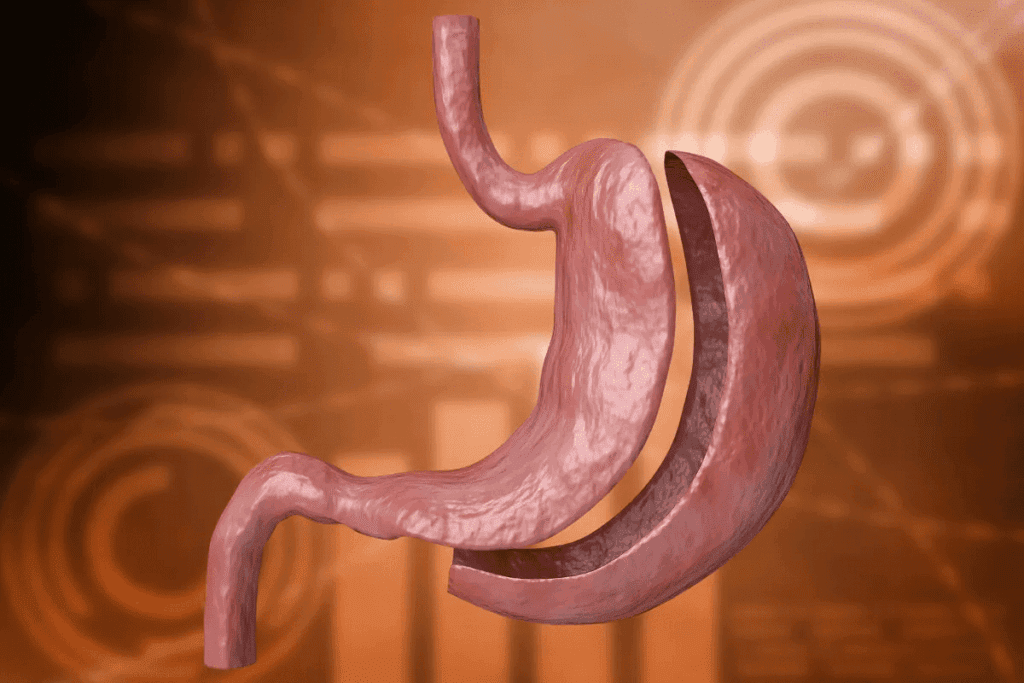
Gastric sleeve surgery, a popular weight loss procedure, involves removing a significant portion of the stomach, resulting in a smaller, sleeve-shaped stomach. Nearly 20% of patients who undergo bariatric surgery face significant challenges during recovery, highlighting the need to understand the difficulties associated with this procedure.What are the biggest gastric sleeve challenges? We reveal the shocking hard part, from the mental game to lifelong diet restrictions.
At our institution, we recognize the importance of addressing these challenges to ensure a smooth and successful recovery. Our team of experts is dedicated to providing premium care and support to patients undergoing gastric sleeve surgery, helping them navigate the complexities of this life-changing procedure.
Key Takeaways
- Gastric sleeve surgery is a significant weight loss procedure with potential challenges.
- Understanding these difficulties is crucial for a successful recovery.
- Our institution offers premium care and support for patients undergoing this surgery.
- Expert guidance is essential for navigating the complexities of gastric sleeve surgery.
- Proper care and support can significantly improve patient outcomes.
Understanding the Basics of Gastric Sleeve Surgery
Gastric sleeve surgery is not only a physical transformation; it also requires significant lifestyle adjustments.
Definition and Purpose
Gastric sleeve surgery is not only a physical transformation; it also requires significant lifestyle adjustments.
Gastric sleeve surgery is not only a physical transformation; it also requires significant lifestyle adjustments.
How It Works
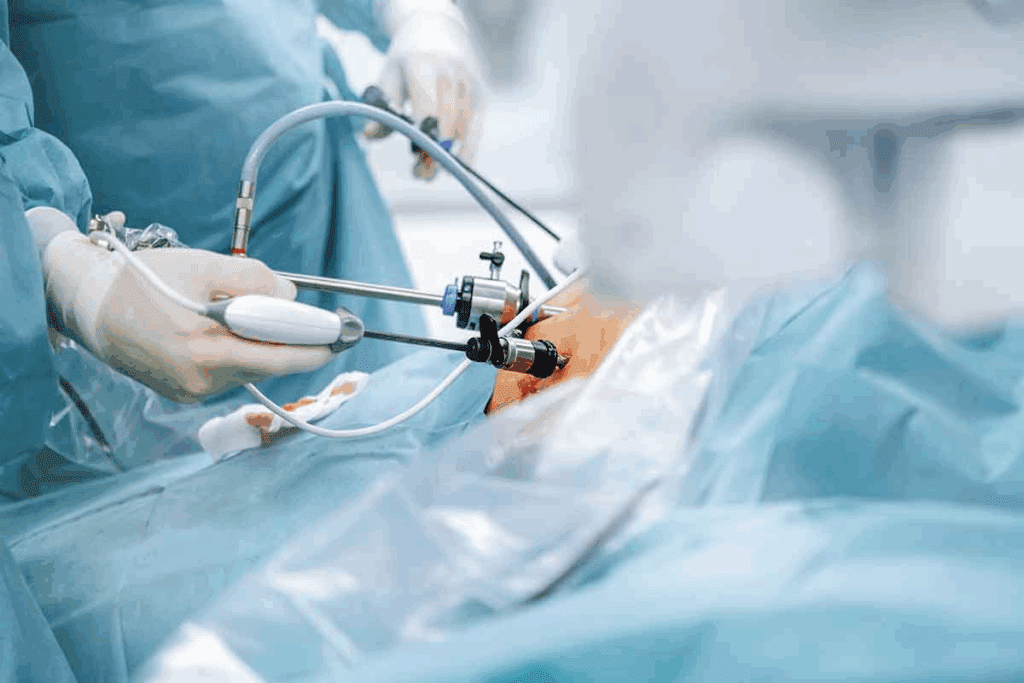
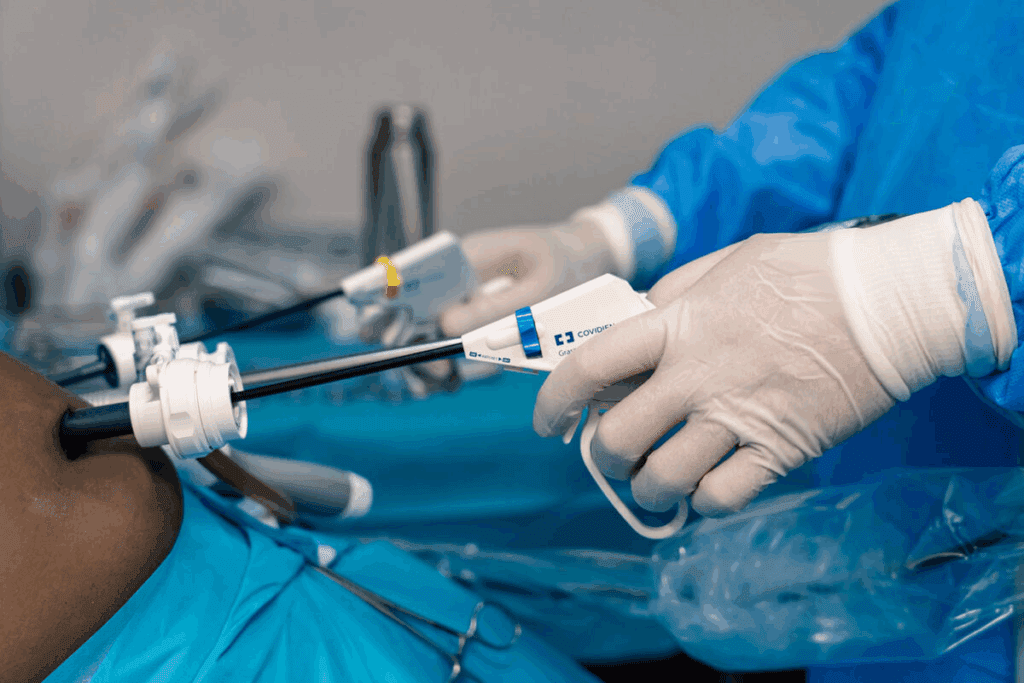
The surgery is typically performed laparoscopically, using several small incisions to insert surgical instruments and a camera. The surgeon then removes a significant portion of the stomach, and the remaining stomach is stapled to create a sleeve-like structure. This procedure not only reduces the stomach’s capacity but also impacts hunger hormones, contributing to weight loss.
Gastric sleeve surgery is not only a physical transformation; it also requires significant lifestyle adjustments. We emphasize the importance of post-operative care and follow-up to ensure the best possible outcomes.
Expected Results
Patients undergoing gastric sleeve surgery can expect significant weight loss, typically within the first year following the procedure. The extent of weight loss varies among individuals but is generally substantial. Moreover, many patients experience improvements in obesity-related health issues, such as diabetes, hypertension, and sleep apnea.
Gastric sleeve surgery is not only a physical transformation; it also requires significant lifestyle adjustments.
Common Gastric Sleeve Challenges
The journey to a healthier weight through gastric sleeve surgery involves overcoming various physical, emotional, and dietary hurdles. As we guide you through these challenges, we aim to provide you with the knowledge and support needed to navigate this significant life change.
Physical Adjustments
After gastric sleeve surgery, patients must adapt to significant physical changes. These adjustments can include:
- Reduced stomach capacity, leading to changes in eating habits
- Increased risk of nutritional deficiencies due to altered nutrient absorption
- Potential for discomfort or pain during the recovery period
We understand that these physical adjustments can be challenging. Our team is dedicated to providing personalized care to help manage these changes effectively.
Psychological Impact
Gastric sleeve surgery not only affects the body but also has a profound impact on mental health. Patients may experience:
- Emotional fluctuations due to hormonal changes and weight loss
- Body image issues as their physical appearance changes
- Potential for anxiety or depression related to the surgery and recovery
It’s essential to acknowledge these psychological challenges and seek support when needed. Our healthcare professionals are here to offer guidance and reassurance throughout your journey.
Dietary Changes
A crucial aspect of recovery from gastric sleeve surgery is adopting a new diet. This includes:
- Eating smaller, more frequent meals to accommodate the reduced stomach size
- Avoiding certain foods that can cause discomfort or nutritional deficiencies
- Ensuring adequate nutrition through supplements and a balanced diet
We work closely with our patients to develop a personalized dietary plan that meets their nutritional needs and supports their overall health.
The Emotional Toll of Gastric Sleeve Surgery
Patients undergoing gastric sleeve surgery often experience a complex emotional journey. As they navigate the challenges of significant weight loss and lifestyle changes, they may encounter a range of emotions, from anxiety and stress to issues related to self-image.
Anxiety and Stress Management
Managing anxiety and stress is crucial for patients after gastric sleeve surgery. We recommend several strategies to help cope with these bariatric issues:
- Mindfulness and Meditation: Practicing mindfulness and meditation can help reduce stress levels.
- Support Groups: Joining a support group can provide a sense of community and understanding.
- Professional Help: Seeking help from a mental health professional can be beneficial for managing anxiety.
As one patient noted, “Joining a support group was a turning point for me; it helped me realize I wasn’t alone in this journey.”
“The emotional support I received was just as important as the medical care.”
Dealing with Self-Image Issues
Self-image issues are common after gastric sleeve surgery, as the body undergoes significant changes. Some patients may experience gastric sleeve complications that affect their self-esteem. We suggest:
- Counseling: Working with a counselor can help patients adjust to their new body image.
- Supportive Friends and Family: Having a supportive network can make a significant difference.
- Self-Care: Practicing self-care and self-compassion is essential during this period.
Gastric sleeve surgery is not only a physical transformation; it also requires significant lifestyle adjustments.
Understanding and managing the emotional aspects of gastric sleeve surgery is crucial for overall success and well-being, reducing the risk of bariatric complications.
Post-Operative Complications
Understanding the risks associated with gastric sleeve surgery is crucial for managing expectations and ensuring a smooth gastric sleeve recovery. As with any major surgery, there are potential complications that can arise, both in the short term and the long term.
Risks in the Initial Recovery Phase
Gastric sleeve surgery is not only a physical transformation; it also requires significant lifestyle adjustments.
- Bleeding: Patients are at risk for bleeding during and immediately after surgery.
- Infection: As with any surgical procedure, there is a risk of infection with gastric sleeve surgery.
- Anesthesia Complications: Complications related to anesthesia, such as respiratory or cardiac issues, can occur.
Long-Term Health Concerns
While bariatric recovery is a significant step towards improved health, there are long-term concerns that patients should be aware of. These can include nutritional deficiencies, potential for weight regain, and other metabolic changes.
“Long-term follow-up is crucial for patients who have undergone gastric sleeve surgery to monitor for potential complications and address any gastric sleeve difficulties promptly.” – Expert in Bariatric Surgery
Some of the long-term concerns include:
- Nutritional Deficiencies: Patients may need to take supplements to prevent deficiencies in vitamins and minerals.
- Weight Regain: There’s a possibility of weight regain if dietary and exercise habits are not maintained.
- Metabolic Changes: Changes in metabolism can occur, requiring ongoing monitoring and potentially adjustments to diet and lifestyle.
By understanding these potential complications and working closely with healthcare providers, patients can better navigate their gastric sleeve recovery and long-term health outcomes.
Navigating Dietary Restrictions
Gastric sleeve surgery is not only a physical transformation; it also requires significant lifestyle adjustments.
Initial Post-Op Diet
Gastric sleeve surgery is not only a physical transformation; it also requires significant lifestyle adjustments.
- Stay hydrated by drinking plenty of water.
- Avoid carbonated drinks and sugary beverages.
- Consume clear broths and electrolyte-rich beverages.
Long-Term Eating Habits
Once the initial healing phase is complete, patients must adopt long-term eating habits that support their new stomach anatomy. Eating smaller, more frequent meals becomes the norm, and choosing nutrient-dense foods is vital. Patients should focus on lean proteins, vegetables, and whole grains, while avoiding high-calorie, high-sugar, and high-fat foods.
- Eat slowly and chew food thoroughly.
- Monitor portion sizes to avoid overeating.
- Consider taking vitamin and mineral supplements as recommended by a healthcare provider.
Gastric sleeve surgery is not only a physical transformation; it also requires significant lifestyle adjustments.
Social Implications of Gastric Sleeve
Gastric sleeve surgery is not only a physical transformation; it also requires significant lifestyle adjustments.
Changes in Social Life
After gastric sleeve surgery, patients may find themselves navigating new social dynamics. The changes in their eating habits and lifestyle can affect how they interact with friends and family. For instance, they might need to avoid certain social gatherings that center around food or adjust to new dietary restrictions in social settings.
We understand that these changes can be challenging, but with the right mindset and support, patients can maintain healthy relationships. It’s essential to communicate openly with loved ones about the changes they are experiencing and to find new ways to connect and engage in social activities.
Key Challenges in Social Life:
- Adjusting to new dietary restrictions in social settings
- Dealing with changes in appetite and eating habits
- Maintaining relationships with friends and family
Support Systems
Having a robust support system is crucial for patients undergoing gastric sleeve surgery. Support from family, friends, and support groups can make a significant difference in their journey. We recommend that patients connect with others who have undergone similar experiences to share their stories and gain valuable insights.
For more information on the social and recreational impact after bariatric surgery, you can read our detailed article on after bariatric.
Support System | Description | Benefits |
Family and Friends | Emotional support and understanding | Helps patients feel less isolated, provides encouragement |
Support Groups | Community of individuals with similar experiences | Offers shared knowledge, emotional support, and camaraderie |
Professional Counseling | Guidance from healthcare professionals | Provides strategies for managing emotional challenges, dietary advice |
Importance of Professional Support
Gastric sleeve surgery is not only a physical transformation; it also requires significant lifestyle adjustments.
Role of Dietitians
Dietitians are crucial in helping patients navigate the dietary changes required after gastric sleeve surgery. They develop personalized nutrition plans that cater to the patient’s specific needs, ensuring they receive the necessary nutrients for optimal health.
- Creating customized meal plans that promote healthy eating habits
- Providing guidance on portion control and nutrient-rich foods
- Monitoring patient progress and making adjustments as needed
According to a study published in the Journal of the Academy of Nutrition and Dietetics, patients who received personalized dietary counseling had better weight loss outcomes and improved nutritional status compared to those who did not receive such support.
“The role of the dietitian is not just about providing a meal plan; it’s about educating the patient on how to make sustainable lifestyle changes that support their overall health and weight loss goals.”
Benefits of Counseling
Counseling is another critical component of professional support for gastric sleeve patients. It helps individuals manage the emotional and psychological aspects of their weight loss journey, reducing the risk of complications such as depression and anxiety.
Benefits of Counseling | Description |
Emotional Support | Counselors provide a safe space for patients to express their feelings and concerns, offering emotional support and guidance. |
Stress Management | Counseling helps patients develop coping strategies to manage stress and anxiety related to their weight loss journey. |
Accountability | Regular counseling sessions encourage patients to stay committed to their weight loss goals. |
By combining dietary guidance with emotional support, patients are better equipped to handle the challenges of gastric sleeve recovery. We emphasize the importance of a multidisciplinary approach to care, ensuring that our patients receive comprehensive support throughout their journey.
Strategies for Managing Challenges
Gastric sleeve surgery is not only a physical transformation; it also requires significant lifestyle adjustments.
Setting Realistic Goals
Setting realistic goals is crucial for patients undergoing gastric sleeve surgery. By establishing achievable milestones, individuals can track their progress and stay motivated throughout their weight loss journey. Realistic goals help in managing expectations and reducing the risk of disappointment. We recommend setting specific, measurable, and attainable goals, such as:
- Defining a target weight loss percentage within a specific timeframe
- Developing a regular exercise routine
- Monitoring dietary habits and making necessary adjustments
By focusing on these areas, patients can create a roadmap for their recovery and weight loss, making the process less daunting and more manageable.
Building a Support Network
A strong support network is vital for overcoming the challenges associated with bariatric surgery challenges. This network can include family, friends, healthcare professionals, and support groups. We emphasize the importance of having a diverse support system to provide emotional, informational, and practical assistance. Key components of a robust support network include:
- Family and friends who can offer emotional support and encouragement
- Healthcare professionals, such as dietitians and counselors, who can provide expert guidance
- Support groups, either online or in-person, where individuals can share their experiences and learn from others
By building and leveraging this network, patients can better navigate the challenges of gastric sleeve surgery and achieve a more successful outcome.
Success Stories and Motivation
Patients who have undergone gastric sleeve surgery often face various bariatric issues, but with the right mindset and support, they can overcome these challenges. We have seen numerous success stories from individuals who have successfully navigated gastric sleeve issues and achieved significant weight loss.
Real-Life Experiences
Real-life testimonials from patients who have undergone sleeve surgery highlight the importance of perseverance and a strong support system in addressing bariatric problems. These stories serve as a powerful motivator for those considering or recovering from gastric sleeve surgery.
Staying on Track
To stay committed to the recovery process, patients must set realistic goals and build a support network. We work closely with our patients to provide comprehensive care and guidance, helping them navigate the challenges associated with sleeve surgery issues.
By sharing these success stories and offering guidance, we aim to inspire and motivate our patients to achieve their weight loss goals and improve their overall health.
FAQ
What are the most significant challenges patients face after gastric sleeve surgery?
Patients often encounter physical adjustments, psychological impact, and dietary changes that are crucial for a successful recovery. We provide guidance and support to help navigate these challenges.
How do I manage anxiety and stress after gastric sleeve surgery?
We recommend stress management techniques, such as meditation and deep breathing, to help cope with anxiety. Our team also offers counseling services to support emotional well-being.
What dietary changes can I expect after gastric sleeve surgery?
Initially, you’ll follow a liquid diet, gradually progressing to solid foods. Our dietitians will help you develop a personalized nutrition plan to ensure a smooth transition.
What are the potential post-operative complications of gastric sleeve surgery?
While rare, potential complications include bleeding, infection, and nutritional deficiencies. We closely monitor patients and provide clear instructions to minimize these risks.
How can I maintain a healthy social life after gastric sleeve surgery?
We encourage patients to build a support network, including family, friends, and support groups. This helps in maintaining healthy relationships and coping with the emotional aspects of the surgery.
What role do dietitians play in the gastric sleeve surgery process?
Our dietitians develop personalized nutrition plans, providing guidance on dietary restrictions and recommendations to ensure a successful recovery.
How can I stay committed to the recovery process after gastric sleeve surgery?
We recommend setting realistic goals, tracking progress, and building a support network. Our team is also available to provide ongoing support and guidance throughout the recovery journey.
What are the benefits of counseling after gastric sleeve surgery?
Counseling helps patients manage emotional challenges, such as anxiety and self-image issues, promoting overall well-being and a successful recovery.
How do I navigate the initial post-operative diet after gastric sleeve surgery?
We provide clear instructions and guidance on the initial post-operative diet, including a gradual progression from liquids to solid foods.
What are the long-term eating habits I should adopt after gastric sleeve surgery?
Our dietitians will help you develop a long-term eating plan, focusing on nutrient-dense foods and healthy eating habits to support overall health and weight loss.
References
National Center for Biotechnology Information. Evidence-Based Medical Insight. Retrieved from https://pmc.ncbi.nlm.nih.gov/articles/PMC8112272/