Last Updated on December 4, 2025 by Bilal Hasdemir

Getting ready for gastric sleeve surgery is more than just one day in the hospital. It begins with a special diet plan. This plan is key to a safe, smooth recovery and long-term success.Get 5 key steps for your gastric sleeve diet plan before surgery. Proper preparation is essential for a safe and successful outcome.
At Liv Hospital, our team is here to help you every step of the way. We use the latest medical methods and focus on you. This ensures your journey is safe, effective, and well-supported.
A good diet plan is vital for those having gastric sleeve surgery. Our plan is made to get you ready for surgery. It helps make the procedure smooth and successful.
Key Takeaways
- A pre-surgery diet plan is essential for patient safety and successful surgical outcomes.
- The diet plan typically begins around three weeks before surgery.
- A low-calorie, high-protein diet is recommended before surgery.
- The diet helps patients achieve significant preoperative weight loss.
- It also reduces liver size and fat content.
The Science Behind an Effective Gastric Sleeve Diet Plan
Understanding the science behind a good gastric sleeve diet plan is key for those getting ready for surgery. A well-planned pre-surgery diet is more than just getting ready. It’s a critical part that greatly affects the surgery’s success.
“A detailed pre-operative diet is vital for better health and a smoother surgery,” say experts. Studies show that sticking to a pre-surgery diet lowers risks, speeds up recovery, and builds good eating habits for life after surgery.
How Pre-Op Nutrition Affects Surgical Outcomes
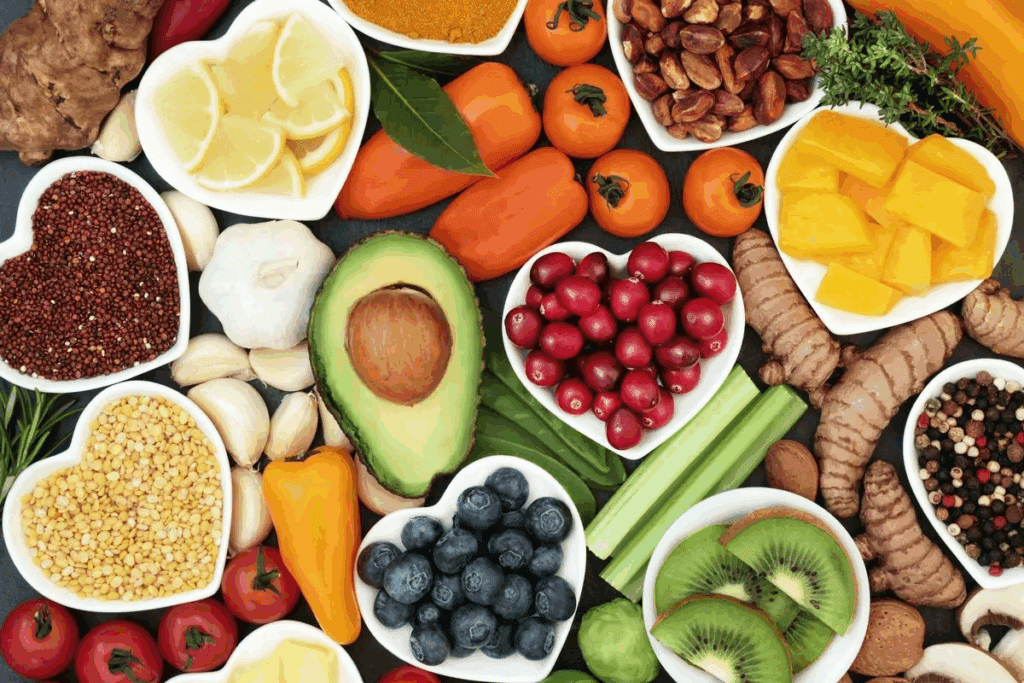
Pre-surgery nutrition is very important for gastric sleeve patients. Eating a diet full of nutrients can lower surgery risks. It’s important to eat foods rich in protein, vitamins, and minerals.
Nutritional optimization before surgery can make patients healthier, reduce liver size, and make surgery easier. This can lead to a quicker recovery and better surgery results.
Liver Shrinkage: A Critical Factor for Surgical Success
Liver shrinkage is key to gastric sleeve surgery success. A smaller liver makes surgery easier and faster. The diet before surgery is designed to make the liver smaller and less fatty.
By eating a special diet, patients can help make their surgery a success. This diet includes specific nutritional changes and calorie limits based on each patient’s needs.
Expected Weight Loss Before Surgery
Patients can lose a lot of weight before gastric sleeve surgery, usually 1-2 stones. This weight loss improves health and makes surgery easier.
The diet before surgery causes this weight loss. It’s strict and helps patients lose weight and start healthy eating habits before surgery.
Overview: Your 3-Week Pre-Surgery Timeline
Getting ready for gastric sleeve surgery means following a 3-week diet plan. This plan gets stricter as the surgery date gets closer. It’s designed to get your body ready for the best results.
Weeks 3-2: Initial Dietary Modifications
In the first two weeks, you’ll start making diet changes. These changes help shrink your liver and reduce body fat. This makes surgery safer and easier.
You’ll aim for 1200-1500 calories a day. Focus on high-protein foods and low-carbohydrate vegetables. Try to cut out high-calorie snacks and sugary drinks.
A study in the Journal of Medical Case Reports shows diet is key to obesity treatment. Following these diet changes can greatly improve your surgery outcome.
Week 1: Intensified Nutrition Protocol
In the last week, your diet will get even stricter. You’ll aim for 800-1200 calories a day and eat 60-100 grams of protein. Stick to lean proteins, low-fat dairy, and veggies.
Drinking at least 64 ounces of water a day is also important. This keeps you hydrated and helps with digestion.
| Food Group | Recommended Intake | Examples |
| Protein | 60-100g | Lean meats, fish, eggs, tofu |
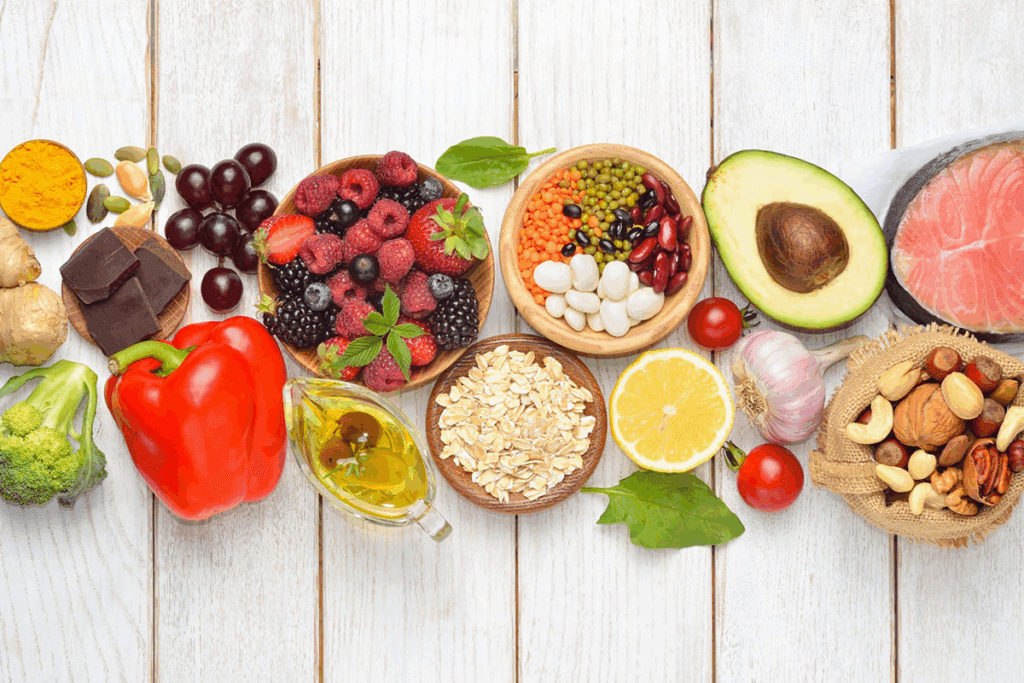
| Vegetables | 3-5 servings | Leafy greens, broccoli, bell peppers |
| Fruits | 2-3 servings | Berries, citrus fruits, apples |
Final 2-3 Days: Full Liquid Diet Preparation
In the last 2-3 days, you’ll switch to a full liquid diet. This step is vital for stomach preparation and lowering surgery risks. You can have clear broths, protein shakes, and sugar-free gelatin.
Avoid carbonated drinks and caffeine. Following this 3-week plan will prepare you well for your surgery and help you succeed long-term.
Step 1: Reducing Caloric Intake to 800-1200 Calories Daily
To get ready for gastric sleeve surgery, you need to cut down on calories. Aim for 800 to 1200 calories a day. This big change in eating helps you lose weight and get healthier before surgery.
Calculating Your Ideal Pre-Surgery Calorie Range
Finding the right calorie range before surgery is important. It depends on your weight, how active you are, and your health. A doctor or dietitian can figure out the best number for you.
A study in the Journal of Medical Case Reports shows diet changes can lead to significant weight loss and better health.
To find your ideal calorie range, think about:
- Your current weight and body type
- How active you are and how much energy you use each day
- Any health issues that might change what you need to eat
Portion Control Techniques for Bariatric Patients
For bariatric patients, controlling portions is key to losing and keeping off weight. Using certain methods helps manage calories and develop better eating habits. A study on obesity treatment points out the importance of diet and lifestyle changes.
Some good ways to control portions include:
- Using smaller plates to eat less
- Measuring food with a scale or cups
- Eating slowly to feel when you’re full
Sample Low-Calorie Meal Plans That Satisfy
Creating a meal plan that’s low in calories but full of nutrients is vital for gastric sleeve patients. The plan should fit the patient’s dietary needs. A balanced diet with lots of fruits, veggies, and lean protein supports health and weight loss.
“A well-balanced diet that is rich in fruits, vegetables, and lean protein can help support overall health and weight loss.”
Here’s a sample meal plan:
| Meal | Food Item | Calories |
| Breakfast | Oatmeal with fruits | 250 |
| Lunch | Grilled chicken breast with vegetables | 350 |
| Dinner | Baked salmon with quinoa and broccoli | 400 |
By following these tips and working with a healthcare team, you can make a meal plan that’s right for you. It will help you eat fewer calories and meet your nutritional needs.
Step 2: Maximizing Protein Intake (60-100g Daily)
Before gastric sleeve surgery, patients should focus on eating more protein. This is key to keeping muscle mass and staying healthy during surgery.
Why Protein is Crucial Before Gastric Sleeve Surgery
Protein is vital for healing. Eating enough protein before surgery helps keep muscle mass. This is important for health and recovery.
Maintaining muscle mass helps keep the body’s metabolism high. This aids in weight loss and health after surgery. Also, enough protein boosts the immune system, lowering the chance of infections and other problems after surgery.
Complete Protein Sources for Pre-Bariatric Patients
It’s important to eat complete protein sources. Lean meats like chicken, turkey, and lean beef are great. Fish like salmon and tuna are also good, as they’re high in protein and omega-3s.
Eggs, dairy, and plant-based foods like beans and tofu are also good sources. For those who can’t eat dairy or prefer plants, there are many options like protein-rich nut milks and soy products.
Protein Supplements: Types, Timing, and Recommendations
Some find it hard to get enough protein from food alone. That’s where protein supplements come in. Protein shakes and protein powders are easy to add to your diet.
When picking a protein supplement, look for ones low in sugar, carbs, and bad fats. Whey and casein proteins are good because they help muscles grow and recover well.
It’s also important to eat protein at the right times. Eating it throughout the day, including after working out and before bed, helps muscles recover and stay healthy.
Step 3: Minimizing Carbohydrates and Choosing Healthy Fats
As we move forward with the pre-surgery diet, it’s key to cut down on carbs and pick healthy fats. This step is essential for getting your body ready for surgery and for a smooth recovery.
Identifying and Eliminating Refined Carbohydrates
Refined carbs, like white bread and sugary snacks, don’t offer much nutrition and can slow down weight loss. To spot refined carbs, check for added sugars and refined grains. It’s best to avoid these to boost your health and support your surgery goals.
- White bread and baked goods
- Sugary cereals and snacks
- Fruit juices and sweetened beverages
- Processed foods with added sugars
Incorporating Unsaturated Fats in Your Pre-Op Diet
Unsaturated fats, like monounsaturated and polyunsaturated fats, are good for your heart and keep you full. You can find these healthy fats in avocados, nuts, and olive oil. Adding unsaturated fats to your diet is easy by:
- Using olive oil for cooking
- Adding avocado to your meals
- Snacking on nuts and seeds
- Including fatty fish in your diet
Reading Food Labels: Hidden Carbs and Unhealthy Fats
Understanding food labels is key to making smart food choices. When checking labels, look for:
- Added sugars and refined grains
- Partially hydrogenated oils (trans fats)
- Hidden carbs, like in sauces and condiments
By paying attention to these, you can pick healthier options and steer clear of bad carbs and fats.
Step 4: Transitioning to the Full Liquid Diet Phase
We suggest patients move to a full liquid diet a few days before surgery. This step is key to preparing the body for the surgery. It lowers the chance of problems and makes recovery easier.
Complete List of Approved Liquids for Days Before Surgery
In the days before surgery, focus on clear liquids that are easy to digest. Some good choices are:
- Water
- Clear broths (chicken or vegetable)
- Sugar-free gelatin
- Electrolyte-rich beverages like sports drinks
- Clear soups
It’s important to avoid liquids with pulp, cream, or carbonation during this time.
Protein-Rich Liquid Options: Broths, Shakes, and Sugar-Free Gelatin
It’s important to get enough protein, even on a full liquid diet. Good protein sources include:
- Protein shakes or supplements
- Clear protein broths
- Sugar-free gelatin with added protein powder
These help meet daily protein needs, keeping you healthy and ready for surgery.
Maintaining Proper Hydration Without Carbonation
Drinking enough water is key before surgery. Aim for 8-10 glasses a day of non-carbonated drinks. Tips for staying hydrated include:
- Sip fluids all day long
- Check your urine to make sure it’s pale yellow or clear
- Stay away from caffeinated drinks that can make you lose water
By following these tips, you can stay hydrated and be ready for your gastric sleeve surgery.
Step 5: Establishing Post-Surgery Eating Habits
Getting ready for gastric sleeve surgery means setting up good eating habits afterward. What you do before surgery affects your weight loss and health later on.
Slow Eating Techniques to Practice Before Surgery
Learning to eat slowly is key. Take small bites, chew well, and pause between bites. This helps you adjust to eating less after surgery.
- Take small bites to allow for proper chewing and to prevent overeating.
- Put your utensils down between bites to pause and assess your hunger.
- Chew each bite at least 20-30 times to ensure proper digestion.
Studies show that slow eating before surgery leads to better weight loss and eating habits after.
Mindful Eating Strategies for Lifelong Success
Mindful eating is also important. It means eating with full attention, noticing food’s taste, smell, and texture. It helps you understand when you’re hungry or full.
“Mindful eating can help reduce overeating and improve digestion, leading to a more successful outcome after gastric sleeve surgery.”
— Expert in Bariatric Nutrition
To eat mindfully, try these:
- Eat without distractions, such as turning off the TV or eating away from your phone.
- Pay attention to the colors, smells, and textures of your food.
- Stop eating when you feel satisfied, not when you’re stuffed.
Managing Hunger and Cravings During Dietary Restriction
It’s hard to control hunger and cravings before surgery. Stay hydrated with approved liquids and eat protein-rich foods to feel full.
- Drinking water or other non-caloric beverages throughout the day.
- Consuming protein shakes or other protein-rich liquids as recommended by your healthcare provider.
- Eating small, frequent meals to maintain stable energy levels.
By starting these habits before surgery, you’ll be ready for the post-op diet. This sets you up for long-term success.
Troubleshooting Common Pre-Op Diet Challenges
Getting ready for gastric sleeve surgery can be tough. The pre-op diet is key to getting ready. Knowing the challenges can help you succeed.
Physical Side Effects and How to Manage Them
Some people feel tired, hungry, or uncomfortable while dieting before surgery. Drinking lots of approved liquids helps. More protein can also cut hunger and boost health.
Here’s a table with common side effects and how to deal with them:
| Physical Side Effects | Management Strategy |
| Fatigue | Stay hydrated, prioritize rest |
| Hunger Pangs | Increase protein intake, drink approved liquids |
| Digestive Discomfort | Ease into the diet gradually, and avoid high-sugar or high-fat foods |
Social Situations and Maintaining Diet Compliance
It’s hard to stick to the diet when you’re out with friends. To stay on track, plan and bring safe foods. Tell your loved ones about your diet needs for their support.
When to Contact Your Surgical Team About Diet Concerns
If diet side effects are bad or you’re worried about sticking to the diet, talk to your team. They can offer specific advice and help.
Knowing how to handle these issues can help you finish your pre-op diet well. This sets you up for a good surgery outcome.
Conclusion: Your Pre-Surgery Diet as a Foundation for Long-Term Success
A well-structured WLS pre op diet is key for a successful outcome after gastric sleeve surgery. Following dietary guidelines and healthy eating habits helps patients smoothly transition to the post op diet, gastric sleeve phase.
Studies show that a preoperative diet lowers complication rates and speeds up recovery. It also helps establish dietary habits for long-term success after bariatric surgery. By sticking to the pre-surgery diet plan, patients can set themselves up for long-term success and maintain their weight loss.
We stress the importance of following the pre-surgery diet plan as a vital part of the treatment. It ensures a successful outcome and helps patients reach their weight loss goals. A well-planned WLS op diet is the foundation for a successful post op diet gastric sleeve journey.
FAQ
What is the purpose of a pre-surgery diet plan for gastric sleeve surgery?
The diet plan is to make sure patients are safe and ready for surgery. It helps them lose weight, shrink their liver, and learn good eating habits for after surgery.
How long does the pre-surgery diet plan typically last?
Patients start the diet plan about three weeks before surgery.
What are the dietary changes required in the first two weeks of the pre-surgery diet plan?
At first, patients eat less and more protein. This helps them get ready for surgery.
What is the recommended daily caloric intake during the pre-surgery diet plan?
Patients should eat 800-1200 calories a day.
Why is protein important before gastric sleeve surgery?
Protein is key because it keeps patients healthy and helps with surgery success.
What types of protein sources are recommended for pre-bariatric patients?
Patients should eat complete proteins. They can also use protein supplements to meet their needs.
What is the full liquid diet phase, and when is it typically implemented?
The full liquid diet is when patients only drink liquids. It starts 2-3 days before surgery.
What are some approved liquids for the full liquid diet phase?
Patients can drink protein-rich broths, shakes, and sugar-free gelatin.
How can patients maintain proper hydration during the pre-surgery diet plan?
Drinking non-carbonated liquids helps keep patients hydrated.
What are some common pre-op diet challenges, and how can they be managed?
Challenges include side effects, social eating, and sticking to the diet. Patients can get help from their team, eat mindfully, and drink plenty of water.
When can I expect to lose weight before gastric sleeve surgery?
Patients can lose 1-2 stones before surgery. This happens during the diet plan.
How can I manage hunger and cravings during the pre-surgery diet plan?
To control hunger and cravings, try slow eating, mindful eating, and drinking lots of water.
What is the importance of establishing post-surgery eating habits?
Good eating habits after surgery are key to keeping weight off long-term.
What is the pre-gastric sleeve diet?
The pre-gastric sleeve diet is a plan for patients before surgery. It prepares their body for the procedure.
What is the sleeve gastrectomy pre op diet?
The sleeve gastrectomy pre op diet is for patients having sleeve gastrectomy surgery. It aims to reduce liver size and promote weight loss before surgery.
When can I eat ice cream after gastric sleeve surgery?
It’s best to avoid ice cream and high-calorie foods after surgery. The exact time depends on individual needs and the surgeon’s advice.
Reference:
Bettini, S., Sibilio, G., Campana, R., Zamboni, M., & et al. (2020). Diet approach before and after bariatric surgery. Nutrients, 12(2). https://www.ncbi.nlm.nih.gov/pmc/articles/PMC7455579/