
Undergoing gastric sleeve surgery is a significant step towards weight loss, but it’s natural to wonder about the changes you’ll need to make to your eating habits. Nearly 80% of patients who undergo this surgery experience a significant reduction in hunger due to the reduced stomach size. Our guide to the gastric sleeve diet. Discover your amazing new normal and the critical, lifelong rules for eating successfully.
We recognize that adapting to a new normal can be challenging as you embark on this journey. We will guide you through the process, focusing on the bariatric surgery diet and the challenges you may face. Our team is committed to providing you with comprehensive support and personalized care.
Key Takeaways
- Significant reduction in hunger after surgery
- Need to adapt to a new eating routine
- Importance of a well-planned sleeve surgery diet
- Comprehensive support from our team
- Personalized care for a smooth recovery
Understanding Gastric Sleeve Surgery
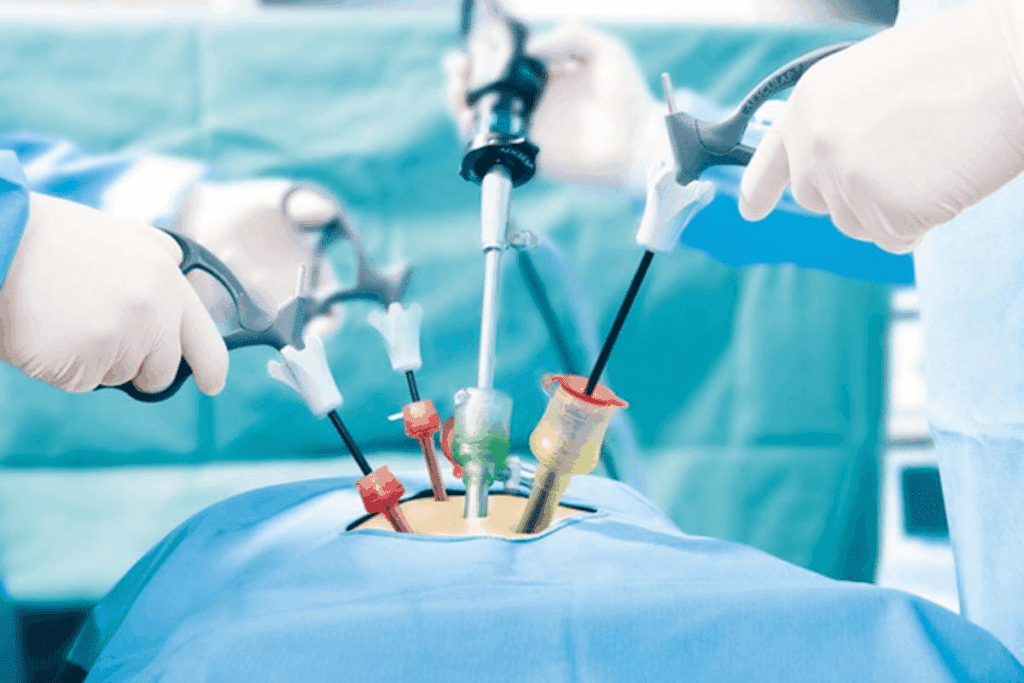
Understanding the mechanics of gastric sleeve surgery is crucial for patients preparing for this weight loss journey. Gastric sleeve surgery, a significant procedure in the realm of bariatric surgery, involves altering the stomach’s structure to facilitate weight loss.
What is Gastric Sleeve Surgery?
Gastric sleeve surgery, also known as sleeve gastrectomy, is a surgical procedure that reduces the size of the stomach by removing a significant portion of it, leaving a narrow, sleeve-like stomach. This reduction in stomach size limits the amount of food that can be consumed, thereby aiding in weight loss. The procedure is typically performed laparoscopically, involving several small incisions through which surgical instruments and a camera are inserted.
The surgery is irreversible, and the portion of the stomach removed cannot be restored. However, the benefits of significant weight loss and improvement in obesity-related health conditions often outweigh the permanence of the procedure.
How Does it Work?
The gastric sleeve surgery works by reducing the capacity of the stomach, which in turn reduces food intake. After the surgery, patients feel full sooner and tend to eat less, leading to weight loss. The sleeve gastrectomy diet plays a crucial role in the success of the surgery, as it guides patients through the various dietary stages post-surgery, from clear liquids to solid foods.
A well-planned bariatric eating plan is essential for patients undergoing gastric sleeve surgery. This plan not only helps in achieving significant weight loss but also in maintaining overall health by ensuring adequate nutrition. The dietary stages are designed to allow the stomach to heal while gradually introducing more substantial foods, minimizing the risk of complications.
Post-surgery, patients must adhere to a strict dietary regimen that includes gastric sleeve eating guidelines. These guidelines emphasize the importance of eating small, frequent meals, avoiding high-calorie foods, and ensuring adequate protein intake to support overall health and weight loss.
The Gastric Sleeve Diet Basics
Gastric sleeve surgery marks the beginning of a new dietary journey, one that requires careful planning and adherence to specific nutritional guidelines. As we guide you through the recovery process, understanding the dietary phases and nutritional requirements is crucial for a successful outcome.
Initial Post-Op Dietary Phases
Immediately after gastric sleeve surgery, patients are advised to follow a liquid diet, gradually progressing to pureed and soft foods. This progression is critical for allowing the stomach to heal and for minimizing potential complications.
The initial dietary phases typically include:
- Clear liquids: water, clear broths, and electrolyte-rich beverages.
- Pureed foods: blended foods that are easy to digest.
- Soft foods: foods that are soft in texture and easy to chew.
As stated by a renowned bariatric surgeon, “The key to a successful recovery lies in the patient’s ability to adhere to the recommended dietary phases, ensuring a smooth transition to a healthier lifestyle.”
“The dietary guidelines post-gastric sleeve surgery are designed to support the patient’s nutritional needs while promoting healing and minimizing discomfort.”
Importance of Protein Intake
Protein intake is crucial for healing and maintaining muscle mass after gastric sleeve surgery. We recommend that patients prioritize protein-rich foods and supplements to meet their daily nutritional needs.
High-protein foods that are suitable for the post-operative diet include:
- Lean meats: chicken, turkey, and fish.
- Eggs and dairy products.
- Protein shakes and supplements.
As we emphasize the importance of protein, it’s also vital to stay hydrated by drinking plenty of water throughout the day.
Transitioning Through Dietary Stages
Understanding the different dietary stages after gastric sleeve surgery is crucial for a successful recovery. As you progress from one stage to the next, it’s essential to be mindful of the foods you introduce to your diet to ensure tolerance and minimize complications.
Clear Liquid Phase: What to Expect
The initial stage after gastric sleeve surgery is the clear liquid phase, which typically lasts for a few days. During this phase, you’ll need to consume liquids that are clear and easy to digest. Examples include:
- Broth
- Clear juice
- Water
- Electrolyte-rich beverages
It’s crucial to stay hydrated and follow your healthcare provider’s recommendations for the clear liquid diet.
Pureed Foods Phase: Safe Choices
Once you’ve progressed from the clear liquid phase, you’ll move on to the pureed foods phase. This stage involves consuming foods that are blended to a smooth consistency. Some safe choices include:
- Pureed vegetables
- Blended fruits
- Protein shakes
- Soft, blended meats
As you introduce new foods, monitor your body’s response and adjust your diet accordingly.
Soft Foods Introduction: Guidelines
The soft foods phase is a significant step towards returning to a more normal diet. During this stage, you can start introducing soft, solid foods that are easy to chew and swallow. Guidelines for this phase include:
- Eating small, frequent meals
- Choosing soft proteins like chicken or fish
- Incorporating cooked vegetables and fruits
- Avoiding tough or dry foods
As you progress through the soft foods phase, continue to listen to your body and adjust your diet as needed.
“The key to a successful recovery is patience and adherence to the dietary stages,” says a bariatric nutrition expert. “By following the guidelines for each phase, patients can minimize complications and achieve their weight loss goals.”
Long-Term Gastric Sleeve Diet Guidelines
A balanced and nutritious diet is essential for achieving and maintaining the desired results after gastric sleeve surgery. We will guide you through the recommended foods and those to avoid, ensuring a smooth transition to your new dietary lifestyle.
Recommended Foods for a Healthy Diet
Focus on consuming lean proteins, vegetables, fruits, and whole grains. These foods provide essential nutrients and help in maintaining a healthy weight. Examples include:
- Grilled chicken and fish
- Broccoli and other leafy greens
- Apples and berries
- Brown rice and quinoa
Eating a variety of these foods will help ensure you’re getting the necessary nutrients for optimal health after sleeve surgery eating becomes your new normal.
Foods to Avoid After Surgery
Certain foods can cause discomfort or complications after gastric sleeve surgery. It’s best to avoid:
- High-calorie, high-fat, and high-sugar foods
- Carbonated drinks
- Foods that are difficult to digest, such as tough meats, raw vegetables, and spicy foods
Avoiding these foods is crucial for a successful gastric sleeve food plan, helping you navigate the challenges of adjusting to a bariatric meal plan.
As you transition to your new dietary lifestyle, remember that patience and consistency are key. By making informed choices about your diet, you can achieve long-term success and enjoy the benefits of your gastric sleeve surgery.
“The key to successful weight loss after gastric sleeve surgery is not just about the operation itself, but about the lifestyle changes that follow.”
A trusted voice in bariatric care
Portion Control and Eating Habits
Gastric sleeve patients often find that their relationship with food changes significantly after surgery, requiring new strategies for portion control and mindful eating. As you navigate your gastric sleeve lifestyle, developing healthy eating habits is crucial for a successful weight loss journey and overall well-being.
After gastric sleeve surgery, your stomach size is significantly reduced, making it essential to manage your food intake carefully. Portion control becomes vital to avoid overeating, which can lead to discomfort and complications. We will guide you through the importance of portion management and provide tips on mindful eating to help you adapt to your new bariatric lifestyle.
Importance of Portion Management
Effective portion management is key to a successful recovery and long-term weight loss. By controlling the amount of food you eat, you can:
- Reduce the risk of overeating and associated discomfort
- Ensure you’re getting the necessary nutrients without overloading your stomach
- Develop a healthier relationship with food, focusing on quality rather than quantity
To manage portions effectively, we recommend using smaller plates and bowls to help gauge your food intake. Measuring your food portions can also be helpful, especially during the initial stages after surgery.
Mindful Eating Techniques
Mindful eating is about being fully present and engaged while eating, paying attention to the taste, texture, and smell of your food. This practice can help you:
- Eat more slowly and stop when you feel satisfied, rather than stuffed
- Enjoy your food more and reduce stress around eating
- Recognize and respond to hunger and fullness cues more effectively
To incorporate mindful eating into your daily routine, try to eat without distractions, such as turning off the TV or eating away from your desk. Savor each bite, and take breaks between bites to assess your hunger and fullness levels.
By combining effective portion management with mindful eating techniques, you can navigate your post-surgery eating journey more smoothly, supporting your overall health and weight loss goals.
Nutritional Supplements After Surgery
To ensure proper nutrition after gastric sleeve surgery, patients must consider incorporating supplements into their diet. Gastric sleeve surgery significantly alters the digestive process, potentially leading to deficiencies in essential vitamins and minerals.
We recommend that patients work closely with their healthcare provider to determine the best supplement regimen. This may include a range of vitamins and minerals crucial for maintaining overall health.
Essential Vitamins and Minerals
After gastric sleeve surgery, patients often require supplements to compensate for the reduced absorption of nutrients. Key supplements may include:
- Multivitamins: To fill any nutritional gaps in the diet.
- Calcium: Crucial for bone health, particularly when combined with vitamin D.
- Vitamin B12: Essential for nerve function and the production of red blood cells.
- Iron: Important for preventing anemia, especially in women of childbearing age.
For more detailed information on vitamin supplements after bariatric surgery, you can visit .
How to Choose the Right Supplements
Choosing the right supplements can be challenging due to the numerous options available. Here are some guidelines to follow:
- Consult with your healthcare provider to determine the most appropriate supplements based on your individual needs.
- Opt for high-quality supplements from reputable manufacturers.
- Be aware of the potential interactions between supplements and any medications you are taking.
By carefully selecting the right supplements and following a bariatric food plan, patients can help ensure they are getting the necessary nutrients for optimal health after sleeve surgery nutrition procedures.
Maintaining the right gastric sleeve portions and being mindful of nutritional intake are crucial aspects of post-surgery care. We are committed to supporting our patients through every step of their journey, providing comprehensive guidance and care.
Weight Loss Expectations and Timeline
Understanding your weight loss expectations after gastric sleeve surgery is crucial for a successful journey. We will guide you through the typical weight loss journey and the factors that can influence your progress, helping you stay motivated and focused on your goals.
Typical Weight Loss Journey
The weight loss journey after gastric sleeve surgery is characterized by several stages. Initially, patients experience a significant weight loss in the first few months following surgery. This is due to the reduced stomach size, which limits food intake.
On average, patients can expect to lose 60-70% of their excess weight within the first year after surgery. The rate of weight loss tends to slow down after the first year, but patients continue to lose weight steadily over the next 18-24 months.
Factors Influencing Weight Loss
Several factors can influence the rate and amount of weight loss after gastric sleeve surgery. These include:
- Diet and Nutrition: Adhering to a healthy, balanced diet is crucial for optimal weight loss.
- Physical Activity: Regular exercise not only enhances weight loss but also improves overall health and well-being.
- Hydration: Drinking enough water is essential for maintaining proper bodily functions and supporting weight loss.
- Follow-Up Care: Regular follow-up appointments with your healthcare provider help monitor progress and address any issues promptly.
Common Challenges After Gastric Sleeve
The journey after gastric sleeve surgery involves not just physical recovery but also adapting to new dietary and emotional challenges. As patients progress through their weight loss journey, they may encounter several common hurdles that can impact their long-term success.
Overcoming Emotional Eating
Emotional eating is a significant challenge many patients face after gastric sleeve surgery. It’s essential to distinguish between physical hunger and emotional triggers that lead to eating. Mindful eating techniques can help patients become more aware of their hunger and fullness cues, reducing the likelihood of overeating or making unhealthy food choices.
To overcome emotional eating, patients can benefit from:
- Keeping a food diary to track eating habits and identify patterns
- Practicing stress-reducing activities like meditation or yoga
- Seeking support from a therapist or support groups to address underlying emotional issues
Dealing with Hunger and Cravings
Managing hunger and cravings is another crucial aspect of the post-gastric sleeve diet. Initially, patients may experience reduced hunger due to the reduced stomach size. However, as they progress, they may encounter hunger pangs or cravings for specific foods. Staying hydrated and consuming protein-rich foods can help mitigate these feelings.
Strategies for dealing with hunger and cravings include:
- Eating smaller, frequent meals to maintain stable energy levels
- Incorporating fiber-rich foods to enhance satiety
- Avoiding sugary and high-calorie foods that can trigger cravings
By understanding and addressing these common challenges, patients can better navigate their post-operative journey and achieve a more successful outcome. Our team is committed to providing comprehensive support and guidance to help patients overcome these hurdles and maintain a healthy, balanced lifestyle after gastric sleeve surgery.
Long-Term Health Considerations
To achieve optimal long-term health after gastric sleeve surgery, it’s essential to prioritize nutritional intake monitoring and regular check-ups. We emphasize the importance of these practices in ensuring continued health and well-being.
Nutritional Monitoring
Monitoring bariatric nutrition is vital to prevent complications and ensure that the body is receiving the necessary nutrients. We recommend keeping track of daily protein intake, vitamin levels, and mineral consumption.
- Protein intake should be prioritized to maintain muscle mass and overall health.
- Regular blood tests can help identify any nutritional deficiencies early on.
- A balanced gastric sleeve nutrition rich in essential nutrients supports overall health and weight loss.
Regular Check-Ups and Follow-Up Care
Regular check-ups with healthcare providers are crucial for monitoring progress and addressing any concerns or complications that may arise. We recommend scheduling regular follow-up appointments to ensure long-term success, adhering to a sleeve gastrectomy diet and monitoring nutritional intake.
Follow-Up Care | Frequency | Purpose |
Initial Follow-Up | 1-2 weeks post-surgery | Monitor healing and address immediate concerns |
Regular Check-Ups | Every 3-6 months | Monitor nutritional intake, weight loss, and overall health |
Annual Check-Ups | Once a year | Comprehensive health assessment and nutritional evaluation |
Conclusion: Finding Your New Normal
As you navigate the journey after gastric sleeve surgery, adopting a new lifestyle is crucial for long-term success. We help you understand the importance of embracing dietary changes and staying motivated to maintain your weight loss and enjoy a healthier life.
Lifestyle Adjustments
Embracing a gastric sleeve lifestyle involves more than just dietary changes; it’s about adopting a bariatric lifestyle that promotes overall well-being. This includes being mindful of your post surgery eating habits and making informed choices to support your health goals.
Staying on Track
To maintain your progress, we recommend celebrating your achievements along the way. By acknowledging your successes and staying committed to your new lifestyle, you’ll be better equipped to overcome challenges and achieve a more fulfilling life.
FAQ
What is the gastric sleeve surgery diet?
The gastric sleeve surgery diet is a carefully structured eating plan that progresses through several phases, from clear liquids to soft foods, and eventually to a balanced diet, helping your stomach heal and adjust to its new size.
How long does it take to recover from gastric sleeve surgery?
Recovery time varies, but most people can return to their normal activities within a few weeks. The initial dietary phases typically last several weeks, during which you’ll progress from clear liquids to more substantial foods.
What foods should I avoid after gastric sleeve surgery?
After gastric sleeve surgery, it’s recommended to avoid high-calorie, high-fat, and high-sugar foods, as well as carbonated drinks and foods that are difficult to digest, such as tough meats or fibrous vegetables.
How much protein should I consume after gastric sleeve surgery?
Protein intake is crucial after gastric sleeve surgery. We recommend consuming at least 60-80 grams of protein per day to support healing, maintain muscle mass, and promote satiety.
Can I drink alcohol after gastric sleeve surgery?
It’s generally advised to avoid or limit alcohol consumption after gastric sleeve surgery, as it can be more potent due to the reduced stomach size and may lead to nutritional deficiencies.
How do I manage hunger and cravings after gastric sleeve surgery?
To manage hunger and cravings, we recommend eating smaller, frequent meals, choosing protein-rich foods, and staying hydrated. Additionally, practicing mindful eating techniques can help you develop a healthier relationship with food.
What nutritional supplements will I need after gastric sleeve surgery?
After gastric sleeve surgery, you may need to supplement your diet with essential vitamins and minerals, such as vitamin B12, iron, and calcium, to prevent deficiencies. We will provide guidance on choosing the right supplements.
How will I know if I’m losing weight too quickly?
If you’re losing weight too quickly, you may experience symptoms such as dizziness, fatigue, or hair loss. It’s essential to follow up with our team regularly to monitor your weight loss progress and adjust your diet as needed.
Can I expect to feel hungry all the time after gastric sleeve surgery?
Initially, you may experience hunger, but as you progress through the dietary phases and adjust to your new stomach size, hunger should decrease. Practicing mindful eating and choosing nutrient-dense foods can help manage hunger.
How often should I follow up with my healthcare team after gastric sleeve surgery?
Regular follow-up care is crucial after gastric sleeve surgery. We recommend scheduling follow-up appointments with our team to monitor your progress, address any concerns, and adjust your diet and supplements as needed.
References
National Center for Biotechnology Information. Evidence-Based Medical Insight. Retrieved from https://pubmed.ncbi.nlm.nih.gov/30802311/