
Understanding the intricacies of gastric sleeve surgery enables patients to make informed decisions about their weight loss journey and the benefits this surgery can provide. Got gastric sleeve gas? Get our ultimate survival guide. Learn the surprising causes and the essential, proven tips for fast relief.
We understand that dealing with post surgery gas can be both uncomfortable and embarrassing. However, it’s essential to recognize that this is a relatively common side effect of bariatric surgery. Various factors contribute to this issue, including swallowing excessive air and changes in digestion.
At our institution, we are committed to providing comprehensive care and support to our patients, including guidance on managing gas and bloating after surgery. We will walk you through the causes, effects, and most importantly, strategies to mitigate these discomforts.
Key Takeaways
- Gas and bloating are common after gastric sleeve surgery.
- Factors contributing to gas include swallowing air and digestive changes.
- Managing gas effectively is crucial for comfort and recovery.
- Our team provides personalized support and guidance.
- Understanding the causes can help in mitigating the effects.
- Strategies to manage gas will be discussed in detail.
Understanding the intricacies of gastric sleeve surgery
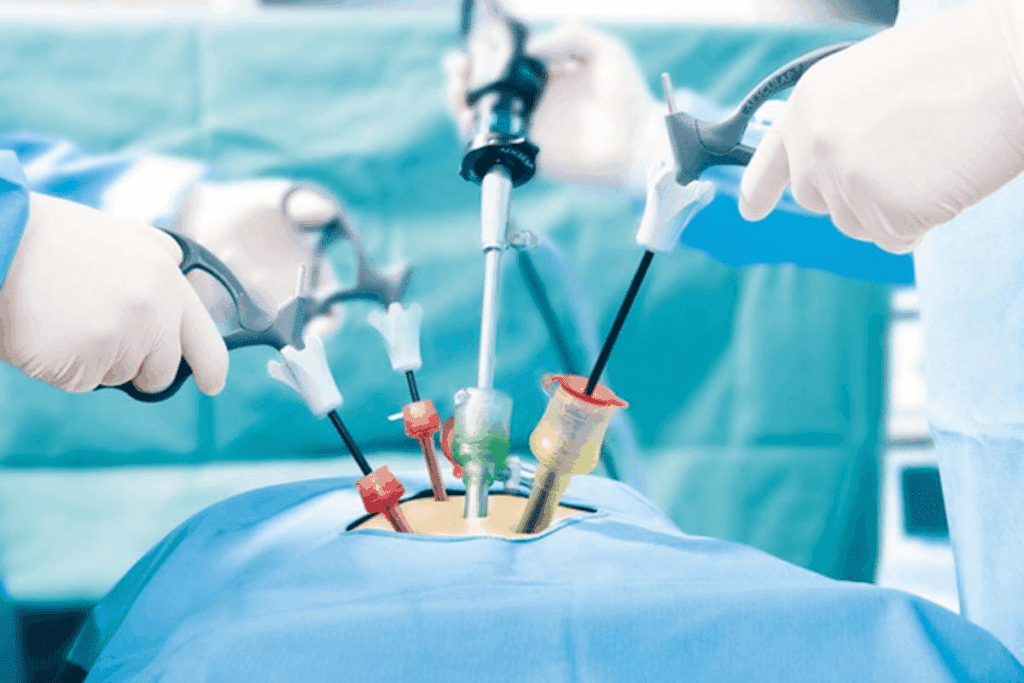
Sleeve gastrectomy, or gastric sleeve surgery, is a bariatric surgical procedure aimed at reducing stomach size. We will guide you through the fundamentals of this surgery, including its definition, mechanism, and benefits, to help you understand its implications on your overall health and weight loss journey.
What is Gastric Sleeve Surgery?
Understanding the intricacies of gastric sleeve surgery enables patients to make informed decisions about their weight loss journey and the benefits this surgery can provide.
How Does Gastric Sleeve Work?
Understanding the intricacies of gastric sleeve surgery enables patients to make informed decisions about their weight loss journey and the benefits this surgery can provide.
Understanding the intricacies of gastric sleeve surgery enables patients to make informed decisions about their weight loss journey and the benefits this surgery can provide.
The benefits of gastric sleeve surgery extend beyond significant weight loss. Some of the key advantages include:
- Improved obesity-related health conditions, such as type 2 diabetes and hypertension.
- Enhanced overall quality of life, with increased mobility and energy levels.
- Reduced risk of heart disease and other obesity-related complications.
Understanding the intricacies of gastric sleeve surgery enables patients to make informed decisions about their weight loss journey and the benefits this surgery can provide.
Post-Operative Changes

After undergoing gastric sleeve surgery, patients often experience a range of post-operative changes that are crucial for their recovery and long-term weight loss success. These changes are not limited to physical adaptations but also include significant dietary modifications.
Physical Changes After Surgery
Physically, patients may notice several changes as their body adjusts to the surgery. The stomach’s reduced size leads to a feeling of fullness sooner, which is a desired outcome for weight loss. However, this adjustment period can also bring about certain challenges, such as fatigue, hair loss, and changes in bowel movements. It’s essential for patients to be aware of these potential changes to manage their expectations and recovery effectively.
We recommend that patients follow a structured post-operative care plan to mitigate some of these physical changes. This includes gradual progression from liquid to solid foods, staying hydrated, and incorporating gentle exercises as advised by their healthcare provider.
Dietary Modifications
Dietary adjustments are a critical component of the post-operative changes after gastric sleeve surgery. Patients must transition to a nutrient-rich, balanced diet that supports their weight loss goals and overall health. This involves eating smaller, more frequent meals, avoiding high-calorie foods, and ensuring adequate protein intake.
- Eat slowly and chew food thoroughly to aid digestion.
- Avoid carbonated drinks and high-sugar foods that can cause discomfort.
- Stay hydrated by drinking water throughout the day.
By making these dietary modifications, patients can not only support their weight loss journey but also minimize potential digestive discomforts, such as gas and bloating, which are common post-operative symptoms.
Gas and Bloating After Gastric Sleeve
Understanding the intricacies of gastric sleeve surgery enables patients to make informed decisions about their weight loss journey and the benefits this surgery can provide.
Factors Contributing to Gas
Several factors can contribute to gas and bloating after gastric sleeve surgery. These include eating certain foods that are difficult to digest, swallowing air while eating or drinking, and changes in digestion due to the surgery.
After gastric sleeve surgery, the way the body digests food changes significantly. Certain foods can become difficult to digest, leading to gas. Moreover, swallowing air can also contribute to bloating.
Common Symptoms of Gas
Common symptoms of gas and bloating after gastric sleeve surgery include abdominal discomfort or pain, visible bloating, and passing gas frequently.
Symptom | Description |
Abdominal Discomfort | Patients may experience pain or discomfort in the abdominal area due to gas buildup. |
Visible Bloating | The abdomen may appear swollen or bloated, which can be uncomfortable and noticeable. |
Frequent Gas Passing | Patients may find themselves passing gas more frequently than usual, which can be embarrassing. |
Understanding these symptoms and their causes can help patients manage their discomfort and improve their overall recovery experience.
Farting After Gastric Sleeve
Farting after gastric sleeve surgery is a topic many patients are curious about, as they navigate post-operative changes. We understand that this is a sensitive issue, and we’re here to provide you with comprehensive information to address your concerns.
Is It Normal to Fart?
Understanding the intricacies of gastric sleeve surgery enables patients to make informed decisions about their weight loss journey and the benefits this surgery can provide.
It’s essential to note that the frequency and volume of gas can vary significantly from one person to another. Factors such as dietary changes, the efficiency of digestion, and individual tolerance to certain foods can all influence gas production.
Frequency of Gas Passing
The frequency of passing gas after gastric sleeve surgery can be quite different for each patient. Some may experience an increase in flatulence, while others might not notice a significant change. We recommend keeping a food diary to track any changes in gas production and identify potential trigger foods.
Managing gas effectively involves understanding the causes and making appropriate lifestyle adjustments. We will explore these adjustments in more detail in subsequent sections, but it’s crucial to remember that patience and flexibility are key as your body adjusts to the changes post-surgery.
Understanding the intricacies of gastric sleeve surgery enables patients to make informed decisions about their weight loss journey and the benefits this surgery can provide.
Managing Gas Pain
Effective management of gas pain is essential for patients who have undergone gastric sleeve surgery to ensure a smooth recovery. Gas pain can be a significant source of discomfort, but there are several strategies that can help alleviate it.
Helpful Tips for Relief
To manage gas pain, patients can adopt several helpful tips. Dietary adjustments play a crucial role in minimizing gas production. We recommend eating smaller, more frequent meals to ease digestion.
Some specific dietary changes can help reduce gas pain. These include avoiding carbonated drinks and reducing intake of gas-producing foods like beans and cabbage. Eating slowly and chewing food thoroughly can also make a difference.
In addition to dietary changes, other remedies can provide relief. Over-the-counter gas relief medications can be helpful, and applying a heating pad to the abdomen may also alleviate discomfort.
When to Consult a Doctor
While many cases of gas pain can be managed with the above tips, there are instances where medical attention is necessary. If gas pain is severe, persistent, or accompanied by other concerning symptoms like vomiting or fever, patients should consult their doctor.
Tip | Description |
Avoid Carbonated Drinks | Reduces gas production |
Eat Smaller Meals | Eases digestion |
Use Gas Relief Medication | Alleviates gas pain |
Apply Heating Pad | Relaxes abdominal muscles |
Understanding the intricacies of gastric sleeve surgery enables patients to make informed decisions about their weight loss journey and the benefits this surgery can provide.
Diet Choices and Gas Production
Understanding the impact of diet on gas production is essential for patients post-gastric sleeve surgery. The foods we consume play a significant role in determining the level of gas discomfort experienced after the procedure.
Foods That Cause Gas
Certain foods are known to cause gas due to their composition and how they are digested. These include:
- Beans and Legumes: High in fiber and raffinose, a complex sugar that can be difficult for the body to digest.
- Cabbage and Broccoli: These cruciferous vegetables contain raffinose, contributing to gas production.
- Carbonated Drinks: Drinks like soda and beer can lead to swallowing air, increasing gas in the digestive system.
- Dairy Products: For individuals with lactose intolerance, dairy products can cause gas and discomfort.
Being aware of these gas-causing foods can help patients make informed dietary choices to minimize discomfort.
Recommended Foods Post-Surgery
Post-gastric sleeve surgery, patients are advised to follow a specific diet that minimizes gas production and supports overall recovery. Recommended foods include:
Food Category | Examples | Benefits |
Lean Proteins | Chicken, Fish, Eggs | Easy to digest, rich in nutrients |
Low-Fiber Fruits | Bananas, Avocados | Gentle on the digestive system |
Cooked Vegetables | Carrots, Green Beans | Easier to digest when cooked |
By incorporating these foods into their diet, patients can reduce the likelihood of gas discomfort and support their overall recovery process.
Role of Digestion in Gas Production
Digestion plays a pivotal role in gas production, especially in individuals who have undergone gastric sleeve surgery. The digestive process involves the breakdown of food into smaller components that the body can absorb, but this process can also lead to the production of gas.
How Digestion Affects Gas
Understanding the intricacies of gastric sleeve surgery enables patients to make informed decisions about their weight loss journey and the benefits this surgery can provide.
Several factors contribute to how digestion affects gas production:
- Dietary Changes: Post-surgery dietary modifications can influence the types of food that are consumed, which in turn affects gas production.
- Digestive Enzymes: The efficiency of digestive enzymes in breaking down food can impact gas production.
- Gut Bacteria: The balance of gut bacteria plays a crucial role in fermentation and gas production.
The Impact of Eating Quickly
Eating quickly can lead to swallowing air, which is a significant contributor to gas issues. When we eat rapidly, we tend to swallow more air, which can result in discomfort, bloating, and gas. It’s essential for patients who have undergone gastric sleeve surgery to be mindful of their eating habits to minimize these issues.
To reduce the impact of eating quickly on gas production, consider the following tips:
- Eat slowly and mindfully: Take your time to chew your food thoroughly, reducing the likelihood of swallowing air.
- Avoid carbonated drinks: Drinks that are carbonated can lead to swallowing air and increase gas.
- Be aware of your body’s signals: Pay attention to feelings of fullness and discomfort to adjust your eating pace accordingly.
Understanding the intricacies of gastric sleeve surgery enables patients to make informed decisions about their weight loss journey and the benefits this surgery can provide.
Long-Term Expectations After Surgery
Understanding the intricacies of gastric sleeve surgery enables patients to make informed decisions about their weight loss journey and the benefits this surgery can provide.
Ongoing Changes Over Time
Understanding the intricacies of gastric sleeve surgery enables patients to make informed decisions about their weight loss journey and the benefits this surgery can provide.
Some of the changes include:
- Continued weight loss, although at a slower rate than immediately post-surgery
- Adjustments in dietary habits to maintain optimal nutrition
- Potential changes in bowel movements and gas production
As one patient noted, “The first few months were challenging, but as time passed, I started to feel more like myself, just healthier.” This sentiment is echoed by many who undergo this surgery, highlighting the importance of patience and persistence.
Coping with Gas Symptoms Long-Term
Coping with gas symptoms long-term involves continued dietary vigilance and potentially adjusting eating habits. It’s crucial to identify foods that cause discomfort and avoid them. We recommend keeping a food diary to track any changes in symptoms and correlating them with food intake.
Strategies for managing gas include:
- Eating smaller, more frequent meals to ease digestion
- Avoiding carbonated drinks and foods known to cause gas
- Staying hydrated to help prevent constipation
Importance of Hydration
Understanding the intricacies of gastric sleeve surgery enables patients to make informed decisions about their weight loss journey and the benefits this surgery can provide.
Impact on Digestion
Hydration plays a crucial role in digestion. Adequate water intake helps in breaking down food and absorbing nutrients, which is particularly important after gastric sleeve surgery when the stomach’s capacity is reduced. We recommend our patients to drink water regularly throughout the day to support their digestive health.
Dehydration can lead to complications such as constipation and, in severe cases, dehydration can cause serious health issues. Thus, understanding how hydration affects digestion is vital for patients to manage their post-operative care effectively.
Recommended Water Intake
The amount of water a patient should drink can vary based on individual needs, activity level, and climate. Generally, we advise patients to aim for at least 64 ounces (about 2 liters) of water per day. However, this can be adjusted based on specific recommendations from their healthcare provider.
- Drink water regularly throughout the day.
- Monitor urine output to ensure it is pale yellow or clear.
- Avoid drinking too much water at once to prevent discomfort.
Understanding the intricacies of gastric sleeve surgery enables patients to make informed decisions about their weight loss journey and the benefits this surgery can provide.
When to Seek Medical Attention
After undergoing gastric sleeve surgery, it’s crucial to be aware of the warning signs that may indicate potential complications. As your healthcare team, we emphasize the importance of monitoring your health post-operation to ensure a smooth and safe recovery.
Warning Signs After Surgery
Certain symptoms can signal that something is amiss after your surgery. It’s essential to recognize these warning signs early to prevent minor issues from becoming major complications. Some of the key warning signs include:
- Severe abdominal pain that doesn’t subside
- Fever above 101.5°F (38.6°C)
- Vomiting blood or experiencing persistent vomiting
- Increasing redness, swelling, or discharge around the surgical site
- Difficulty swallowing or severe heartburn
If you experience any of these symptoms, it’s vital to contact your healthcare provider immediately. Early intervention can significantly improve outcomes in case of complications.
Potential Complications
While gastric sleeve surgery is generally safe, as with any surgical procedure, there are potential complications to be aware of. These can include:
Complication | Description | Action Required |
Bleeding | Internal or external bleeding post-surgery | Seek immediate medical attention if you notice unusual bleeding |
Infection | Infection at the surgical site or internally | Monitor for fever, redness, or swelling, and report to your doctor |
Leakage | Leakage from the staple line | Severe abdominal pain, fever, or vomiting may indicate leakage; seek immediate help |
As emphasized by medical professionals, being aware of these potential complications and knowing when to seek help is crucial for a successful recovery.
“Prompt recognition and treatment of complications can make a significant difference in patient outcomes.”
We understand that the thought of potential complications can be daunting, but being informed and vigilant can greatly alleviate concerns. Always err on the side of caution and consult with your healthcare provider if you’re unsure about any symptoms you’re experiencing.
The Social Aspect of Farting
Farting can be embarrassing, especially in social situations, but open communication can help alleviate concerns. After gastric sleeve surgery, patients often experience changes in their digestive system, including increased gas.
Dealing with Embarrassment
Understanding the intricacies of gastric sleeve surgery enables patients to make informed decisions about their weight loss journey and the benefits this surgery can provide.
- Explain your situation to them, and they are likely to be understanding and supportive.
- Identify foods that trigger gas and try to avoid them in social settings.
- Practice relaxation techniques to help manage stress, which can contribute to gas.
Communicating with Friends and Family
Communicating effectively with friends and family about your condition can make a significant difference. We suggest being honest about your experiences and the challenges you’re facing.
Tips for Communicating | Benefits |
Be open about your condition | Reduces embarrassment and fosters understanding |
Explain your dietary changes | Helps others understand your needs and be supportive |
Discuss your feelings and concerns | Encourages empathy and strengthens relationships |
Understanding the intricacies of gastric sleeve surgery enables patients to make informed decisions about their weight loss journey and the benefits this surgery can provide.
Conclusion
Managing gas and bloating is crucial for post-surgery patients undergoing bariatric recovery. As we have discussed, changes in digestion and gas production can lead to discomfort and frequent farting.
By following the dietary modifications and eating habits outlined, patients can significantly reduce gas production. For more detailed guidance on reducing gas after bariatric surgery, you can visit on the topic.
Key Takeaways for Post-Surgery Patients
Understanding the intricacies of gastric sleeve surgery enables patients to make informed decisions about their weight loss journey and the benefits this surgery can provide.
Support for a Successful Recovery
We encourage patients to stay committed to their post-operative guidelines and seek support when needed. With the right approach to gas management, patients can navigate their recovery with confidence and achieve the best possible outcomes.
FAQ
What is gastric sleeve surgery and how does it affect digestion?
Understanding the intricacies of gastric sleeve surgery enables patients to make informed decisions about their weight loss journey and the benefits this surgery can provide.
Is it normal to experience gas and bloating after gastric sleeve surgery?
Yes, it’s common for patients to experience gas and bloating after gastric sleeve surgery due to changes in digestion and the body’s ability to process certain foods. Factors such as dietary modifications, swallowing air, and the body’s adjustment to the new stomach size can contribute to gas production.
How can I manage gas pain after gastric sleeve surgery?
To relieve gas pain, patients can try dietary adjustments such as avoiding gas-producing foods, eating smaller meals, and avoiding carbonated drinks. Over-the-counter remedies like simethicone may also help alleviate gas discomfort. If gas pain persists or worsens, it’s essential to consult with a doctor for further guidance.
What foods are known to cause gas after gastric sleeve surgery?
Foods that are high in fiber, beans, cabbage, broccoli, and carbonated drinks can contribute to gas production. Patients may need to limit or avoid these foods in the post-operative period to minimize gas and discomfort.
How much water should I drink after gastric sleeve surgery?
Staying hydrated is crucial after gastric sleeve surgery. Patients are generally advised to drink at least 64 ounces (about 2 liters) of water per day, but this may vary based on individual needs and doctor recommendations.
When should I seek medical attention after gastric sleeve surgery?
Patients should seek immediate medical attention if they experience severe abdominal pain, vomiting, fever, or other concerning symptoms. These could be signs of potential complications that require prompt medical care.
How can I deal with the embarrassment of farting after gastric sleeve surgery?
Open communication with friends and family about the challenges of post-surgery digestion can help alleviate embarrassment. Additionally, making dietary adjustments to minimize gas production can also reduce the frequency of farting.
Will gas and bloating continue in the long term after gastric sleeve surgery?
While some patients may continue to experience gas and bloating, the severity often decreases over time as the body adjusts to the new stomach anatomy. Continuing to follow a balanced diet and staying hydrated can help manage gas symptoms long-term.
Can eating quickly affect gas production after gastric sleeve surgery?
Yes, eating quickly can lead to swallowing air, which can contribute to gas and discomfort. Patients are advised to eat slowly and mindfully to minimize swallowing air and reduce gas production.
Are there any dietary recommendations that can help minimize gas production after gastric sleeve surgery?
A diet rich in lean proteins, fruits, and vegetables, and low in high-fiber and gas-producing foods, can help minimize gas production. Patients should also avoid carbonated drinks and eat smaller, more frequent meals to ease digestion.
References
National Center for Biotechnology Information. Evidence-Based Medical Insight. Retrieved from https://www.ncbi.nlm.nih.gov/pmc/articles/PMC3911821/