

When thinking about weight loss surgery, knowing how well it works is key. We aim to give our patients the best and safest options. Gastric sleeve surgery has shown amazing results in helping people lose a lot of weight.Explaining the long-term gastric sleeve success rate (Weight loss and co-morbidity).
Research shows that the long-term success rate of gastric sleeve surgery is between 73-96%. This depends on who gets the surgery and how well they follow up after. Most people keep losing weight, dropping 51% to 54% of their extra body weight 10 years later.
Key Takeaways
- High success rates are associated with gastric sleeve surgery.
- Significant weight loss is achieved and maintained long-term.
- Patient selection and post-operative care are critical to success.
- VSG success rate is influenced by adherence to post-operative protocols.
- Gastric sleeve surgery leads to substantial improvement in obesity-related comorbidities.
Understanding Gastric Sleeve Surgery
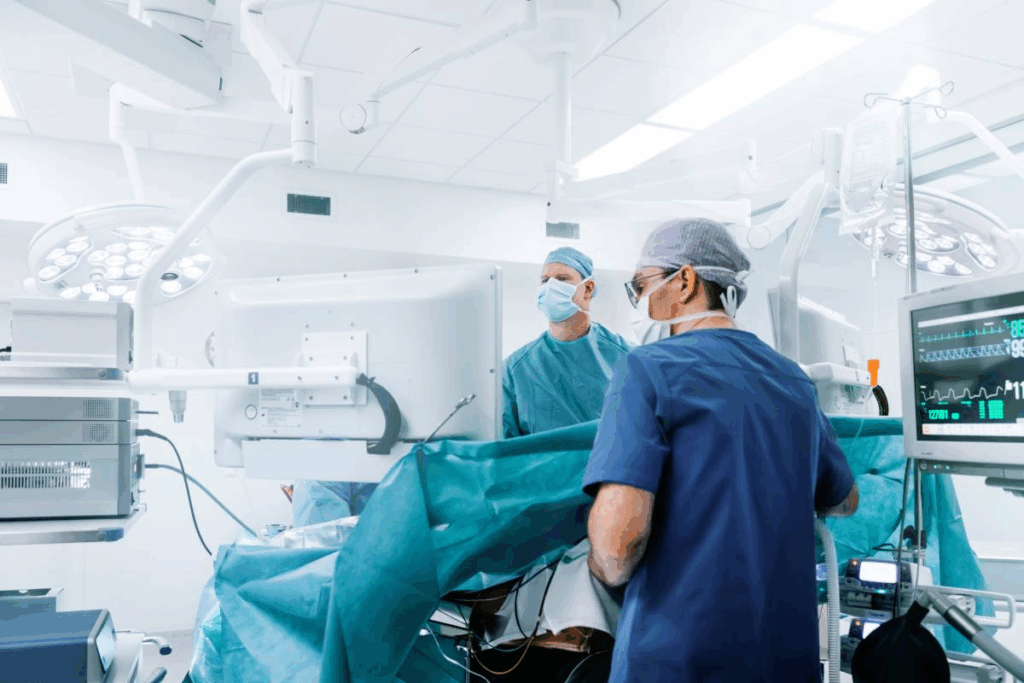
Gastric sleeve surgery, also known as sleeve gastrectomy, is a big step towards a healthier life for many. It’s a surgery that helps people lose a lot of weight and improve their health. This surgery is becoming more popular because it works well.
What is Vertical Sleeve Gastrectomy?
Vertical sleeve gastrectomy (VSG) is a type of bariatric surgery. It removes a big part of the stomach, leaving a narrow stomach. This surgery is done laparoscopically, using small cuts and a camera. It helps people eat less, which aids in weight loss.
As bariatric surgery experts say, “The gastric sleeve procedure does more than just shrink the stomach. It also changes hormones to help with weight loss.” With less stomach, there’s less hunger hormone, making it easier to eat healthy.
How the Procedure Works
The surgery reduces the stomach’s size by about 80%, limiting food intake. It involves several steps:
- Laparoscopic surgery: Small cuts are made for tools and a camera.
- Stomach resection: A big part of the stomach is removed.
- Sleeve creation: The remaining stomach is stapled into a narrow shape.
This method, along with hormonal changes, helps in losing and keeping off weight. “The gastric sleeve surgery is a powerful tool for weight loss,” say experts. “But it needs commitment to lifestyle changes.”
Candidate Selection Criteria
Not everyone is right for gastric sleeve surgery. The criteria include:
- A BMI of 40 or higher, or a BMI of 35 with health issues.
- Failed weight loss through diet and exercise.
- A team evaluation by a surgeon, dietitian, and psychologist.
The selection process is strict and tailored for each person. It makes sure patients are ready for surgery and the lifestyle changes that come with it.
Knowing about gastric sleeve surgery helps people make smart choices about losing weight.
Defining Success in Bariatric Surgery
[Add image here]
Success in bariatric surgery is measured in many ways. We look at the success rate of gastric sleeve by checking several important factors. These include how much weight patients lose, how their quality of life improves, and if they get better from health problems linked to being overweight.
The gastric sleeve success rate is not just about losing weight. It’s about how well patients do in many areas. This includes losing weight, feeling better overall, and getting rid of health issues caused by being overweight.
Excess Weight Loss Metrics
One key way to measure success is by looking at how much weight patients lose. Vertical gastric sleeve surgery helps patients lose a lot of weight. They usually lose 60% to 80% of their extra weight in the first year after surgery.
Quality of Life Improvements
Improvements in quality of life are also important. Patients often say they can move better, feel less pain, and feel better overall after gastric sleeve surgery.
Comorbidity Resolution
Getting better from health problems linked to being overweight is another key sign of success. Conditions like type 2 diabetes, high blood pressure, and high cholesterol often get much better or even go away after bariatric surgery.
By looking at these different areas, we can really understand how well gastric sleeve surgery works. We see how it changes patients’ lives for the better.
Gastric Sleeve Success Rate: Overall Statistics
Gastric sleeve surgery is a top choice for weight loss, with success rates varying. Success is measured by weight loss and better health from obesity-related issues.
Success Rate Range
Research shows a success rate range of 73% to 96% for gastric sleeve surgery. This range shows how important it is to choose the right patients and care for them well after surgery.
“The variability in success rates highlights the need for standardized criteria to evaluate the effectiveness of gastric sleeve surgery,” notes a recent study on bariatric surgery outcomes.
Factors Affecting Success Rates
Many things can affect how well gastric sleeve surgery works. These include:
- Pre-operative BMI
- Following diet and lifestyle advice after surgery
- Having other health problems
- The skill of the surgical team
Knowing these factors helps set realistic goals and improve results for patients.
Comparison to Other Bariatric Procedures
Gastric sleeve surgery compares well to other weight loss surgeries. For example, a study found both gastric sleeve and Roux-en-Y gastric bypass lead to weight loss. But, the gastric bypass group lost a bit more weight on average.
As we learn more about bariatric surgery, gastric sleeve surgery stands out. It’s a good choice for those looking to lose a lot of weight and improve their health.
First-Year Weight Loss Outcomes
Gastric sleeve surgery leads to dramatic weight loss in the first year. This is a big reason people choose it. We’ll look at how much weight is lost, how it changes over time, and what affects these results.
Expected Excess Weight Loss
Most patients lose 60-70% of their excess weight in the first year. This can vary based on several factors. On average, people lose 70-100 pounds or more in the first year.
Timeframe | Expected Excess Weight Loss |
3 months | 30-40% |
6 months | 50-60% |
12 months | 60-70% |
Timeline of Weight Loss Progression
The weight loss is fastest in the first six months. In this time, the stomach size is reduced, and hunger hormones change. After six months, the weight loss slows but keeps going for the first year.
Post-Operative Adherence Impact
Following post-operative guidelines is key to success. Eating right, attending appointments, and staying active help with weight loss. Staying on track can greatly improve the surgery’s success.
In summary, the first year after surgery is vital for weight loss. Knowing what to expect, how weight loss changes, and the importance of following guidelines helps prepare for success.
Five-Year Success Rate of Sleeve Gastrectomy
It’s important to know how well sleeve gastrectomy works over five years. This info helps those thinking about the surgery and doctors who recommend it.
Average Maintenance of Weight Loss
Research shows that about 73% of patients keep most of their weight off after five years. Keeping weight off is key to the surgery’s success.
Factors Influencing Long-Term Success
Several things help sleeve gastrectomy work well for the long haul. These include:
- Dietary Adherence: Eating healthy is key to keeping weight off.
- Regular Exercise: Staying active helps manage weight over time.
- Follow-Up Care: Seeing doctors regularly is important for tracking progress and solving problems.
Common Challenges at the Five-Year Mark
By the five-year mark, patients might face issues like weight gain or need more surgery. Knowing these challenges helps set realistic goals and plan for the future.
Factor | Impact on Success Rate |
Dietary Adherence | High |
Regular Exercise | High |
Follow-Up Care | Moderate |
Understanding these factors and challenges helps patients and doctors work together. This way, they can improve the long-term results of sleeve gastrectomy.
Long-Term VSG Success Rate: Ten Years and Beyond
The long-term success of VSG is key for both patients and doctors. Looking at how well gastric sleeve surgery works over time helps us understand its lasting benefits.
Sustained Weight Loss Statistics
Research shows that many patients keep losing weight for ten years after surgery. On average, they lose 55-60% of excess weight. This shows that VSG can help manage weight for a long time.
“The long-term weight loss outcomes after sleeve gastrectomy are encouraging, with a significant proportion of patients maintaining substantial weight loss beyond a decade,” notes a leading bariatric surgeon.
Lifestyle Modifications for Long-Term Success
Success with VSG goes beyond the surgery. It also requires big changes in lifestyle. Patients need to eat healthy, exercise regularly, and make other lifestyle changes to keep losing weight.
- Adopting a balanced diet rich in nutrients
- Engaging in regular physical activity
- Attending follow-up appointments with healthcare providers
- Making necessary adjustments to eating habits and exercise routines over time
Potential for Weight Regain
Even with great results, VSG can lead to weight gain later. This can happen due to changes in metabolism, hormones, or not sticking to healthy habits.
It’s important to remember that VSG is not a quick solution. It’s a tool for managing weight over time. By making smart lifestyle choices and staying committed, patients can get the most out of VSG.
Resolution of Obesity-Related Comorbidities
Gastric sleeve surgery does more than help you lose weight. It also helps fix health problems linked to being overweight. This includes many serious conditions.
This surgery has been proven to greatly improve health issues like type 2 diabetes, high blood pressure, and high cholesterol. We’ll look at how well it works for these problems.
Type 2 Diabetes Remission
Research shows that gastric sleeve surgery can make type 2 diabetes much better or even go away. About 47% of people see their diabetes improve or disappear. This is because of the weight loss and changes in how the body works after surgery.
Hypertension Resolution
High blood pressure is common in people who are overweight. Gastric sleeve surgery helps lower blood pressure in many patients. About 43.7% see their blood pressure go back to normal. This is good news for heart health.
Hypercholesterolemia Improvement
High cholesterol often goes hand in hand with being overweight. After gastric sleeve surgery, cholesterol levels get better for many. About 48.4% see their cholesterol levels improve. This is a step towards a healthier heart.
Fixing these health problems not only makes patients feel better but also improves their life quality. The success in treating these conditions shows the benefits of gastric sleeve surgery.
Comorbidity | Resolution/Improvement Rate (%) |
Type 2 Diabetes | 47% |
Hypertension | 43.7% |
Hypercholesterolemia | 48.4% |
The table shows that gastric sleeve surgery can really help with health problems related to being overweight. These numbers show how this surgery can help with weight loss and improve health overall.
Metabolic and Restrictive Benefits of Gastric Sleeve Surgery
Gastric sleeve surgery offers many benefits. It changes how your body works and limits how much you can eat. This makes it very effective for losing weight and improving health problems linked to being overweight.
The surgery has two main benefits. It changes how your body handles food and hormones. It also makes your stomach smaller, so you can’t eat as much.
Hormonal Changes After Surgery
One big change is in your hormones. The “hunger hormone,” ghrelin, goes down after surgery. This means you feel less hungry and can stick to a healthy diet more easily.
Other hormones like PYY and GLP-1 also change. These help you feel full longer. This helps with weight loss too.
Appetite Regulation Improvements
The surgery also makes your stomach smaller. This limits how much you can eat. It helps you eat fewer calories and lose weight.
The hormonal changes and smaller stomach work together. They help you feel less hungry and more full. This makes it easier to eat healthy.
Combined Effects on Weight Management
The surgery’s benefits work together well. Hormonal changes and a smaller stomach help you lose weight. This is why it’s so effective.
Studies show that sticking to the surgery’s rules and living healthy helps keep the weight off. This is key to long-term success.
In short, the surgery’s benefits are key to its success. Understanding these helps doctors support patients better.
Conclusion
Studies show that gastric sleeve surgery is very effective for weight loss. It helps people lose a lot of weight and improves health problems linked to being overweight. The success rate of this surgery is key to its effectiveness.
We looked at how well gastric sleeve surgery works. This includes how much weight people lose in the first year and over time. The success of the surgery depends on many things, like who gets the surgery and how well they follow up after it.
The results are impressive. Many people lose a lot of weight and keep it off. They also see big improvements in health problems like diabetes and high blood pressure.
In short, the success rate of gastric sleeve surgery proves it’s a good choice for treating obesity. Knowing what makes it work helps both patients and doctors make better choices. This leads to better health outcomes for everyone.
FAQ
What is the success rate of gastric sleeve surgery?
Gastric sleeve surgery, or vertical sleeve gastrectomy, has a success rate of 73% to 96%. On average, people lose 60-70% of their excess weight in the first year.
How is success defined in bariatric surgery?
Success in bariatric surgery is measured by weight loss, better quality of life, and fewer health problems. This includes improvements in type 2 diabetes, high blood pressure, and high cholesterol.
What is the expected weight loss outcome after gastric sleeve surgery?
After gastric sleeve surgery, people can lose 60-70% of their extra weight in the first year. This leads to a significant drop in body mass index.
How long does it take to achieve significant weight loss after gastric sleeve surgery?
Significant weight loss usually happens in the first 12-18 months after surgery. Most of the weight loss occurs in the first year.
What are the long-term benefits of gastric sleeve surgery?
Gastric sleeve surgery offers long-term benefits. These include lasting weight loss, better health, and a lower risk of new health problems.
What is the five-year success rate of sleeve gastrectomy?
Studies show that the five-year success rate of sleeve gastrectomy is about 73%. Patients keep a significant amount of weight off.
How does gastric sleeve surgery affect hunger hormones?
Gastric sleeve surgery lowers ghrelin levels. This hormone makes you hungry. With less ghrelin, you eat less and manage your weight better.
Can gastric sleeve surgery lead to the resolution of type 2 diabetes?
Yes, gastric sleeve surgery can make type 2 diabetes go away in about 47% of patients. It also improves blood sugar control.
What lifestyle modifications are necessary for long-term success after gastric sleeve surgery?
To succeed long-term, patients need to eat healthy, exercise regularly, and keep up with doctor’s appointments. This ensures they stay on track.
How does the success rate of gastric sleeve surgery compare to other bariatric procedures?
Gastric sleeve surgery’s success rate is similar to other bariatric surgeries, like gastric bypass. Some studies show it might have slightly lower success rates.
What are the common challenges patients face at the five-year mark after gastric sleeve surgery?
At the five-year mark, patients might face weight regain, nutritional issues, and the need for ongoing lifestyle changes. These are common challenges.
References
National Center for Biotechnology Information. Gastric Sleeve: Weight Loss Success Statistics. Retrieved from https://pubmed.ncbi.nlm.nih.gov/30502380/