
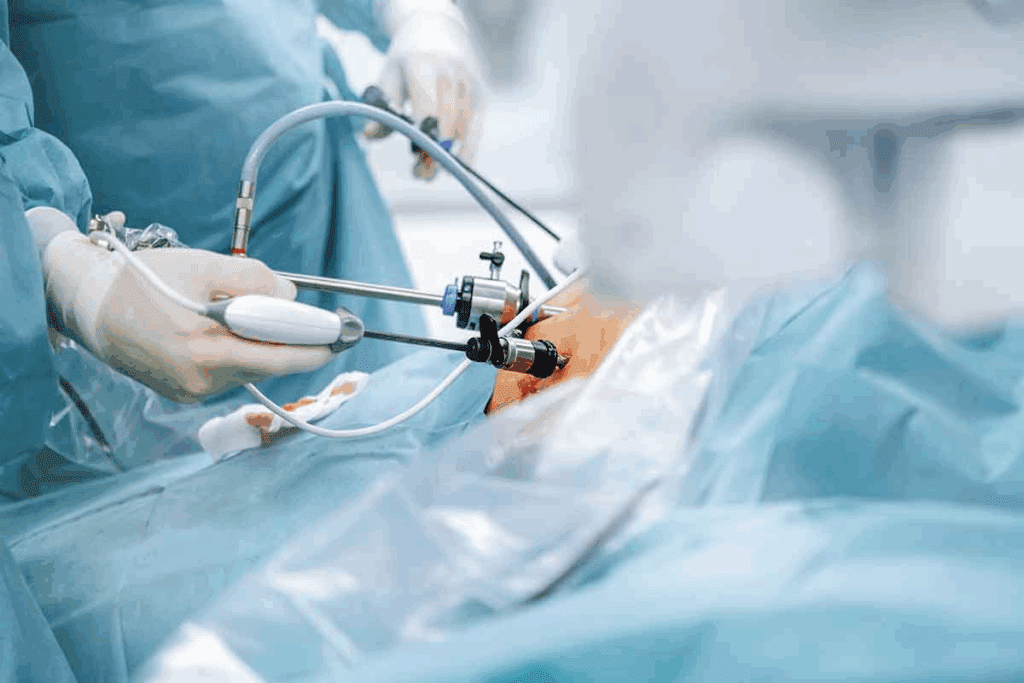
Many people who get weight loss surgery don’t always get the results they hope for. This can lead to dissatisfaction.Addressing the topic of gastric sleeve surgery regret and the common reasons why patients might feel this way.
Research shows that some patients feel regret after certain weight loss surgery. They often mention complications and not meeting their expectations as main reasons.
Choosing to have weight loss surgery is a big decision. It’s important to know the possible risks and outcomes before making a choice.
Key Takeaways
- Many patients experience regret after weight loss surgery due to complications.
- Unmet expectations are a significant factor in patient dissatisfaction.
- Understanding the risks is key before surgery.
- Outcomes can vary a lot based on different factors.
- Making an informed choice is important for a good outcome.
Understanding Gastric Sleeve Surgery: Procedure and Expectations
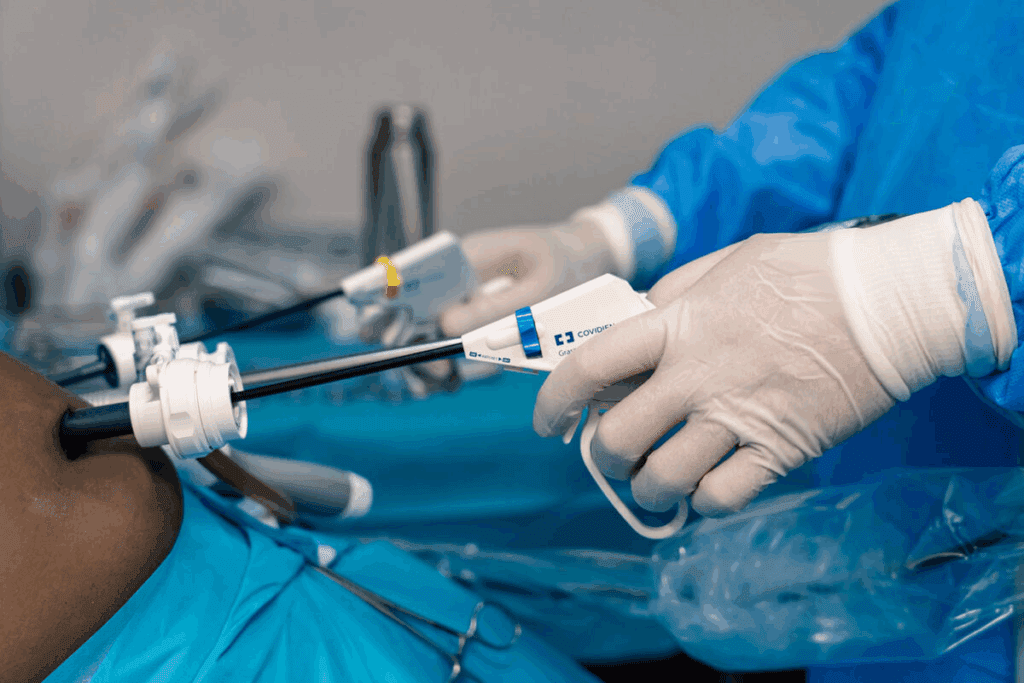
Before you get gastric sleeve surgery, it’s key to know what it is, its benefits, and risks. This surgery is a common way to lose weight. It makes your stomach smaller by removing a big part of it.
How the Procedure Works
The surgery is done through small cuts in your belly. A big part of your stomach is taken out. Then, the remaining stomach is sewn together to make a narrow tube.
Expected Outcomes and Recovery Process
After the surgery, you can expect to lose a lot of weight. It can also help with health problems like diabetes and high blood pressure. You’ll need to stay in the hospital for a day or two. Then, you’ll start eating differently and see your doctor often.
| Recovery Stage | Expected Outcomes | Timeline |
| Immediate Post-Surgery | Pain management, initial recovery | 1-2 days |
| Short-Term Recovery | Dietary adjustments, follow-up appointments | 2-6 weeks |
| Long-Term Recovery | Significant weight loss, improvement in health conditions | Several months to a year |
Typical Candidate Profile
People with a BMI of 40 or higher might be good candidates. Or, those with a BMI of 35 or higher and health problems. They should have tried other ways to lose weight and be ready for big lifestyle changes.
“Gastric sleeve surgery is not a quick fix; it’s a tool to help patients achieve significant weight loss and improve their overall health,” said a bariatric surgeon. “Patients must be prepared to make long-term lifestyle changes to achieve and maintain the desired outcomes.”
Knowing about the surgery, what to expect, and who it’s for can help you decide. It’s important to talk to a doctor before making a choice.
Gastric Sleeve Surgery Regret: How Common Is It?
Choosing to have gastric sleeve surgery is a big decision. It’s important to know about the chance of regret. This surgery helps with weight loss but also has challenges that might make some patients regret their choice.
Statistical Overview of Patient Satisfaction
Most patients are happy with their decision to have gastric sleeve surgery. But, some do feel regret. A study in the Journal of the American Medical Association found that 75% of patients were satisfied. Yet, about 25% felt some regret.
| Study | Patient Satisfaction Rate | Regret Rate |
| JAMA Study | 75% | 25% |
| Other Studies | 60-80% | 20-40% |
Common Timeframes When Regret Occurs
Regret after gastric sleeve surgery can happen at different times. Usually, it happens within the first two years. This is often when patients realize how much their life has changed or face complications.
Factors That Influence Post-Surgery Satisfaction
Many things can affect how happy a patient is after surgery. These include mental health before surgery, how much weight is lost, and support after surgery. Emotional readiness and realistic expectations are key to long-term happiness.
Knowing these factors can help manage expectations and improve results. Healthcare providers can offer better support by understanding and addressing the chance of regret. This way, they can help patients have a better experience with gastric sleeve surgery.
Physical Complications Leading to Dissatisfaction
Gastric sleeve surgery helps with weight loss but can cause physical problems. These issues can lower a patient’s quality of life. It’s important to know the risks involved.
Chronic Pain and Digestive Issues
Patients often face chronic pain and digestive problems after surgery. These issues can affect their well-being greatly.
Acid Reflux and GERD
Many patients deal with acid reflux and GERD after surgery. GERD can cause discomfort and may harm the esophagus if not treated.
Chronic Abdominal Discomfort
Some patients have ongoing stomach pain, from mild to severe. This pain can be caused by adhesions or scar tissue.
Nutritional Deficiencies and Their Long-Term Impact
Nutritional deficiencies are a big worry after gastric sleeve surgery. Patients might lack important vitamins and minerals like vitamin B12 and iron. This is because their stomach is smaller and digestion changes.
Unexpected Side Effects and Complications
Patients may also face unexpected side effects. These include hair loss, fatigue, and mood changes. These can be upsetting and affect how happy they are with the surgery.
Insufficient Weight Loss: When Results Don’t Meet Expectations
When gastric sleeve surgery doesn’t lead to the weight loss hoped for, patients often feel regret. This feeling comes from hitting weight loss plateaus, gaining weight back, and the gap between what they expected and what happened.
Weight Loss Plateaus and Their Psychological Impact
Weight loss plateaus are common after gastric sleeve surgery. When weight loss stops, patients get frustrated and feel down. As one patient said,
“I felt like I had hit a wall, and no matter what I did, the scale wouldn’t budge.”
This feeling is real, given the big changes and sacrifices made for surgery.
Weight Regain After Initial Success
Some patients lose weight at first but then gain it back. This can happen because of changes in eating habits or not following post-surgery advice. Weight regain can be really tough, making patients feel like they’ve failed or that the surgery didn’t work long-term.
Unrealistic Expectations vs. Clinical Reality
A big reason for disappointment is the difference between what patients hope for and what really happens with gastric sleeve surgery. Telling patients about realistic outcomes helps manage their hopes and lowers regret. Knowing that weight loss can vary helps patients prepare for different results.
In short, not losing enough weight after gastric sleeve surgery can deeply affect patients’ minds. By educating, supporting, and possibly changing treatment plans, we can lessen regret and disappointment.
Psychological and Emotional Aspects of Post-Surgery Regret
Gastric sleeve surgery can change a person’s life in many ways. It can lead to feelings of happiness and relief. But, it can also cause regret and dissatisfaction.
Body Image Issues After Rapid Weight Loss
Fast weight loss can affect how we see ourselves. The new body shape might not match our expectations. This can cause body image issues and worries about excess skin.
Excess skin concerns can be very upsetting. It might not be covered by insurance. And, it could need more surgeries.
Excess Skin Concerns
Loose skin after losing a lot of weight can be tough. It can make us feel self-conscious and lower our self-esteem.
New Body Identity Challenges
Getting used to a new body can be hard. We might need to learn how to dress and exercise differently. We also have to adjust how we interact with others.
Depression and Anxiety Following Surgery
Some people feel sad or anxious after surgery. This can happen because of the pressure to keep the weight off. Or, it could be because of the changes in eating habits and the emotional impact of the surgery.
| Psychological Issue | Prevalence | Common Triggers |
| Depression | 20% | Weight loss pressure, new eating habits |
| Anxiety | 15% | Adjusting to new body image, social pressures |
| Body Image Issues | 30% | Excess skin, new body identity challenges |
Transfer Addiction and New Unhealthy Coping Mechanisms
Some people might start new unhealthy habits after surgery. This could be because of food addiction or other addictive behaviors. It’s important for patients to know about these risks and get help when needed.
Lifestyle Restrictions That Cause Long-Term Regret
After gastric sleeve surgery, making big lifestyle changes is tough. Patients have to follow strict diets and new habits. These changes can really affect their happiness and well-being.
Permanent Dietary Limitations and Food Relationships
Food habits must change a lot after surgery. This can make food hard to deal with. Patients might feel they can’t eat what they want, leading to sadness and anger.
Social Implications of Eating Restrictions
Eating limits can hurt social life a lot. Food is a big part of social events. Not being able to join in can make people feel left out and alone. They might have to change how they spend time with friends and family.
Impact on Family Dynamics and Relationships
Family life can also change a lot. Family members might have to eat differently and do things they used to do. This can cause stress and make it hard to get along. Talking openly and supporting each other is key.
Knowing about these lifestyle changes can help patients get ready. It lets them make smart choices about their health and happiness.
Real Patient Stories: Experiences of Regret After Sleeve Gastrectomy
The journey to weight loss through gastric sleeve surgery is complex. Some patients regret their choice due to complications and lifestyle changes. While many lose a lot of weight, others face challenges that make them unhappy with their decision.
Case Study1: Complications and Ongoing Health Issues
She had gastric sleeve surgery and lost a lot of weight at first. But, she then faced chronic pain and digestive problems. These issues have made her life hard, leading to regret over her surgery choice.
Case Study2: Psychological Struggles Post-Surgery
He lost a lot of weight after surgery but struggled with his mind. He got depression and anxiety from the fast weight loss and the need to keep his new weight. His story shows the mental battles some face after surgery.
Case Study3: Lifestyle Adjustment Difficulties
She lost weight with gastric sleeve surgery but found it hard to change her diet. This made her feel left out at social events with food. Her story shows how hard it can be to adjust to a new lifestyle after surgery.
These stories show the complexities of regret after sleeve gastrectomy. They highlight the need for good counseling before surgery and support after. This is to help with complications, mental challenges, and lifestyle changes.
Addressing Regret: Options for Patients Post-Surgery
Regret after gastric sleeve surgery can be lessened with the right medical care and mental support. Those who regret their choice have many ways to feel better and see positive changes.
Medical Interventions for Physical Complications
For those facing physical issues, medical help can offer relief. Common interventions include:
- Nutritional counseling to manage deficiencies
- Medications to alleviate symptoms such as chronic pain or digestive issues
- Surgical revisions to correct complications or improve weight loss outcomes
These steps are customized for each person, aiming for the best results.
Psychological Support Resources
Psychological support is key for those feeling regret. Support resources include:
- Counseling or therapy to address body image issues or depression
- Support groups to connect with others who have faced similar challenges
- Mindfulness and stress management techniques to handle the emotional effects of surgery
These tools help patients find ways to cope and boost their mental health.
Revision Surgeries: Possibilities and Limitations
Revision surgeries might be an option for some, but they carry risks and limitations. Key considerations include:
- The chance for better weight loss or fixing issues
- The risks of more surgery, like infection or adhesions
- The need for a thorough check to see if revision surgery is right
Those thinking about revision surgery should talk to their doctor to understand their choices fully.
How to Avoid Regret: Pre-Surgery Considerations
Choosing gastric sleeve surgery needs careful thought and research to avoid regret. It’s important to know all about the surgery, its benefits, and risks. This ensures the decision is right for your health and happiness.
Thorough Research and Setting Realistic Expectations
Doing your homework is key before gastric sleeve surgery. You should grasp how the surgery works, its outcomes, and recovery. It’s also important to have realistic expectations. Remember, losing weight takes a long-term commitment to diet and exercise.
For more information, consult resources like the American Society for Metabolic and Bariatric Surgery (ASMBS) for guidance.
Choosing the Right Surgeon and Medical Facility
Finding a skilled surgeon and a top-notch medical facility is essential. Look for surgeons certified by the ASMBS with lots of experience in gastric sleeve surgeries. The facility should also have a strong track record in bariatric surgeries.
Verifying credentials and reading patient reviews can guide your choice.
Psychological Preparation and Building Support Systems
Psychological preparation is just as important as physical. Be ready for emotional and psychological changes with weight loss. Having a support system like family, friends, and groups is key. It offers the encouragement needed during recovery and later.
Counseling or therapy can also help with food and body image issues.
By considering these points before surgery, you can lower regret risks. This boosts your chances of a successful surgery outcome.
Conclusion: Making an Informed Decision About Gastric Sleeve Surgery
Gastric sleeve surgery is a big decision that needs careful thought. It’s important to understand the chance of regret and why it happens. This helps in making a well-informed choice.
Studies show that while many lose weight successfully, some feel regret. This can be due to physical issues, not losing enough weight, or psychological factors.
To avoid feeling regret, it’s key to have realistic hopes and do thorough research. Knowing the procedure well is also important. Choosing the right surgeon and having a support system can help too.
In the end, deciding on gastric sleeve surgery means looking at the good and bad sides. It’s about understanding your own situation. This way, you can lower the chance of regret and have a good outcome with your surgery.
FAQ
References
National Center for Biotechnology Information. Evidence-Based Medical Insight. Retrieved from https://pubmed.ncbi.nlm.nih.gov/37653161/
What is the typical regret rate for gastric sleeve surgery patients?
The regret rate for gastric sleeve surgery patients varies. It’s important to know that unrealistic expectations and not being ready for lifestyle changes can lead to regret.
How common is dissatisfaction after bariatric surgery?
Many patients are happy with their bariatric surgery. But, some feel unhappy due to not losing enough weight, physical problems, or mental health issues.
What are the most common physical complications that lead to regret after gastric sleeve surgery?
Common issues include chronic pain, digestive problems like acid reflux, and nutritional deficiencies. These can greatly affect a patient’s life and cause regret.
Can psychological factors contribute to regret after gastric sleeve surgery?
Yes, mental health issues like body image problems, depression, anxiety, and addiction can cause regret after surgery. It shows the importance of mental support.
How can patients avoid regret after gastric sleeve surgery?
To avoid regret, patients should research well, have realistic goals, and choose a good surgeon and hospital. They also need to prepare mentally for the surgery and its effects.
What options are available to patients who experience regret after gastric sleeve surgery?
Patients can get help for physical issues, mental support, and sometimes, revision surgery. But, revision surgery has risks and limitations.
Are there any long-term lifestyle restrictions after gastric sleeve surgery that can lead to regret?
Yes, the surgery means permanent diet changes. This can affect social life and family, leading to regret if not managed well.
How does insufficient weight loss contribute to regret after gastric sleeve surgery?
Not losing enough weight, including plateaus and regain, can cause disappointment and regret. This is more likely if patients had high hopes for weight loss.
Can patients who experience regret after gastric sleeve surgery benefit from psychological support?
Absolutely, mental support is key for those feeling regret. It helps with body image, depression, anxiety, and other emotional challenges.
What role does choosing the right surgeon and medical facility play in minimizing regret after gastric sleeve surgery?
Picking a skilled surgeon and a trusted hospital is vital. It lowers the chance of problems and regret, ensuring quality care and support.