Understand Diverticulitis, a common digestive condition involving inflamed pouches in the colon. Learn about the definition, symptoms, and when to seek medical care.
What Is Diverticulitis?
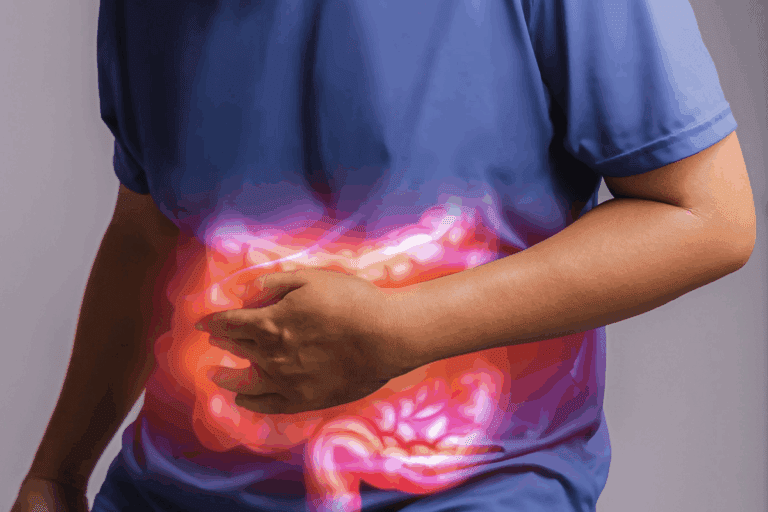
Diverticulitis is a gastrointestinal condition that occurs when small, bulging pouches called diverticula, which develop in the lining of the digestive system, become inflamed or infected. These pouches are most commonly found in the lower part of the large intestine, known as the colon. While the presence of these pouches alone is a condition called diverticulosis, it only becomes a medical emergency when they become blocked or irritated, leading to severe abdominal distress. In a professional clinical setting, this is recognized as an acute inflammatory process that requires careful monitoring to prevent complications such as abscesses or perforations in the intestinal wall.
The Scope of the Condition
The condition can range from a mild, acute episode that resolves quickly with medication, to a severe, complicated infection. In severe cases, the inflamed pouches can rupture, spilling intestinal waste and bacteria into the abdominal cavity. This can lead to dangerous complications like abscesses, intestinal blockages, fistulas, or peritonitis (a life-threatening inflammation of the abdominal cavity).
Clinical Assessment
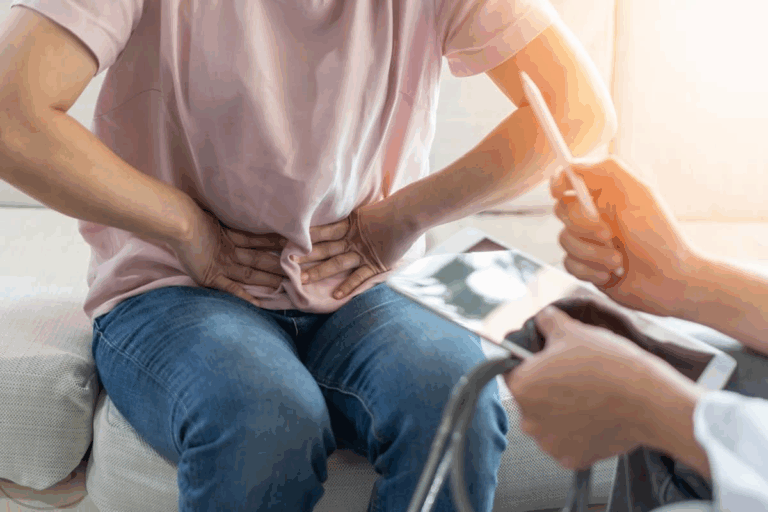
Because the symptoms overlap heavily with other causes of abdominal pain—such as appendicitis, kidney stones, or irritable bowel syndrome—a thorough clinical evaluation is necessary. Your doctor will perform a physical exam to check for localized tenderness in your abdomen. Women may also undergo a pelvic exam to rule out gynecological issues. Blood tests are routinely ordered to check for elevated white blood cells, which indicate an active infection.
Advanced Imaging
The gold standard for diagnosing this condition during an acute flare-up is a CT scan of the abdomen and pelvis. A CT scan can clearly show the inflamed or infected pouches and confirm the diagnosis. Crucially, the scan also allows the doctor to see the severity of the disease and identify if any dangerous complications, such as an abscess or a bowel perforation, have already formed.
Managing Mild Cases
If your symptoms are mild and a CT scan shows no complications, your diverticulitis treatment can usually be managed at home. Your doctor will likely prescribe a short course of oral antibiotics to clear the infection and over-the-counter pain relievers. You will also be placed on a strict liquid diet for a few days to allow your bowel to rest and heal.
Interventions for Severe Cases
If you have a severe attack or other health problems, you will likely need to be hospitalized. Hospital-based diverticulitis treatments include intravenous (IV) antibiotics and IV fluids. If an abscess has formed, a doctor may need to drain it by inserting a tube through your abdomen.
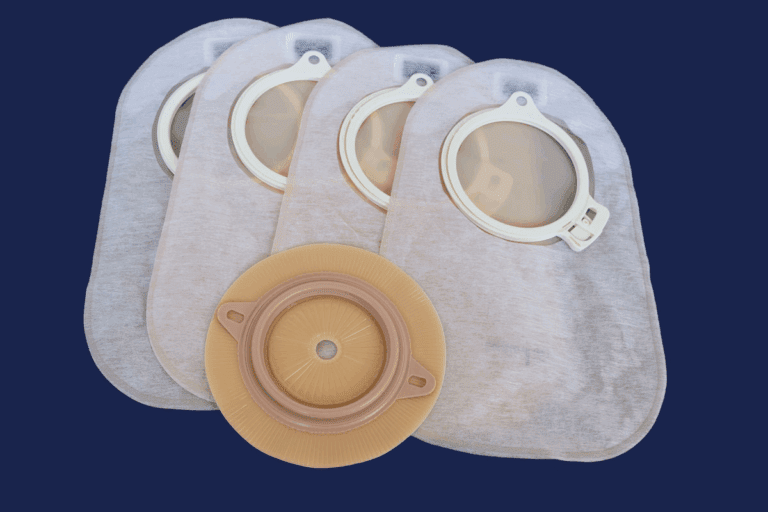
In cases where the intestine has ruptured, or if you have multiple recurring severe attacks, surgery is necessary. The surgeon will perform a bowel resection to remove the diseased portion of your colon and reconnect the healthy segments. If there is too much inflammation to reconnect them immediately, you may need a temporary colostomy until the area heals.
Healing from an Attack
Recovery requires a carefully phased approach to eating. During and immediately after an acute attack, you must follow a specialized diverticulitis diet. This begins with a clear liquid diet (broth, clear juices, gelatin) to give your digestive tract complete rest. As your symptoms improve, you will gradually transition to low-fiber, easily digestible solid foods (like white rice, eggs, and applesauce).
Long-Term Prevention
Once you have fully recovered and your doctor gives the green light, the long-term diverticulitis diet flips entirely: you must transition to a high-fiber diet. Eating plenty of fresh fruits, vegetables, beans, and whole grains softens your stool and helps it pass more quickly through your colon. This reduces the pressure inside your digestive tract, significantly lowering the risk of new pouches forming or existing ones becoming infected again. Staying well-hydrated and exercising regularly are also essential components of long-term bowel health.