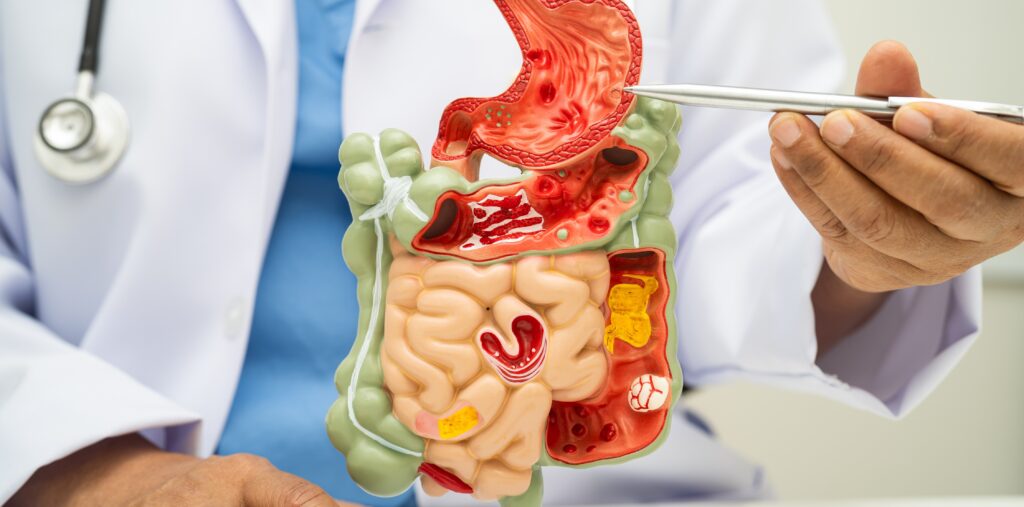
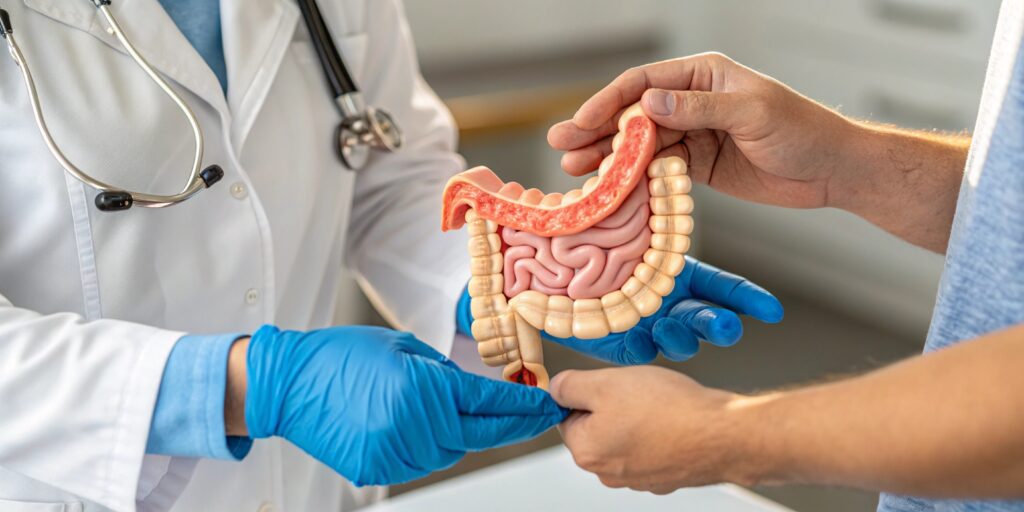
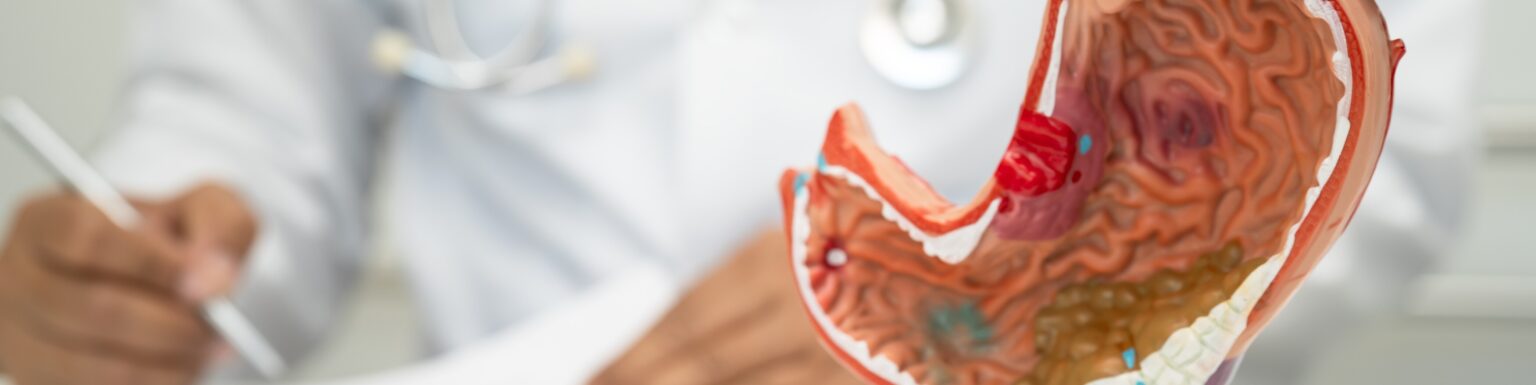
Understand Esophageal Varices, a serious gastrointestinal condition often linked to liver disease. Learn about the definition, causes, and the importance of clinical care.
We're Here to Help. Get in Touch.
Send us all your questions or requests, and our expert team will assist you.
Overview And Definition
What Are Esophageal Varices?
Esophageal Varices are abnormal, enlarged veins in the tube that connects the throat and the stomach. This condition occurs most often in people with serious liver diseases. These veins develop when normal blood flow to the liver is blocked by a clot or scar tissue in the liver. To go around the blockages, blood flows into smaller blood vessels that aren’t designed to carry large volumes of blood. The vessels can swell and even rupture, causing life-threatening bleeding. In a professional clinical setting, these are viewed as a serious complication of portal hypertension. Understanding the structural nature of these vessels is the first step in managing the risks associated with internal bleeding.
The Connection to Liver Disease
This condition is almost always a direct complication of portal hypertension—abnormally high blood pressure in the portal vein, which is the major vessel that carries blood from the digestive organs to the liver. The most common cause of this high pressure, and consequently the varices, is severe liver scarring, known as cirrhosis.
Symptoms and Risk Factors
The Silent Nature of the Condition
Unless the swollen veins actually leak or rupture, they typically do not cause any signs or symptoms. A person can live with them for years without knowing they are there. When bleeding does occur, the esophageal varices symptoms are severe, sudden, and constitute an immediate medical emergency. These symptoms include:
Vomiting large amounts of blood.
Black, tarry, or bloody stools.
Lightheadedness, dizziness, or loss of consciousness due to rapid blood loss.
In severe cases, going into shock (characterized by pale, clammy skin and rapid, irregular breathing).
Who is at Risk?
The primary risk factor is having advanced liver disease, such as cirrhosis caused by chronic hepatitis B or C, prolonged alcohol abuse, or fatty liver disease.
The risk of the varices actually rupturing and bleeding increases significantly if the varices are large, if there are red marks on them (which a doctor can see during an exam), or if the patient continues to drink alcohol while suffering from severe liver disease.
Because the condition is silent until a rupture occurs, doctors will actively screen patients who have been diagnosed with cirrhosis. The gold standard for diagnosis is an upper gastrointestinal endoscopy. During this outpatient procedure, a gastroenterologist passes a flexible, lighted tube with a tiny camera down your throat to visually inspect the esophagus and stomach.
Imaging and Additional Testing
If an endoscopy cannot be performed, or if the doctor needs a broader view of the liver’s blood supply, advanced imaging tests like CT scans or MRIs are used to examine the liver and portal vein for blockages. Doppler ultrasound is also frequently used to measure the direction and speed of blood flow in the portal vein, helping the doctor assess the exact severity of the portal hypertension.
If the varices are diagnosed before they rupture, the primary goal of treatment is to lower the pressure and prevent bleeding. Doctors typically prescribe blood pressure medications called beta-blockers (such as propranolol or nadolol) to reduce pressure in the portal vein. If the varices are very large or have a high risk of bleeding, a doctor may perform endoscopic band ligation. During an endoscopy, the doctor uses tiny elastic bands to wrap around the enlarged veins, tying them off so they cannot bleed.
Emergency Treatment for Bleeding
If the varices rupture, it is a life-threatening emergency requiring immediate intensive care. Treatments to stop active bleeding include:
Band Ligation: Tying off the bleeding veins immediately during an emergency endoscopy.
Medications: Drugs like octreotide are given intravenously to constrict blood vessels and slow the flow of blood into the portal vein.
TIPS Procedure: If band ligation fails to stop the bleeding, a Transjugular Intrahepatic Portosystemic Shunt (TIPS) may be created. A radiologist places a small tube (stent) through the center of the liver to connect the portal vein directly to the hepatic vein, instantly relieving the high blood pressure that is causing the varices to bleed.
Surviving a ruptured varix requires a significant recovery period in the hospital, often in the intensive care unit, to stabilize blood volume, monitor for re-bleeding, and prevent infection. You will likely need follow-up endoscopies every few weeks to apply more bands until all the varices are completely eradicated, and then regular screenings thereafter to ensure they do not return.
Long-Term Management
Preventing the recurrence of the condition hinges entirely on managing the underlying liver disease. It is absolutely critical to stop drinking alcohol completely, as alcohol is highly toxic to an already compromised liver. Following a low-sodium diet to prevent fluid retention, maintaining a healthy weight, and taking all prescribed medications are essential, non-negotiable steps to keep portal hypertension under control and protect your life.
Send us all your questions or requests, and our expert team will assist you.
FREQUENTLY ASKED QUESTIONS
What are esophageal varices?
They are enlarged veins in the esophagus that develop when blood flow through the liver is restricted. The veins stretch to carry extra blood and become fragile.
Do esophageal varices cause pain?
Most people feel no pain unless bleeding occurs. The condition often progresses without noticeable symptoms.
Are esophageal varices permanent?
They usually persist unless the pressure causing them is controlled. Ongoing management is important to reduce complications.
Can esophageal varices bleed without warning?
Yes. Bleeding can occur suddenly, even without prior symptoms.
Why are esophageal varices linked to the liver?
They form because blood cannot flow normally through the liver, causing pressure to build in surrounding veins.