Gallstones care focused on relieving pain, preventing complications, and protecting long term gallbladder health

Learn about Gallstones, their definition, and how these hardened deposits form in the gallbladder. Discover the basics of gallstone disease and when to seek care.

We're Here to Help.
Get in Touch.

Send us all your questions or requests, and our expert team will assist you.

Doctors

Overview and Definition

What are Gallstones?

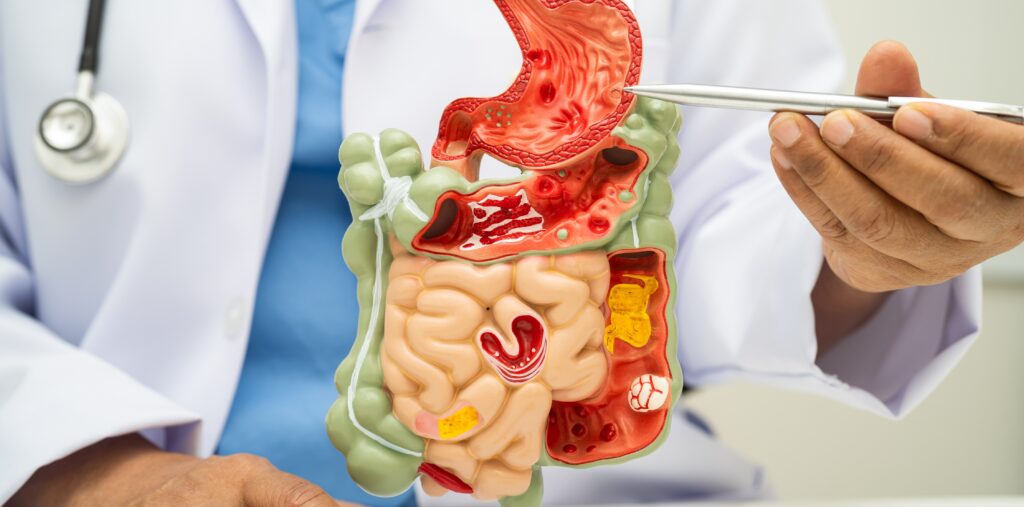
Gallstones are hardened, pebble-like deposits of digestive fluid that form within your gallbladder—a small, pear-shaped organ located just beneath your liver on the right side of your abdomen. The gallbladder’s main job is to store bile, a fluid produced by your liver that helps digest fats. When the chemical balance of this bile is thrown off, the fluid can crystalize and harden into stones. These stones can range in size from as small as a grain of sand to as large as a golf ball. Some people develop just one large stone, while others may develop hundreds of tiny ones simultaneously.

The Medical Context

In the medical field, the presence of these stones is referred to as gallstone disease or cholelithiasis. It is a highly common digestive issue. While many people have these stones and live their entire lives without ever knowing it, they become a serious medical problem when a stone migrates and lodges itself in one of the ducts (tubes) that carry bile from the gallbladder to the small intestine, causing a severe blockage and inflammation.

Symptoms and Risk Factors

Icon LIV Hospital

Recognizing a Gallbladder Attack

gastroenteritis

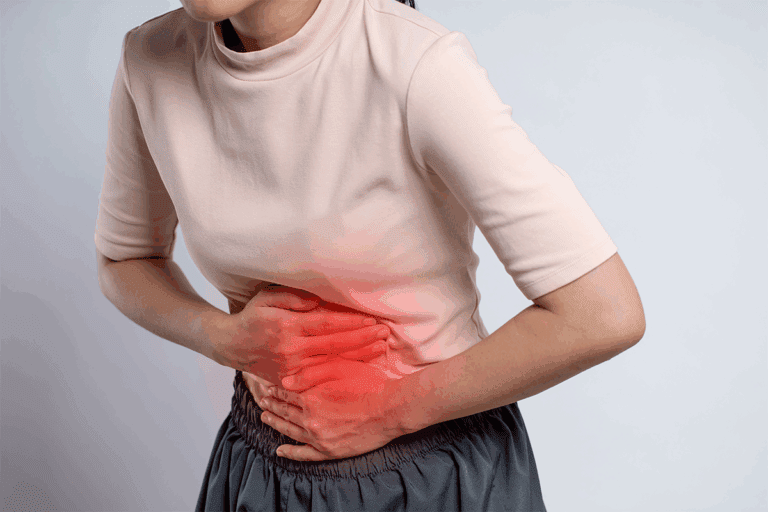
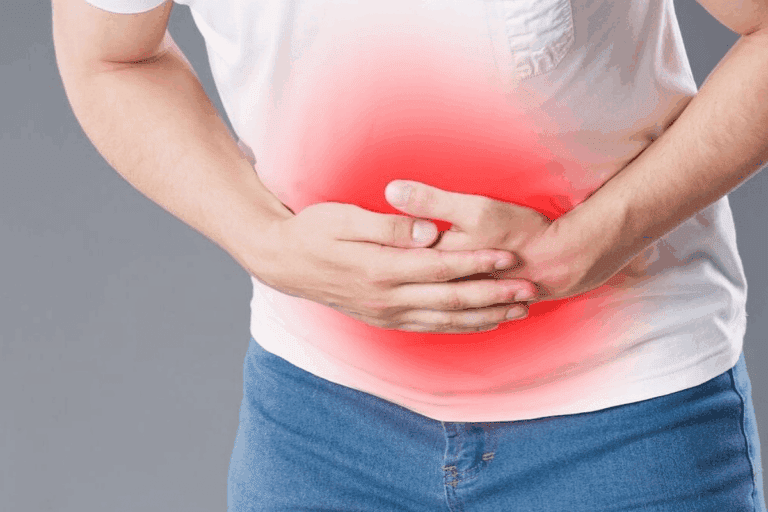
If a stone blocks a bile duct, the resulting pressure causes a “gallbladder attack.” The most classic gallstones symptoms include a sudden, rapidly intensifying pain in the upper right portion or center of your abdomen.

This pain can last from a few minutes to several hours. Other typical gallstones cholelithiasis symptoms include back pain situated precisely between your shoulder blades, pain in your right shoulder, and severe nausea or vomiting.

Icon LIV Hospital

Why Women are at Higher Risk

gastroenteritis

When looking at what causes gallstones, the primary culprits are bile that contains too much cholesterol or too much bilirubin, or a gallbladder that simply doesn’t empty completely. However, hormones play a massive role, making sex a major risk factor.

When discussing gallstones symptoms female patients frequently report experiencing their first attacks during or shortly after pregnancy. This is because excess estrogen from pregnancy, hormone replacement therapy, or birth control pills significantly increases cholesterol levels in bile and slows gallbladder emptying, creating the perfect environment for stones to form.

Diagnosis and Evaluation

Clinical Assessment

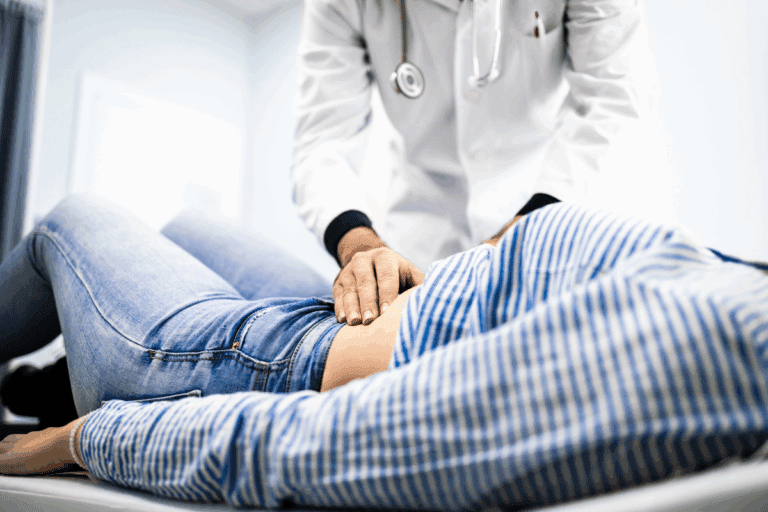
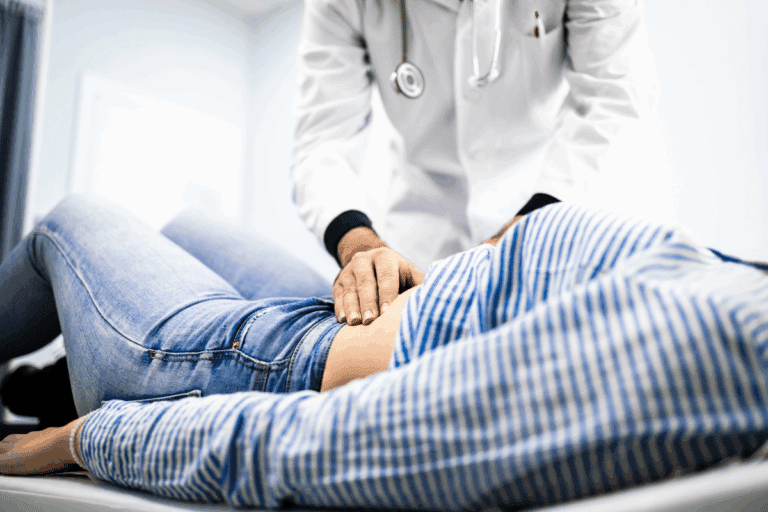
Because the pain of a gallbladder attack can mimic other serious conditions like a heart attack, appendicitis, or an ulcer, prompt and accurate diagnosis is crucial. A doctor will typically begin by physically examining your abdomen to check for tenderness and ordering blood tests to look for signs of infection, jaundice, or blockages in the bile ducts.

Imaging to Locate the Stones

To definitively diagnose the condition, doctors rely heavily on imaging tests:

  • Abdominal Ultrasound: This is the quickest, most common, and most effective test. It uses sound waves to create images of your gallbladder and can clearly show the presence of stones.
  • Endoscopic Ultrasound (EUS): If stones are suspected to be trapped deep in the common bile duct where a regular ultrasound might miss them, a flexible tube with an ultrasound device is passed down your throat and stomach to get a much closer, highly detailed look.
  • HIDA Scan: A radioactive tracer is injected into your bloodstream to track the flow of bile from your liver to your intestine, pinpointing exactly where a blockage is occurring.

Treatment and Management

Surgical Interventions

If you have stones but no symptoms, you generally do not need treatment. However, if you are experiencing painful attacks, the standard and most effective of the gallstones treatments is the surgical removal of the gallbladder (cholecystectomy).

  • Laparoscopic Cholecystectomy: The surgeon makes a few tiny incisions in your abdomen, inserts a camera and specialized tools, and removes the organ. It is minimally invasive and the most common approach.
  • Open Surgery: If your gallbladder is severely inflamed or scarred, a traditional open surgery with a larger incision may be required.

Non-Surgical Options

Non-surgical gallstones treatments are rarely used today because stones frequently return once treatment stops. However, for patients who are too high-risk for surgery, doctors may prescribe oral medications (like ursodiol) to slowly dissolve cholesterol stones. This process can take months or even years to work, and it is not effective for all types of stones.

Gastrointestinal Bleeding

Recovery and Prevention

Adjusting to Life Without a Gallbladder

You do not need a gallbladder to live a healthy, normal life. Once it is removed, bile simply flows directly from your liver to your small intestine. Recovery from a laparoscopic surgery is typically swift, with most patients returning to their normal activities within a week. You may experience temporary diarrhea or loose stools as your digestive system adjusts to the continuous, less concentrated flow of bile.

Preventative Care and Lifestyle Choices

For those looking to prevent stones from forming, or for those managing asymptomatic stones, effective gallstones self-care revolves entirely around healthy lifestyle and dietary habits.

  • Avoid skipping meals; eating on a regular schedule helps your gallbladder empty consistently.
  • Lose weight slowly, as rapid weight loss causes the liver to secrete extra cholesterol into the bile.
  • Maintain a healthy weight through a balanced diet rich in high-fiber foods (fruits, vegetables, and whole grains) and low in refined carbohydrates and unhealthy fats.

30 Years of
Excellence

Trusted Worldwide

With patients from across the globe, we bring over three decades of medical

Book a Free Certified Online
Doctor Consultation

Clinics/branches
Prof. MD. Reskan Altun Prof. MD. Reskan Altun Gastroenterology Overview and Definition
Group 346 LIV Hospital

Reviews from 9,651

4,9

Was this article helpful?

Was this article helpful?

We're Here to Help.
Get in Touch.

Send us all your questions or requests, and our expert team will assist you.

Doctors

FREQUENTLY ASKED QUESTIONS

What are gallstones?

Gallstones are solid particles that form in the gallbladder when bile becomes imbalanced and crystallizes.

Yes. Many people have gallstones without pain or digestive problems.

They can become problematic if they block bile flow, but many remain harmless.

No. Silent gallstones often only require monitoring.

Yes. They affect bile flow, which plays a key role in fat digestion.

Spine Hospital of Louisiana

Let's Talk About Your Health

BUT WAIT, THERE'S MORE...

Leave your phone number and our medical team will call you back to discuss your healthcare needs and answer all your questions.

Let's Talk About Your Health

How helpful was it?

helpful
helpful
helpful
Your Comparison List (you must select at least 2 packages)