Hiatal Hernia: advanced diagnostic imaging, esophageal health management, and effective surgical intervention strategies

Understand Hiatal Hernia, its types, and how it affects digestion. Learn about clinical definitions and why specialized care at Liv Hospital is essential for relief.

We're Here to Help.
Get in Touch.

Send us all your questions or requests, and our expert team will assist you.

Doctors

Overview and Definition

What Is A Hiatal Hernia?

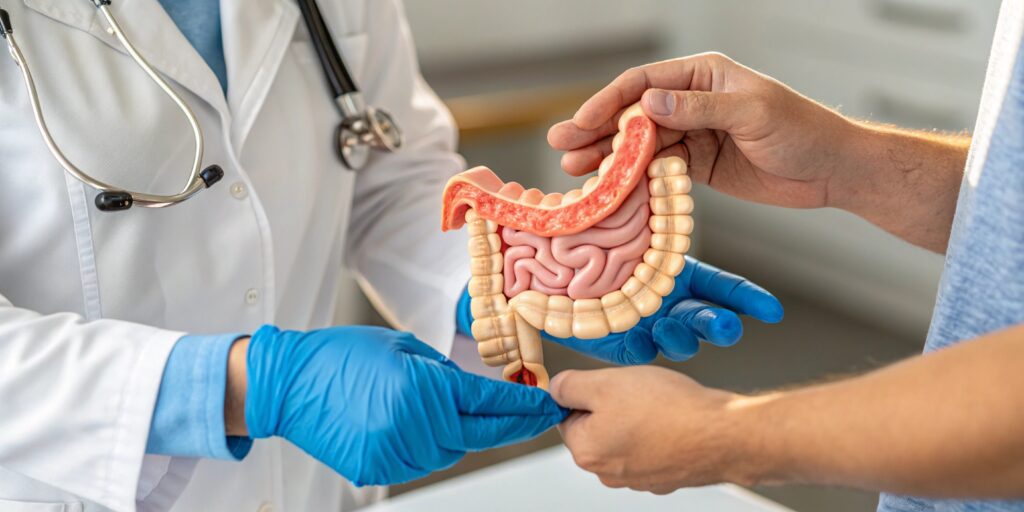
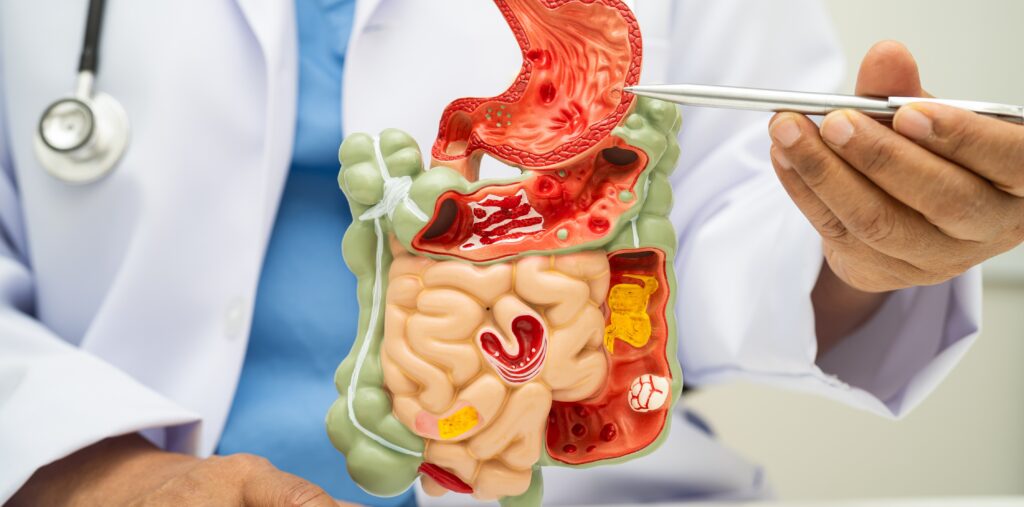
A hiatal hernia is a condition in which part of the stomach moves upward through the diaphragm and into the chest cavity. The diaphragm is a large muscle that separates the chest from the abdomen and plays a key role in breathing. Normally, the stomach sits entirely below the diaphragm. In a hiatal hernia, the natural opening in the diaphragm that allows the esophagus to pass through becomes wider or weaker, allowing part of the stomach to slide upward.

In everyday terms, a hiatal hernia means that the stomach is not staying fully in its usual place. This change in position can affect how the esophagus and stomach work together, particularly when it comes to digestion and the movement of stomach contents. While many people with a hiatal hernia have no symptoms, others may experience discomfort that affects daily life, especially related to digestion and reflux.

Medical Classification and Types of Hiatal Hernia

There are two main types: sliding hernias (the most common, where the stomach slides in and out of the chest) and paraesophageal hernias (where the stomach stays pushed up next to the esophagus). In clinical documentation, the hiatal hernia icd 10 code is K44.9 for cases without obstruction or gangrene, which helps physicians track the condition for insurance and long-term care planning.

Symptoms and Risk Factors

Icon LIV Hospital

Recognizing the Signs of Hiatal Hernia

Hiatal Hernia

Small hernias often cause no signs or symptoms. However, larger hernias can allow food and acid to back up into your esophagus, leading to gastroesophageal reflux disease (GERD). Common hiatal hernia symptoms include:

  • Heartburn (a burning sensation in the chest).
  • Regurgitation of food or liquids into the mouth.
  • Acid reflux (backflow of stomach acid).
  • Difficulty swallowing.
  • Shortness of breath or chest pain.
Icon 1 LIV Hospital

Gender-Specific Pain Locations

Hiatal Hernia

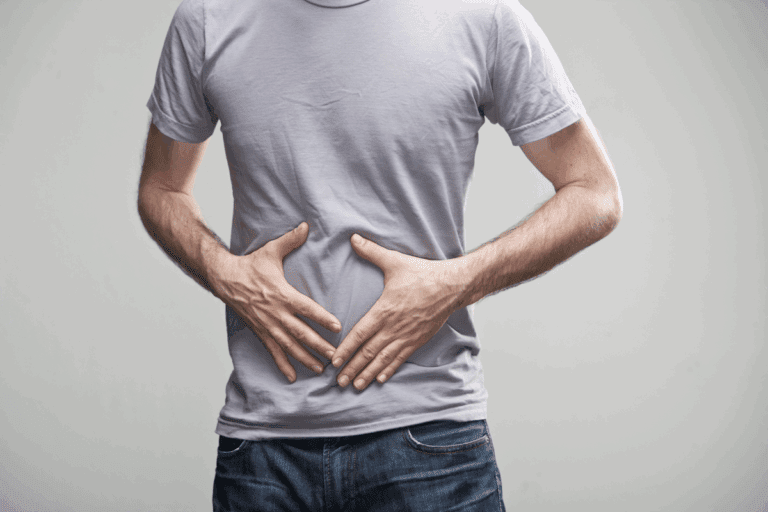
Patients often ask, “where is hiatal hernia pain located on a woman?” Generally, the pain is felt in the upper abdomen or the lower chest area, often directly behind the breastbone. In women, this pain can sometimes be confused with gallbladder issues or even cardiac distress because it may radiate toward the back or the area between the shoulder blades.

Diagnosis and Evaluation

Clinical Testing

To diagnose the condition and rule out other causes of chest or abdominal pain, doctors use several specialized tests:

  • Barium Swallow (Esophagogram): You drink a chalky liquid that coats the upper digestive tract so the hernia can be clearly seen on an X-ray.
  • Upper Endoscopy: A thin, flexible tube with a camera is passed down the throat to inspect the esophagus and stomach for inflammation or a bulge.
  • Esophageal Manometry: This test measures the rhythmic muscle contractions in your esophagus when you swallow to see how well the valve between the esophagus and stomach is working.

Internal Inspection

Another critical part of the evaluation is the Upper Endoscopy. During this procedure, a gastroenterologist passes a thin, flexible tube equipped with a camera down the throat. This allows the doctor to physically see the protrusion and check for complications like esophagitis (inflammation) or Barrett’s esophagus, which can result from chronic acid exposure caused by the hernia.

Treatment and Management

Non-Surgical Hiatal Hernia Treatments

Most people do not require surgery and can manage their condition through lifestyle changes and medications. Standard hiatal hernia treatments include:

  • Antacids: Over-the-counter medications to neutralize stomach acid.
  • H2-Receptor Blockers: Medications that reduce acid production.
  • Proton Pump Inhibitors (PPIs): Stronger acid blockers that allow the esophageal tissue time to heal.

Hiatal Hernia Surgery

If medications do not provide relief, or if the hernia is at risk of becoming “strangulated” (having its blood supply cut off), hiatal hernia surgery may be necessary. The most common procedure is a Nissen fundoplication, where the surgeon pulls the stomach back into the abdomen and wraps the upper part of the stomach around the lower end of the esophagus to create a tighter valve. This is usually performed laparoscopically through tiny incisions.

Hiatal Hernia

Recovery and Prevention

Post-Surgery and Long-Term Care

Recovery from surgery typically involves a phased diet, starting with liquids and moving to soft foods to prevent the new valve from stretching. Long-term management focuses on preventing the pressure that causes the stomach to push upward.

Preventative Lifestyle Habits

You can reduce the symptoms and prevent the worsening of a hernia by:

  • Eating several small meals throughout the day instead of three large ones.
  • Avoiding “trigger foods” like spicy dishes, caffeine, chocolate, and citrus.
  • Avoiding lying down for at least three hours after a meal.
  • Maintaining a healthy weight to reduce pressure on the diaphragm.
  • Elevating the head of your bed by about six inches.

30 Years of
Excellence

Trusted Worldwide

With patients from across the globe, we bring over three decades of medical

Book a Free Certified Online
Doctor Consultation

Clinics/branches
Prof. MD. Reskan Altun Prof. MD. Reskan Altun Gastroenterology Overview and Definition
Group 346 LIV Hospital

Reviews from 9,651

4,9

Was this article helpful?

Was this article helpful?

We're Here to Help.
Get in Touch.

Send us all your questions or requests, and our expert team will assist you.

Doctors

FREQUENTLY ASKED QUESTIONS

What is a hiatal hernia?

It is a condition where part of the stomach moves upward through the diaphragm into the chest area.

Many are harmless, but symptoms and risks depend on the type and severity.

Yes. Many people have no noticeable symptoms.

No. They are related but not the same condition.

It usually does not disappear, but symptoms can be managed effectively.

Spine Hospital of Louisiana

Let's Talk About Your Health

BUT WAIT, THERE'S MORE...

Leave your phone number and our medical team will call you back to discuss your healthcare needs and answer all your questions.

Let's Talk About Your Health

How helpful was it?

helpful
helpful
helpful
Your Comparison List (you must select at least 2 packages)