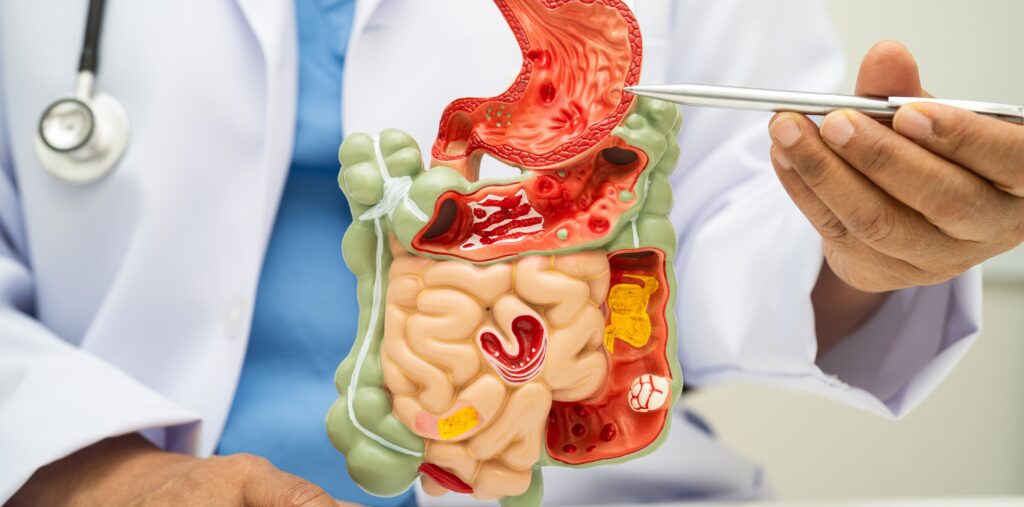
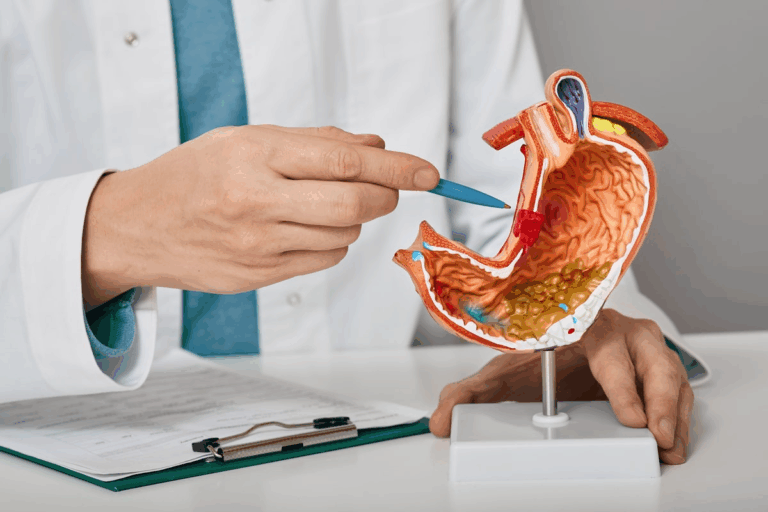
Understand Irritable Bowel Syndrome (IBS), a common functional gut disorder. Learn about its definition, types, and how specialized clinical care can improve your life.
What Is Irritable Bowel Syndrome?
Irritable Bowel Syndrome is a common functional gastrointestinal disorder that affects the large intestine. Unlike many other digestive diseases, it does not cause permanent damage to the tissues of the colon or increase the risk of colorectal cancer. Instead, it is characterized by a group of symptoms that occur together, including abdominal pain and changes in the frequency or appearance of bowel movements. In a professional clinical setting, it is viewed as a disorder of gut-brain interaction, where the communication between the brain and the digestive system becomes dysregulated. This leads to increased sensitivity in the gut and irregular muscle contractions, resulting in the discomfort associated with the condition.
Irritable Bowel Syndrome ICD 10
In the medical world, irritable bowel syndrome icd 10 codes are used to standardize the diagnosis for records, research, and global health statistics. Under the International Classification of Diseases, 10th Revision, this condition is coded under the K58 series.
- K58.0: Irritable bowel syndrome with diarrhea.
- K58.1: Irritable bowel syndrome with constipation.
- K58.2: Mixed irritable bowel syndrome.
- K58.9: Irritable bowel syndrome without diarrhea or constipation.
This classification system ensures that every member of your medical team at Liv Hospital knows exactly which physiological manifestation of the syndrome is being addressed, allowing for more targeted and efficient communication within the healthcare system.
Recognizing the Signs
The irritable bowel syndrome symptoms can vary significantly in intensity and duration. The most common hallmark is abdominal pain or cramping, which is often related to bowel movements. Other frequent symptoms include:
- Bloating and excess gas.
- A change in the appearance of bowel movements (such as mucus in the stool).
- A change in the frequency of bowel movements.
- A feeling of incomplete evacuation after a bathroom visit.
Triggers and Risk Factors
While the exact cause is unknown, certain factors are known to trigger symptoms. Stress and anxiety can worsen flares because of the “gut-brain axis.” Additionally, people who have had a severe intestinal infection (post-infectious IBS) or those with a family history of the condition are at a higher risk. Hormonal changes, particularly in women, can also play a significant role in the severity of flares.
Specialized Testing
To ensure symptoms aren’t caused by other underlying issues, doctors may order specific diagnostic tests:
- Blood and Stool Tests: To check for signs of infection, inflammation (calprotectin), or malabsorption.
- Hydrogen Breath Test: To rule out small intestinal bacterial overgrowth (SIBO) or lactose/fructose intolerance, which can mimic IBS.
- Colonoscopy or Endoscopy: Usually reserved for patients with “red flag” symptoms—such as rectal bleeding, weight loss, or symptoms starting after age 50—to confirm that the intestinal tissue is healthy.
Medical Irritable Bowel Syndrome Treatments
There is no single cure, so irritable bowel syndrome treatments focus on relieving symptoms so you can live as normally as possible. For those with diarrhea, anti-diarrheal medications or bile acid sequestrants may be used. For those with constipation, fiber supplements or specialized laxatives are often prescribed. In some cases, low-dose antidepressants or antispasmodic medications are used to help dampen the pain signals between the gut and the brain.
Managing Dietary Triggers
A cornerstone of management is identifying irritable bowel syndrome and foods to avoid. Many patients find relief by following a “Low-FODMAP” diet, which limits certain fermentable carbohydrates that are poorly absorbed in the small intestine. Common triggers to limit or avoid include:
- High-gas foods: Beans, cabbage, cauliflower, and carbonated beverages.
- Gluten: For some, wheat, barley, and rye can trigger symptoms even without celiac disease.
- Dairy: Lactose can be a major trigger for bloating and diarrhea.
- Specific sweeteners: Sorbitol or xylitol found in sugar-free gums and candies.
Irritable Bowel Syndrome Self-Care
Because IBS is a chronic condition, long-term irritable bowel syndrome self-care is essential for maintaining a high quality of life. This includes establishing a regular eating schedule, as skipping meals can cause the bowel to react sporadically. Staying well-hydrated and engaging in regular, low-impact exercise like walking or yoga can help keep bowel contractions regular and reduce stress.
Stress and Lifestyle Management
Since stress is a major trigger, lifestyle modifications are just as important as diet. Techniques such as mindfulness, cognitive behavioral therapy (CBT), or gut-directed hypnotherapy have been clinically proven to reduce the frequency and severity of IBS flares. By managing your environment and understanding your specific triggers, you can prevent the sudden onset of symptoms and gain better control over your digestive health.