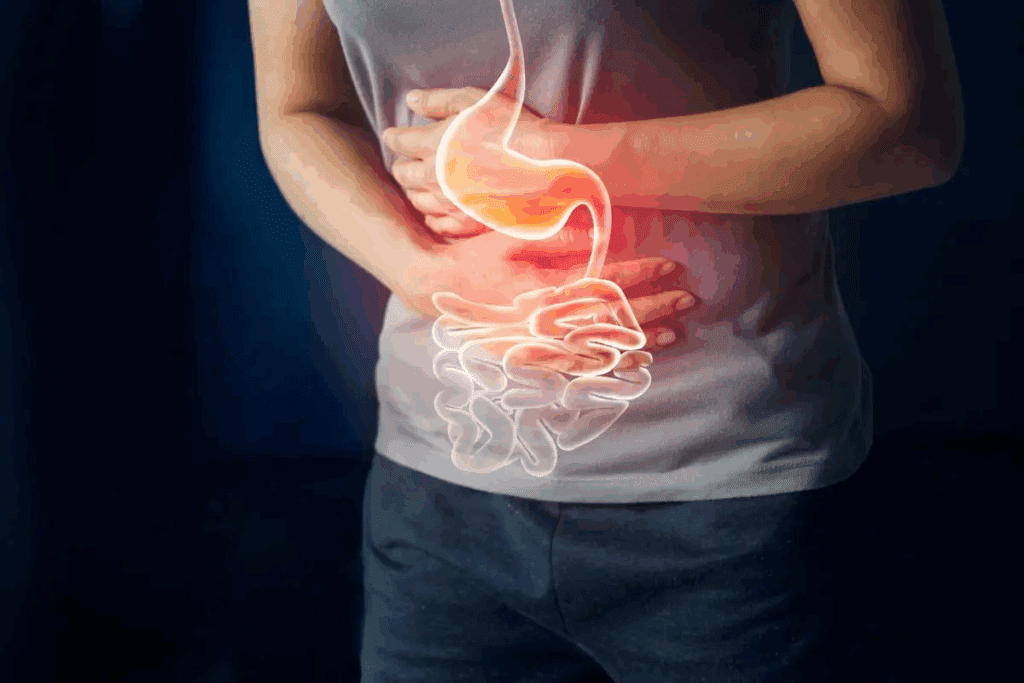
In 2025, a big increase in norovirus outbreaks is worrying people in the United States. Norovirus, also known as the stomach flu, causes sickness like vomiting, diarrhea, and stomach pain. It spreads easily from person to person.Find out which key gastrointestinal virus going around in 2025 (e.g., Norovirus). Get the latest updates on symptoms and prevention methods clearly.
There’s been a big jump in cases, with 1,078 reported from August 2024 to January 2025. This shows how important it is to know about norovirus and other stomach bugs. We need to take steps to prevent them.
At Liv Hospital, we focus on giving reliable info about stomach health issues. It’s key to know the signs, how it spreads, and how to stop it. This helps families and doctors stay safe.
Key Takeaways
- Norovirus is the leading cause of viral gastroenteritis in 2025.
- A significant surge in norovirus outbreaks has been reported during the 2024-2025 season.
- 1,078 norovirus cases were reported from August 2024 through January 2025.
- Norovirus is highly contagious and spreads via hand-to-mouth contact.
- Common symptoms include vomiting, diarrhea, and stomach pain.
The Current Landscape of Stomach Viruses in 2025

The world of stomach viruses in 2025 is changing fast. New strains are popping up, and this is affecting how we fight these viruses. It’s also putting a lot of pressure on our health systems.
A new GII.17 strain has changed the game. It’s causing outbreaks earlier and more often than before. In the U.S., there are about 2,500 norovirus outbreaks every year. Most happen from November to April.
Major Viral Gastroenteritis Trends
The GII.17 strain is making more people sick with viral gastroenteritis. This is happening everywhere, not just in one place. It’s a big problem for public health.
The timing of norovirus outbreaks is also changing. This means hospitals and health services are getting busier sooner. It’s important to understand these changes to help fight the virus.
Impact on Public Health Systems
Public health systems are feeling the strain. More people are getting sick and needing hospital care. The norovirus outbreak is making things tough for healthcare.
Health officials are working hard to keep up. They’re watching for outbreaks, improving how they stop the virus, and telling people about it. These steps are key to protecting those most at risk.
We need to stay alert and work together to tackle this issue. By understanding the current trends, we can prepare better. This will help us reduce the impact of viral gastroenteritis on our communities.
Norovirus: The Dominant Gastrointestinal Virus Going Around

In 2025, norovirus is a big threat to our health. It causes many outbreaks and cases of stomach problems. This virus is very contagious.
Factors Contributing to Norovirus Prevalence
Norovirus is the top cause of stomach virus because it spreads easily. It can live on surfaces and in food. It spreads through touching, contaminated food, water, and surfaces. This makes it hard to stop.
In the U.S., norovirus causes half of all food illness outbreaks. This shows how big of a problem it is for our health.
Statistical Analysis of 2025 Outbreaks
Looking at 2025, norovirus is a big worry. It’s behind most stomach virus cases. It shows up in hospitals, schools, and community events.
Our study found a lot of norovirus outbreaks in 2025. Some areas saw more than others. We need to stay alert and find ways to stop it.
Breaking Down the 2024-2025 Norovirus Surge
The 2024-2025 season has seen a big jump in norovirus cases, with 1,078 reported outbreaks. This has caused worry among health experts and the public.
Several factors are behind this surge. New norovirus strains, changes in how we act, and environmental factors all contribute to its spread.
Understanding the 1,078 Reported Outbreaks
From August 2024 to January 2025, there were 1,078 outbreaks. This is a big jump from past years for the same time. Norovirus outbreaks are most common from November to April but can happen any time.
These outbreaks happened in many places. This includes cruise ships, nursing homes, schools, and healthcare facilities. These places often have people living or gathering closely, making it easier for the virus to spread.
Comparison to Historical Outbreak Patterns
Looking at the 2024-2025 surge compared to past years gives us important information. The table below shows the number of norovirus outbreaks over the last five years:
Year | Number of Outbreaks | Percentage Change |
2020-2021 | 642 | – |
2021-2022 | 789 | +22.9% |
2022-2023 | 921 | +16.7% |
2023-2024 | 934 | +1.4% |
2024-2025 | 1,078 | +15.4% |
The data shows a steady rise in norovirus outbreaks over the last five years. The 2024-2025 season had the most outbreaks. Knowing these trends helps us create better ways to fight norovirus outbreaks.
The GII.17 Strain: A Game-Changer in Viral Gastroenteritis
A new norovirus strain, GII.17, is changing the landscape of viral gastroenteritis in 2025. The emergence of this strain has altered traditional seasonal patterns, catching public health officials off guard.
We are observing a significant shift in the epidemiology of norovirus infections due to the GII.17 strain. This strain has been associated with increased virulence and transmission efficiency, making it a critical focus for current public health strategies.
Genetic Profile of the New Strain
The GII.17 strain’s genetic profile reveals several factors contributing to its enhanced virulence. Mutations in the viral genome have led to changes in the virus’s surface proteins, potentially affecting its ability to evade the human immune system.
Studies have shown that the GII.17 strain has undergone significant genetic drift. This results in a virus that is more contagious and potentially more severe in its symptoms.
Virulence and Transmission Characteristics
The virulence and transmission characteristics of the GII.17 strain are of particular concern. Increased transmissibility is attributed to its ability to survive on surfaces for extended periods and its low infectious dose.
The GII.17 strain’s transmission dynamics are further complicated. It can infect individuals through multiple routes, including person-to-person contact and contaminated food and water.
Understanding these characteristics is key. It’s essential for developing targeted interventions and improving public health responses to the current outbreak.
Other Stomach Viruses Circulating in 2025
Beyond norovirus, rotavirus, adenovirus, and astrovirus are also big concerns in 2025. They add to the problem of stomach bugs, making it tough for health experts.
Rotavirus Current Status
Rotavirus is a big worry for kids in 2025. It causes severe stomach problems. Thanks to vaccines, it’s not as common, but it’s not gone yet.
It makes kids very sick with diarrhea and dehydration. Vaccines have helped a lot, but it’s not over yet.
Adenovirus and Astrovirus Prevalence
Adenovirus and astrovirus also cause stomach issues. Adenovirus can be mild or very serious, including stomach problems. Astrovirus mainly causes diarrhea.
Adenovirus is a big problem in places where people are close, like schools and military bases. Astrovirus is usually milder but adds to the stomach bug numbers.
Emerging Viral Threats
Watching the virus scene in 2025 is key. New strains or changes in viruses could make them worse or spread more.
Keeping an eye on viruses is vital. This way, we can act fast if a new problem pops up.
Regional Hotspots: Where Stomach Viruses Are Hitting Hardest
In 2025, stomach viruses are hitting hard in certain parts of the United States. Norovirus is a big problem, with some areas seeing more outbreaks than others.
Northeast and Midwest Outbreak Patterns
The Northeast and Midwest are seeing a lot of norovirus cases. Higher population densities and more frequent interactions might be why. Places like schools, nursing homes, and public transport are hotspots for the virus.
In the Northeast, New York and Massachusetts are seeing big outbreaks. In the Midwest, Illinois and Ohio are also hit hard. The GII.17 strain is causing a lot of problems, leading to more hospital visits.
Southern and Western States Situation
The South and West have a different story. While cases are significant, they’re not as high as in the Northeast and Midwest. But, tourist spots and big gatherings are seeing more virus spread.
Florida and California have had notable outbreaks, often due to food and water issues. The mix of people and big cities makes it harder to track the virus here.
Urban vs. Rural Transmission Dynamics
Urban and rural areas have different virus spread patterns. Urban areas spread the virus fast because of their density. But, rural areas might spread it slower and have trouble getting to healthcare.
It’s key to understand these differences for better health plans. Knowing what each area faces helps us fight stomach viruses more effectively.
Recognizing Today’s Stomach Virus Symptoms
It’s important to know the symptoms of today’s stomach viruses to get medical help quickly. As we go through the 2025 stomach virus season, knowing the signs helps us get the right care. It also lowers the chance of serious problems.
Classic Norovirus Presentation
Norovirus is a big cause of stomach problems. Its symptoms are well-known. Symptoms start 12 to 48 hours after you get infected. They can be:
- Vomiting
- Diarrhea
- Nausea
- Stomach pain
- Fever
- Headache
- Body aches
These symptoms can be different in how bad they are and how long they last. Knowing this helps spot norovirus infections.
Symptom Timeline: From Exposure to Recovery
The symptom timeline for norovirus is usually short. Most people get better in 1 to 3 days. But, how long it takes can depend on your health, age, and the virus type.
Here’s what you can expect:
- Exposure to onset: 12 to 48 hours
- Duration of illness: 1 to 3 days
- Recovery: Most people get better in a few days. Some might feel tired for longer.
Knowing this timeline helps both you and doctors figure out what’s wrong. It helps them act fast to help you get better.
Transmission Pathways of 2025’s Stomach Viruses
Understanding how stomach viruses spread in 2025 is key. They can travel in many ways, making it important to know each path. This knowledge helps us find ways to stop these viruses.
Direct Person-to-Person Contact
Stomach viruses, like norovirus, often spread through direct contact. This can happen when someone who’s sick touches others or shares food and utensils.
Norovirus is very contagious. A little bit can make someone else sick. This is why it spreads fast in places with lots of people, like schools and offices.
Fomite and Environmental Transmission
Fomite transmission happens when viruses move from surfaces to people. Norovirus can stay on surfaces for a long time. This makes it a big risk.
Environmental transmission is also important. When someone vomits, they can spread the virus through the air. This is another way it can spread.
Food and Water Contamination Routes
Food and water can also spread stomach viruses. If someone who’s sick handles food, it can get contaminated. This is a big problem for foods that aren’t cooked or heated first.
Water can get contaminated too. This can happen if sewage gets in or if water isn’t treated right. Drinking contaminated water or food can make you sick fast.
Transmission Pathway | Description | Prevention Strategies |
Direct Person-to-Person Contact | Spread through close contact with infected individuals | Practice good hygiene, avoid close contact with infected persons |
Fomite and Environmental Transmission | Spread through contaminated surfaces and objects | Regularly disinfect surfaces, improve ventilation |
Food and Water Contamination | Spread through consuming contaminated food or water | Ensure proper food handling, use safe water sources |
Vulnerable Populations and High-Risk Settings
As we face the challenges of stomach viruses in 2025, it’s key to spot vulnerable populations and high-risk settings. Not everyone is affected the same way by norovirus and other stomach viruses.
Age-Related Susceptibility Patterns
Some age groups are more at risk for stomach viruses. Young children and older adults are hit hard because their immune systems are not strong enough. Data shows kids under 5 are most likely to get sick, and those over 65 face worse symptoms.
We need to think about these patterns when we plan how to stop and treat these viruses. For example, vaccines and better cleaning in schools and nursing homes can really help.
Institutional Outbreak Centers
Places like healthcare facilities, schools, and cruise ships are known for outbreaks. The close living and lots of people-to-people contact make viruses spread fast.
“The closed environment of healthcare facilities and cruise ships creates an ideal setting for norovirus transmission. Enhanced cleaning protocols and staff training are critical in preventing outbreaks.”
To fight outbreaks in these places, we suggest strict cleaning and handwashing rules. Also, keeping sick people isolated and limiting visitors can help stop outbreaks.
By knowing who’s most at risk and where outbreaks happen, we can focus our efforts to stop stomach virus outbreaks in 2025.
Diagnostic Approaches for Current Stomach Viruses
Dealing with stomach viruses in 2025 needs accurate diagnosis. This is done through a mix of clinical judgment and lab tests. Finding out if someone has norovirus or another stomach virus is complex. It involves checking symptoms, lab tests, and ruling out other illnesses.
Clinical Assessment Methods
Doctors often start by looking at symptoms and who the person has been around. Common signs are diarrhea, vomiting, stomach pain, and fever. It’s important to know if the person has traveled recently or been near others with similar symptoms.
We also check how severe the symptoms are. This is important for people who are older, young, or have weak immune systems.
Laboratory Testing Options
Lab tests can confirm if someone has norovirus. But, they’re not always needed right away. There are a few tests available:
- PCR (Polymerase Chain Reaction) tests, which are very good at finding norovirus RNA.
- ELISA (Enzyme-Linked Immunosorbent Assay) tests, which look for norovirus antigens.
These tests are helpful in outbreaks or when it’s not clear what’s causing the illness.
Test Type | Sensitivity | Specificity | Turnaround Time |
PCR | High | High | 24-48 hours |
ELISA | Moderate | High | 2-6 hours |
Differential Diagnosis Considerations
It’s important to think about other illnesses that could cause similar symptoms. This includes bacterial infections, food poisoning, and other viruses.
By using a combination of clinical checks, lab tests, and ruling out other illnesses, doctors can accurately diagnose and treat stomach viruses. This helps patients get better faster and reduces the chance of spreading the virus.
Managing and Treating 2025’s Stomach Viruses
Treating stomach viruses starts with supportive care. This includes staying hydrated and managing symptoms. It’s key for healthcare providers and patients to know the best ways to treat these viruses.
Hydration Protocols
Keeping well-hydrated is the main goal in treating stomach viruses. This is very important for the elderly, young kids, and those with weak immune systems. Severe dehydration can happen if we don’t drink enough water.
- Oral Rehydration Solutions (ORS) are the first choice to replace lost fluids and salts.
- If drinking ORS is hard, intravenous fluids might be needed.
- It’s important to check if someone is hydrated through clinical checks and lab tests.
Symptom Management Strategies
While focusing on hydration, it’s also key to manage symptoms. Antiemetic medications can help with vomiting, but should be used carefully.
- Resting helps the body heal.
- Eating a bland diet, like the BRAT diet, can help once you can eat again.
- Stay away from foods that can upset your stomach, like spicy or fatty foods.
Medical Intervention Criteria
Knowing when to get medical help is important. Severe dehydration needs quick medical attention. Signs include a lot of thirst, dark urine, not making much urine, and feeling dizzy.
- People with health problems or at risk of serious issues should see a doctor early.
- Seeing blood in stool, severe belly pain, or a fever over 101.5°F (38.6°C) means you need to see a doctor.
- If you don’t get better with care at home or symptoms get worse, you need to see a doctor.
By focusing on staying hydrated, managing symptoms, and knowing when to get medical help, we can handle stomach viruses in 2025. This helps avoid serious problems and improves how patients feel.
Conclusion: Staying Healthy During the 2025 Stomach Virus Season
As we face the 2025 stomach virus season, staying healthy is key. We need to know about the viruses like norovirus to fight them off. This knowledge helps us prevent and manage infections better.
Preventing illness is the best way to stay healthy. Washing hands often, handling food right, and avoiding bad food and water helps a lot. Also, staying away from sick people stops the virus from spreading.
Knowing the signs of stomach viruses and how they spread helps us act fast. We can stop big outbreaks in places like hospitals and schools. Drinking plenty of water and managing symptoms are also important to keep everyone healthy.
As we go through the 2025 season, working together to stop infections is vital. This protects those who are most at risk and helps our healthcare systems. By staying informed and taking action, we can keep ourselves and others safe from stomach viruses.
FAQ
What stomach virus is going around right now in 2025?
In 2025, norovirus is the main virus causing stomach problems. The new GII.17 strain has caused a big increase in cases of gastroenteritis.
Are there any stomach viruses going around?
Yes, norovirus is the main virus around in 2025. But, rotavirus, adenovirus, and astrovirus are also causing problems.
Is the norovirus new in 2025?
Norovirus isn’t new, but the GII.17 strain is. It emerged in 2024-2025 and might be more contagious than before.
What are the symptoms of the current stomach virus?
Symptoms of norovirus include vomiting, diarrhea, and stomach pain. You might also feel nauseous, have a fever, headache, and body aches. These symptoms start 12 to 48 hours after you get infected.
How is norovirus transmitted?
Norovirus spreads through touching, touching surfaces, and contaminated food and water. It can also spread from person to person.
Who is most vulnerable to norovirus and other stomach viruses?
Older people, young kids, and those with weak immune systems are more at risk. They can get very sick from norovirus and other viruses.
How can I protect myself from the current stomach virus?
To stay safe, wash your hands often, handle food right, and avoid being too close to sick people. These steps can help prevent getting sick.
What is the treatment for norovirus infection?
For norovirus, the main treatment is staying hydrated and managing symptoms. Doctors might give advice on how to do this.
When should I seek medical attention for stomach virus symptoms?
See a doctor if you’re very dehydrated, if you’re at high risk, or if your symptoms get worse or last too long.
Is there a stomach flu going around right now?
Yes, norovirus, often called the stomach flu, is spreading. It’s causing a lot of cases of stomach problems.
Are there regional differences in norovirus outbreaks?
Yes, different parts of the country are seeing different levels of norovirus outbreaks. The Northeast, Midwest, South, and West are all affected differently.
What are the current trends in viral gastroenteritis?
Now, there’s a big rise in norovirus outbreaks. This is mainly because of the new GII.17 strain. It’s changing how outbreaks happen throughout the year.
How can I stay healthy during the 2025 stomach virus season?
To stay healthy, take many steps. Wash your hands a lot, handle food safely, and avoid sick people. These actions can help keep you safe.
References
National Center for Biotechnology Information. Evidence-Based Medical Guidance. Retrieved from https://pmc.ncbi.nlm.nih.gov/articles/PMC12205451/