Geriatrics addresses the health needs of older adults, focusing on frailty, dementia, falls, and chronic disease management.
Send us all your questions or requests, and our expert team will assist you.

Hypertension, defined as consistently high systemic arterial blood pressure, is a major challenge in cardiovascular medicine. It is more than just a high reading on a monitor; it reflects a deeper problem affecting the structure and function of blood vessels. Today, hypertension is seen as a complex vascular syndrome involving endothelial dysfunction, stiff arteries, hormonal imbalances, and chronic inflammation. With the rise of precision medicine, there is growing interest in regenerative approaches. These view high blood pressure not only as something to control with medication, but as a sign of accelerated vascular aging and cellular fatigue that may need repair and restoration.
The condition is globally acknowledged as a primary driver of premature morbidity, often operating silently until significant end-organ damage has occurred. The sheer mechanical stress imposed by elevated pressure forces the arterial walls to adapt in maladaptive ways. The smooth muscle cells within the vessel walls undergo hypertrophy, and the extracellular matrix accumulates fibrous tissue, leading to a loss of elasticity. This process, known as vascular remodeling, creates a vicious cycle where stiffer arteries beget higher pressures. Modern regenerative medicine and stem cell research focus on this specific pathophysiology, investigating how circulating endothelial progenitor cells and mesenchymal stem cells might be harnessed to reverse this stiffening, restore endothelial competence, and re-engineer the vascular landscape to a more youthful, compliant state.
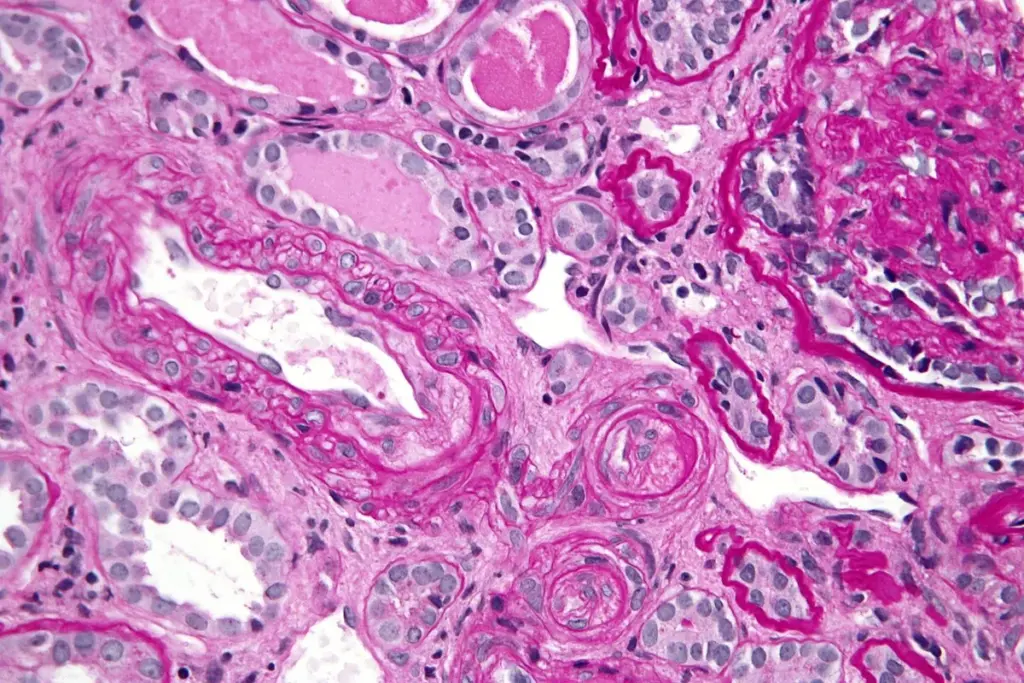
To understand how regenerative treatments might help hypertension, it is important to know how blood vessels work at the cellular level. Blood vessels are active organs that can regulate and repair themselves. The inner lining, called the endothelium, controls how vessels widen or narrow by releasing substances like nitric oxide. In hypertension, this balance is lost.
Regenerative medicine aims to target these processes. Using stem cells could help restore the number of endothelial progenitor cells, allowing the body to better repair blood vessel linings. Mesenchymal stem cells can also release substances that reduce inflammation and scarring, which may help reverse stiffening of the arteries and lower resistance.

Hypertension is carefully classified to help identify risk early and guide treatment. It is usually grouped by cause and by how severe it is. Knowing these differences is important for choosing the right treatment and deciding if new therapies might be suitable.
Primary Versus Secondary Hypertension
Most cases of hypertension—about 90 to 95 percent—are called primary or essential hypertension. This type does not have a single clear cause, but results from a mix of genetics, environment, and aging. Regenerative therapies may be most useful here, as they aim to repair the gradual cellular damage that builds up over time and potentially restore healthier blood vessels.
Secondary hypertension, which affects a small percentage of people, is caused by another health problem, such as kidney artery narrowing, adrenal tumors, or sleep apnea. Here, high blood pressure is a symptom of another issue. Treating the underlying cause is the main goal, but any damage to the blood vessels from the high pressure may still need to be repaired afterward.
Staging Systems and Risk Stratification
Current guidelines divide blood pressure into stages to help standardize care. These stages show how much strain the blood vessels are under and how urgently treatment is needed.
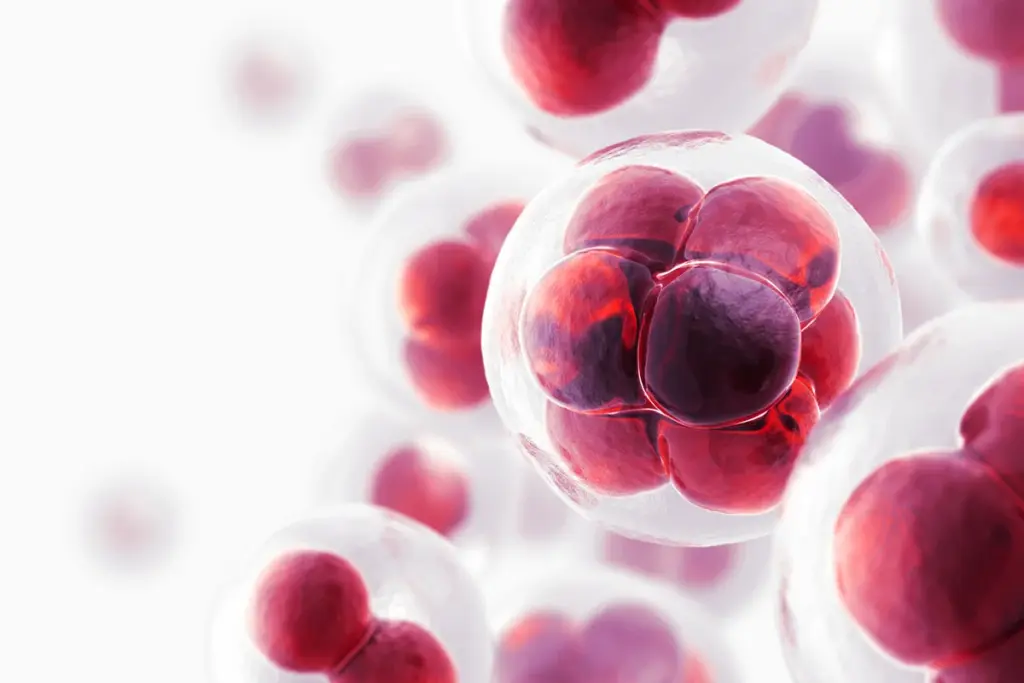
Adding regenerative biology to how we define hypertension changes the treatment goal. Traditional medicine focuses on lowering blood pressure by widening vessels or reducing fluid. Regenerative medicine looks at why the body cannot regulate pressure on its own, often finding that the body’s repair cells are depleted or not working well.
Studies show that people with long-term hypertension have fewer endothelial progenitor cells in their blood, and the ones they do have often do not work well. This is called stem cell exhaustion and is a key part of the disease. It means hypertension is partly a failure of the body’s repair system. Normally, these cells quickly fix small injuries in blood vessels, but in hypertension, this repair is slow, causing damage and scarring to build up.
As a result, what counts as successful treatment is changing. It is not enough just to lower blood pressure readings. The main goal is now to restore healthy blood vessels that can regulate themselves without relying only on medication. In the future, treatment may focus on increasing the number or function of the patient’s own stem cells, aiming to heal the vessel wall itself, not just control the blood flow.
Hypertension is often called a global pandemic, with more than a billion people affected worldwide. It becomes more common with age as blood vessels stiffen and cells lose function. Worryingly, more young people are now developing hypertension due to changes in lifestyle and metabolic risks. This trend means regenerative treatments may need to start earlier in life.
Hypertension does not affect everyone equally. Its impact depends on where people live, their genetics, and their socioeconomic status, leading to different types of patients. This supports the need for personalized medicine. A single approach to blood pressure or regenerative therapy is unlikely to work for everyone. Knowing what drives a person’s hypertension—such as hormone levels, fluid retention, or stiff arteries—helps doctors choose the best treatment. For example, someone with stiff arteries may benefit from therapies that target the vessel structure, while someone with endothelial problems may need treatments that boost repair cells.
In summary, hypertension is a complex condition where the body cannot properly control blood pressure or repair blood vessels. This leads to ongoing changes in the arteries that keep the problem going. Regenerative medicine offers a new way to look at hypertension, suggesting that by fixing the underlying cellular problems—especially in the vessel lining and supporting structure—doctors may eventually be able to reverse the damage, not just manage the symptoms.


With patients from across the globe, we bring over three decades of medical
Response within 2 hours during business hours
By clicking "Send Request", you agree to our terms and to share your contact info with the clinic.
Was this article
helpful?
Send us all your questions or requests, and our expert team will assist you.
Primary hypertension, also known as essential hypertension, accounts for the vast majority of cases and develops gradually over many years due to a combination of genetic, environmental, and age-related factors without a single identifiable cause. Secondary hypertension, conversely, is caused by an underlying condition such as kidney disease, adrenal gland disorders, or thyroid problems. Treating the underlying cause in secondary hypertension can often resolve the high blood pressure, whereas primary hypertension typically requires lifelong management.
The endothelium is the thin layer of cells lining the inside of blood vessels, responsible for releasing substances like nitric oxide that signal the blood vessels to relax and widen. In hypertension, these cells become damaged or dysfunctional, reducing the production of relaxing signals and promoting constriction. This chronic constriction increases resistance to blood flow, thereby raising blood pressure and creating a cycle in which high pressure further damages the endothelium.
Hypertension earns this moniker because it rarely presents with overt or noticeable symptoms in its early to moderate stages, even while it is causing significant damage to the cardiovascular system. Patients can walk around for years with dangerously high blood pressure without realizing it. The first sign of the disease is often a catastrophic event, such as a heart attack, stroke, or kidney failure, resulting from the cumulative, silent damage to the arteries and organs.
Endothelial progenitor cells are a type of stem cell found in the bone marrow and blood that play a critical role in maintaining blood vessel health. They circulate throughout the body and repair damage to the endothelial lining of the arteries caused by stress or injury. In patients with chronic hypertension, the number and function of these reparative cells are often depleted, impairing the body’s ability to heal vascular damage and contributing to the progression of arterial stiffening.
Vascular remodeling involves structural changes to the blood vessel walls, such as thickening and stiffening, in response to chronic high blood pressure. At the same time, traditional medications primarily lower pressure to prevent further remodeling, and emerging research in regenerative medicine suggests that some aspects of this structural change might be reversible. Therapies that target the extracellular matrix or boost the body’s repair mechanisms aim to restore some of the lost elasticity and reduce arterial stiffness over time.


Leave your phone number and our medical team will call you back to discuss your healthcare needs and answer all your questions.
Your Comparison List (you must select at least 2 packages)