
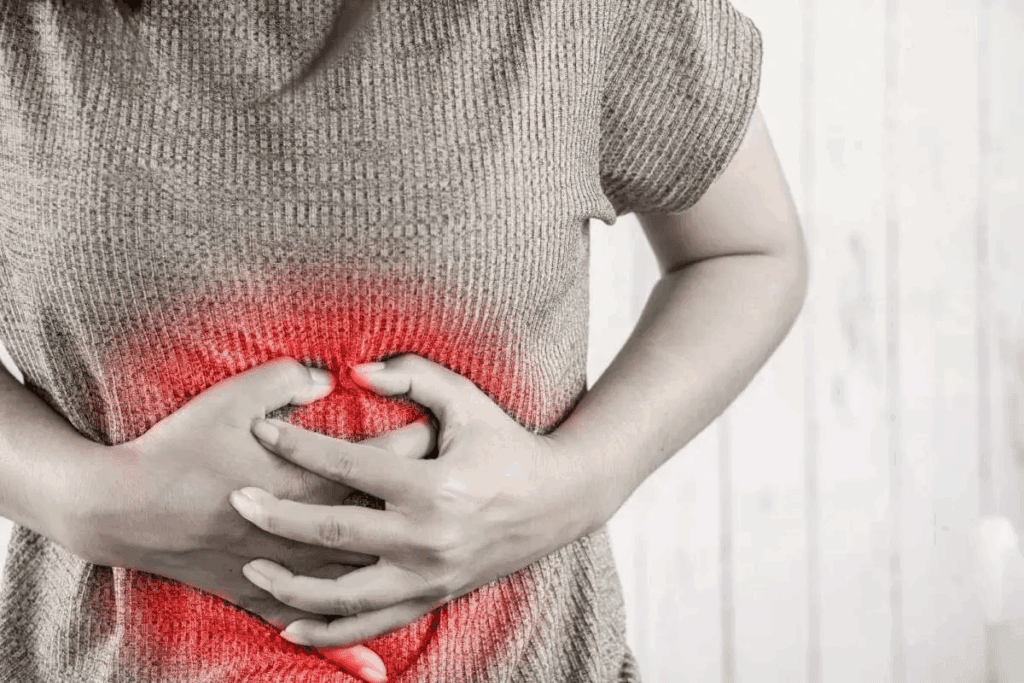
Gastrointestinal bleeding is a serious issue that affects many people every year. Prompt medical attention is key to avoid serious problems and help patients get better. Our amazing, life-saving guide to GI bleed treatment. We explain the critical, high-tech procedures doctors use to stop the bleed.
GI bleeds can happen for many reasons, like ulcers, inflammation, or blood vessel problems. To manage them well, doctors use resuscitation protocols first. Then, they do tests to find where the bleeding is coming from.
Endoscopic therapy is a big part of treating GI bleeds. It lets doctors see and fix the problem directly. Knowing the causes and treatments helps doctors give better care and improve patient results.
Key Takeaways
- Gastrointestinal bleeding is a serious medical condition requiring immediate attention.
- Effective management involves a thorough approach, including resuscitation and diagnostic procedures.
- Endoscopic therapy is vital in controlling bleeding and improving patient outcomes.
- Understanding the causes and treatment options is essential for healthcare providers.
- Prompt treatment can greatly lower the risk of complications and death.
What is a GI Bleed?

A GI bleed, or gastrointestinal bleeding, is a serious condition. It happens when there’s bleeding in the digestive tract. This can be mild or very serious and needs quick medical help.
Definition and Types
GI bleeding happens in the digestive tract, including the esophagus, stomach, small intestine, and colon. It can be overt, where you can see the bleeding, or occult, where it’s hidden and found through tests.
There are two main types: upper GI bleeding and lower GI bleeding. Upper GI bleeding is in the esophagus, stomach, or the start of the small intestine. Lower GI bleeding is in the rest of the small intestine or the colon.
Causes of GI Bleeding
The reasons for GI bleeding depend on where it happens. Some causes include:
- Ulcers: Open sores in the stomach and small intestine.
- Varices: Big veins in the esophagus or stomach, often from liver disease.
- Diverticulosis: Small pouches in the digestive tract.
- Inflammatory bowel disease (IBD): Chronic inflammation of the GI tract.
- Cancer: Tumors in the GI tract that cause bleeding.
Symptoms to Watch For
It’s important to know the symptoms of GI bleeding. This helps get medical help quickly. Common signs include:
- Vomiting blood or something that looks like coffee grounds.
- Blood in the stool, which can look red, black, or maroon.
- Weakness or dizziness from losing a lot of blood.
- Abdominal pain or discomfort.
- Pale skin, which means you might have anemia or low blood count.
If you or someone you know has these symptoms, get medical help right away.
Diagnostic Methods for GI Bleeds
Accurate diagnosis of GI bleeds is key for effective treatment. This involves methods like endoscopy and imaging studies. To find the source, severity, and cause of the bleed, a thorough approach is needed.
Endoscopy Techniques
Endoscopy is a main tool for diagnosing GI bleeds. It lets us see the bleeding site directly. We use endoscopy to look at the upper and lower GI tracts.
There are two main types: upper GI endoscopy (EGD) and colonoscopy. During the procedure, we can stop the bleeding by cauterizing or applying clips.
Imaging Studies
Imaging studies are also vital for diagnosing GI bleeds. Techniques like computed tomography (CT) scans and angiography help find the bleeding source and its severity. CT scans are great for spotting active bleeding and guiding treatment.
Angiography helps find the bleeding vessel. It can then be treated with embolization to stop the bleed.
Blood Tests and Their Importance
Blood tests are also essential for diagnosing GI bleeds. They help us see how severe the blood loss is and check for anemia. We look at hemoglobin levels, hematocrit, and coagulation profiles.
These tests tell us if blood transfusions are needed. They also guide fluid resuscitation efforts.
Initial Treatment Approaches
The first steps in treating GI bleeds include stabilization and resuscitation. The main goal is to keep the patient stable and prevent more problems.
Stabilization in Emergency Situations
In emergencies, keeping the patient stable is key. We quickly check how bad the bleed is and act fast to keep vital signs stable. We focus on:
- Ensuring airway patency
- Maintaining breathing and circulation
- Monitoring vital signs closely
This helps us manage the early stages of a GI bleed effectively.
Fluid Resuscitation Techniques
Fluid resuscitation is a vital part of the initial treatment. We use different methods to refill blood volume and keep vital organs working. Some common methods include:
- Administering crystalloids or colloids to expand intravascular volume
- Using blood products when necessary
- Monitoring response to resuscitation efforts
Good fluid resuscitation helps keep the patient’s blood flow stable.
Blood Transfusions
When there’s a lot of blood loss, blood transfusions are needed. We look at the patient’s blood levels, how stable they are, and their overall health. The goals of blood transfusion include:
- Restoring oxygen-carrying capacity
- Improving tissue perfusion
- Supporting the patient’s overall recovery
By managing blood transfusions carefully, we reduce the risks of significant blood loss.
Medications for GI Bleed Treatment
Managing gastrointestinal (GI) bleeds often requires a mix of treatments. Medications are key in controlling bleeding, preventing complications, and aiding in healing.
Proton Pump Inhibitors (PPIs)
Proton Pump Inhibitors (PPIs) are vital for treating GI bleeds, mainly in peptic ulcer disease. They lower stomach acid, helping to stabilize clots and heal ulcers. We give PPIs through an IV to act quickly.
Antibiotics for Preventing Infection
In some GI bleeding cases, antibiotics are used to stop infections. For example, in variceal hemorrhage, antibiotics can lower the risk of bacterial peritonitis. The antibiotic choice depends on the bacteria involved.
Coagulation Factors and Their Role
For those with coagulation issues or needing lots of blood, coagulation factors are given. These factors fix coagulation problems, reducing bleeding risks. We use fresh frozen plasma, cryoprecipitate, or specific factor concentrates based on the patient’s needs.
In summary, treating GI bleeds with medications is complex. Understanding the use of PPIs, antibiotics, and coagulation factors helps us give better care to those with GI bleeds.
Endoscopic Treatments for GI Bleeds
Endoscopic treatments have changed how we handle GI bleeds. They are less invasive, cutting down on surgery and speeding up recovery.
Variceal Band Ligation
Variceal band ligation is a key treatment for bleeding esophageal varices. It involves putting bands around varices to stop bleeding. This method is very effective in controlling variceal bleeding and is often used in emergency situations.
A study in a top gastroenterology journal found that variceal band ligation is now the top choice for treating esophageal varices. It has a high success rate and few complications.
“The use of band ligation has significantly improved outcomes in patients with bleeding esophageal varices.”
Hemoclip Application
Hemoclip application is another way to manage GI bleeding. Hemoclips are small devices that stop bleeding by closing the vessel. This method works well for ulcers and other non-variceal bleeding sources.
Using hemoclips is safe and effective, leading to quick control of bleeding. A leading gastroenterology expert says hemoclips are a key tool in treating GI bleeds, making treatment simple and efficient.
Injection Therapy
Injection therapy uses a sclerosing agent or adrenaline to stop bleeding. It’s often used with other treatments. It’s very effective for small bleeding spots.
Injection therapy is simple and can be done during an endoscopy. A medical guideline notes that it’s a key part of treating GI bleeding, often used in a multi-modal approach.
In summary, treatments like variceal band ligation, hemoclip application, and injection therapy are vital for managing GI bleeds. They offer effective, minimally invasive solutions that greatly improve patient outcomes.
Surgical Options for Severe Cases
Surgical options are key for managing severe GI bleeds that don’t respond to other treatments. When other methods fail, surgery is essential for patient care.
Resection Procedures
Resection procedures remove the bleeding part of the GI tract. This method works well for bleeding ulcers or tumors.
Bowel Repair Techniques
Bowel repair fixes holes or damage in the GI tract. It stops further bleeding and complications.
Surgical Risks and Benefits
Surgery comes with risks like infection and anesthesia reactions. But, the benefits often outweigh these risks for severe GI bleeds. The choice to have surgery depends on the patient’s health and the bleed’s severity.
Procedure | Description | Indications |
Resection | Surgical removal of the bleeding segment | Bleeding ulcers, tumors |
Bowel Repair | Repair of perforations or damaged areas | Perforations, severe damage |
“Surgical intervention is often the last resort but can be life-saving in cases of severe GI bleeding.”
—Gastroenterology Expert
Knowing about surgical options and their effects helps patients and doctors make the right treatment choices for severe GI bleeds.
Long-Term Management of GI Bleeds
Managing GI bleeds over time needs a mix of lifestyle changes, diet tweaks, and regular check-ups. It’s not just about treating the immediate issue. It’s also about stopping future bleeds and keeping the patient healthy.
Lifestyle Adjustments for GI Bleed Management
Changing your lifestyle is key for long-term GI bleed management. Reducing stress through meditation or yoga helps, as stress can make GI problems worse. Avoiding NSAIDs and other stomach irritants is also wise.
Quitting smoking and cutting down on alcohol can also lower the risk of future GI bleeds. These steps not only help with GI health but also boost overall well-being.
Dietary Recommendations
Your diet is very important for managing GI bleeds. Eating a balanced diet full of fruits, veggies, and whole grains keeps your digestive system healthy. It’s best to avoid spicy and fatty foods that can make GI symptoms worse.
Drinking lots of water is also key. Staying hydrated helps with digestion and prevents constipation, which can lead to GI bleeds.
Importance of Regular Monitoring
Regular check-ups are essential for managing GI bleeds. This means seeing your healthcare provider regularly to keep an eye on your condition and adjust treatments as needed.
Endoscopic exams may be needed to check for bleeding or complications. It’s important for patients to report any symptoms or changes to their healthcare providers.
Recognizing the Need for Further Treatment
Knowing when to seek more medical help is vital. Symptoms like severe abdominal pain, vomiting blood, or black tarry stools mean you might have a GI bleed and need immediate care.
Being aware of these signs and acting quickly can greatly improve outcomes for those with GI bleed history.
Interventional Radiology in GI Bleeds
Interventional radiology is key in treating GI bleeds. It’s a less invasive option compared to surgery. Radiologists use imaging to guide procedures that stop bleeding.
Embolization Techniques and Benefits
Embolization is a main method in treating GI bleeds. It uses agents like coils to block blood flow. This stops the bleeding.
- Minimally invasive: It’s done through a small hole, lowering surgery risks.
- Rapid control of bleeding: It quickly stops bleeding, vital for unstable patients.
- Preservation of surrounding tissue: It targets the bleeding vessel, protecting other tissues.
Comparison with Traditional Surgery
Interventional radiology and surgery differ in treating GI bleeds. Surgery has long been the standard, but radiology has its own benefits. It’s better for those who can’t have surgery or have complex anatomy.
Key differences include:
- Recovery time: Embolization patients recover faster and stay in the hospital less.
- Risk profile: Embolization has lower risks of complications like infections and adhesions.
Risks Associated with Radiological Interventions
Interventional radiology has its risks. Possible complications include:
- Post-embolization syndrome: Some feel pain, fever, or nausea after the procedure.
- Vessel injury: There’s a chance of damaging the vessel, leading to more problems.
- Non-target embolization: Material can go to the wrong place, causing ischemia or infarction.
Despite these risks, interventional radiology is safe for GI bleeds. It’s best when done by skilled professionals.
Impact of GI Bleeds on Quality of Life
Having a GI bleed can change a person’s life. It affects their health, mind, and feelings. Getting better means more than just medicine. It’s about making emotional, mental, and social changes.
Emotional and Psychological Considerations
Getting a GI bleed diagnosis can really upset someone. They might feel scared, worried, and unsure. Healthcare teams need to understand these feelings and offer help.
Some people might feel sad or stressed because of their condition. Seeing a therapist or counselor can be a big part of getting better.
Support Systems and Resources
Having a strong support network is key for those with GI bleeds. Family, friends, and groups can offer emotional and practical help. Support groups are great for sharing stories and learning from others.
Doctors also play a big role by teaching patients about their condition. Helping patients find resources like nutrition advice and mental health support can really help their quality of life.
Patient Education and Advocacy
Teaching patients about their condition is very important. When they know what’s going on, they can manage it better. They should learn about diet, warning signs, and the need for regular check-ups.
Being an advocate is also important. Patients can help spread awareness, push for better care, and support new treatments. By educating and advocating, patients can greatly improve their lives.
Trends in GI Bleed Treatments
The field of GI bleed treatments is changing fast. New medical tech and drugs are helping a lot. Patients with GI bleeds are now getting better care that makes their lives better.
Advances in Minimally Invasive Techniques
Minimally invasive methods are changing how we treat GI bleeds. Endoscopic procedures like variceal band ligation and hemoclip application are getting better. They are more precise and effective, with fewer side effects.
These new methods mean less need for big surgeries. Patients recover faster and do better overall.
New Medications and Therapies
New drugs and treatments are key in managing GI bleeds. Proton pump inhibitors (PPIs) are a big help, mainly for bleeding peptic ulcers. New anticoagulants and other drugs are being tested to prevent and treat GI bleeding.
These new options give hope for better GI bleed management. They’re a big help for patients with hard-to-treat or recurring bleeding.
The Future of GI Bleed Management
The future of GI bleed management looks bright. It will be more personalized and precise. Genomics and personalized medicine will help tailor treatments to each patient.
Research into GI bleeding causes and mechanisms will also help. It will lead to new targets for therapy. This could mean even better treatments and outcomes for patients.
As we look ahead, GI bleed treatment will keep getting better. It will be driven by new tech, drugs, and understanding GI bleeding. We’re committed to leading the way in this progress. We want to make sure our patients get the best care possible.
Conclusion: Importance of Prompt Treatment
Timely treatment for GI bleeds is very important. We’ve looked at many parts of GI bleeds, from finding the problem to treating it. Prompt treatment is key to avoid serious problems and better patient results.
Summary of Treatment Options
We talked about different ways to treat GI bleeds. These include first aid steps, medicines like proton pump inhibitors, endoscopy, and surgery. Each method is important for managing GI bleeds well. Knowing these options helps patients and doctors make a good plan together.
- First aid steps, like giving fluids and blood, are vital in emergencies.
- Medicines like proton pump inhibitors help by reducing acid and aiding healing.
- Endoscopy, with treatments like band ligation and hemoclip application, is a less invasive choice.
- Surgery is for severe cases when other treatments don’t work.
Call to Action for Patients
If you have symptoms like severe stomach pain, vomiting blood, or black stools, get medical help right away. Early treatment is key to avoid complications and better results.
Encouragement to Consult Health Professionals
We urge patients to talk to doctors to understand their needs and make a treatment plan. Doctors can guide on the best treatment and support during recovery. Working together, patients and doctors can get the best results.
In summary, GI bleeds are serious and need quick and effective treatment. By knowing the treatment options and getting medical help when needed, patients can have a better chance of recovery.
Frequently Asked Questions (FAQs)
Understanding GI bleeds can be tough, and patients often have many questions. We aim to clear up some of the most common ones to help you feel better.
Warning Signs of a GI Bleed
Look out for black, tarry stools, vomiting blood, or severe stomach pain. If you see any of these, get help right away.
Seriousness of GI Bleeds
Not all GI bleeds are serious, but some can be deadly if not treated. How serious it is depends on the cause, where it is, and how much blood is lost.
Preventing GI Bleeds
Some GI bleeds can’t be prevented, but you can lower your risk. Avoid NSAIDs, manage stress, and eat well.
Knowing the warning signs, how serious it can be, and how to prevent it helps you manage your condition better. This can also lower the chance of serious problems.
FAQ
What are the warning signs of a GI bleed?
Warning signs include black, tarry stools, vomiting blood, or severe abdominal pain. If you see these signs, get medical help right away.
Are all GI bleeds serious?
Not all GI bleeds are serious, but they can be if not treated. It’s important to get medical help quickly to find out how serious it is.
How can I prevent a GI bleed?
To prevent a GI bleed, manage your health conditions, avoid NSAIDs, and eat well. Regular doctor visits can also spot risks early.
What is the role of endoscopy in treating GI bleeds?
Endoscopy lets doctors see the bleeding spot. They can then treat it with band ligation, hemoclip application, or injection therapy.
Can medications help manage GI bleeds?
Yes, medicines like proton pump inhibitors (PPIs), antibiotics, and clotting factors help. They reduce acid, fight infection, and help blood clot.
What are the benefits of interventional radiology in GI bleed management?
Techniques like embolization in interventional radiology are less invasive. They can stop bleeding without surgery, helping you recover faster.
How do GI bleeds impact quality of life?
GI bleeds can really affect your life, causing emotional and psychological issues. It’s important to have support, learn about your condition, and advocate for yourself.
What are the emerging trends in GI bleed treatment?
New trends include better minimally invasive methods, new medicines, and therapies. These aim to improve care and outcomes for patients.
Why is prompt treatment critical for GI bleeds?
Quick treatment is key for GI bleeds. It helps avoid serious problems, reduces bleeding risk, and improves your chances of getting better.
What lifestyle changes can help manage GI bleeds?
Making lifestyle changes like changing your diet and avoiding triggers can help. Also, keep up with regular doctor visits for monitoring and advice.
References
National Center for Biotechnology Information. Evidence-Based Medical Insight. Retrieved from https://pubmed.ncbi.nlm.nih.gov/22301184/