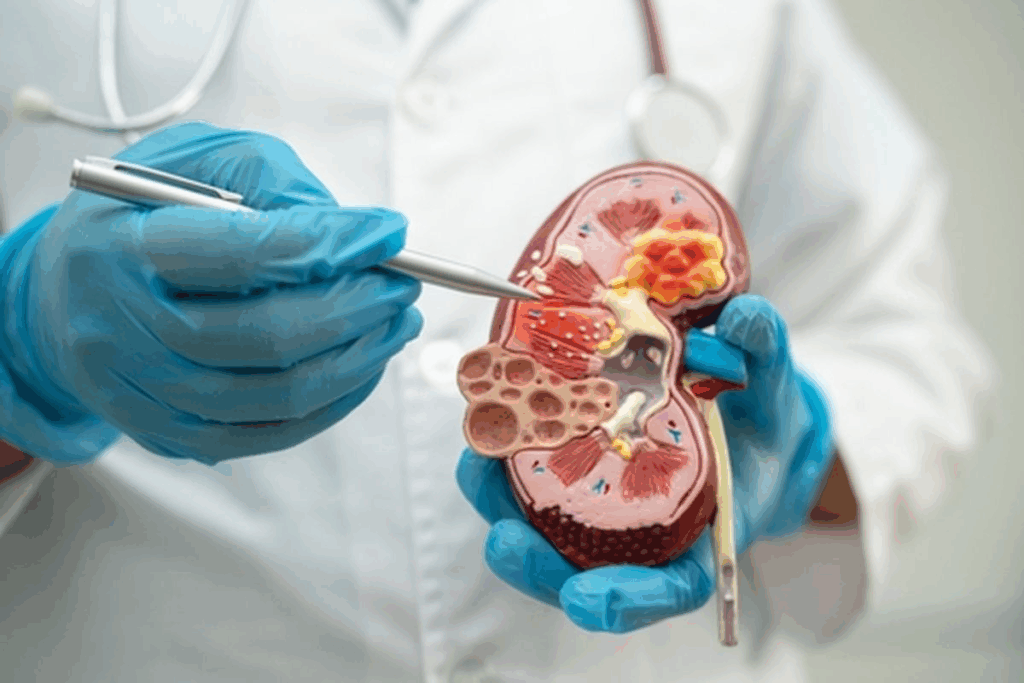
Glomerulonephritis is a big problem for kidneys worldwide. It causes about 20% of chronic kidney issues in many countries. This condition makes the glomeruli, tiny blood vessels in the kidneys, inflamed. They are important for filtering waste and extra fluids from the blood. Learn about ‘gn kidney disease’ (glomerulonephritis). Our simple guide gives you the best, easy-to-understand explanation of types, causes, and treatment.
Understanding the different types of glomerulonephritis is key to catching it early and treating it well. We will look at the seven types, their causes, how to diagnose them, and possible problems.
At Liv Hospital, we offer top-notch care for glomerulonephritis patients. Our team uses the latest medical knowledge to give our patients the best care. We focus on delivering world-class healthcare with a personal touch, aiming for the best results for our patients.
Key Takeaways
- Glomerulonephritis is a major cause of renal impairment globally.
- There are seven distinct types of glomerulonephritis.
- Understanding the pathophysiology is key to effective management.
- Diagnostic laboratory markers play a critical role in diagnosis.
- Early detection can greatly improve patient outcomes.
Understanding GN Kidney Disease: Definition and Epidemiology
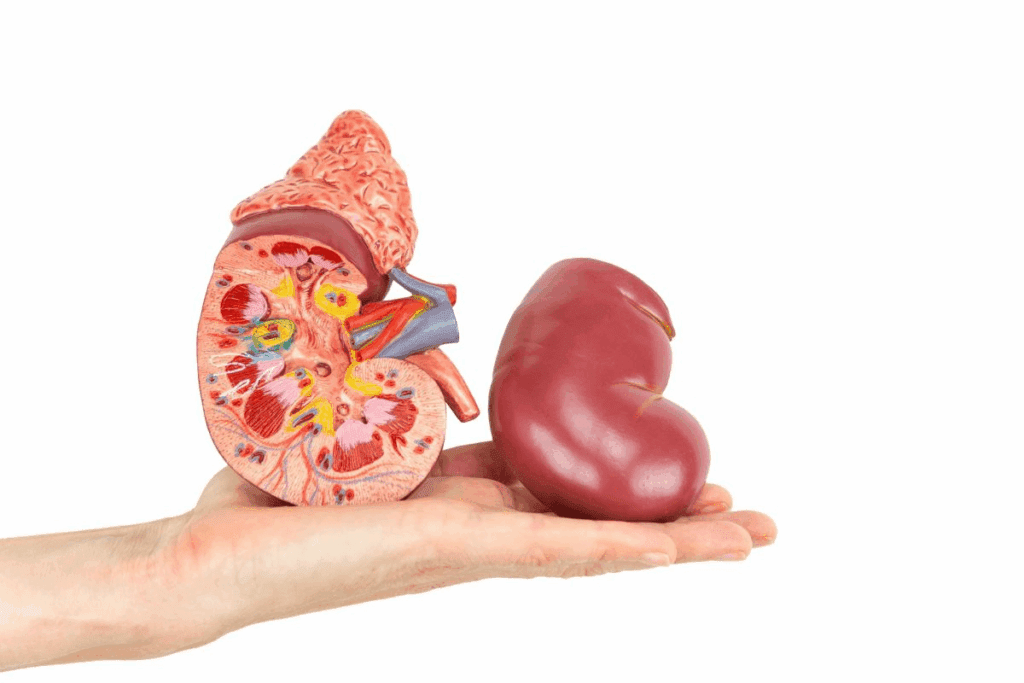
GN kidney disease, or glomerulonephritis, is a complex condition. It affects the kidneys’ filtering units, called glomeruli. This inflammation can lead to various kidney diseases.
GN can be acute or chronic. It can be triggered by illnesses like strep throat or systemic lupus erythematosus. The condition is classified into five main types based on how it starts.
Global Prevalence and Impact on Renal Function
Glomerulonephritis is a big health issue worldwide. It causes a lot of sickness and death from kidney problems. The disease is more common in some places due to genetics, environment, and healthcare access.
GN can severely damage kidney function. It might lead to chronic kidney disease or end-stage renal disease. This means patients might need dialysis or a kidney transplant. Knowing how common GN is helps in fighting it.
Risk Factors and Predisposing Conditions
Many things can make you more likely to get GN. These include infections, autoimmune diseases, and genetics. For example, strep infections can cause post-streptococcal GN. Systemic lupus erythematosus can lead to lupus nephritis, a type of GN.
Spotting these risk factors early is key. It helps doctors catch GN sooner. This way, they can help patients better and improve their health.
Pathophysiology of Glomerulonephritis

Glomerulonephritis involves a mix of immune and non-immune factors. It’s a complex process that leads to damage in the glomeruli.
Immune-Mediated Mechanisms: Humoral and Cellular
Immune mechanisms are key in glomerulonephritis. Both humoral and cellular immunity are at play. Humoral immunity makes antibodies that cause inflammation in the glomeruli. Cellular immunity activates T cells, which also harm the glomeruli.
Many things can start the immune response, like infections and autoimmune diseases. For example, in acute post-streptococcal glomerulonephritis, the body’s reaction to streptococcal antigens forms immune complexes in the glomeruli.
Non-Immune Mechanisms and Genetic Factors
Non-immune factors also play a part in glomerulonephritis. Genetic predispositions can make some people more likely to get certain types. For instance, genes can affect the complement system, which is part of the immune response and can damage the glomeruli.
Other non-immune factors, like changes in blood flow and metabolism, can also impact the disease. Knowing about these factors helps in finding better treatments.
Laboratory Diagnosis of Glomerulonephritis
Diagnosing glomerulonephritis requires a few key steps. These include urinalysis, serological markers, and renal biopsy. These tools help figure out the type and severity of the disease. They also guide treatment and predict outcomes.
Urinalysis Findings: Hematuria and Proteinuria
Urinalysis is the first step in diagnosing glomerulonephritis. It looks for hematuria (blood in the urine) and proteinuria (excess proteins in the urine). Hematuria can be microscopic or gross. Proteinuria shows how severe the kidney damage is.
We also do more urine tests to check kidney function. These include tests for albuminuria and creatinine clearance. A urine sediment exam can find casts and dysmorphic red blood cells, signs of glomerular injury.
Serological Markers and Immunological Tests
Serological tests find the cause of glomerulonephritis and check the immune system. They look for anti-neutrophil cytoplasmic antibodies (ANCA), anti-glomerular basement membrane (anti-GBM) antibodies, and complement levels (C3 and C4). These tests are key for diagnosing specific types of glomerulonephritis.
Immunological tests, like immunofluorescence assays and ELISA, detect specific antibodies or immune complexes. They help tell different types of glomerulonephritis apart and guide treatment.
Renal Biopsy and Histopathological Features
A renal biopsy is a key diagnostic tool for glomerulonephritis. It gives detailed information on the kidney’s condition. The biopsy is examined under different microscopes to see the extent of damage.
The biopsy can show changes like mesangial proliferation, capillary wall thickening, and crescent formation. These findings help classify the disease and guide treatment.
Type 1: IgA Nephropathy (Berger’s Disease)
IgA nephropathy is the leading cause of kidney disease globally. It causes inflammation and can damage the kidneys over time. This happens because of the buildup of immunoglobulin A (IgA) in the kidneys.
Pathophysiology and Immune Complex Deposition
IgA nephropathy occurs when IgA immune complexes build up in the kidneys. This buildup leads to inflammation and damage to the kidneys. The reasons behind this are complex, involving genetics and how the immune system works.
Key factors contributing to IgA nephropathy include:
- Genetic predisposition
- Abnormal IgA glycosylation
- Immune system dysregulation
Clinical Presentation and Laboratory Findings
People with IgA nephropathy often have blood in their urine, which gets worse after infections. Tests may show:
- Microscopic or macroscopic hematuria
- Proteinuria
- Elevated serum IgA levels in some cases
A kidney biopsy is key to diagnosing IgA nephropathy. It shows IgA deposits in the mesangium.
Complications and Long-term Outcomes
Outcomes for IgA nephropathy patients vary. Some stay stable for years, while others may lose kidney function. Progression depends on proteinuria, blood pressure, and kidney function at diagnosis.
Early detection and management are critical to slow disease and improve outcomes. Treatment includes managing blood pressure, immunosuppressive therapy, and lifestyle changes.
Type 2: Acute Post-Streptococcal Glomerulonephritis
APSGN is an immune reaction that happens after a strep infection, like strep throat. It causes sudden kidney inflammation. This can lead to serious problems if not treated right.
Pathogenesis and Streptococcal Antigen-Antibody Complexes
The cause of APSGN is the buildup of immune complexes in the kidneys. This starts an inflammatory process. It’s the body’s way of fighting off streptococcal antigens.
These antigens make the body produce antibodies. The antibodies then form complexes with the antigens. These complexes move through the blood and settle in the kidneys, causing inflammation and damage.
Clinical Features and Diagnostic Criteria
APSGN symptoms can vary but often include blood in the urine, protein in the urine, high blood pressure, and swelling. Doctors diagnose it based on symptoms, lab tests, and signs of a recent strep infection. Lab tests might show high levels of antibodies against streptococcal infections.
Testing the urine is key in diagnosing APSGN. It often shows blood and protein in the urine. Blood tests help check how well the kidneys are working and if there are any imbalances in electrolytes.
Complications and Prognosis in Children vs. Adults
APSGN can cause serious problems like kidney injury, high blood pressure, and in severe cases, nephrotic syndrome. The outcome depends on age. Kids usually recover well, but adults face a more uncertain future. This is because adults might have other health issues and more severe kidney damage.
Characteristics | Children | Adults |
Prognosis | Generally good, with full recovery | Variable, influenced by underlying health |
Complications | Less frequent, mostly acute kidney injury | More frequent, including hypertension and nephrotic syndrome |
Recovery Time | Typically quicker | Can be prolonged |
It’s important to know how APSGN affects people differently based on age. This helps in giving the right care and management.
Type 3: Membranous Nephropathy
Membranous nephropathy is a major cause of nephrotic syndrome. It is marked by a thickening of the glomerular basement membrane. This can lead to serious kidney problems.
Primary vs. Secondary Forms and Pathophysiology
There are two types of membranous nephropathy: primary and secondary. Primary is often without a known cause. Secondary is linked to infections, autoimmune diseases, or cancers.
The disease forms when immune complexes build up on the glomerular basement membrane. This thickening hampers the glomeruli’s filtration, causing protein loss in the urine.
Laboratory Profile and Diagnostic Approach
Lab tests show significant protein loss in the urine. Tests for infections or autoimmune diseases may also be done.
A kidney biopsy confirms the diagnosis. It shows the thickened basement membrane and immune complex deposits. Immunofluorescence and electron microscopy are key in spotting these deposits.
Laboratory Test | Typical Findings in Membranous Nephropathy |
Urinalysis | Significant proteinuria, often nephrotic range |
Serum Albumin | Low due to significant protein loss |
Renal Biopsy | Thickening of glomerular basement membrane, subepithelial deposits |
Complications: Nephrotic Syndrome and Thromboembolic Events
Membranous nephropathy can lead to nephrotic syndrome. This is marked by heavy protein loss, low albumin, high lipids, and swelling. It increases the risk of blood clots.
“The risk of thromboembolic events is significantly higher in patients with nephrotic syndrome, necessitating careful management and sometimes prophylactic anticoagulation.”
Managing membranous nephropathy involves treating the cause and managing symptoms. Immunosuppressive drugs may be used for severe cases or nephrotic syndrome.
Type 4: Membranoproliferative Glomerulonephritis and C3 Glomerulopathy
Membranoproliferative glomerulonephritis (MPGN) is a serious kidney disease. It happens when immune complexes build up in the glomeruli, causing inflammation and damage. This can harm the kidneys.
Complement Pathway Dysregulation
MPGN often involves problems with the complement pathway, a key part of our immune system. This can lead to more damage in the kidneys. C3 glomerulopathy, a type of MPGN, shows C3 deposits but little to no antibodies. This shows how important complement problems are in its cause.
Key Features of Complement Pathway Dysregulation:
- Activation of the alternative complement pathway
- Accumulation of C3 and other complement components
- Potential for genetic mutations affecting complement regulatory proteins
Laboratory Abnormalities and Diagnostic Challenges
Diagnosing MPGN and C3 glomerulopathy needs several tests, like urinalysis and renal biopsy. These tests can show hematuria, proteinuria, and low complement levels. But, it’s hard to diagnose because symptoms vary and need precise biopsy results.
Laboratory Test | Typical Findings in MPGN |
Urinalysis | Hematuria, proteinuria |
Serum Complement Levels | Decreased C3, sometimes C4 |
Renal Biopsy | Immune complex deposition, mesangial proliferation |
Progression to End-Stage Renal Disease
MPGN and C3 glomerulopathy can lead to kidney failure if not treated. This happens because the kidneys slowly lose function. Eventually, patients need kidney replacement therapy.
It’s vital to catch these diseases early and treat them right. This can slow down the disease and help patients. We stress the need for detailed diagnosis and specific treatment plans for MPGN and C3 glomerulopathy.
Type 5: ANCA-Associated and Pauci-immune Glomerulonephritis
ANCA (anti-neutrophil cytoplasmic antibodies) is a key sign of a specific vasculitis. It often hits the kidneys, causing pauci-immune glomerulonephritis. This condition is marked by blood vessel inflammation and ANCA presence, playing a big role in the disease.
Pathophysiology of Rapidly Progressive Glomerulonephritis
Rapidly progressive glomerulonephritis (RPGN) is a serious kidney injury. It can quickly worsen kidney function. ANCA-associated vasculitis is a main cause of RPGN, leading to pauci-immune glomerulonephritis.
ANCA activates neutrophils and monocytes, causing damage to the glomerular capillaries. This damage is due to the release of harmful substances. Understanding this is key to finding effective treatments.
ANCA Serology and Other Laboratory Markers
ANCA serology is a vital tool for diagnosing ANCA-associated vasculitis. The presence of ANCA, like PR3-ANCA and MPO-ANCA, is very specific. Other markers, like ESR and CRP, show active inflammation.
ANCA serology is widely used for diagnosis and tracking disease activity. We’ll look into how to interpret ANCA titers and their link to disease activity.
Laboratory Marker | Significance in ANCA-Associated Vasculitis |
PR3-ANCA | Highly specific for ANCA-associated vasculitis, often associated with granulomatosis with polyangiitis (GPA) |
MPO-ANCA | Commonly found in microscopic polyangiitis (MPA) and eosinophilic granulomatosis with polyangiitis (EGPA) |
ESR and CRP | Indicate active inflammation and can be used to monitor disease activity |
Pulmonary-Renal Syndrome and Other Complications
ANCA-associated vasculitis can cause many problems, like pulmonary-renal syndrome. This is when there’s both lung hemorrhage and kidney disease. Other issues include kidney failure, heart disease, and infections from treatment.
We’ll talk about how to manage these problems. Early diagnosis and treatment are key to avoiding long-term damage.
In conclusion, ANCA-associated and pauci-immune glomerulonephritis is a complex condition. It needs a deep understanding of its causes, diagnosis, and complications. By combining clinical and lab findings, doctors can create effective treatment plans.
Types 6 and 7: Minimal Change Disease and Focal Segmental Glomerulosclerosis
Podocyte injury is key in Minimal Change Disease (MCD) and Focal Segmental Glomerulosclerosis (FSGS). These conditions often cause nephrotic syndrome. Knowing how these diseases work and their symptoms is vital for treatment.
Podocyte Injury and Proteinuria Mechanisms
Podocytes are important for the glomerular filtration barrier. Damage to these cells causes a lot of protein in the urine, seen in MCD and FSGS. The reasons for podocyte injury are complex, involving genetics, environment, and the immune system.
Podocyte injury breaks down the glomerular filtration barrier. This leads to a lot of protein loss in the urine. It can be caused by genetic problems, immune attacks, and some medicines.
Distinguishing Features in Laboratory Testing
Lab tests are key in telling MCD and FSGS apart. Both have a lot of protein in the urine. But, there are clues that can help tell them apart.
Feature | Minimal Change Disease | Focal Segmental Glomerulosclerosis |
Proteinuria | Massive, often nephrotic range | Variable, often nephrotic range |
Renal Biopsy | Normal light microscopy, foot process effacement on EM | Sclerotic lesions on light microscopy, foot process effacement on EM |
Steroid Resistance and Recurrence After Transplantation
Managing MCD and FSGS can be tough, mainly when patients don’t respond to steroids or when the disease comes back after a transplant.
Steroid resistance is more common in FSGS. It makes treatment hard. Also, FSGS can come back after a transplant in about 30-40% of cases.
Understanding podocyte injury is key to finding better treatments for MCD and FSGS.
Conclusion: Advances in Management and Future Directions
Management of glomerulonephritis (GN) has greatly improved, leading to better patient outcomes. Early detection and treatment are key to managing the disease and avoiding kidney damage. Our understanding of GN’s causes has grown, leading to new treatments.
Research is now focused on better diagnosis and treatments for GN. New drugs and targets are being explored. Studying GN’s genetics and molecular basis will help us understand it better.
We at our institution are dedicated to top-notch healthcare for international patients. We aim to lead in GN management and research. This way, we can offer the best care for those with this complex condition.
FAQ
What is glomerulonephritis and how does it affect the kidneys?
Glomerulonephritis is a kidney disease that causes inflammation in the glomeruli. These are the kidneys’ filtering units. This inflammation can lead to problems like hematuria and proteinuria. It affects the kidneys’ ability to filter waste and excess fluids.
What are the different types of glomerulonephritis?
There are many types of glomerulonephritis. These include IgA nephropathy, acute post-streptococcal glomerulonephritis, and membranous nephropathy. Others are membranoproliferative glomerulonephritis, ANCA-associated glomerulonephritis, minimal change disease, and focal segmental glomerulosclerosis.
What is the pathophysiology of glomerulonephritis?
The pathophysiology of glomerulonephritis involves immune and non-immune mechanisms. It also includes genetic factors. These lead to inflammation and damage in the glomeruli.
How is glomerulonephritis diagnosed?
To diagnose glomerulonephritis, doctors use lab tests. These include urinalysis, serological markers, and renal biopsy. Urinalysis shows hematuria and proteinuria. Serological markers indicate specific antibodies or immune complexes. Renal biopsy provides histopathological features to identify the type and severity.
What is IgA nephropathy, and how does it differ from other types of glomerulonephritis?
IgA nephropathy, or Berger’s disease, is a type of glomerulonephritis. It is caused by IgA antibodies in the glomeruli. It is the most common worldwide and can cause hematuria and proteinuria.
What are the complications of glomerulonephritis?
Complications include nephrotic syndrome, thromboembolic events, and pulmonary-renal syndrome. These can lead to end-stage renal disease. The risk varies by type and severity.
Can glomerulonephritis cause hematuria?
Yes, glomerulonephritis can cause hematuria, or blood in the urine. This is common in IgA nephropathy and other proliferative types.
What is the role of complement pathway dysregulation in glomerulonephritis?
Complement pathway dysregulation is key in some glomerulonephritis types, like membranoproliferative glomerulonephritis and C3 glomerulopathy. It leads to inflammation and damage in the glomeruli.
How does ANCA-associated glomerulonephritis differ from other types of glomerulonephritis?
ANCA-associated glomerulonephritis is marked by anti-neutrophil cytoplasmic antibodies (ANCA). It often leads to rapidly progressive glomerulonephritis and can cause pulmonary-renal syndrome.
References
National Center for Biotechnology Information. Evidence-Based Medical Guidance. Retrieved from https://www.ncbi.nlm.nih.gov/books/NBK560644/



 Departments
 Related Videos
 Our Doctors
 News
News