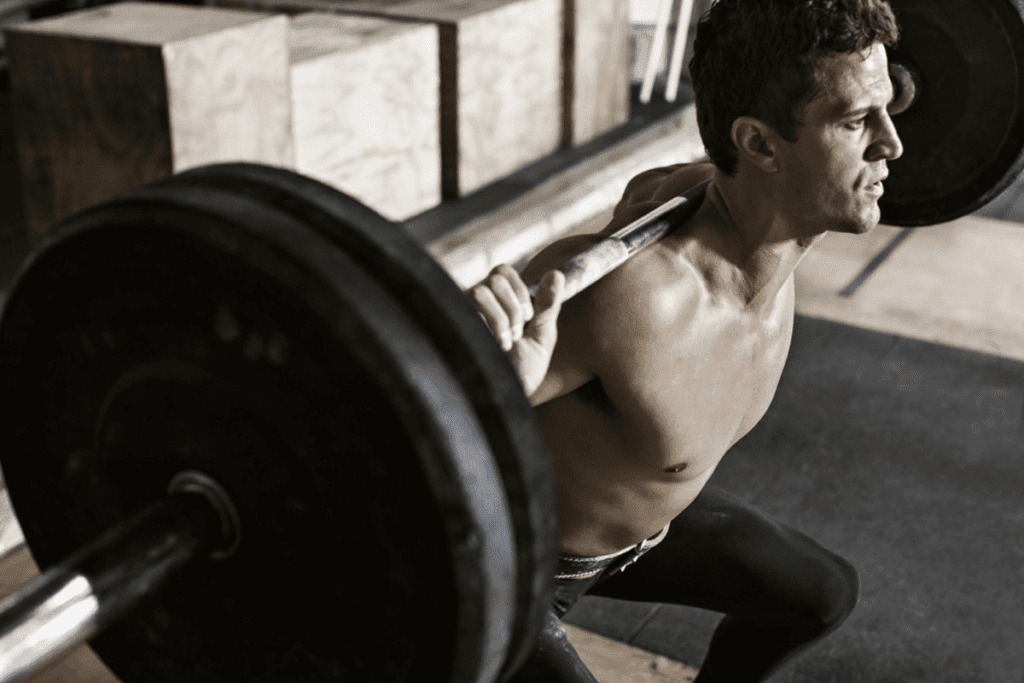
Building muscle and losing fat at the same time is now backed by science. Studies show that with resistancetraining and the right eating plan, it’s possible. Get a ‘good meal plan for building muscle.’ Our simple, powerful guide gives you the best, proven foods and macros for amazing, lean gains.
At Liv Hospital, we know it’s not just about working out. You also need a nutrient-dense diet to grow muscle and lose fat. A good meal plan should have protein, complex carbs, and healthy fats in balance.
Key Takeaways
- A balanced diet is key for body recomposition.
- Resistance training and a high-protein diet help build muscle.
- A diet rich in nutrients reduces body fat.
- Complex carbs and healthy fats are vital for body shape.
- A well-planned meal plan is essential for muscle gain and fat loss.
The Science Behind Body Recomposition

Understanding body recomposition is key for those wanting to build muscle and lose fat. It’s a complex process that needs a good grasp of nutrition and training.
What Makes Simultaneous Muscle Growth and Fat Loss Possible
Building muscle and losing fat at the same time is possible with the right diet and workouts. A good muscle growth nutrition plan is vital. It must include enough protein for muscle building and a calorie deficit for fat loss.
The secret to body recomposition is finding a balance. Resistance training helps grow muscle, while a calorie deficit reduces fat.
Latest Research Findings from 2024-2025
Recent studies show that calorie cycling and strategic nutrient timing are key. Alternating between high and low calorie days can boost muscle gain and fat loss.
Nutritional Strategy | Effect on Muscle Growth | Effect on Fat Loss |
Calorie Cycling | Enhances muscle gain on high-calorie days | Promotes fat loss on low-calorie days |
Nutrient Timing | Optimizes muscle recovery and growth post-workout | Helps in managing hunger and fat metabolism |
Protein Intake | Essential for muscle protein synthesis | Helps in preserving muscle mass during fat loss |
Who Can Achieve Body Recomposition Most Effectively
Newbies to resistance training or those returning after a break tend to see better results. Those with more body fat also see big changes with diet and exercise.
Good bodybuilding meal plans are high in protein, balanced in carbs, and rich in healthy fats. These diets help with muscle growth and fat loss.
Essential Nutritional Principles for Changing Body Composition

To change your body composition, knowing the key nutritional rules is vital. These rules help you grow muscle and lose fat at the same time. A good diet is key to reshaping your body.
Protein Requirements (1.6-2.2g per kg of Bodyweight)
Getting the right amount of protein is key for muscle growth and keeping it. Studies show that eating 1.6 to 2.2 grams of protein per kilogram of body weight daily is best. This amount helps your muscles grow even when you’re eating fewer calories.
If you weigh 70 kg, you should eat between 112 grams (1.6g/kg * 70kg) and 154 grams (2.2g/kg * 70kg) of protein each day. Eating foods high in protein like lean meats, fish, eggs, and dairy can help you meet this goal.
Creating and Maintaining a Strategic Calorie Deficit
For fat loss, you need a calorie deficit, but it must be done right to keep muscle. A strategic calorie deficit means eating 250-500 calories less than you need each day. This helps you lose fat without losing muscle.
It’s important to watch your progress and adjust your calorie deficit as needed. Checking your body composition regularly helps make sure you’re losing fat, not muscle.
Optimal Macronutrient Distribution for Muscle Preservation
The way you divide your macronutrients in your diet is very important for body reshaping. A balanced diet with lots of protein, complex carbs, and healthy fats is essential. Carbs give you energy for workouts, and healthy fats are good for your hormones and health.
Try to eat 25-30% of your daily calories as protein, 40-50% as carbs, and 25-30% as fats. But, these numbers can change based on your needs, how active you are, and how you’re doing.
By following these nutritional tips, you can better achieve your goals of losing fat and gaining or keeping muscle.
The Role of Resistance Training in Body Recomposition
To gain muscle and lose fat, adding resistance training to your workout is key. It works well with the right diet to build muscle and cut down body fat.
Training Volume and Intensity Guidelines
For the best results, follow these training tips:
- Aim for 3-4 sets per exercise.
- Do 8-12 reps for muscle growth.
- Keep adding more weight as you get stronger.
Progressive overload is important for muscle growth. This means slowly increasing the weight or intensity of your workouts.
Exercise Selection for Maximum Muscle Stimulation
Picking the right exercises is essential. Focus on:
- Compound exercises like squats, deadlifts, and bench presses.
- Isolation exercises to target specific muscles.
Mixing compound and isolation exercises in your routine helps develop muscles fully.
Recovery Considerations While in a Calorie Deficit
Recovery is vital when you’re in a calorie deficit. Make sure to:
- Get enough sleep (7-9 hours a night).
- Eat enough protein for muscle repair.
- Stay hydrated to perform better.
Good recovery helps prevent muscle loss and supports muscle growth on your fitness path.
Good Meal Plan for Building Muscle While Burning Fat
To build muscle and lose fat, you need a meal plan that’s balanced. It should have protein, carbs, and healthy fats. A good meal plan is key to changing your body shape.
Calculating Your Specific Caloric Needs
First, figure out how many calories you need each day. Your diet should help you grow muscle and lose fat. You should eat a bit less than you need to maintain your weight, but not so little that you don’t have enough energy.
For most people, eating 250-500 calories less than your maintenance level works well. But, this can change based on your age, sex, weight, height, and how active you are.
Activity Level | Caloric Needs for Muscle Growth | Caloric Needs for Fat Loss |
Sedentary | 2500 calories | 2000 calories |
Moderately Active | 2800 calories | 2300 calories |
Very Active | 3000 calories | 2500 calories |
Setting Up Your Personal Macronutrient Ratios
After figuring out your calorie needs, set your macronutrient ratios. The right mix of protein, carbs, and fats is important for muscle growth and fat loss.
Protein Intake: Aim for 1.6-2.2 grams of protein per kilogram of body weight. Protein helps repair and grow muscles.
Carbohydrate Intake: Carbs should be 45-55% of your daily calories. They give you energy for workouts and help muscles recover.
Fat Intake: Healthy fats should be 20-30% of your daily calories. They’re important for hormone production and health.
By calculating your calorie needs and setting the right macronutrient ratios, you can make a meal plan. This plan will help you build muscle while losing fat.
Strategic Nutrient Timing and Calorie Cycling
To gain muscle and lose fat at the same time, you need to know about nutrient timing and calorie cycling. Studies from 2024-2025 show these methods work well for changing your body shape.
Higher Calorie Days Around Workouts
When you do intense workouts, eating more calories helps your muscles grow and recover. You should eat more protein and complex carbs. This gives your body what it needs to build muscle.
Example: Say you need 2500 calories normally. On workout days, you might eat 2800-3000 calories. Choose foods that are full of nutrients.
Lower Calorie Days for Enhanced Fat Loss
On rest days or light workout days, eating fewer calories helps you lose fat. This creates a calorie deficit. It’s key for losing fat without losing muscle.
Tip: Cut calories by 10-20% on these days. For example, if you usually eat 2500 calories, try eating 2000-2250 calories.
Carbohydrate Distribution Throughout the Week
Spreading out carbs throughout the week helps with performance and recovery. Eat complex carbs on workout days and simple carbs after. This aids in muscle recovery and growth.
Day | Workout Type | Calorie Intake | Carb Intake |
Monday | Heavy Leg Day | 2800 | 350g |
Tuesday | Rest Day | 2200 | 200g |
Wednesday | Upper Body | 2600 | 300g |
Using these strategies, you can improve your diet for gaining muscle and losing fat. A high protein muscle building meal plan is key. The best diet to gain muscle requires careful planning and following nutrient timing and calorie cycling.
Protein-Rich Foods to Prioritize in Your Diet
Protein is key for any fitness meal plan. It helps grow muscles and lose fat. Eating 1.6 to 2.2 grams of protein per kilogram of body weight daily is best for muscle growth and fat loss.
Complete Animal-Based Protein Sources
Animal proteins are complete because they have all nine essential amino acids. These are needed for muscle repair and growth. Examples include:
- Lean meats like chicken breast and turkey
- Fish such as salmon and tuna
- Eggs and dairy products like Greek yogurt and cottage cheese
These foods are not just high in protein. They also have iron, zinc, and B vitamins. These nutrients are important for health and performance.
Plant-Based Protein Combinations for Complete Amino Profiles
If you follow a plant-based diet, mix different protein sources. This ensures you get all essential amino acids. Good combinations include:
- Legumes (lentils, chickpeas) paired with grains (rice, quinoa)
- Nuts and seeds (almonds, chia seeds) with whole grains
These mixes help you get all the amino acids needed for muscle growth and repair.
Protein Supplements: When and How to Use Them
While whole foods are best, supplements can help meet daily protein needs. Whey protein and plant-based proteins like pea and rice protein are popular.
Protein Source | Protein Content per Serving | Benefits |
Whey Protein | 25 grams | High bioavailability, supports muscle recovery |
Pea Protein | 20 grams | Hypoallergenic, rich in branched-chain amino acids |
Rice Protein | 15 grams | Easy to digest, complements other plant proteins |
In conclusion, a diet rich in protein is vital for body recomposition. Whether you eat animal or plant-based foods, enough protein is essential. It supports muscle growth and fat loss.
Carbohydrate Selection and Timing for Performance
Choosing and timing carbs can greatly affect how well you perform and change your body shape. Carbs are key for fueling workouts and helping muscles grow. So, managing carbs well is vital in a diet for changing body shape.
Complex vs. Simple Carbs: When to Use Each
Carbs are divided into complex and simple types, each with its own role. Complex carbs, like whole grains and veggies, give steady energy and are full of fiber and nutrients. Simple carbs, like fruits and sugars, quickly raise blood sugar and are best for quick energy or after workouts.
It’s best to eat complex carbs most of the time. Save simple carbs for quick energy needs or after working out.
Carb Type | Examples | Best Use |
Complex Carbs | Oats, Brown Rice, Sweet Potatoes | Daily Energy, Pre-Workout |
Simple Carbs | Bananas, White Bread, Sports Drinks | Post-Workout Recovery, Quick Energy |
Pre and Post-Workout Carbohydrate Strategies
Timing carbs around workouts can boost performance and recovery. Eating complex carbs before workouts gives steady energy. Simple carbs after workouts help quickly refill glycogen and aid in muscle repair.
Pre-Workout: Eat a meal with complex carbs and some protein 1-2 hours before working out.
Post-Workout: Within 30-60 minutes after working out, eat a mix of simple carbs and protein to help with recovery and muscle growth.
Low-Carb Days: Food Choices and Timing
On low-carb days, cut down on carbs but keep up with protein and healthy fats. This helps burn fat while keeping muscle. Stick to non-starchy veggies, lean proteins, and healthy fats.
Low-carb days are great for losing fat while gaining muscle. Just make sure to do them on rest days or low-intensity workout days.
By carefully managing carbs, you can improve your body recomposition journey. This leads to a leaner, more muscular body.
Healthy Fats for Hormonal Support and Recovery
Adding healthy fats to your diet is key for hormonal balance and recovery. These fats are full of essential fatty acids. They help make hormones and keep you healthy.
Essential Fatty Acids for Testosterone Optimization
Omega-3 and omega-6 fatty acids are vital for testosterone. They help make hormones that grow muscles and burn fat. Eating salmon, flaxseeds, and walnuts boosts testosterone.
Studies show omega-3 and omega-6 fatty acids improve hormone health. This helps with recovery and muscle growth. It’s important to have the right balance of these fats for health.
Fat Sources to Include in Your Recomposition Diet
It’s important to eat a variety of healthy fats for body recomposition. Some top sources are:
- Avocados: Full of monounsaturated fats, they’re good for the heart and give lasting energy.
- Nuts and Seeds: Almonds, walnuts, and chia seeds are packed with healthy fats. They’re easy to add to meals or snacks.
- Fatty Fish: Salmon and mackerel have lots of omega-3s. They help with hormone production and recovery.
- Olive Oil: A common choice, olive oil is full of healthy fats that boost overall health.
Balancing Fat Intake with Overall Calorie Goals
It’s important to balance fat intake with calorie goals for body recomposition. You need to figure out your daily calorie needs and set aside the right amount for fats. Fats should be 20-35% of your daily calories.
To get this right, follow these tips:
- Keep track of your fat intake with a food diary or app.
- Vary your fat sources to include healthy options.
- Make sure your calorie intake helps you gain muscle and lose fat.
By adding healthy fats to your diet and balancing them with calories, you support hormone health and recovery. This helps your body recomposition journey.
7-Day Complete Meal Plan Templates
Using a 7-day meal plan template is a great way to guide your nutrition. It helps support your body’s goals of building muscle and losing fat. A good meal plan gives you a clear plan for what you need to eat.
Meal Plan for 150-180lb Individuals
For those who weigh 150-180lb, the meal plan should include enough protein for muscle growth. It should also have a calorie deficit to help lose fat. Here’s a sample meal plan:
Day | Breakfast | Lunch | Dinner |
Monday | 3 whole eggs, 2 egg whites, whole wheat toast | Grilled chicken breast, brown rice, steamed vegetables | Salmon, sweet potato, green beans |
Tuesday | Oatmeal with banana, almond butter | Turkey and avocado wrap, mixed greens salad | Grilled chicken breast, quinoa, roasted vegetables |
Wednesday | Greek yogurt, berries, granola | Grilled chicken Caesar salad | Shrimp, brown rice, steamed asparagus |
Meal Plan for 180-210lb Individuals
For those who weigh 180-210lb, the meal plan needs to be adjusted. It should account for the higher caloric needs. Here’s a sample meal plan:
Day | Breakfast | Lunch | Dinner |
Monday | 4 whole eggs, 2 egg whites, whole wheat toast, avocado | Grilled chicken breast, quinoa, mixed vegetables | Grilled salmon, sweet potato, green beans |
Tuesday | Oatmeal with banana, almond butter, protein shake | Turkey and avocado wrap, mixed greens salad | Grilled chicken breast, brown rice, steamed broccoli |
Wednesday | Greek yogurt, berries, granola, protein bar | Grilled chicken Caesar salad | Shrimp, quinoa, roasted asparagus |
Vegetarian Adaptation Options
Vegetarians need to focus on plant-based protein sources for muscle growth. Here are some options:
- Replace chicken breast with tofu or tempeh
- Use plant-based protein powder instead of whey protein
- Incorporate legumes, such as lentils or chickpeas, into your meals
Tracking Progress and Making Adjustments
Tracking your body composition and performance is key to effective body recomposition. It’s not just about planning; you need to monitor your progress too. This dynamic approach helps you grow muscle and lose fat at the same time.
Body Composition Measurement Methods
Measuring your body composition accurately is essential. We suggest using a mix of methods for a full picture:
- Dual-Energy X-ray Absorptiometry (DEXA) for precise body fat percentage
- Hydrostatic weighing for body density measurement
- Skinfold measurements for tracking changes in subcutaneous fat
Each method has its own strengths. Using them together gives a clearer view of your progress.
Performance Metrics to Monitor
Tracking performance metrics is also important. It helps you see if your training and nutrition plan are working. Key metrics include:
Metric | Description | Importance |
Strength Gains | Increase in the amount of weight lifted over time | Indicates muscle growth and strength improvement |
Workout Duration | Time taken to complete a workout session | Reflects endurance and cardiovascular fitness |
Recovery Time | Time taken to recover between workouts | Indicates overall stress and training load |
When and How to Adjust Your Nutrition Plan
It’s important to adjust your nutrition plan based on your progress. Check your caloric intake and macronutrient ratios every four weeks or as needed. Increasing protein intake can help if you’re not seeing muscle growth.
Breaking Through Plateaus in Body Recomposition
Plateaus are common in body recomposition. To get past them, try these strategies:
- Check if your caloric deficit is too aggressive.
- Change your training intensity or volume to challenge your muscles more.
- Make sure you’re eating the best diet to lose weight and gain muscle, with the right nutrients.
By tracking your progress and making smart adjustments, you can reach your body recomposition goals. Remember, it takes patience and persistence.
Conclusion
Building muscle and losing fat need a good meal plan, strength training, and the right timing of nutrients. A well-planned diet is key for muscle growth and recovery. This diet, combined with the best plan for muscle gain and fat loss, helps improve body shape.
A smart plan for body changes can lead to more muscle and less fat. Studies show that a detailed plan, tailored to each person, works well. Following the tips in this article can help reach body goals.
We stress the need for a balanced diet, regular strength training, and tracking progress. This approach helps build muscle and lose fat, leading to a leaner, stronger body.
FAQ
What is body recomposition and how can it be achieved?
Body recomposition means losing fat while gaining muscle at the same time. It involves resistance training, a good meal plan, and the right timing of nutrients.
What is the best diet for muscle gain and fat loss?
A good diet for muscle gain and fat loss has protein, complex carbs, and healthy fats. The right mix depends on your body type and how active you are.
How much protein is required for muscle growth?
You need 1.6-2.2 grams of protein per kilogram of body weight for muscle growth. You can get this from animal and plant sources.
What is the role of calorie deficit in body recomposition?
A smart calorie deficit helps lose fat, but you also need enough nutrients for muscle growth. Too big of a deficit can hurt your muscle.
How often should I adjust my nutrition plan?
Adjust your nutrition plan based on how you’re doing. Use body measurements and performance to guide your changes. This keeps you on track with your goals.
What are the benefits of carbohydrate cycling?
Carbohydrate cycling switches between high and low carb intake. It’s good for performance and losing fat, and works well with weight training.
How can I track my progress during body recomposition?
Track your progress with body measurements and scans like DXA. Also, watch your strength and endurance.
What is the importance of healthy fats in the diet?
Healthy fats are key for hormones and recovery. Eat them in moderation as part of a balanced diet.
Can I achieve body recomposition without supplements?
You don’t need supplements for body recomposition. A balanced diet with protein, carbs, and fats can help you grow muscle and lose fat.
How can I create a meal plan that supports muscle growth while burning fat?
To make a meal plan for muscle growth and fat loss, figure out your calorie needs. Set your macronutrient ratios and plan your meals for training and recovery.
References
National Center for Biotechnology Information. Evidence-Based Medical Guidance. Retrieved from https://www.ncbi.nlm.nih.gov/pmc/articles/PMC3105122/