

Getting a diagnosis of a benign brain tumor can be scary. But knowing what to expect can help you feel better. At Liv Hospital, we offer top-notch healthcare and support for patients from around the world. We’ll look at the key facts about meningioma life expectancy and what it means for your future.
People with a Grade 1 meningioma usually have a good outlook. More than 95% of them live at least 5 years after being diagnosed. And 80% stay free of the tumor for 10 years. Our patient-focused care ensures you get the best treatment at every step.
Key Takeaways
- Understanding the prognosis of a benign brain tumor can provide peace of mind.
- Grade 1 meningioma patients have a high life expectancy rate.
- Over 95% of patients live at least 5 years after diagnosis.
- 80% of patients remain progression-free for a decade.
- Liv Hospital provides complete support for international patients.
What Are Meningiomas and How Are They Classified?

Meningiomas start in the meninges, which cover the brain and spinal cord. They are usually non-cancerous tumors. These tumors can grow at different rates and have different behaviors.
Benign Neoplasm of the Meninges Explained
A benign neoplasm of the meninges is a non-cancerous tumor in the meninges. These tumors grow slowly and don’t spread to other brain tissues. Benign meningiomas are the most common type, making up most meningioma cases.
The WHO Grading System for Meningiomas
The World Health Organization (WHO) grading system sorts meningiomas into three grades. Grade 1 meningiomas are benign, Grade 2 are atypical, and Grade 3 are malignant.
Distinguishing Grade 1 from Higher-Grade Tumors
Grade 1 meningiomas are benign and have a low risk of coming back or growing aggressively. Higher-grade meningiomas (Grade 2 and 3) are more aggressive. They have more cell division, invade the brain, or show other signs of cancer. Knowing the grade is key for understanding the prognosis and treatment.
The table below shows the main differences between Grade 1, 2, and 3 meningiomas based on the WHO grading system:
| WHO Grade | Characteristics | Behavior |
|---|---|---|
| Grade 1 | Benign, slow-growing | Low risk of recurrence |
| Grade 2 | Atypical, increased mitotic activity | Moderate risk of recurrence |
| Grade 3 | Malignant, high mitotic activity, brain invasion | High risk of recurrence and aggressive behavior |
Grade 1 Meningioma Life Expectancy: Statistical Overview
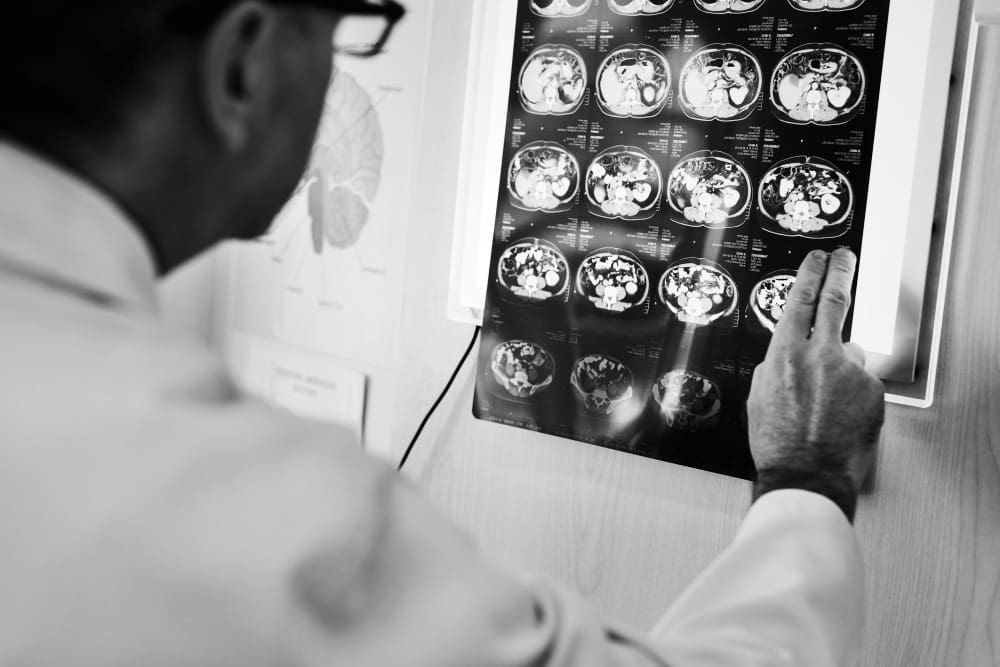
Patients with Grade 1 meningioma have a good outlook. We’ll look at survival rates and how long they stay tumor-free. This gives us a clear picture of their long-term health.
5-Year Survival Rate Exceeding 95%
Research shows that over 95% of Grade 1 meningioma patients live for five years. This is thanks to effective treatments and the tumors’ nature. A study in a medical journal found a 97.3% 5-year survival rate for these patients.
Here’s a table comparing survival rates for different meningioma grades.
| Meningioma Type | 5-Year Survival Rate |
|---|---|
| Grade 1 | >95% |
| Grade 2 | 80-90% |
| Grade 3 |
10-Year Survival Expectations
Grade 1 meningioma patients also have a positive outlook for 10 years. Studies show many patients live 10 years after diagnosis. Their survival rates are similar to the general population, considering age and health.
Progression-Free Survival Statistics
Progression-free survival (PFS) is key for understanding Grade 1 meningioma patients’ life expectancy. PFS is the time after treatment when the tumor doesn’t grow or come back. For Grade 1 meningiomas, PFS rates are high, even after complete removal. A study found an 85% 10-year PFS rate for completely removed tumors.
These numbers show a good prognosis for Grade 1 meningioma patients. Knowing these survival and PFS rates helps patients and doctors make better treatment plans and follow-up care decisions.
Key Factors That Influence Survival Outcomes
Several key factors play a big role in survival for Grade 1 meningioma patients. Knowing these factors helps patients and doctors make better treatment choices.
Impact of Age on Prognosis
Age is very important for Grade 1 meningioma patients. Younger people usually do better than older ones. This is because older people might have more health problems.
Research shows that those under 60 do better than those over 60. But, remember, age is just one thing. Each person’s situation can be different.
Tumor Location and Size Considerations
The tumor’s location and size also matter a lot. Tumors in easy-to-reach places usually have better outcomes. Tumors in hard-to-reach places are tougher to treat.
Larger tumors are harder to treat and might come back more often. Here’s how tumor size affects survival:
| Tumor Size (cm) | 5-Year Survival Rate | 10-Year Survival Rate |
|---|---|---|
| <2 | 98% | 95% |
| 2-4 | 95% | 90% |
| >4 | 90% | 85% |
Complete vs. Partial Tumor Resection
How much of the tumor is removed also matters a lot. Removing the whole tumor is better than just part of it.
People who get the whole tumor removed do better in the long run. But, it’s hard to remove the whole tumor if it’s big or in a tricky spot.
In short, knowing what affects survival is key for managing Grade 1 meningioma. By looking at age, tumor size and location, and how much is removed, doctors can tailor treatments for the best results.
Treatment Options and Their Effect on Life Expectancy
Knowing about treatment options for Grade 1 meningioma is key for patients. It helps them make smart choices about their health. The treatment chosen can greatly affect how long they live and their quality of life.
Surgical Approaches and Success Rates
Surgery is a main treatment for Grade 1 meningioma. It has a high success rate if the tumor is fully removed. Advances in surgery have made it better for patients.
The success of surgery depends on the tumor’s location and size. Tumors near important brain areas might need more complex surgery.
| Tumor Location | Surgical Success Rate | Complication Rate |
|---|---|---|
| Cerebral Convexity | 95% | 5% |
| Skull Base | 80% | 15% |
| Posterior Fossa | 85% | 10% |
Radiation Therapy for Inoperable Tumors
For tumors that can’t be removed, radiation therapy is a good option. It helps slow down tumor growth, which can increase life expectancy.
Radiation therapy is great for tumors in hard-to-reach places. Surgery might be too risky there.
Watchful Waiting for Asymptomatic Meningiomas
For tumors that don’t cause symptoms and are small, watchful waiting might be suggested. This means regular check-ups with imaging to see if the tumor grows.
Watchful waiting is often for older patients or those with other health issues. The risks of treatment might be too high.
Emerging Treatment Modalities
There’s ongoing research into new treatments for Grade 1 meningioma. New treatments like targeted therapies and immunotherapies are showing promise. They might offer new hope for patients in the future.
Even though these new treatments are not yet common, they are a positive sign. They could lead to better outcomes for patients with Grade 1 meningioma.
Life Expectancy After Meningioma Surgery
Patients often wonder about their life expectancy after meningioma surgery. The prognosis for Grade 1 meningiomas is good, if the tumor is fully removed.
Immediate Post-Surgical Recovery Timeline
The recovery period right after surgery is key for long-term success. Patients usually stay in the hospital for a few days. This is to manage any complications and check their brain function. Managing pain well and moving early are important for recovery.
Patients who have successful surgery often see big improvements in their symptoms. But, recovery time can differ. This depends on the tumor’s size, location, and the patient’s health.
Long-term Monitoring Requirements
Long-term monitoring is vital to catch any meningioma return. Regular check-ups and scans are key for early detection and action if the tumor comes back. How often these checks happen can vary, but usually includes MRI scans.
Quality of Life Considerations
Quality of life after surgery depends on several things. These include how much of the tumor was removed, any brain function loss, and the patient’s health. Many patients can go back to their usual activities and live well after successful surgery.
| Factor | Impact on Quality of Life |
|---|---|
| Extent of Tumor Resection | Complete resection generally leads to better outcomes |
| Presence of Neurological Deficits | Minimal deficits result in better quality of life |
| Overall Health | Patients with fewer comorbidities tend to have better recovery |
We stress the need for a full care plan. It should cover surgery and the patient’s overall health. This ensures the best life quality after meningioma surgery.
Recurrence Risks and Long-Term Monitoring
After treatment, Grade 1 meningioma patients face the risk of tumor recurrence. Ongoing monitoring is vital. The possibility of recurrence can be a big concern for patients and their families.
Recurrence Rates for Grade 1 Meningiomas
Studies show that Grade 1 meningiomas have a low recurrence rate. But, the risk is not zero.
| Time Frame | Recurrence Rate |
|---|---|
| 5 Years | 5-10% |
| 10 Years | 10-20% |
These stats highlight the need for long-term follow-up. We advise patients to stick to their follow-up plans. This helps catch any recurrence early.
Warning Signs of Tumor Recurrence
It’s key for patients to know the warning signs of recurrence. These include:
- New or worsening headaches
- Seizures
- Changes in vision or hearing
- Weakness or numbness in the limbs
- Cognitive or personality changes
If these symptoms appear, patients should reach out to their healthcare provider right away.
Follow-up Protocols and Imaging Schedule
Regular check-ups and imaging studies are key for monitoring. They help catch recurrence early. The usual follow-up plan includes:
- MRI or CT scans at regular intervals (e.g., every 6-12 months)
- Clinical evaluations to assess neurological function
- Patient education on recognizing warning signs of recurrence
By following these protocols, we can quickly spot and handle any issues. This ensures the best care for Grade 1 meningioma patients.
Can a Benign Meningioma Be Life-Threatening?
Benign meningiomas are usually not cancerous. But, they can be dangerous if not treated. We will look at the risks they pose and when you should see a doctor.
Potential Complications of Untreated Meningiomas
Untreated benign meningiomas can cause serious problems. These include neurological deficits from the tumor pressing on brain structures. They can also lead to seizures and hydrocephalus (fluid buildup in the brain).
It’s key to watch them closely and act fast. Even though they’re benign, they can harm the brain tissue around them.
Neurological Impact and Indirect Mortality Risks
The brain effects of a benign meningioma can be big. It depends on where and how big the tumor is. Big tumors or those in important spots can really hurt your brain.
This can make your life much harder and even risk your life. For example, a tumor pressing on brain parts can cause breathing or heart problems. These can be deadly if not treated right away.
When to Seek Emergency Medical Attention
If you have a meningioma, know when to go to the emergency room. Look out for sudden severe headache, confusion, weakness or numbness in the limbs, and seizures.
If you see these signs, get help fast. Quick action can make a big difference and save lives.
Comparing Grade 1, 2, and 3 Meningioma Survival Rates
The outlook for meningioma patients changes a lot based on the tumor grade. It’s key to look at survival rates for each grade. Meningiomas are split into three grades, with Grade 1 being the least serious and Grade 3 the most serious.
Grade 2 Meningioma Life Expectancy
Grade 2 meningiomas, or atypical meningiomas, tend to come back more often than Grade 1. The 5-year survival rate for Grade 2 meningiomas is lower, between 70% to 90%. Age, where the tumor is, and how much of it is removed are big factors in life expectancy.
Research shows that Grade 2 meningiomas don’t stay stable as long as Grade 1. This means patients need to be watched closely and might need stronger treatments.
Grade 3 Meningioma Prognosis
Grade 3 meningiomas, or malignant meningiomas, have the worst outlook. The life expectancy for those with Grade 3 meningiomas is much shorter, with a 5-year survival rate often under 50%. These tumors grow fast and need quick and strong treatment, like surgery, radiation, and sometimes chemo.
How Tumor Grade Influences Treatment Decisions
The tumor grade is very important in choosing how to treat meningioma patients. For Grade 1 meningiomas, watchful waiting or surgery might be enough. But Grade 2 and 3 meningiomas need stronger treatments, like radiation therapy and sometimes chemo.
Knowing how tumor grade affects treatment decisions helps doctors make plans that fit each patient. The grade of the meningioma affects not just the first treatment but also long-term care and follow-up.
Living Well After a Grade 1 Meningioma Diagnosis
Getting a Grade 1 meningioma diagnosis can change your life. It’s important to get the right treatment and care to improve your life quality. After surgery, focusing on recovery and long-term health is key.
Living well means both medical care and lifestyle changes. Stick to your follow-up care to watch for any signs of the tumor coming back. This way, we can catch and treat any problems early.
Life after surgery can be rewarding, with many people getting back to their usual activities. Eating well and exercising regularly helps keep you healthy and happy.
With the help of your healthcare team, you can manage a Grade 1 meningioma diagnosis well. We’re here to support you in living a fulfilling life after treatment.
What is a Grade 1 meningioma?
A Grade 1 meningioma is a type of brain tumor. It grows slowly and is not cancerous. It forms in the meninges, which protect the brain and spinal cord.
What is the life expectancy for someone with a Grade 1 meningioma?
People with a Grade 1 meningioma usually live a long time. Their 5-year survival rate is over 95%. The 10-year survival rate is also high, but it can depend on age and where the tumor is.
Can a benign meningioma be life-threatening?
Yes, a benign meningioma can be dangerous if not treated. It can cause high pressure in the brain, seizures, or problems with thinking. These issues can increase the risk of death.
What are the treatment options for Grade 1 meningioma?
There are several ways to treat Grade 1 meningioma. Surgery, radiation therapy, or watching it closely are options. The best choice depends on the tumor’s size, location, and symptoms, and the patient’s health.
How does tumor grade influence prognosis and treatment decisions?
The grade of a tumor affects how well you’ll do and what treatment you’ll get. Higher-grade tumors need more aggressive treatment. Grade 1 meningiomas are usually treated with surgery or by watching them closely.
What is the recurrence rate for Grade 1 meningiomas?
Grade 1 meningiomas rarely come back. But, it’s important to keep an eye out for any signs of recurrence. Regular imaging studies, like MRI or CT scans, are part of follow-up care.
How does age impact prognosis for Grade 1 meningioma patients?
Age can affect how well you do with a Grade 1 meningioma. Older people might face a slightly worse outlook due to other health issues. But, most Grade 1 meningioma patients have a good chance of recovery, no matter their age.
What are the warning signs of tumor recurrence?
Signs of tumor recurrence include new or worsening symptoms. These can be headaches, seizures, or problems with thinking. Regular check-ups and imaging studies can catch recurrence early.
Can a benign brain tumor kill you?
Yes, a benign brain tumor, like a meningioma, can be dangerous. It can cause serious problems or lead to complications. But, with the right treatment and care, the risk of death is low.
References
Cancer Therapy Advisor. Benign Meningioma: Can You Die From It? https://www.cancertherapyadvisor.com/factsheets/benign-meningioma-can-you-die-from-it/
National Center for Biotechnology Information (NCBI). (PMC article) https://pmc.ncbi.nlm.nih.gov/articles/PMC3337301/