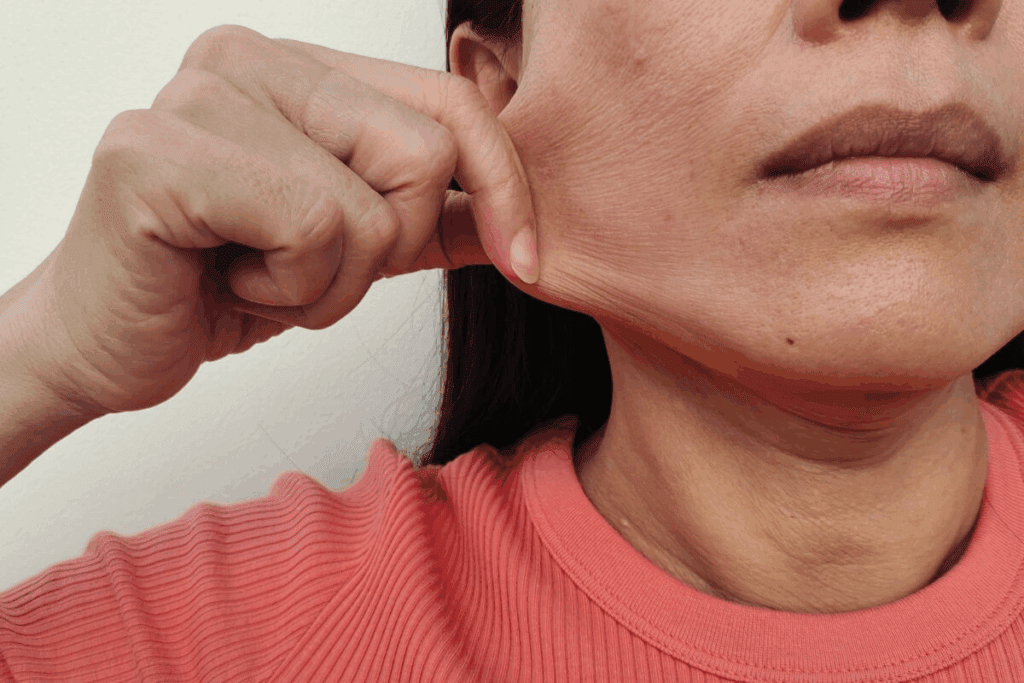
Seeing a lump or small growth inside your cheek can worry you. But, most of these lumps are harmless and can be treated. At Liv Hospital, we care about your worries and offer you kind care and a detailed check-up.
Lumps inside the cheek happen to people of all ages. Medical Expert, “Most lumps are not serious, but it’s wise to have them checked.” We use the latest medical standards and focus on you to figure out why the lump is there. Then, we suggest treatments that work based on science.Guide to the benign and malignant causes of a persistent Growth on cheek inside mouth (fibroma or cancer).
Key Takeaways
- Most oral lumps are benign and treatable.
- Lumps inside the cheek can occur in various age groups.
- A thorough evaluation is necessary to determine the cause.
- Evidence-based treatment protocols are available.
- Compassionate care is provided at Liv Hospital.
Understanding Oral Lumps and Growths
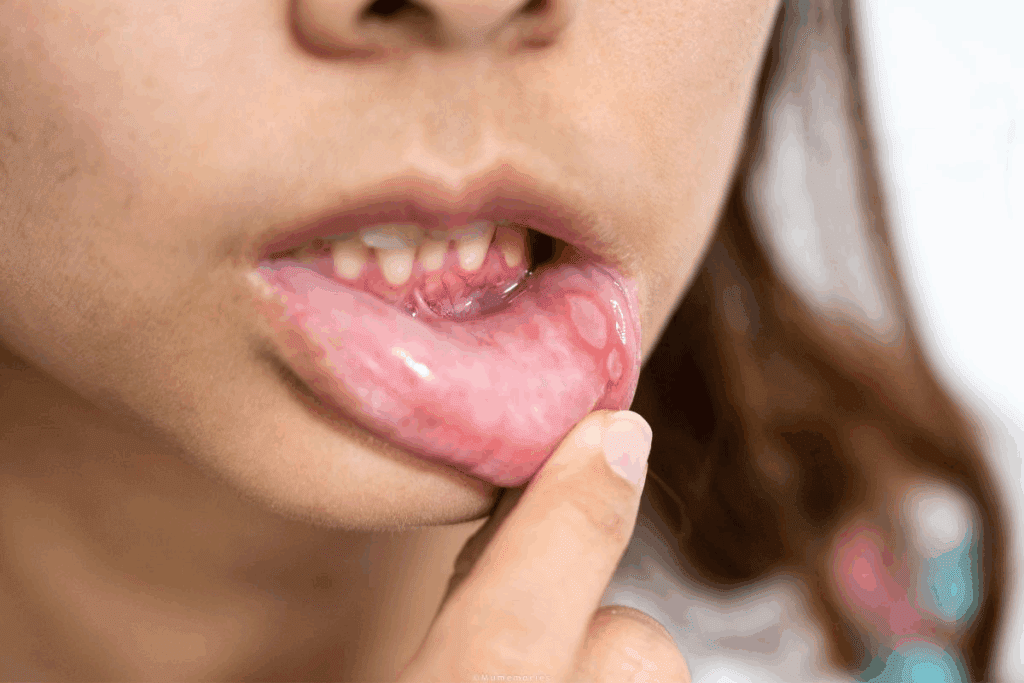
Oral lumps and growths can worry us, but knowing they’re common can ease our minds. We’ll look at how often they happen and why they form in the inner cheek.
Prevalence and Statistics
Most oral growths are harmless. Studies show that benign tumors in the mouth are more common than cancerous ones. For example, a lump in the cheek is often a harmless growth like a fibroma or mucocele.
Oral mucosal lesions, which include lumps and growths, are quite common. Many of these are benign and can be caused by irritation, trauma, or infections.
Anatomy of the Inner Cheek
The inner cheek, or buccal mucosa, is a common spot for lumps and growths. It’s often irritated or injured because of its location and function. The inner cheek has many blood vessels and salivary glands, leading to different types of lumps.
Knowing the inner cheek’s structure helps us understand why lumps form. For instance, a lump in the cheek can be linked to the salivary glands or cheek biting. “The buccal mucosa is susceptible to a range of pathological conditions, from benign to malignant,” say oral pathology experts.
By understanding oral lumps and their causes, we can better handle them. This knowledge helps us know when to seek medical advice.
Common Types of Benign Growth on Cheek Inside Mouth
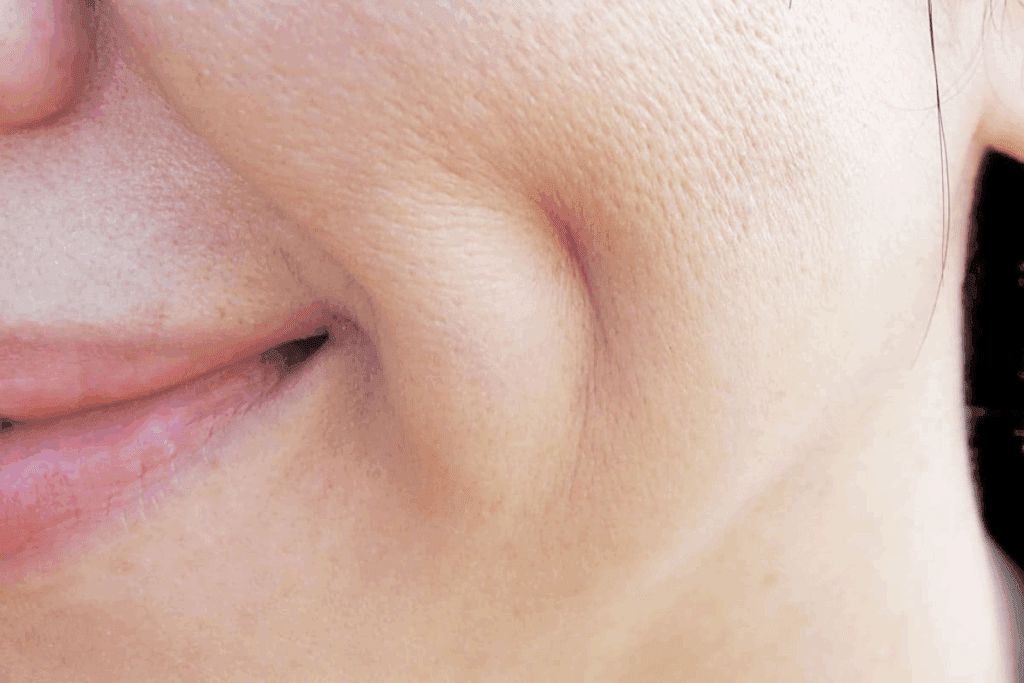
We often find benign growths on the cheek inside the mouth. These growths can look different and have various causes. But, they are usually not a worry. Let’s look at the different types of benign growths that can appear inside the mouth, focusing on the cheek.
Fibromas
Fibromas are benign growths that can appear on the inner cheek. They happen due to chronic irritation or trauma. Fibromas are common in areas where the cheek is frequently bitten or rubbed against the teeth. Treatment often involves removing the cause of irritation. Sometimes, the fibroma itself needs to be surgically removed.
Mucoceles
Mucoceles are fluid-filled cysts caused by blocked minor salivary glands. They often appear on the inner cheek or lower lip. Mucoceles can be translucent or bluish in color and vary in size. Though they can be annoying, they are usually harmless. Treatment might include surgical removal or marsupialization to drain the cyst.
Lipomas
Lipomas are benign fatty tumors that can appear almost anywhere, including inside the mouth. When they appear on the inner cheek, they are soft and movable. Lipomas are usually painless and grow slowly over time. If they cause discomfort or for cosmetic reasons, surgical removal is often suggested.
Oral Papillomas
Oral papillomas are benign growths caused by the human papillomavirus (HPV). They look like small, finger-like projections or cauliflower-like growths on the inner cheek or other oral surfaces. Oral papillomas are generally harmless but can be removed for diagnostic purposes or if they cause irritation. Knowing the cause and treatment options is key for managing these growths.
Understanding the different types of benign growths on the cheek inside the mouth helps individuals navigate their diagnosis and treatment. It’s vital to see a healthcare professional for an accurate diagnosis and proper care.
Salivary Gland Conditions
It’s important to know how salivary gland issues can cause cheek lumps. The salivary glands help keep our mouths healthy by making saliva. When these glands get sick, it can lead to cheek lumps or swelling.
Salivary Gland Tumors
Salivary gland tumors are abnormal growths. Most are not cancerous and grow slowly. But, some can be dangerous. You might notice a lump, pain, or trouble swallowing.
Types of Salivary Gland Tumors:
- Pleomorphic adenomas: The most common type, usually benign.
- Warthin’s tumor: Typically occurs in older adults.
- Mucoepidermoid carcinoma: Can be benign or malignant.
Blocked Salivary Ducts
A blocked salivary duct can cause swelling and lumps. This blockage might be from stones, thick mucus, or other debris. You might feel pain, swelling, and sometimes get an infection.
Causes and Treatment:
- Causes: Stones, trauma, or infection.
- Treatment: May involve stimulating saliva flow, antibiotics, or surgical removal of the blockage.
Sialadenitis
Sialadenitis is inflammation of the salivary gland, often due to infection or blockage. It can cause pain, swelling, and pus. Acute sialadenitis is treated with antibiotics, while chronic cases need ongoing care.
Symptoms and Management:
| Symptoms | Management |
|---|---|
| Pain and swelling | Antibiotics for bacterial infections |
| Pus or discharge | Hydration and salivary gland stimulation |
| Fever | Pain management |
In conclusion, issues like tumors, blocked ducts, and sialadenitis can cause cheek lumps. Knowing about these conditions helps in getting the right treatment. If you have a persistent or painful lump, see a doctor for help.
Trauma-Related Lumps
Trauma to the mouth can cause lumps inside the cheek. These lumps can be painful and worrying. They might come from accidents, dental issues, or reactions to foreign objects.
Cheek Biting Injuries
Cheek biting is a common cause of these lumps. It can happen by accident or due to stress. Biting the inside of your cheek can irritate it, swell it, and create a lump.
- Prevention: Pay attention while eating and manage stress to avoid cheek biting.
- Treatment: Use topical treatments to reduce swelling and avoid further irritation.
Dental Appliance Irritation
Dental appliances like braces or dentures can irritate the inner cheek. This irritation can cause lumps, mainly if the appliance rubs against the cheek.
To handle this, it’s key to:
- Make sure dental appliances fit right.
- Use protective wax or silicone covers to lessen friction.
- Check and adjust appliances regularly.
Foreign Body Reactions
Introducing a foreign object into your mouth can cause a reaction. This can lead to lump formation. Sharp or rough objects can irritate the cheek lining.
Key considerations:
- Don’t put foreign objects in your mouth.
- Be careful with sharp or abrasive foods.
- Watch for signs of infection or ongoing irritation.
In summary, lumps inside the cheek can come from various sources. These include cheek biting, dental appliance issues, and reactions to foreign objects. Knowing the causes and taking steps to prevent them can help manage these lumps.
Infectious Causes of Mouth Lumps
A lump inside the cheek might mean you have an infection. Oral infections can be bacterial, viral, or fungal. Each type has its own signs and affects your mouth differently.
Bacterial Infections
Bacteria can cause lumps in your mouth. For example, abscesses or cellulitis can make your cheek swell. If you have a lump on both sides, it might be a sign of a spreading infection.
You might feel pain, see redness, and notice swelling. Doctors will check you and might take cultures to find the bacteria. They’ll likely give you antibiotics to fight the infection.
Viral Infections
Viral infections can also cause mouth lumps. Herpes simplex causes cold sores, and human papillomavirus (HPV) can lead to warts. These can appear as lumps or growths inside your mouth, including on your cheeks.
Doctors will look at you and might do tests to find the virus. They might give you antiviral meds to help with symptoms and prevent more outbreaks.
Fungal Infections
Fungal infections, like those from Candida, can also cause lumps. Oral candidiasis, or thrush, can make white patches and lumps in your mouth.
Doctors will look at you and might do tests to confirm the infection. They’ll use antifungal meds, which can be applied directly or taken by mouth, depending on the case.
In summary, infections are a big reason for mouth lumps. Knowing what kind of infection you have is key to treating it right. If you have a persistent or painful lump, see a doctor.
Cysts and Fluid-Filled Lumps
Oral cysts are fluid-filled lumps that can appear in different parts of the mouth. They often happen when glands or hair follicles get blocked. These growths are usually harmless and can be different sizes and looks.
Types of Oral Cysts
There are many types of cysts that can show up in the mouth. The most common ones are:
- Mucoceles: These are mucus-containing cysts that often appear on the lower lip.
- Dentigerous cysts: These cysts are associated with unerupted teeth.
- Radicular cysts: These are the most common type of odontogenic cyst and are associated with the root of a non-vital tooth.
Knowing the exact type of cyst is key to finding the right treatment.
Development and Progression
Cysts can form for many reasons, like blocked salivary glands or hair follicles. They usually start as a small, painless lump that can grow bigger over time.
Factors contributing to cyst formation include:
- Trauma to the mouth
- Infection
- Blockage of glands or ducts
Common Locations
Cysts can pop up anywhere in the mouth, but some spots are more common. For example, mucoceles often show up on the lower lip. Dentigerous cysts are linked to the mandible or maxilla near unerupted teeth.
| Type of Cyst | Common Location | Cause |
|---|---|---|
| Mucocele | Lower lip | Blocked salivary gland |
| Dentigerous cyst | Associated with unerupted teeth | Developmental anomaly |
| Radicular cyst | Root of a non-vital tooth | Infection or inflammation |
Understanding the types and causes of these cysts helps in managing and treating them well.
Warning Signs: When to See a Doctor
If you find a lump in your cheek, watch it closely for warning signs. Some lumps are harmless, but others might be serious.
Red Flag Symptoms
Some symptoms with a cheek lump could mean a serious issue. Look out for:
- Pain or discomfort that gets worse over time
- Bleeding or discharge from the lump
- A lump that grows fast or changes size
- Hard time swallowing or speaking
- Changes in the lump’s color or texture
Seeing these signs doesn’t always mean you have a serious problem. But, it’s smart to see a doctor to be sure.
Duration Concerns
How long a lump lasts is key. If it’s there for over two weeks, see a doctor. Early check-ups can figure out the cause and treatment.
Changes in Appearance
Keep an eye on how the lump looks. Watch for size, color, or texture changes. If it gets bigger, changes color, or looks odd, get it checked.
Pain and Discomfort Patterns
Pain or discomfort is a big deal. If the lump hurts or if pain spreads to your ear or throat, see a doctor.
Knowing these warning signs helps you know when to get medical help for a cheek lump. If you’re worried or see any red flags, talk to a healthcare expert for advice and support.
Oral Cancer vs. Benign Growths
When you find a lump on the inside of your cheek, it’s important to know if it’s cancer or not. This can be scary and worrying.
Key Differences
Oral cancer and benign growths look similar but are very different. Benign growths are usually not cancer and might not need a lot of treatment. But oral cancer is serious and needs quick medical help.
Characteristics of Benign Growths: They grow slowly and might not hurt. They can happen from irritation or small injuries.
Characteristics of Oral Cancer: It grows fast, might bleed, and hurts. It’s linked to smoking and drinking too much alcohol.
Risk Factors for Oral Cancer
Knowing the risks for oral cancer helps catch it early. The main risks are:
- Tobacco use, including smoking and chewing tobacco
- Drinking too much alcohol
- Human Papillomavirus (HPV) infection
- Too much sun, which can cause lip cancer
- Eating too few fruits and vegetables
Knowing these risks helps you stay safe and get checked if you notice anything odd in your mouth.
What Can Be Mistaken for Mouth Cancer
Benign conditions can look like oral cancer, and vice versa. Things like canker sores or benign tumors can worry you. It’s key to see a doctor for any new or changing lumps or lesions.
Finding oral cancer early makes treatment better. Regular dental visits and checking yourself can help spot mouth changes fast.
Diagnostic Process for Cheek Lumps
Healthcare professionals use a detailed process to figure out what a cheek lump is. This is key to knowing if it’s harmless or if it could be serious.
Physical Examination
The first step is a thorough check-up. A doctor will look at the lump, noting its size, shape, and feel. They also check for signs like pain, swelling, or trouble swallowing.
“A careful oral examination is the first step in evaluating oral lesions,” according to a study published in a reputable medical journal.
The doctor might also press on the lump gently. This helps them understand if it hurts and if it can move. This initial check helps them start to guess what it might be.
Imaging Tests
Next, imaging tests might be suggested. These include X-rays, CT scans, MRI scans, or ultrasounds. These tests show more about the lump’s size, where it is, and how it might affect nearby tissues.
Biopsy Procedures
At times, a biopsy is needed to know more about the lump. A biopsy takes a small piece of tissue from the lump for a closer look. There are different ways to do this, depending on the lump and what it might be.
A biopsy is very important if the lump might be cancer. As cancer research groups say, “Biopsy remains the gold standard for diagnosing oral cancer.”
Laboratory Tests
Laboratory tests are also key. Samples from the check-up or biopsy are sent for analysis. These tests can spot infections, inflammation, or cancer. Blood tests might also be done to find other health issues that could be linked to the lump.
The results from these tests, along with the physical exam and imaging, help doctors make a correct diagnosis. They then plan the best treatment for the cheek lump.
Treatment Options for Oral Lumps
Treating oral lumps depends on the type and the patient’s health. For benign tumor in mouth or benign mouth tumor, treatment can be simple or complex. It might range from watching the lump to more serious surgery.
Watchful Waiting
Many benign oral lumps are first treated with watchful waiting. This means keeping an eye on the lump for any changes. It’s often recommended if the lump is likely to go away or isn’t causing pain.
Medication Approaches
Medicine might be needed for some oral lumps. For example, antibiotics or antifungal medications can treat infections. Corticosteroids can help with swelling caused by inflammation.
Surgical Removal
If an oral lump doesn’t go away or could be cancerous, surgery might be needed. This involves removing the lump and some tissue around it for tests. We make sure surgery is discussed and agreed upon after careful evaluation.
Specialized Treatments
Some lumps need special treatments. For instance, a mucocele might be treated with a simple procedure. More complex cases might need a specialist’s care.
In summary, treating oral lumps, including benign tumor in mouth and benign mouth tumor, needs a personalized plan. We aim to provide detailed care and advice every step of the way.
Prevention and Risk Reduction
While you can’t prevent all lumps on your cheek inside the mouth, there are steps to lower your risk. Keeping your mouth clean, making healthy lifestyle choices, and seeing your dentist regularly can help a lot. These actions can greatly reduce your chance of getting oral lumps.
Oral Hygiene Practices
Good oral hygiene is key to avoiding many mouth problems, like lumps inside the cheek. Brush your teeth at least twice a day with fluoride toothpaste and floss every day. This helps remove harmful bacteria and debris. Using an antibacterial mouthwash can also help prevent infections.
Lifestyle Modifications
Changing your lifestyle can also help prevent cheek lumps. Stay away from tobacco products because they harm your mouth. Eating a diet full of fruits, veggies, and whole grains is good for your mouth too. Also, avoid biting or chewing on the inside of your cheeks to prevent trauma-related lumps.
Regular Dental Check-ups
Seeing your dentist regularly is important for catching and preventing mouth problems early. Your dentist can spot issues before they get worse, clean your teeth, and give you tips on keeping your mouth healthy. Try to visit your dentist at least twice a year for a check-up.
By following good oral hygiene, making healthy lifestyle choices, and going to the dentist regularly, you can lower your risk of cheek lumps. If you notice any unusual lumps or changes, see your healthcare provider right away for help.
Conclusion
Knowing why a lump forms inside your mouth is key to keeping your teeth and gums healthy. We’ve talked about different kinds of growths, like harmless ones, issues with salivary glands, lumps from injuries, and infections.
Most of these lumps are not serious. But, if a lump doesn’t go away or changes, you should see a doctor. They can figure out what it is and how to fix it.
Staying informed about mouth lumps can help you take care of your teeth and gums. Regular dentist visits and brushing your teeth well can stop many problems.
We urge you to watch your mouth’s health closely. If you notice anything odd, like a growth, talk to a dentist. With the right care, you can keep your mouth healthy and pain-free.
FAQ
What is a lump inside the cheek?
A lump inside the cheek is an abnormal growth or swelling. It can happen due to trauma, infections, or benign growths.
Are lumps inside the cheek always cancerous?
No, most lumps inside the cheek are not cancerous. Common harmless growths like fibromas, mucoceles, and lipomas are usually found.
What causes a lump on the inside of the cheek?
Lumps can be caused by cheek biting, dental appliance irritation, infections, or salivary gland conditions.
How can I determine if a lump inside my cheek is benign or cancerous?
To find out, you should see a healthcare professional. They can do a thorough check, diagnosis, and might need a biopsy.
Can a benign tumor in the mouth be removed?
Yes, benign tumors can be removed surgically. The decision depends on the tumor’s size, location, and how it affects your mouth.
What are the symptoms of a salivary gland tumor?
Symptoms include a lump or swelling, pain, and trouble swallowing or opening your mouth.
Can a lump inside the cheek be caused by an infection?
Yes, infections can cause lumps. It’s important to get a proper diagnosis and treatment for the infection.
How can I prevent lumps inside my cheek?
Good oral hygiene, avoiding cheek biting, and regular dental check-ups can help prevent lumps.
What is the diagnostic process for a lump inside the cheek?
The process includes a physical exam, imaging tests, and possibly a biopsy. This helps figure out the cause and nature of the lump.
Are there any risk factors for developing oral cancer?
Yes, risks include tobacco use, too much alcohol, and certain viruses like HPV.
Can a pea-sized lump in the mouth be a sign of a serious condition?
While small lumps are often harmless, it’s important to have them checked. This ensures there’s no serious condition.
What are the treatment options for oral lumps?
Treatment depends on the lump’s cause and nature. It can range from watchful waiting to surgery, medication, or specialized treatments.
References
National Center for Biotechnology Information. Evidence-Based Medical Guidance. Retrieved from https://www.ncbi.nlm.nih.gov/pmc/articles/PMC7418832/



 Departments
 Related Videos
 Our Doctors
 News
News