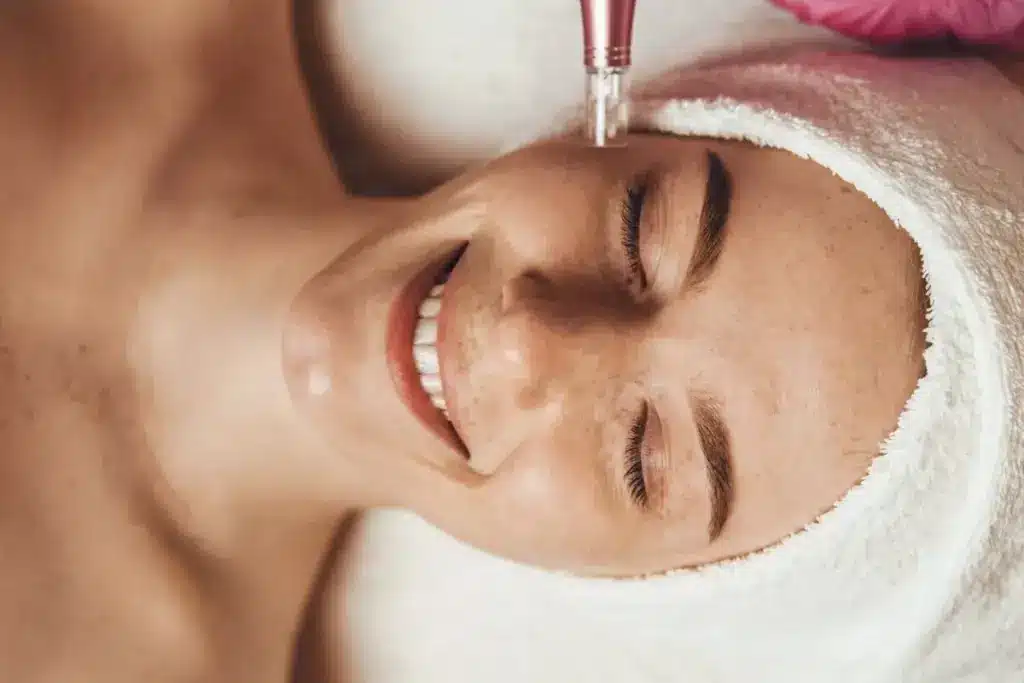
Did you know over 1 million chemical peels were done in the United States last year? It’s one of the top skincare treatments.
Chemical peels are a way to chemical exfoliation. They make the skin look better by reducing fine lines, wrinkles, and spots.
But, many wonder if chemical peels are really worth it. Are they the secret to glowing, young-looking skin, or just a pricey treat?
Key Takeaways
- Chemical peels are a popular skincare treatment for skin rejuvenation.
- They help reduce fine lines, wrinkles, and skin discoloration.
- The effectiveness of chemical peels depends on individual skin types and concerns.
- Proper aftercare is key for the best results.
- Chemical peels can be a good investment for those looking for big skin improvements.
What Exactly Are Chemical Peels and How Do They Work?
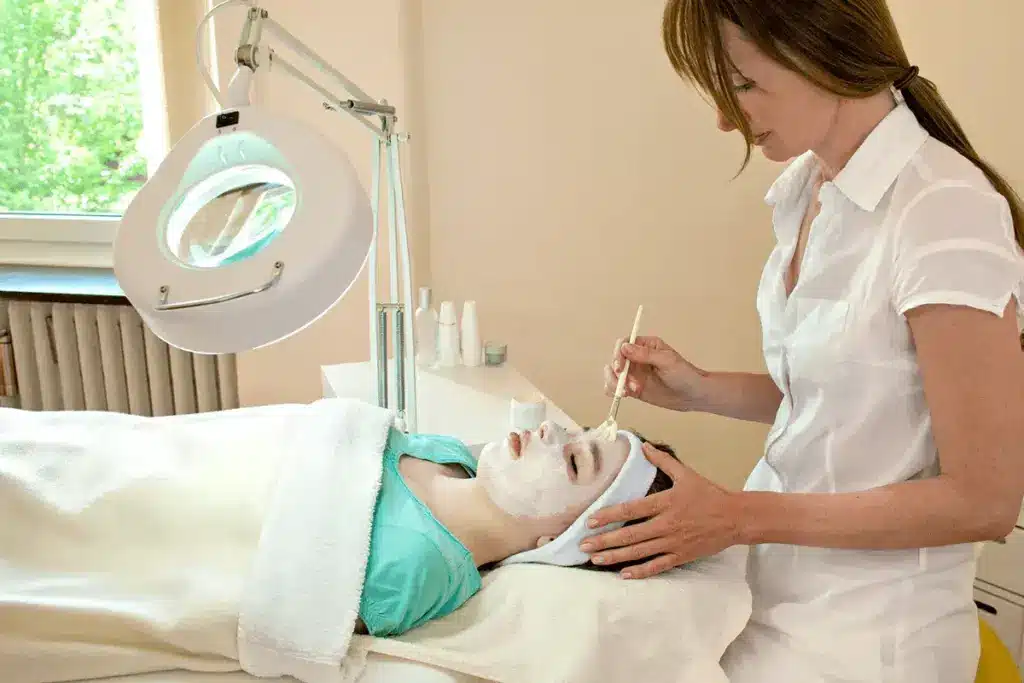
Chemical peels are a non-surgical way to make your skin look smoother and younger. They work by applying a special solution to remove the top layers of your skin. This reveals smoother, less wrinkled skin underneath.
The Science Behind Chemical Exfoliation
Chemical peels use a process called chemical exfoliation. They apply a solution with acids like glycolic acid, lactic acid, or salicylic acid to your skin. These acids break down the “glue” that holds dead skin cells together, gently removing them.
The type and concentration of the acid used determine the depth of the peel. Superficial peels use mild acids for maintenance and minor skin issues. Deeper peels, with stronger acids, tackle deeper wrinkles or scars.
The Skin Renewal Process After Treatment
After a chemical peel, your skin starts to renew itself. The removal of the top layers prompts your skin to grow new, healthier cells. This can improve your skin’s texture, reduce wrinkles, and even out your skin tone.
|
Peel Type |
Acid Used |
Skin Concerns Addressed |
|---|---|---|
|
Superficial |
Glycolic, Lactic, Salicylic |
Mild acne, fine lines, skin texture |
|
Medium-Depth |
TCA, Jessner’s Solution |
Moderate wrinkles, skin discoloration |
|
Deep |
Phenol |
Deep wrinkles, significant skin damage |
The time it takes for your skin to fully heal and show results varies. It can take anywhere from a few days to several weeks, depending on the depth of the peel.
The Evolution of Chemical Peels in Modern Dermatology
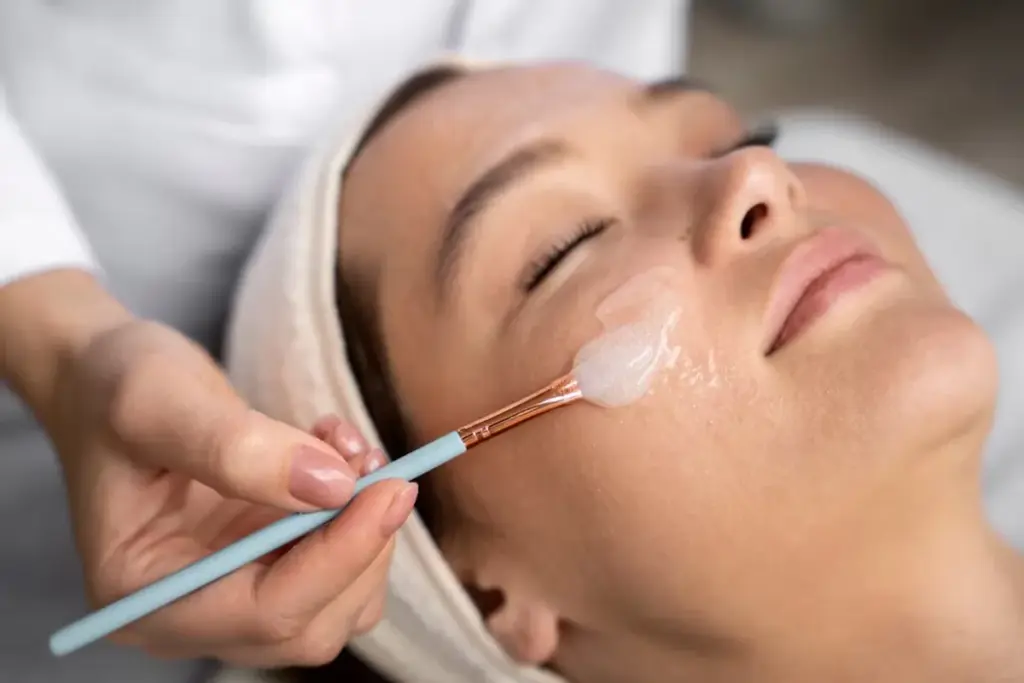
Chemical peels have come a long way, from ancient times to today. They have changed the face of professional skincare. Over the years, they have become a key part of dermatology procedures.
Historical Development and Early Formulations
Chemical exfoliants were first used in ancient Egypt and Greece. People used natural substances to make their skin look better. In the early 20th century, chemical peels started to take shape with phenol-based peels.
These early peels were harsh and had safety and effectiveness issues. But, as dermatology procedures got better, so did the peels. The mid-20th century brought in trichloroacetic acid (TCA) and glycolic acid peels. These were safer and more effective for skin renewal.
Recent Advancements in Peel Technology
Today, there are many chemical peel types for different skin needs. New technology has made peels more precise and customizable. This lets doctors tailor treatments for each patient.
Adding professional skincare to peel treatments has made them better. Better pre- and post-peel care, along with advanced peels, have improved results and patient happiness.
Research in dermatology procedures keeps making chemical peels better. This gives patients more ways to fix their skin problems than ever before.
Types of Chemical Peels and Their Specific Benefits
Chemical peels come in many types to tackle different skin problems. This variety lets people pick the best treatment for their skin.
Superficial Peels: Glycolic, Lactic, and Salicylic Acids
Superficial peels are the gentlest. They use glycolic acid, lactic acid, or salicylic acid. These acids lightly remove the top skin layer, making it smoother and brighter. You won’t need much time to recover.
The benefits of superficial peels include:
- Improved skin texture
- Enhanced skin brightness
- Reduced appearance of fine lines
- Minimal recovery time
Medium-Depth Peels: TCA and Jessner’s Solution
Medium-depth peels go deeper into the skin. They use trichloroacetic acid (TCA) or Jessner’s Solution. These peels tackle deeper wrinkles and color issues better than superficial peels.
|
Peel Type |
Key Ingredients |
Benefits |
|---|---|---|
|
TCA Peel |
Trichloroacetic Acid |
Reduces deep wrinkles, improves skin texture |
|
Jessner’s Peel |
Salicylic Acid, Lactic Acid, Resorcinol |
Addresses pigmentation, improves skin tone |
Deep Peels: Phenol-Based Treatments
Deep peels are the most intense. They use phenol to deeply treat the skin. They’re for severe damage, deep wrinkles, and big color issues. They offer dramatic, lasting results.
But deep peels need more time to heal and have a higher risk of side effects.
Skin Concerns Effectively Addressed by Chemical Peels
“Chemical peels have changed how we care for our skin,” says a top dermatologist. They offer a personalized fix for many skin problems. This makes them a favorite among doctors and patients.
Acne and Acne Scarring Treatment
Chemical peels are great for fighting acne and acne scars. Peels with salicylic acid go deep into pores to clear them and lessen redness. They also help fade scars by making new skin cells.
Hyperpigmentation and Melasma Reduction
They’re also good for dark spots and melasma. Peels with glycolic or lactic acid gently remove old skin. This makes the skin look more even.
Fine Lines and Photoaging Improvement
Chemical peels can also lessen photoaging signs like fine lines and wrinkles. TCA peels boost collagen and make skin smoother. This makes the skin look younger.
Texture and Tone Enhancement
Lastly, peels can make skin texture and tone better. They remove the top skin layers to show smoother, brighter skin. Regular use can greatly improve skin health and look.
“The right chemical peel can make a big difference in your skin,” says a dermatology expert. “It improves not just how it looks but also its health.”
The Real Cost of Chemical Peels: Price Breakdown
Chemical peels don’t cost the same for everyone. Several things affect the price. It’s important to know these factors if you’re thinking about getting a peel.
Price Ranges for Different Peel Types
Chemical peels vary in strength and type, each with its own price. Superficial peels, which use mild acids, are the cheapest. They cost between $100 to $300 per session.
Medium-depth peels, like those with TCA or Jessner’s solution, cost between $300 to $600. Deep peels, which use phenol, are the priciest. They can cost $600 to $1,200 or more per session.
Geographic Price Variations Across the US
The price of chemical peels also changes based on where you are in the US. Cities like New York or Los Angeles charge more because of the cost of living and demand. For example, a superficial peel might cost $150 in a smaller city but $250 or more in a big city. It’s key to look up local prices and providers.
- Urban areas: Higher prices due to demand and cost of living.
- Rural areas: Generally lower prices, but fewer provider options.
Hidden Costs and Additional Expenses
There are costs beyond the peel itself. Pre-peel skincare products are often needed to prepare the skin, adding to the cost. Post-peel care products are also extra, helping the skin recover. Plus, you might need more than one session to see results, increasing the total cost.
- Initial consultation fees.
- Skincare products for pre- and post-peel care.
- Potential need for multiple treatment sessions.
Knowing all the costs of chemical peels helps you make better choices for your skin.
Professional vs. At-Home Chemical Peels: Value Analysis
Choosing between professional and at-home chemical peels depends on several factors. These include how well they work, how safe they are, and their cost. Knowing the differences between them helps make a better choice.
Efficacy Differences Between Professional and DIY Options
Professional chemical peels are given by experts who tailor the treatment to your skin. This personal touch often leads to better results. The peel’s strength and type can be adjusted for your skin.
At-home peels are easy to use and save money. But, they might not be as customized. Using a peel that’s too strong can harm your skin or not work well.
Key differences in efficacy include:
- Customization: Professional peels are made for your specific skin issues.
- Concentration: Experts can use stronger peels.
- Expertise: They know how to handle different skin types.
Safety Considerations for Each Approach
Safety is critical with chemical peels. Professional treatments are done in a safe place. Experts can handle any problems and give advice for healing.
At-home peels are generally safe if used right. But, without guidance, they can cause problems like dryness or infection.
Important safety considerations include:
- Proper skin assessment before treatment.
- Using the right peel concentration and type.
- Good care after the peel to avoid issues.
Long-Term Cost Comparison
At-home peels might seem cheaper at first. But, they can cost more over time if you try many products. Professional peels are pricier per session but might last longer, needing fewer treatments.
It’s important to look at the cost over time. Consider the price per treatment, how many you need, and how long the results last.
Choosing between professional and at-home peels depends on your skin, budget, and preferences. Weighing their effectiveness, safety, and long-term costs helps make the best choice for your skin.
Realistic Expectations: What Chemical Peels Can and Cannot Do
It’s key to know what chemical peels can do for your skin. They’re great for many skin issues, but how well they work depends on several things. These include the type of peel, your skin’s condition, and your skin type.
Immediate Results vs. Progressive Improvements
Chemical peels can make your skin feel smoother and look better right away. But, some benefits like lessening fine lines and spots may take time. It’s important to remember that you might not see the full effects right after the treatment.
Immediate results can include:
- Smoother skin texture
- Brighter complexion
- Reduced appearance of pores
But, progressive improvements might take weeks to show up. This is because your skin keeps renewing itself.
Number of Treatments Needed for Optimal Results
The number of chemical peel treatments needed varies. It depends on your skin issues and the type of peel. Some people might see great results after just one treatment. Others might need more.
A series of treatments is often suggested for:
- Dealing with deep skin problems
- Keeping the results going
- Getting the best cumulative effects
Limitations and Unrealistic Expectations
Chemical peels are very effective, but they can’t fix everything. It’s important to have realistic expectations about what they can do. For example, they might not get rid of deep scars or serious skin damage.
Knowing the limitations of chemical peels helps you make better choices for your skin. It’s also good to use them along with other skincare routines for the best results.
The Complete Chemical Peel Process
A chemical peel is more than one step. It’s a detailed process to make your skin look better. This ensures you get the best results from your treatment.
Consultation and Skin Assessment
Your journey to better skin starts with a detailed consultation. A skincare expert will look at your skin type, concerns, and what you want. They pick the right peel for you, making sure it fits your needs.
Pre-Treatment Preparation
Getting ready for a chemical peel is key. You might need to stop using certain products and avoid the sun. This helps the peel work better and keeps side effects down.
Key Pre-Treatment Steps:
- Avoiding direct sun exposure and tanning beds
- Stopping certain skincare products as advised by the practitioner
- Not undergoing other facial treatments or procedures
The Procedure Experience
On the day of the treatment, a professional will apply the peel. You might feel a slight sting. The time it takes depends on the type of peel. You can usually go back to your day after, but your skin might be a bit red or sensitive.
Post-Peel Care and Recovery Timeline
Aftercare is important for the best results. You’ll be told how to take care of your skin, like using gentle products and protecting it from the sun. It usually takes a few days to a week for your skin to fully recover.
Post-Peel Care Tips:
- Keep the skin moisturized with a gentle, fragrance-free moisturizer
- Avoid direct sun exposure and use a broad-spectrum sunscreen
- Refrain from picking or peeling the skin
By knowing and following the chemical peel process, you can have a safe and effective treatment. It will meet your skincare needs.
Potential Risks and Side Effects: Hidden Costs to Consider
Chemical peels come with their own set of risks and side effects. They are generally safe when done by a skilled professional. But, it’s important to know about these risks before getting a treatment.
Common Temporary Side Effects
People getting chemical peels often face some temporary side effects. These can include:
- Redness and irritation
- Skin dryness or flakiness
- Temporary changes in skin color
- Mild swelling
These effects usually go away within a few days to a week after the treatment.
Rare but Serious Complications
Though rare, serious complications can happen. These may include:
- Permanent scarring
- Hypopigmentation or hyperpigmentation that persists
- Infection
- Allergic reactions to the peel solution
Talking to your dermatologist or skincare professional about these risks is key. They can help you understand how to avoid them.
Risk Factors That Increase Complication Likelihood
Some factors can make side effects or complications more likely. These include:
|
Risk Factor |
Description |
Precaution |
|---|---|---|
|
Skin Type |
Darker skin tones are at higher risk for pigmentation changes |
Careful peel selection and pre-treatment preparation |
|
History of Skin Conditions |
Conditions like rosacea or eczema can increase sensitivity |
Pre-treatment assessment and customized peel strength |
|
Recent Sun Exposure |
Recent tanning can increase risk of complications |
Avoiding sun exposure before treatment |
Knowing about these risk factors and talking to your provider can help avoid problems.
Understanding the risks and side effects of chemical peels helps make better skincare choices. While risks are real, they can be lessened with proper care and professional advice.
Ideal Candidates: Who Should Invest in Chemical Peels
Knowing who is best for chemical peels is key to getting the most out of them. These treatments can help with many skin issues. But, they work best for the right people.
Skin Types Most Likely to Benefit
Chemical peels help many skin types, but some see bigger improvements. People with fair to medium skin tones usually get the best results. This is because they are less likely to get issues like dark spots.
Issues like acne, fine lines, and dark spots are often fixed with chemical peels. The treatment can be adjusted to fit each person’s skin and problems.
Conditions That Respond Best to Peels
Chemical peels work well for several skin problems, including:
- Acne and acne scarring
- Hyperpigmentation and melasma
- Fine lines and wrinkles from aging
- Dull skin texture and tone
The table below shows which skin issues chemical peels can fix and the types of peels used for each.
|
Skin Condition |
Recommended Peel Type |
|---|---|
|
Acne |
Salicylic acid peel |
|
Hyperpigmentation |
Glycolic acid or lactic acid peel |
|
Fine lines and wrinkles |
TCA or Jessner’s solution peel |
Who Should Avoid Chemical Peels
Not everyone is a good fit for chemical peels. Those with keloid scarring, active infections, or open wounds should not get them. Also, people with very dark skin may face risks like lighter skin spots.
Pregnant or breastfeeding women should also wait. This is because the peels might pose risks to the baby.
Dermatologist Insights: Expert Opinions on Peel Value
Dermatologists share their views on chemical peels, highlighting their benefits for different skin issues. They have a lot of experience and can give advice tailored to your skin type and problems.
When Professionals Recommend Chemical Peels
Dermatologists suggest chemical peels for specific skin problems. Dr. Jane Smith says, “Chemical peels are great for fine lines, dark spots, and acne scars.” They work well for people with fair skin wanting to improve their skin’s look.
Choosing a chemical peel depends on your skin type, issues, and past treatments. Doctors check your skin to pick the right peel, whether it’s light, medium, or deep.
When They Suggest Alternative Treatments
Chemical peels aren’t right for everyone. Dermatologists might recommend other treatments based on your skin. For example, those with sensitive skin might get microdermabrasion or laser treatments instead.
“For some patients, alternative treatments such as microneedling or chemical-free exfoliation methods might be more appropriate, if they have sensitive skin or are prone to complications from chemical peels.”
Other treatments can offer similar benefits without the risks or downtime of chemical peels. Dermatologists help find the safest and most effective treatment for you.
Knowing when to choose chemical peels and when to look at other options helps you make better skincare choices. This advice is key to finding the right path to healthier, brighter skin.
Real Patient Experiences with Chemical Peels
Real patient experiences give a true look at chemical peel results. They show both good and bad outcomes. These stories help understand how well chemical peels work for different skin problems.
Success Stories and Transformations
Many people have seen big improvements in their skin after chemical peels. Those with acne scars have noticed less scarring. Others with uneven skin tone have seen it even out.
Chemical peels are great for specific skin issues, like fine lines and wrinkles. They help by making more collagen and renewing the skin.
One patient with long-lasting acne said her skin was clearer after glycolic acid peels. Many others have had similar success. They credit the treatment for deeply renewing their skin.
Disappointing Results and Regrets
Not everyone is happy with chemical peels. Some see little change or have bad reactions. It’s key to know the risks and limits of chemical peels before trying them.
A patient with melasma didn’t see much improvement after a deep peel. Her story shows the need for careful thought and advice before getting a peel.
Common Themes in Patient Feedback
Looking at patient feedback, some themes stand out. One is the importance of preparation and aftercare. Those who followed their dermatologist’s advice often had better results.
Another theme is that results vary. Chemical peels don’t work the same for everyone. Patients stress the need for treatments tailored to their specific skin issues.
Maximizing Your Investment in Chemical Peels
To get the most out of chemical peels, you need the right provider, timing, and skincare. Understanding these factors is key to a successful treatment.
Choosing the Right Provider
Finding a qualified provider is vital for a safe and effective peel. Here’s what to look for:
- Choose a board-certified dermatologist or a licensed esthetician with lots of experience.
- Read online reviews and ask for referrals to see if the provider is reputable.
- Make sure the provider uses top-quality products and follows strict sanitation rules.
A good provider will match you with the best peel for your skin type and concerns.
Optimal Timing and Treatment Frequency
The frequency of peels varies based on your skin type, concerns, and the peel type. Here’s a general guide:
- Superficial peels can be done every 2-4 weeks.
- Medium-depth peels are usually every 4-6 weeks.
- Deep peels are less frequent, but they last longer.
Your provider will tailor a plan to meet your skin goals and needs.
Complementary Skincare to Enhance Results
To get the most from your peels, add certain skincare products to your routine. These include:
- Antioxidant serums to help your skin renew itself.
- Moisturizers to keep your skin hydrated and calm.
- Sunscreen with at least SPF 30 to protect your skin from damage.
Using these products will help keep your peel results looking great and support your skin’s health.
The Value Proposition: Are Chemical Peels Worth It?
To figure out if chemical peels are worth it, we need to look at their benefits and costs. We should think about how much value they offer.
Quantifiable Benefits vs. Financial Investment
Chemical peels can make your skin look better. They can make fine lines less noticeable and improve your skin’s color. The cost of these treatments varies. It depends on the type of peel, where you get it, and who does it.
Let’s compare the costs and benefits:
|
Peel Type |
Average Cost per Session |
Number of Sessions Recommended |
Total Cost |
Long-term Benefits |
|---|---|---|---|---|
|
Superficial Peels |
$100-$300 |
4-6 |
$400-$1,800 |
Improved skin texture, reduced minor acne scarring |
|
Medium-Depth Peels |
$300-$600 |
2-4 |
$600-$2,400 |
Significant improvement in fine lines, moderate pigmentation issues |
|
Deep Peels |
$1,000-$2,500 |
1-2 |
$1,000-$5,000 |
Dramatic reduction in deep wrinkles, significant skin rejuvenation |
Psychological Benefits and Confidence Factors
Chemical peels do more than just improve your skin. They can also make you feel more confident. People often say they feel better about how they look after getting a peel.
“I felt a significant boost in my self-confidence after my chemical peel treatment. My skin looked brighter and more even-toned, which made me feel more comfortable in my own skin.” – A satisfied patient.
Comparing Long-Term Results to Ongoing Costs
When thinking about chemical peels, it’s important to look at both the short-term and long-term effects. The initial cost might seem high, but the long-term benefits can be worth it. This is because you might not need to do as many treatments later on.
For example, the results of a deep peel might last longer than those of a superficial peel. This could make the higher initial cost more balanced over time.
Conclusion: Making an Informed Decision About Chemical Peels
Chemical peels are becoming more popular for skin care. They help with many skin issues. Knowing the different types and their benefits and risks helps you decide if they’re right for you.
Choosing the right provider and following a treatment plan is key. It’s important to know that chemical peels are part of a bigger skincare plan. They’re not a quick fix.
Deciding on chemical peels should be careful. Think about your skin type, concerns, and budget. This helps you see if chemical peels are good for your skin care routine. They can lead to healthier, brighter skin.
FAQ
What is a chemical peel?
A chemical peel is a treatment that uses a solution to remove the skin’s top layers. It helps renew the skin and improve its texture and tone.
How do chemical peels work?
Chemical peels exfoliate the skin, removing dead cells. They also boost collagen production. This makes the skin smoother, brighter, and more even-toned.
What are the different types of chemical peels?
There are three types of peels: superficial, medium-depth, and deep. Each uses different acids to tackle various skin issues, like acne and fine lines.
What are the benefits of chemical peels?
Chemical peels can make the skin look better. They reduce wrinkles and improve skin texture. They also help with acne and hyperpigmentation, giving the skin a youthful glow.
Are chemical peels safe?
Yes, chemical peels are safe when done by a professional. But, they can cause side effects like redness and irritation. It’s important to choose a qualified provider.
How much do chemical peels cost?
The price of chemical peels varies. It depends on the type, location, and provider. Prices can range from a few hundred to several thousand dollars per session.
Can I get a chemical peel at home?
At-home peels are available, but they might not be as effective or safe. It’s best to talk to a dermatologist before trying a DIY peel.
How many chemical peel treatments are needed?
The number of treatments needed varies. It depends on your skin concerns and goals. Some people may need multiple sessions for the best results.
What is the recovery time for a chemical peel?
Recovery time differs based on the peel’s depth. Superficial peels usually require little to no downtime. Deeper peels may need several days to a week to recover.
Can chemical peels be used on all skin types?
Yes, most skin types can use chemical peels. But, people with sensitive skin or rosacea may need special care and customized treatments.
What are the possible risks and side effects of chemical peels?
Risks and side effects include redness, irritation, and infection. There’s also a chance of scarring or changes in skin color. Always choose a qualified provider.
How can I maximize the effectiveness of my chemical peel?
To get the best results, follow your provider’s pre- and post-peel care instructions. Use the right skincare products and stick to a consistent treatment schedule.
Reference
National Center for Biotechnology Information. Evidence-Based Medical Insight. Retrieved from https://www.ncbi.nlm.nih.gov/pmc/articles/PMC6122508/
National Center for Biotechnology Information. Evidence-Based Medical Insight. Retrieved from https://pmc.ncbi.nlm.nih.gov/articles/PMC2921757/