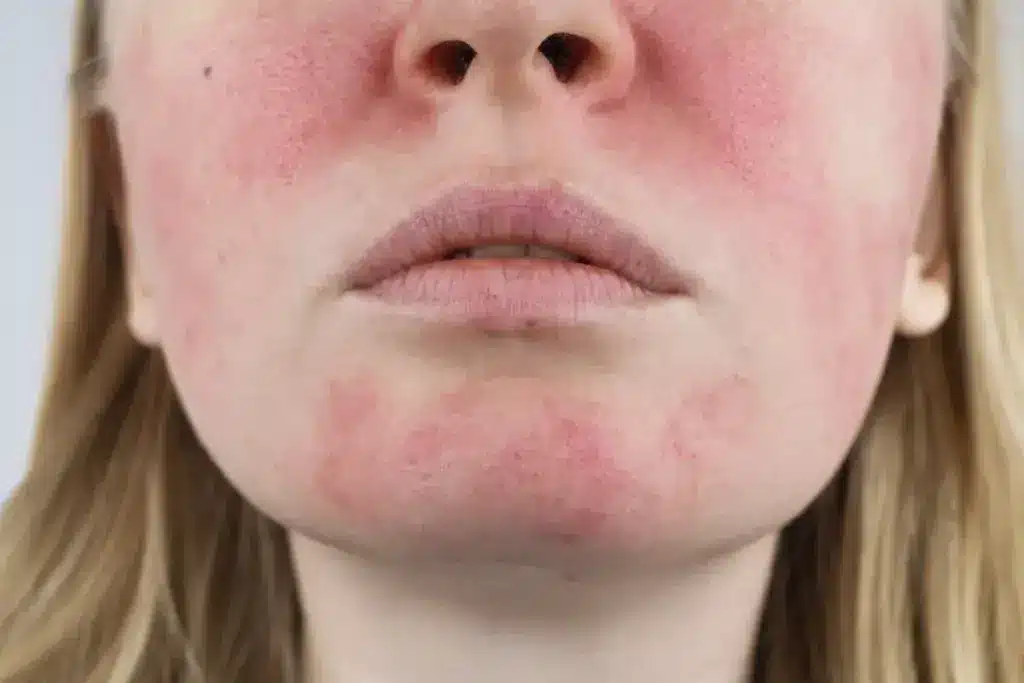
Rosacea is a chronic skin condition that causes inflammation and visible blood vessels. It affects millions of people worldwide. Recent studies suggest that microneedling can help manage its symptoms.
By making small injuries in the skin, microneedling boosts collagen production. This improves skin texture and reduces fine lines and wrinkles.
Finding the right treatment for rosacea can be tough. Microneedling for rosacea is getting attention because it’s minimally invasive. It may also reduce redness and inflammation.
This article will look into the connection between rosacea and microneedling. We’ll examine research and expert opinions to see if it works.
Key Takeaways
- Microneedling can help manage rosacea symptoms by improving skin texture.
- The treatment involves creating micro-injuries to stimulate collagen production.
- Microneedling may reduce redness and inflammation associated with rosacea.
- Expert opinions and research support the use of microneedling for rosacea.
- Microneedling is a minimally invasive treatment option.
Understanding Microneedling: The Basics
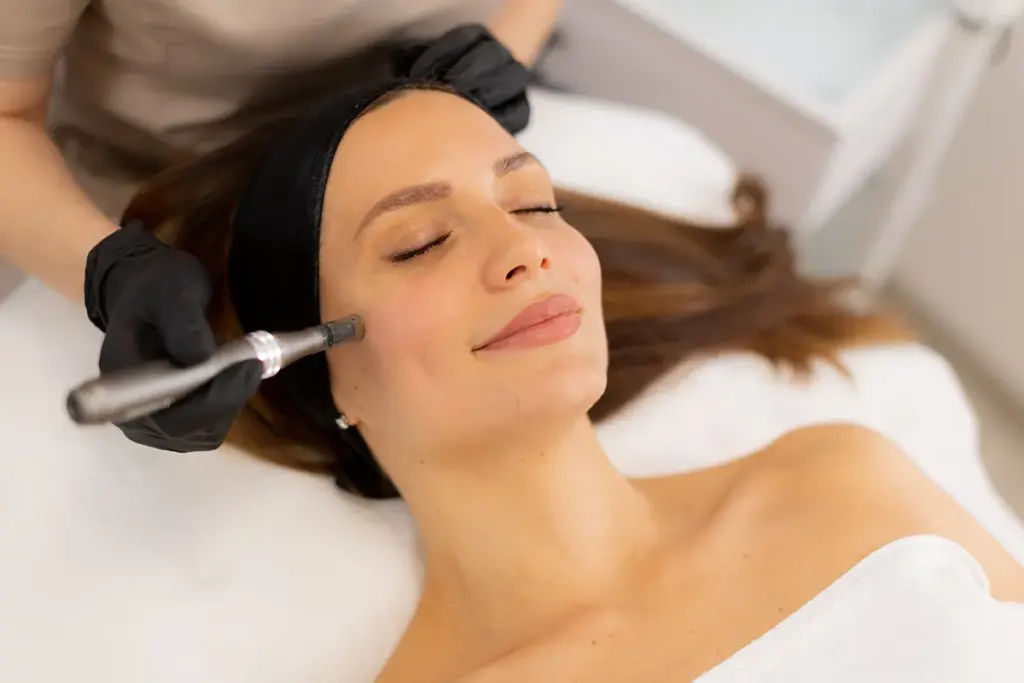
Learning about microneedling can help you decide if it’s right for you. It’s a gentle treatment that can make your skin look better and fix some skin problems.
What is Microneedling?
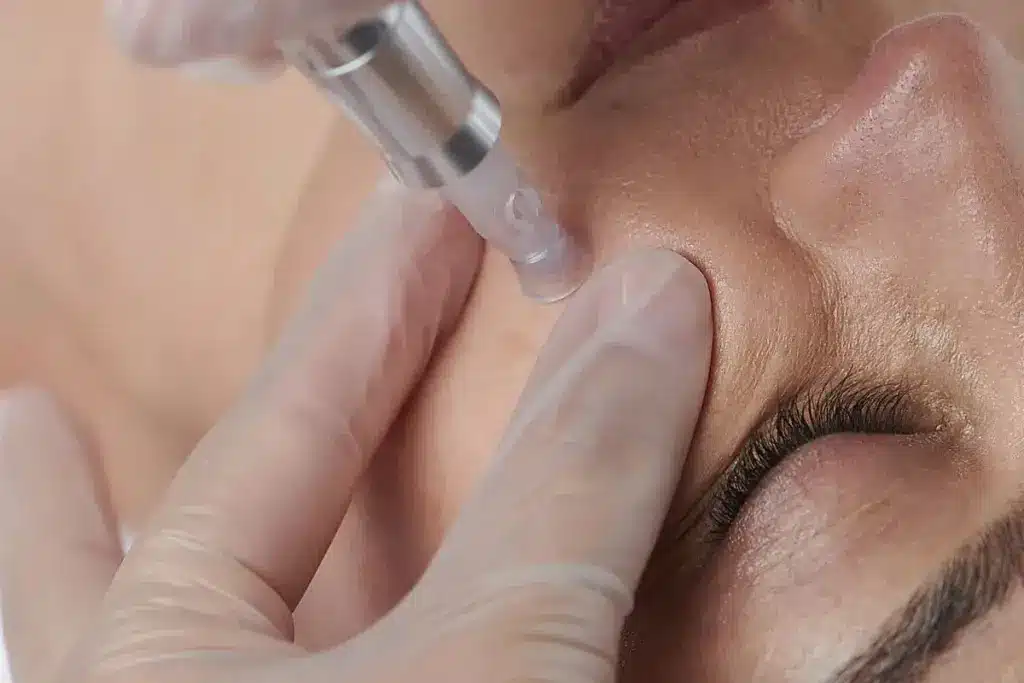
Microneedling uses a special device with tiny needles to make small wounds in your skin. These wounds start a healing process that makes your skin produce more collagen and elastin. You can get it done with dermarollers or automated pens.
The Science Behind the Procedure
Microneedling works by making tiny injuries in your skin. This starts a healing process with three main steps. First, your body gets more blood flow and releases growth factors. Then, it makes new collagen and elastin. Lastly, it refines this new tissue, making your skin look better.
|
Phase |
Description |
Outcome |
|---|---|---|
|
Inflammation |
Increased blood flow and release of growth factors |
Initiation of healing process |
|
Proliferation |
Production of new collagen and elastin |
Improved skin texture |
|
Remodeling |
Refining of newly formed tissue |
Enhanced skin appearance |
Knowing how microneedling works can show its benefits and limits. Always talk to a doctor before trying it to see if it’s good for your skin.
Rosacea Explained: Types and Symptoms
Rosacea is a common skin disorder with different forms and symptoms. It mainly affects the face, causing redness, inflammation, and discomfort. Studies show that rosacea is treatable, making it important to know its types and symptoms.
Different Types of Rosacea
There are four main types of rosacea. Erythematotelangiectatic rosacea shows as flushing and lasting redness. Papulopustular rosacea has acne-like symptoms like pimples and pustules. Phymatous rosacea causes skin thickening, often making the nose bigger. Ocular rosacea affects the eyes, causing redness, irritation, and swollen eyelids. Knowing these types helps find the right treatment.
Common Triggers and Symptoms
Rosacea symptoms can be triggered by many things, like the environment, diet, and stress. Common triggers include spicy foods, alcohol, and extreme temperatures. Symptoms can also worsen with certain skincare products and medications.
The most common symptoms are persistent redness, visible blood vessels, and acne-like breakouts. Managing these triggers and symptoms is key to controlling rosacea.
Understanding rosacea’s types and symptoms helps manage the condition. Treatment options like microneedling can be explored. It’s vital to talk to a dermatologist to find the best treatment for each case.
Does Microneedling Work? Examining the Evidence
Many studies and patient stories have looked into if microneedling works. It’s a treatment that boosts collagen and makes skin look better. It’s key for those fighting skin issues like rosacea.
Clinical Studies on Microneedling Effectiveness
Several studies have checked if microneedling helps with skin problems. A study in Practical Dermatology found it makes skin smoother and lessens scars and fine lines. Microneedling’s power to make collagen is why it works well.
A study on atrophic scars showed big improvements after microneedling. It used a dermaroller to treat the scars. This led to more collagen and better skin.
Real Patient Outcomes
Real stories from patients show microneedling’s benefits. Many say it makes skin look better and helps with rosacea. Testimonials and studies show it can make skin firmer and less red.
One patient saw a big drop in rosacea symptoms after microneedling. They found it easy to handle and had few side effects. This supports microneedling as a good treatment for rosacea.
Microneedling and Rosacea: A Complex Relationship
Microneedling is a popular skin treatment that interacts with rosacea in complex ways. Rosacea causes redness, inflammation, and acne-like symptoms. It’s important to know both the benefits and risks of microneedling for rosacea.
How Microneedling Affects Rosacea-Prone Skin
Microneedling creates tiny injuries in the skin to boost collagen and texture. For those with rosacea, it can have different effects. Some might see a flare-up due to irritation, while others might see improvement over time.
Success with microneedling for rosacea depends on careful planning. This includes adjusting treatment depth and frequency based on skin sensitivity.
Potential Benefits for Rosacea Symptoms
Microneedling can help with rosacea symptoms despite its risks. It boosts collagen, improving skin elasticity and reducing wrinkles. It also helps topical treatments work better against rosacea.
Improved skin texture and reduced redness are possible long-term benefits. But, results can vary greatly from person to person.
The Microneedling Procedure for Rosacea Patients
Rosacea patients should know what microneedling is and how it works for sensitive skin. This treatment uses fine needles to make small injuries. It helps produce collagen and might lessen rosacea symptoms.
What to Expect During Treatment
A practitioner uses a device with fine needles during a microneedling session. This creates small injuries that trigger the body’s healing process. For those with rosacea, the treatment might be adjusted to be gentler.
Key aspects of the treatment include:
- Pre-treatment preparation: Cleansing and possibly applying a topical anesthetic.
- The microneedling process: The actual needling, which may cause temporary discomfort.
- Post-treatment care: Soothing the skin with appropriate products to minimize irritation.
Modified Approaches for Sensitive Skin
For those with rosacea, the microneedling can be made gentler. This might mean using shallower needles or adjusting the treatment settings.
|
Modification |
Description |
Benefit for Rosacea Patients |
|---|---|---|
|
Lower Needle Depth |
Reducing the depth of needle penetration. |
Minimizes irritation and discomfort. |
|
Adjusted Treatment Parameters |
Altering the frequency or intensity of the treatment. |
Reduces the risk of triggering rosacea flare-ups. |
By customizing the microneedling for each person’s skin, practitioners can help rosacea patients. They can achieve good results while avoiding side effects.
Benefits of Microneedling for Rosacea
Microneedling offers many benefits for rosacea, including less redness and better skin texture. It helps with symptoms of rosacea, a condition that causes inflammation and visible blood vessels.
Reduction in Redness and Inflammation
Microneedling can reduce redness and inflammation in rosacea. It boosts collagen and improves skin texture. This makes visible blood vessels less noticeable.
Clinical Evidence: Studies show microneedling is effective against rosacea symptoms. A study in the Journal of Clinical and Aesthetic Dermatology found it greatly reduced redness and inflammation.
Improvement in Skin Texture and Appearance
Microneedling also makes skin texture and appearance better for rosacea patients. It promotes collagen, making skin stronger and less sensitive. This results in smoother, more even-toned skin.
|
Benefits |
Description |
|---|---|
|
Reduced Redness |
Microneedling minimizes the appearance of visible blood vessels. |
|
Improved Skin Texture |
Collagen production is stimulated, leading to smoother skin. |
|
Enhanced Skin Appearance |
The skin becomes more even-toned and resilient. |
Long-term Effects on Rosacea Management
Microneedling has long-term benefits for managing rosacea. Regular treatments improve skin health, reducing flare-ups. Many patients see lasting results from microneedling sessions.
Maintenance Treatments: To keep benefits, follow-up treatments are needed. They help maintain skin improvements and prevent symptoms from coming back.
Microneedling for Acne and Rosacea
Microneedling is a gentle way to improve acne scars and rosacea. It uses tiny needles to make small injuries in the skin. This helps the skin make more collagen and look younger.
How Effective is Microneedling for Acne Scars?
Microneedling is great for acne scars. It boosts collagen, which fills in scars and makes skin smoother. People have seen a 50% reduction in scar appearance.
- Collagen Stimulation: Microneedling boosts collagen, filling in scars.
- Skin Texture Improvement: It makes skin smoother and more even.
- Minimally Invasive: It’s less invasive than surgery, with faster healing.
Combining Acne and Rosacea Treatment
Microneedling is good for both acne and rosacea. It treats scars and improves skin texture, reducing inflammation.
Using microneedling with other treatments can help more. This might include:
- Topical treatments to fight inflammation and prevent breakouts.
- Laser therapy to reduce redness and blood vessels.
- A skincare plan to keep results lasting.
Seeing a dermatologist is key to finding the right treatment for your skin.
Potential Risks and Side Effects
Microneedling is generally safe, but it’s important to know the possible risks and side effects. Like any cosmetic treatment, there are complications to consider. This is even more true for people with rosacea.
Common Side Effects
Most people experience mild and temporary side effects after microneedling. These can include redness, swelling, and slight bruising. Some might feel itching or a sunburn-like sensation. These effects usually go away in a few days.
Table: Common Side Effects of Microneedling
|
Side Effect |
Duration |
Severity |
|---|---|---|
|
Redness |
1-3 days |
Mild |
|
Swelling |
1-2 days |
Mild to Moderate |
|
Bruising |
2-5 days |
Moderate |
Breakouts After Microneedling: Causes and Prevention
Breakouts or acne-like reactions can happen after microneedling. This might be due to the skin’s reaction to the needles, skincare routines, or existing conditions like rosacea. To avoid breakouts, follow a good post-care routine. Use non-comedogenic products and avoid heavy makeup for a few days.
Prevention is key. Getting the treatment from a qualified practitioner and following their advice can help avoid bad reactions.
Professional vs. At-Home Microneedling for Rosacea
Microneedling is becoming more popular for treating rosacea. The big question is whether to go for professional treatments or try it at home. The choice depends on how bad your rosacea is, how sensitive your skin is, and how comfortable you are with the process.
Comparing Dermarollers and Professional Treatments
At-home dermarollers and professional microneedling treatments are quite different. Professional microneedling uses advanced devices that can adjust needle depth. This is important for treating different areas and conditions.
PracticalDermatology points out that at-home devices have limits in needle depth and sterility. This can affect how well they work and how safe they are for people with rosacea.
Safety Considerations for DIY Approaches
When it comes to at-home microneedling, safety is key. Dermarollers can get contaminated if not sterilized properly. This can lead to infections or other problems.
A study on microneedling safety found that at-home devices carry more risks. This is because they are used without professional supervision and can be used incorrectly. So, if you’re thinking about using a dermaroller at home, know the risks and take steps to avoid them.
In the end, deciding between professional and at-home microneedling for rosacea should involve a dermatologist. They can give advice tailored to your skin and needs.
Microneedling vs. Other Rosacea Treatments
When looking at rosacea treatments, it’s key to know how microneedling compares to others. Rosacea affects people differently, so it’s important to compare treatments. This helps in making the right choice for your skin.
Comparison with Topical Treatments
Topical treatments are often the first choice for rosacea. They include creams and gels that aim to lessen redness. Microneedling is different because it boosts collagen and improves skin texture. It offers a lasting fix by working on the skin’s structure, not just its surface.
Comparison with Laser Therapy
Laser therapy is popular for reducing rosacea redness and blood vessels. It targets the skin’s surface and below. Microneedling, on the other hand, creates tiny injuries to stimulate healing. This can lead to smoother skin and fewer wrinkles, helping with rosacea symptoms.
Comparison with Chemical Peels
Chemical peels remove the skin’s top layers to lessen rosacea signs. But, microneedling is safer for sensitive rosacea skin. It offers similar benefits without the risk of irritation from peels.
In summary, microneedling is a standout for rosacea treatment. It improves skin texture and reduces symptoms without chemicals or invasive methods. Always talk to a healthcare professional to find the best treatment for your rosacea.
Aftercare and Recovery for Rosacea Patients
After microneedling, rosacea patients need to follow a proper aftercare routine. This ensures they recover well and get the best results. Good aftercare helps avoid complications and improves the treatment’s outcome.
Managing Post-Treatment Redness
Redness is a common side effect after microneedling for rosacea patients. To reduce it, apply a soothing cream or gel as your dermatologist suggests. Keeping your skin cool and avoiding the sun helps too.
PracticalDermatology advises using a gentle, fragrance-free cleanser. Avoid harsh products to prevent irritation. Drinking plenty of water and sticking to a skincare routine is also key for recovery.
Recommended Skincare Routine
After microneedling, a gentle skincare routine is vital for rosacea-prone skin. Begin with a mild cleanser, then a toner to balance your skin’s pH. Use a soothing serum or cream with antioxidants and hyaluronic acid for skin rejuvenation.
- Use lukewarm water instead of hot water to cleanse the face.
- Avoid exfoliating or using harsh products for at least a week post-treatment.
- Apply sunscreen daily with at least SPF 30 to protect the skin from UV damage.
By following these aftercare tips and sticking to a consistent skincare routine, rosacea patients can enjoy microneedling’s benefits. They can also minimize side effects.
Who Should Avoid Microneedling with Rosacea
People with rosacea thinking about microneedling should know the risks. This treatment can help with many skin issues but isn’t for everyone. It’s not good for those with certain health problems or skin types.
Contraindications and Risk Factors
Before trying microneedling for rosacea, think about these points. You should avoid it if you have active rosacea, sensitive skin, or certain health issues. ContactBook Online says you should not get it if you have active infections, autoimmune diseases, or are taking isotretinoin.
Key risk factors to think about are:
- Active rosacea symptoms
- Skin infections or conditions like eczema
- Use of certain medications
- History of keloid scarring
When to Consider Alternative Treatments
If you can’t get microneedling, look into other options. You might try topical creams, laser treatments, or chemical peels. Always talk to a dermatologist to find the best treatment for you.
Conclusion: Is Microneedling Right for Your Rosacea?
Microneedling is seen as a promising treatment for rosacea. It can help reduce redness and inflammation. PracticalDermatology notes that there are many ways to treat rosacea, and microneedling is one effective method.
Before trying microneedling for rosacea, consider its benefits and risks. It can make your skin look better, but it’s not for everyone. Some people might not be good candidates due to certain health issues.
If you’re thinking about microneedling for rosacea, talk to a dermatologist or skincare expert. They can help you figure out if it’s right for you. Knowing about all the treatment options and how microneedling works can help you make a good choice.
So, does microneedling work for rosacea? The answer is yes, for some people. But, results can differ. Weighing the good and bad can help you decide if microneedling is right for you.
FAQ
What is microneedling, and how does it work?
Microneedling is a cosmetic procedure that uses tiny needles to make micro-injuries in the skin. This stimulates collagen production and rejuvenates the skin.
Is microneedling effective for rosacea?
Microneedling can help with rosacea by reducing redness and improving skin texture. It also boosts collagen production. But, results can vary, so it’s best to talk to a professional.
Can microneedling help with acne scars?
Yes, it can help by stimulating collagen and rejuvenating the skin. This makes acne scars less noticeable.
What are the possible risks and side effects of microneedling for rosacea?
Side effects may include redness, inflammation, and breakouts. But, following aftercare and using gentle products can help minimize these.
Is at-home microneedling safe for rosacea?
At-home microneedling can be risky for rosacea as it may irritate the skin further. It’s safer to get professional treatment.
How does microneedling compare to other rosacea treatments?
Microneedling offers unique benefits not found in other treatments like creams or laser therapy. It can be used alongside other treatments for better results.
What should I expect during a microneedling treatment for rosacea?
You can expect a gentle procedure during treatment. It may involve numbing creams to reduce discomfort.
How can I manage post-treatment redness after microneedling?
Use gentle skincare, avoid harsh exfoliants, and apply soothing creams or gels to manage redness.
Who should avoid microneedling with rosacea?
Those with active rosacea, sensitive skin, or certain medical conditions should avoid it or take precautions.
How many microneedling sessions are needed for optimal results?
The number of sessions varies based on individual skin concerns and goals. Usually, multiple sessions are needed, spaced weeks apart.
Can microneedling be combined with other treatments for rosacea?
Yes, it can be combined with other treatments like creams or laser therapy. This can enhance results and address multiple concerns.
References
National Center for Biotechnology Information. Evidence-Based Medical Insight. Retrieved from https://pubmed.ncbi.nlm.nih.gov/27608206/