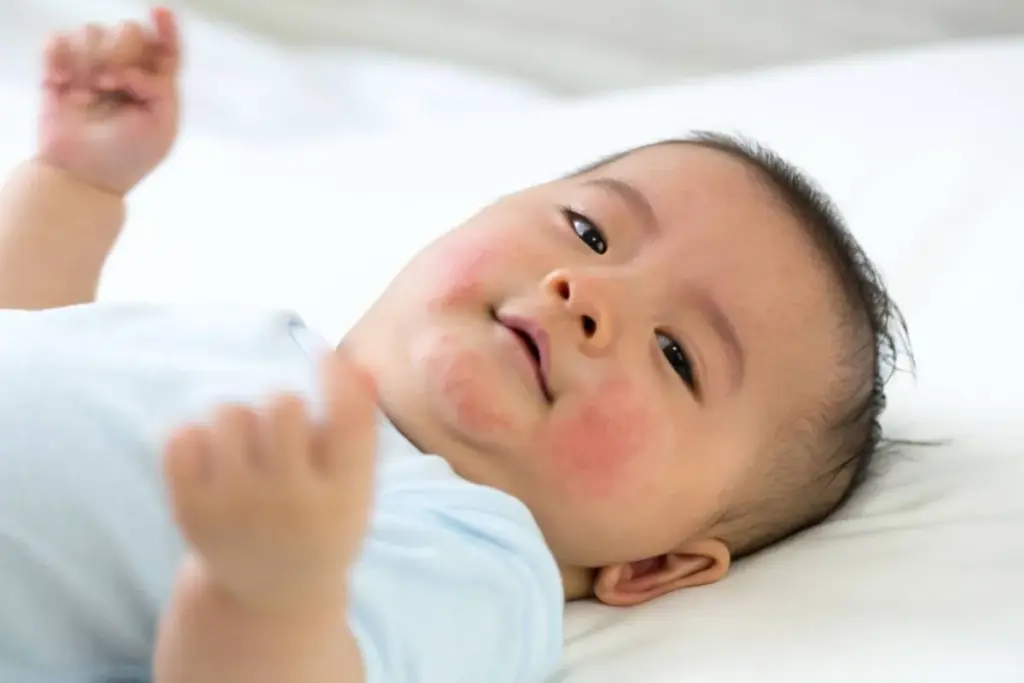
Nearly every baby gets a diaperrash at some point. Some cases are made worse by fungal infections. This common problem can make babies uncomfortable and upset. It’s important for parents and caregivers to know how to treat it well.diaper rashSwollen Inguinal Lymph Nodes Causes: A Critical Guide
Diaper rash is a common issue in babies. It needs quick attention to avoid bigger problems. We’ll look at what causes it, its signs, and how to treat it. This includes treating yeast infections, to help caregivers fully understand.
Key Takeaways
- Knowing the causes and signs of diaper rash is key to treating it right.
- Fungal infections can make diaper rash worse, needing special treatment.
- Keeping diapers clean and changing them often can stop diaper rash.
- There are many ways to treat it, like creams and ointments.
- Seeing a doctor is important for serious or lasting cases.
Understanding Diaper Rash and Fungal Infections
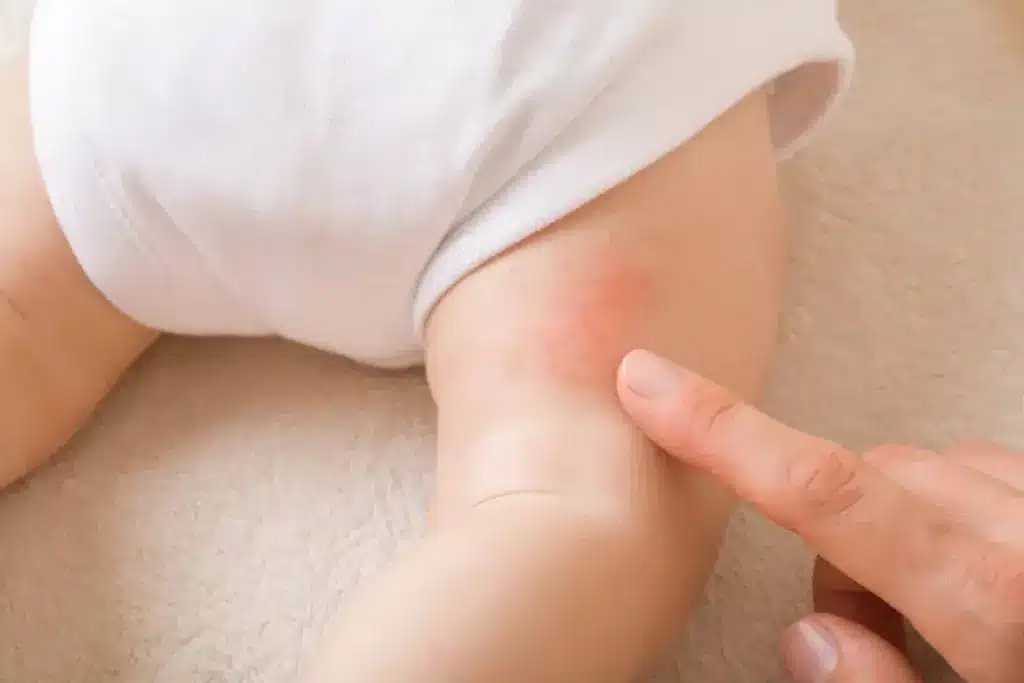
It’s important to know about diaper rash and its possible complications like fungal infections. Diaper rash is common in babies and can be painful for them and worrying for parents. We’ll look at what diaper rash is, why it happens, and how to spot fungal infections.
What is Diaper Rash?
Diaper rash, or diaper dermatitis, is when the skin in the diaper area gets irritated or inflamed. It can show redness, swelling, or small bumps. Diaper rash is more than just a simple skin issue; it needs attention to avoid bigger problems.
The skin in the diaper area is very sensitive. It can get irritated from being wet for too long, from diaper friction, and from certain products.
Causes of Diaper Rash
There are many reasons why diaper rash happens. These include:
- Being wet for too long, which can irritate the skin.
- Diaper friction, which can happen if the diapers are too tight.
- Skin sensitivity to diaper materials or skincare products.
- Infections, like bacterial and fungal ones.
Knowing these causes helps in preventing and treating diaper rash. For example, changing diapers often and taking good care of the skin can help a lot.
|
Cause |
Description |
Prevention/Treatment |
|---|---|---|
|
Prolonged Wetness |
Irritation from urine and feces. |
Frequent diaper changes. |
|
Friction |
Irritation from tight diapers. |
Proper diaper fit. |
|
Skin Sensitivity |
Reaction to diaper or product ingredients. |
Hypoallergenic products. |
Recognizing Fungal Infections
Fungal infections, like those from Candida (yeast), can make diaper rash worse. Signs include intense redness, a shiny skin look, and small satellite lesions around the rash.
“Fungal infections can make diaper rash worse, needing special treatments. Spotting them early is key to managing them well.”
Spotting these signs early is important. It helps stop the infection from spreading and helps the rash heal faster.
Signs of Fungal Infection in Babies
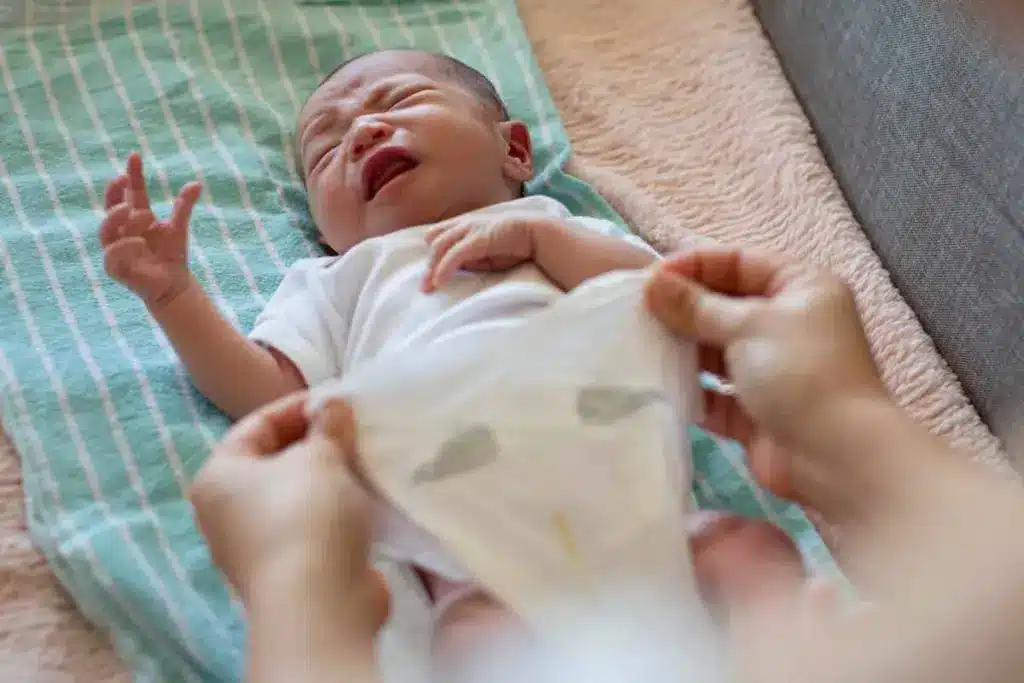
Spotting a fungal infection in babies can be tough. But knowing the signs is key for treating it right. Fungal infections, or yeast infections, can make diaper rash worse and need special care.
Symptoms to Look For
Fungal infections in babies show clear signs. Look out for:
- Bright red rash with clear boundaries
- Presence of satellite lesions around the main rash area
- Increased redness and inflammation
- Skin that is warm to the touch
- Baby showing discomfort or pain when the area is touched or cleaned
Pediatric experts say early detection is vital. Prompt recognition is key for better treatment and less risk of complications.
Visual Identification of Fungal Rashes
Spotting a fungal rash involves looking for specific patterns. A fungal rash looks like a bright red area with clear edges. It might have satellite lesions too. It’s important to tell it apart from other diaper rash types to treat it right.
Key characteristics include:
- A bright red color
- Sharp edges
- Possible presence of small, red bumps or satellite lesions around the main area
“Accurate diagnosis is the first step towards healing. A fungal infection needs antifungal treatment, which is different from other diaper rash treatments.”
Common Types of Diaper Rash
It’s important to know the different types of diaper rash to treat and soothe a baby’s skin. Diaper rash isn’t just one thing. It’s a term for many skin irritations in the diaper area.
Irritant Diaper Dermatitis
Irritant diaper dermatitis is a common diaper rash. It happens when the skin meets irritants like urine, feces, or diaper friction. Long exposure can cause redness, swelling, and discomfort. Keeping the diaper area clean and dry helps prevent it.
Candidal Diaper Dermatitis
Candidal diaper dermatitis, or yeast infection, is another common rash. It’s caused by too much Candida fungus in the diaper area. Symptoms include a bright red rash with clear borders and satellite lesions. Antifungal creams or ointments can treat it.
Allergic Reactions
Allergic reactions can also cause diaper rash. These might be from sensitivity to diaper, wipe, or cream materials. Identifying and removing the allergen is key to resolving the rash. Parents should watch the products they use and switch to hypoallergenic ones if needed.
In conclusion, knowing the different types of diaper rash is key to proper care. By figuring out the cause, parents can treat it right.
Prevention of Diaper Rash in Babies
To prevent diaper rash, follow good hygiene, choose the right diaper, and change diapers often. These steps help keep your baby’s skin healthy and reduce rash risk.
Importance of Hygiene
Good hygiene is key in stopping diaper rash. Clean the diaper area with mild soap and water at each change. Good hygiene is the first defense against diaper rash.
Choosing the Right Diaper
The right diaper is important for rash prevention. Look for breathable, well-fitting diapers. They help keep the skin dry and reduce irritation.
Frequent Diaper Changes
Changing diapers often is vital. It stops urine and feces buildup, which irritates the skin. Check diapers every hour and change them as needed.
|
Prevention Strategy |
Description |
Benefits |
|---|---|---|
|
Good Hygiene |
Cleaning the diaper area with mild soap and water |
Reduces bacterial and fungal growth |
|
Right Diaper Choice |
Choosing breathable diapers that fit well |
Keeps skin dry, reduces irritation |
|
Frequent Diaper Changes |
Regularly checking and changing diapers |
Prevents urine and feces buildup, reduces skin irritation |
Treatment Options for Diaper Rash
Understanding how to treat diaper rash is key. There are many ways to soothe your baby’s skin. These methods aim to ease discomfort and stop more irritation.
Over-the-Counter Treatments
First, you might try over-the-counter (OTC) treatments. These include:
- Barrier Creams: Zinc oxide creams form a shield on the skin. They protect it from more irritation.
- Antifungal Creams: For fungal infections, antifungal creams work well. Vagisil cream is one option, but always check with a pediatrician first.
- Hydrocortisone Creams: Mild hydrocortisone can lessen inflammation. But, use it only as a pediatrician advises.
Natural Remedies for Diaper Rash
Many parents choose natural remedies for diaper rash. These options are gentle on the skin. Some effective ones are:
- Coconut Oil: Coconut oil moisturizes and fights off bacteria. It can help heal diaper rash.
- Aloe Vera: Aloe vera gel reduces inflammation. It can make redness and irritation go down.
- Oatmeal Baths: Oatmeal has been used for ages to calm skin. An oatmeal bath can ease itching and discomfort from diaper rash.
Keep an eye on your baby’s rash and change treatments if needed. If the rash doesn’t get better or gets worse, see a pediatrician.
Fungus-Specific Treatments
Diaper rash can get worse if it’s mixed with a fungal infection. This is because of Candida, a common fungus. It makes the rash more painful and can lead to bigger problems if not treated.
To fight fungal diaper rash, we use antifungal agents. These come as creams or ointments. They’re applied right to the rash.
Antifungal Creams and Ointments
For fungal diaper rash, we often start with over-the-counter (OTC) creams and ointments. Clotrimazole or miconazole are common choices. Always follow the instructions and talk to a doctor if you’re not sure.
“Antifungal creams can really help with fungal diaper rash,” say pediatric experts. Keeping the area clean and dry before applying helps a lot.
Prescription Options for Severe Cases
For really bad cases, or if OTC treatments don’t work, we might need prescription meds. These can be stronger creams or pills. It’s important to talk to a pediatrician to find the right treatment.
A doctor might give nystatin for Candida diaper rash. Sometimes, we use more than one treatment to fight both the fungus and any bacteria.
When to Consult a Pediatrician
Knowing when to seek medical help for diaper rash is important for your baby’s health. Diaper rash can be mild or severe, needing medical care. We’ll show you when it’s time to see a pediatrician.
Identifying Persistent or Severe Rash
If your baby’s diaper rash doesn’t get better with home care, it might be time to see a doctor. Look out for these signs of a severe rash:
- Severe redness and swelling that doesn’t improve with over-the-counter treatments.
- Pus or discharge, indicating a possible infection.
- Fever accompanying the rash, which could signify a more serious condition.
- Rash that spreads beyond the diaper area or to other parts of the body.
If you see any of these signs, get medical advice quickly. A rash that doesn’t go away can cause more problems.
Recommended Pediatric Dermatologist Visits
For fungal infections or very bad rashes, see a pediatric dermatologist. They can:
- Accurate diagnosis through examination and potentially, further testing.
- Targeted treatment plans that may include antifungal medications or other specific therapies.
- Guidance on skincare to prevent future occurrences and manage the current condition effectively.
See a pediatric dermatologist if you’re not sure about the rash’s severity or cause. Or if your baby keeps getting rashes. Early help can make a big difference and prevent bigger problems.
Home Care Tips for Baby’s Skin
Keeping your baby’s skin healthy is more than just changing diapers. It’s about creating a gentle home care routine. This helps prevent diaper rash and other skin problems.
Bathing and Skincare Routine
Bathing your baby 2-3 times a week is important. Use warm water and a mild baby wash. Gentle cleansing helps keep their skin’s natural barrier strong.
Moisturizing is key after baths. Use a fragrance-free moisturizer to keep their skin hydrated and protected. Apply it at least once a day, focusing on areas that get rashy.
Choosing Baby Skincare Products
Finding the right skincare for your baby can be tough. Look for products labeled “hypoallergenic” and “fragrance-free.” They are less likely to irritate their skin.
For diaper changes, gentle baby wipes are a big help. Brands like Little Baby Bum offer wipes that are gentle and eco-friendly.
Lifestyle Changes to Minimize Diaper Rash
We can make our babies’ skin healthier by changing our lifestyle. Diaper rash is common and can make babies uncomfortable. Simple changes in our daily habits can help keep our babies happy and rash-free.
Diet Considerations
A baby’s diet is key to their skin health. For babies starting solids, introducing foods one at a time helps spot irritants. Breastfed babies might need their mom to watch what she eats if it causes rash. Formula-fed babies should talk to their pediatrician about the best formula.
Some things to think about include:
- Avoid foods that can cause allergies or intolerance
- Make sure they drink enough water to flush out toxins
- Watch for changes in stool or urine that could mean a problem
Clothing Choices and Diaper Fit
The clothes and diapers we choose matter a lot. Breathable fabrics like cotton are best because they let air in and keep skin dry. Also, loose clothes and diapers help avoid irritation by reducing friction.
To get the diaper fit right:
- Make sure the diaper isn’t too tight to avoid irritation.
- Change the diaper often to keep it clean.
- Try diapers with breathable outer layers for better airflow.
By focusing on these areas, we can make our babies more comfortable. This reduces the chance of diaper rash and keeps their skin healthy.
Conclusion
Treating fungus on baby skin needs a full plan. This includes knowing why diaper rash happens, spotting fungal signs, and using good treatments. We’ve looked at ways to stop and fix diaper rash, like keeping things clean and using special creams.
Effective Treatment Approaches
Using both store-bought and natural treatments, along with changing our habits, helps a lot. It’s very important to watch over a baby’s skin closely.
Ongoing Care for Healthy Skin
Keeping a baby’s skin healthy is a big job. Choosing the right diapers, changing them often, and watching what they eat and wear helps a lot. This way, we can lower the chance of diaper rash and keep their skin in good shape.
In short, knowing how to treat and prevent diaper rash is very important for a baby’s skin health. By sticking to these steps and keeping up with care, we can stop diaper rash and keep our babies happy and healthy.
FAQ
What is diaper rash and what causes it?
Diaper rash is a skin irritation in the diaper area. It’s often caused by urine and feces, diaper friction, and sensitivity to products. Yeast or fungal infections can also be a problem.
How can I tell if my baby’s diaper rash is caused by a fungal infection?
Fungal infections, like Candida, make diaper rash bright red with clear borders and spots. If you see these signs, it might be a fungal infection. Always check with a pediatrician for a correct diagnosis.
What are the best ways to prevent diaper rash in babies?
To avoid diaper rash, keep things clean and change diapers often. Use gentle products and choose the right diaper for your baby’s skin. A proper fit is also key.
What are the most effective treatments for diaper rash?
For mild cases, over-the-counter creams with zinc oxide work well. For severe or fungal cases, antifungal creams or prescription treatments might be needed. Always talk to a pediatrician for the best treatment.
Can I use Vagisil cream on my baby’s diaper rash?
No, Vagisil cream is for adults, not babies. For diaper rash, use products made for infant skin. Look for creams with zinc oxide or antifungal agents if it’s a fungal infection.
How often should I change my baby’s diaper to prevent diaper rash?
Change diapers every two to three hours or right after a bowel movement. This keeps the skin clean and dry, reducing irritation.
Are there any natural remedies that can help soothe diaper rash?
Yes, coconut oil, olive oil, or shea butter can soothe diaper rash. But, if it doesn’t get better or gets worse, see a pediatrician.
What lifestyle changes can help minimize diaper rash?
A proper diaper fit, breathable clothes, and dietary changes can help. Keeping a consistent skincare routine also keeps your baby’s skin healthy.
When should I consult a pediatrician about my baby’s diaper rash?
See a pediatrician if the rash is persistent, severe, or with fever, pus, or discomfort. They can diagnose and treat it effectively.
What are the best baby wipes to use to prevent diaper rash?
Use gentle, fragrance-free baby wipes for sensitive skin. Avoid wipes with alcohol or harsh chemicals to prevent irritation.
References
National Center for Biotechnology Information. Evidence-Based Medical Insight. Retrieved from https://pubmed.ncbi.nlm.nih.gov/32020834/